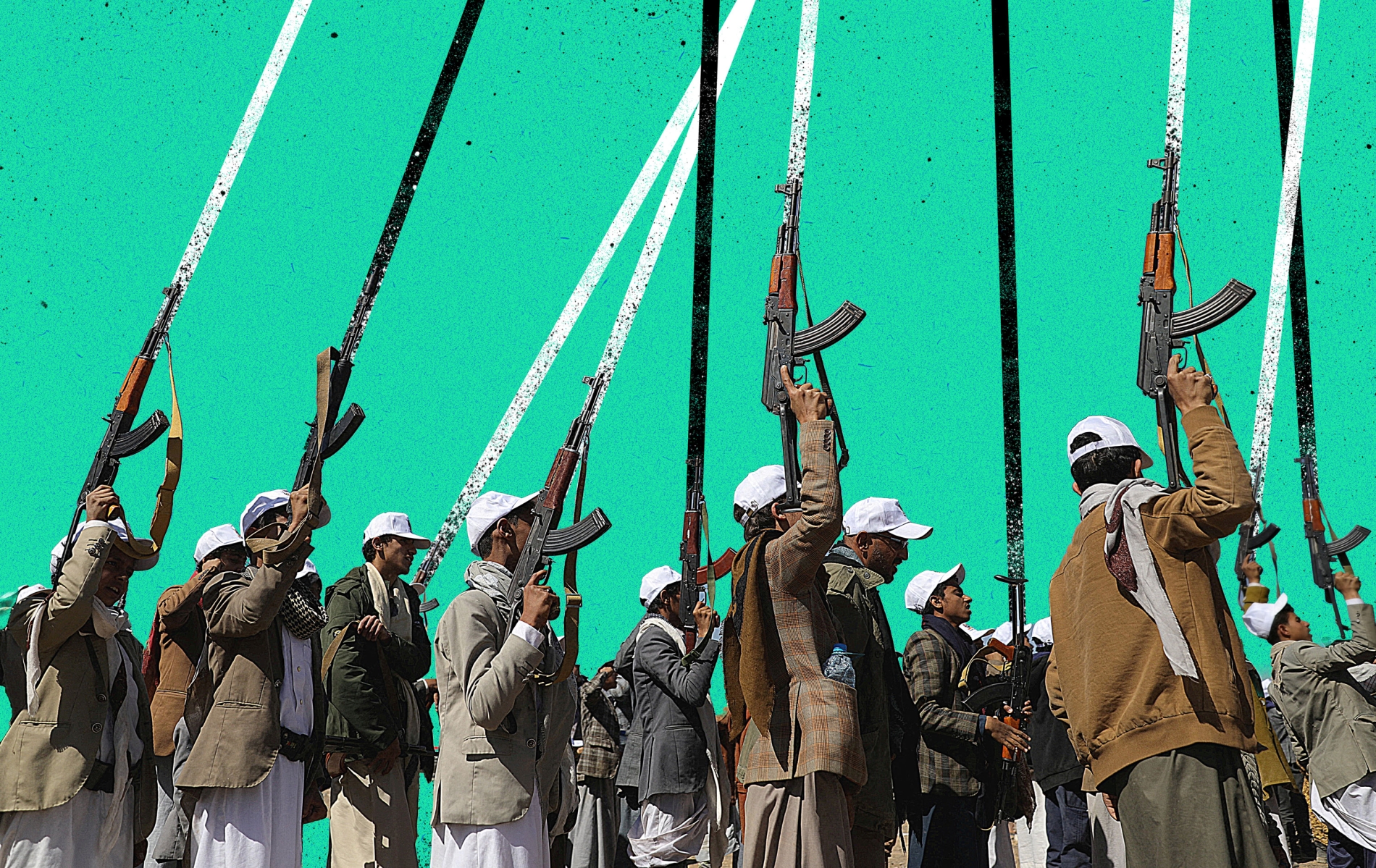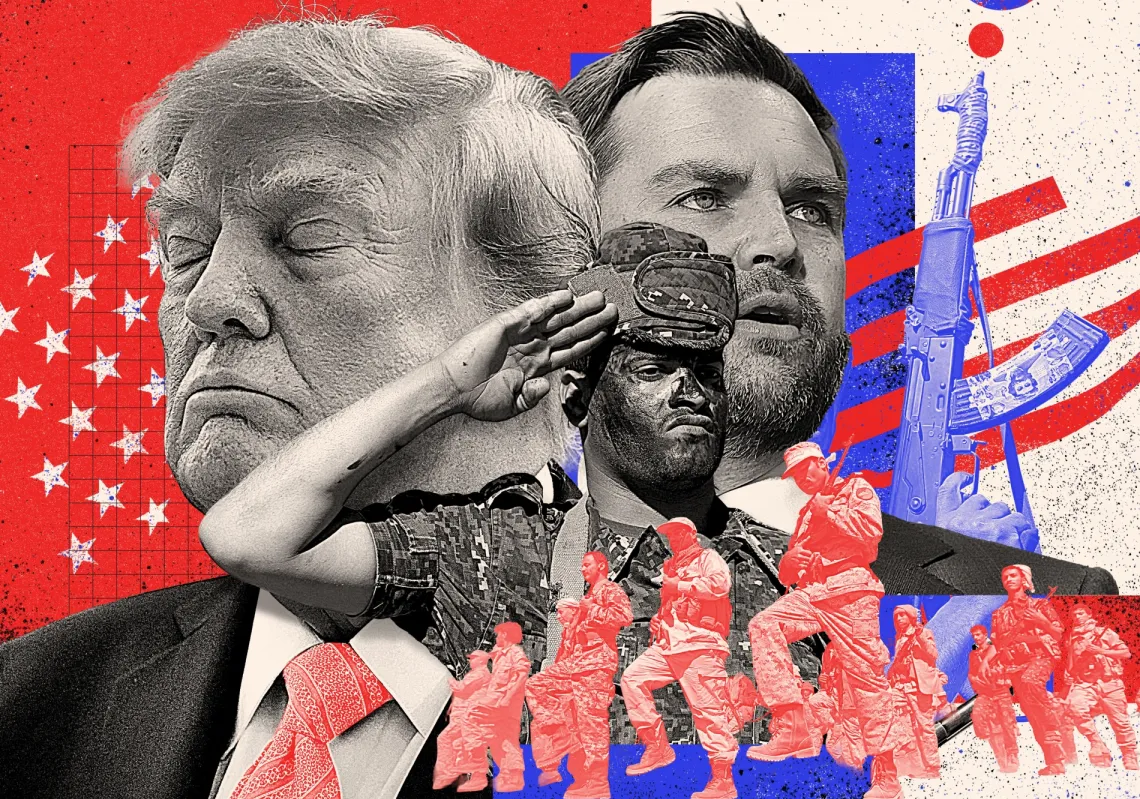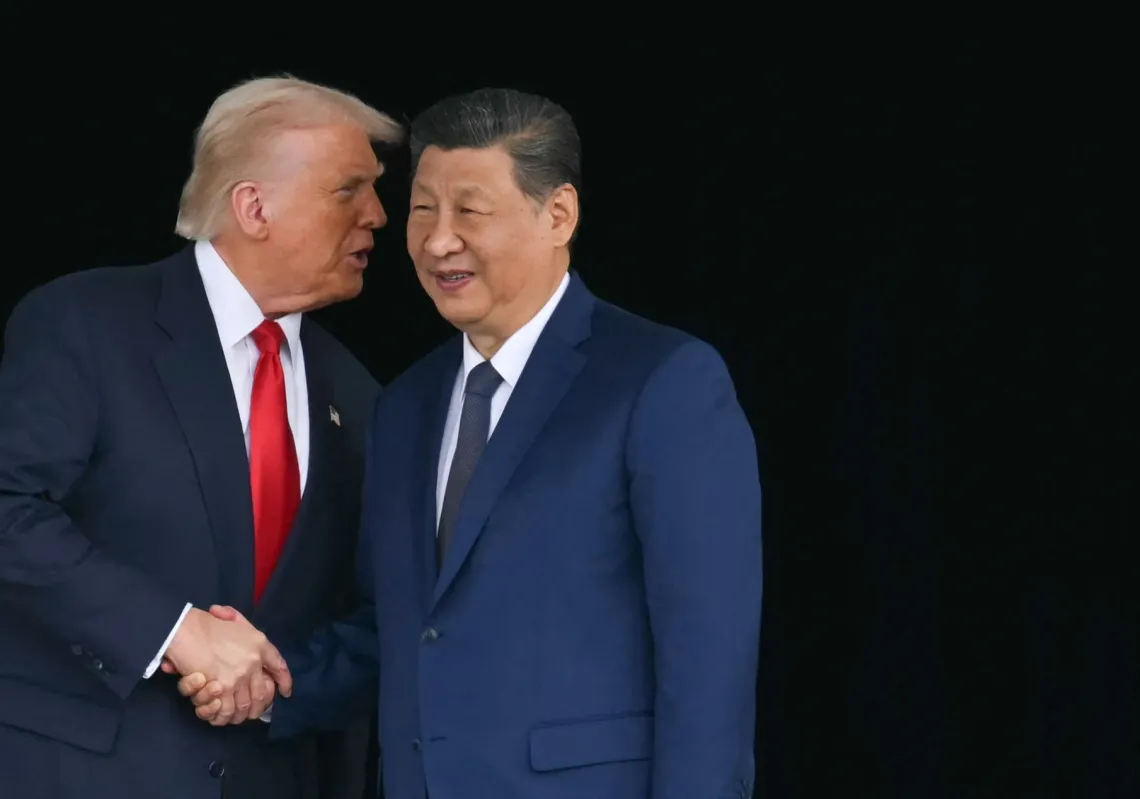

As Washington scrambled to contain the consequences of the Houthis' dramatic advance along Yemen’s Red Sea coast last week, US Vice President JD Vance confirmed US media reports that the Trump administration was "engaged in direct conversations with the Houthis."
Days earlier, Reuters reported that US officials met Houthi representatives at the US embassy in Muscat. Among them was Mohammed Abdulsalam, one of the group's most senior political officials, who is also under US sanctions. The Houthis reportedly assured Washington that they intended to respect their existing ceasefire with the United States and would not attack American vessels, even as their confrontation with Saudi Arabia continued.
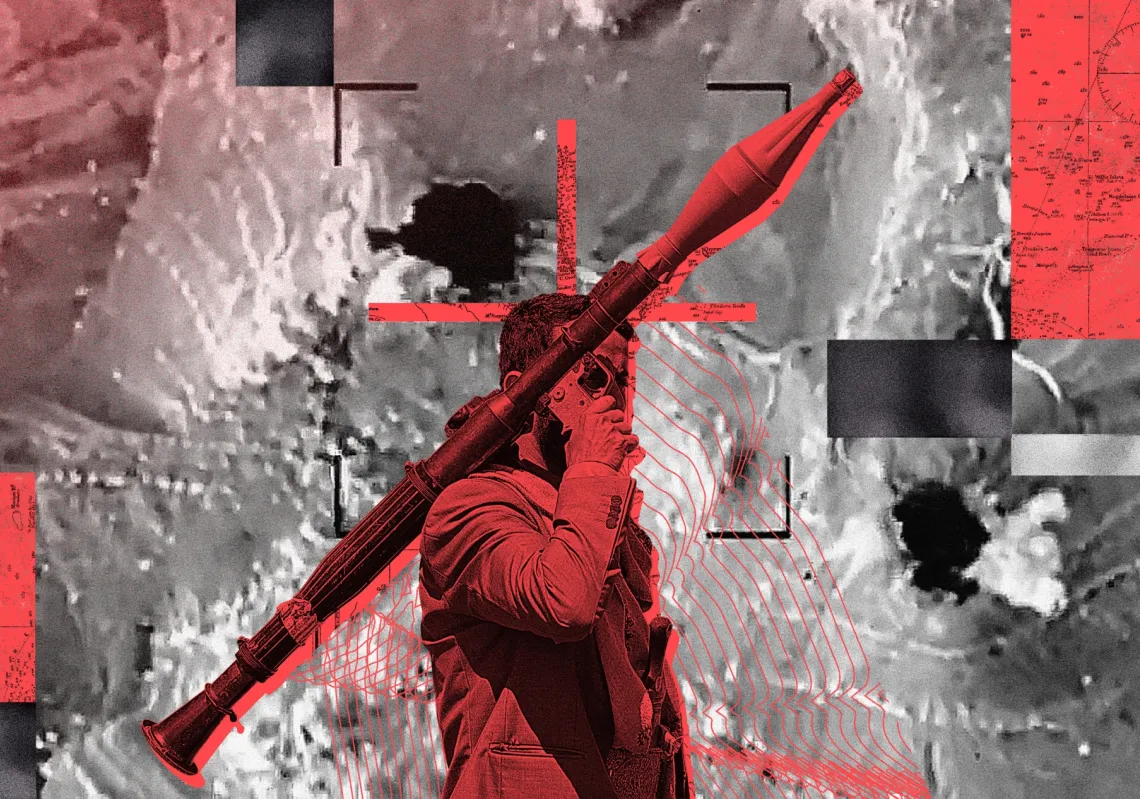
There is an obvious irony. Donald Trump put the Houthis back on the US list of foreign terrorist organisations in January 2025, but his administration is now negotiating with them after their battlefield position considerably improved in recent weeks. At the same time, Trump has declined to get militarily involved in Yemen's internal confrontation, which has expanded to attacks on Saudi Arabia, which backs Yemen's internationally recognised government. But does this mean the US has abandoned its ally? That is an unequivocal 'no'. It is still helping Saudi Arabia by providing critical intelligence and targeting assistance.
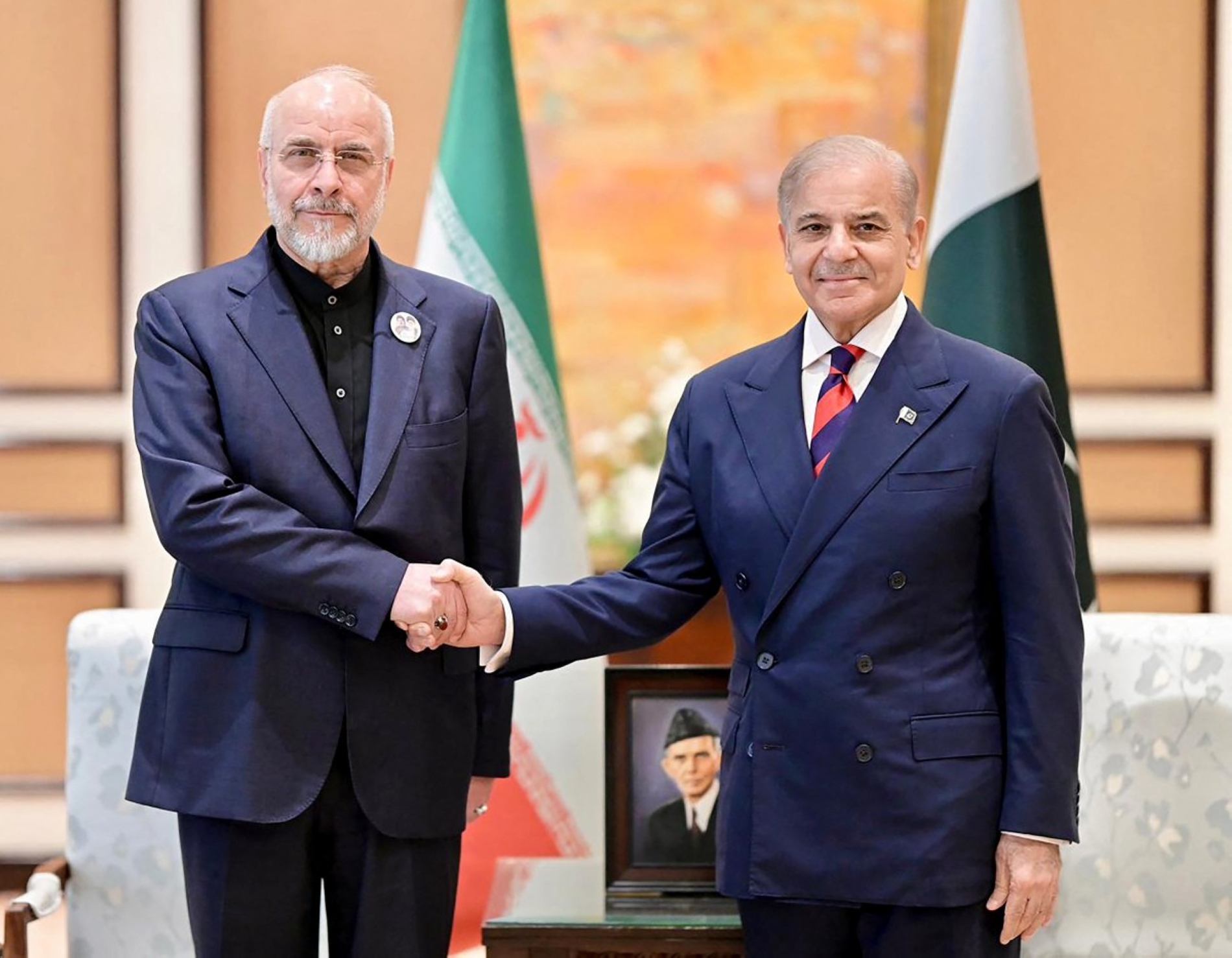
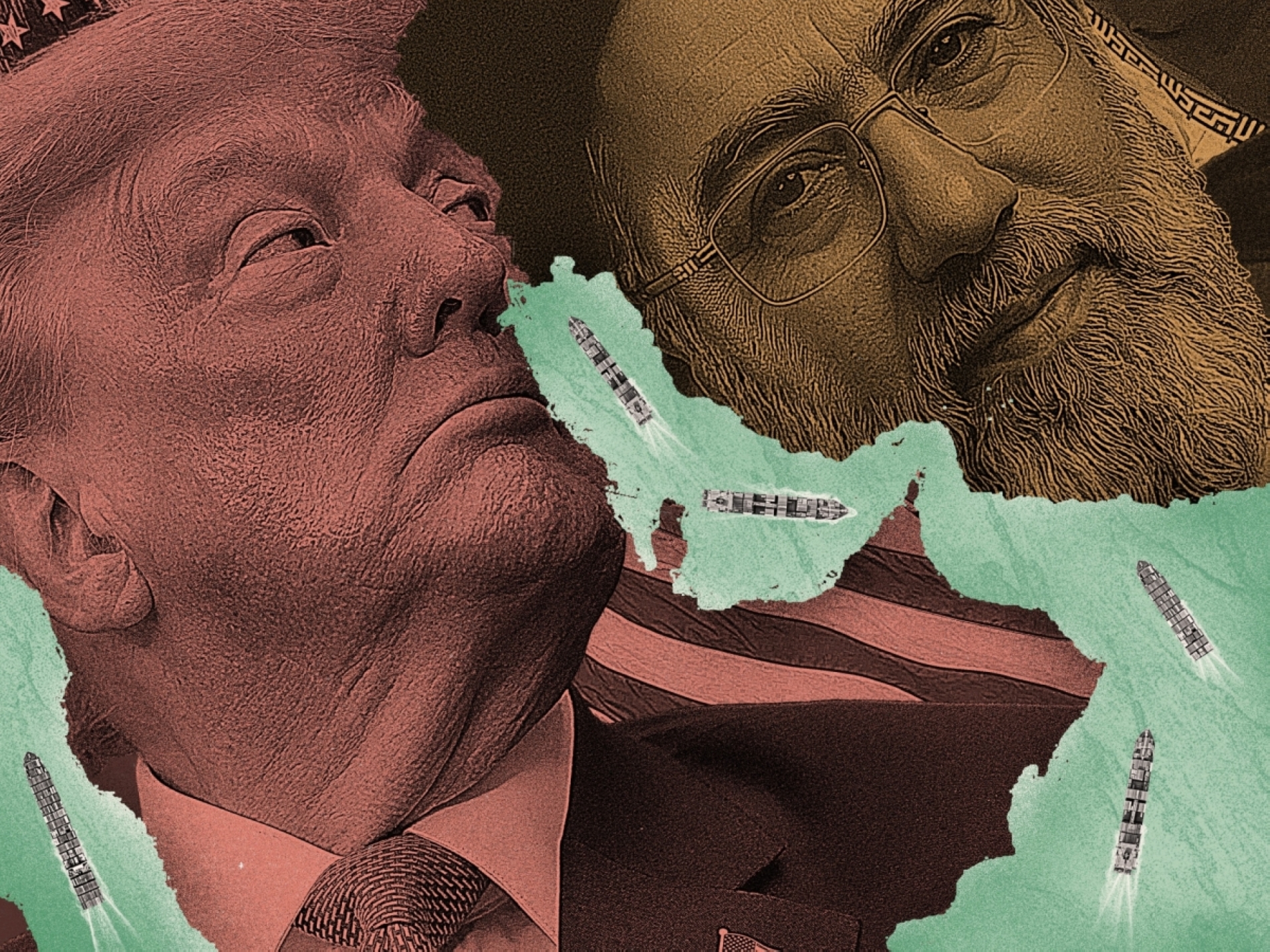
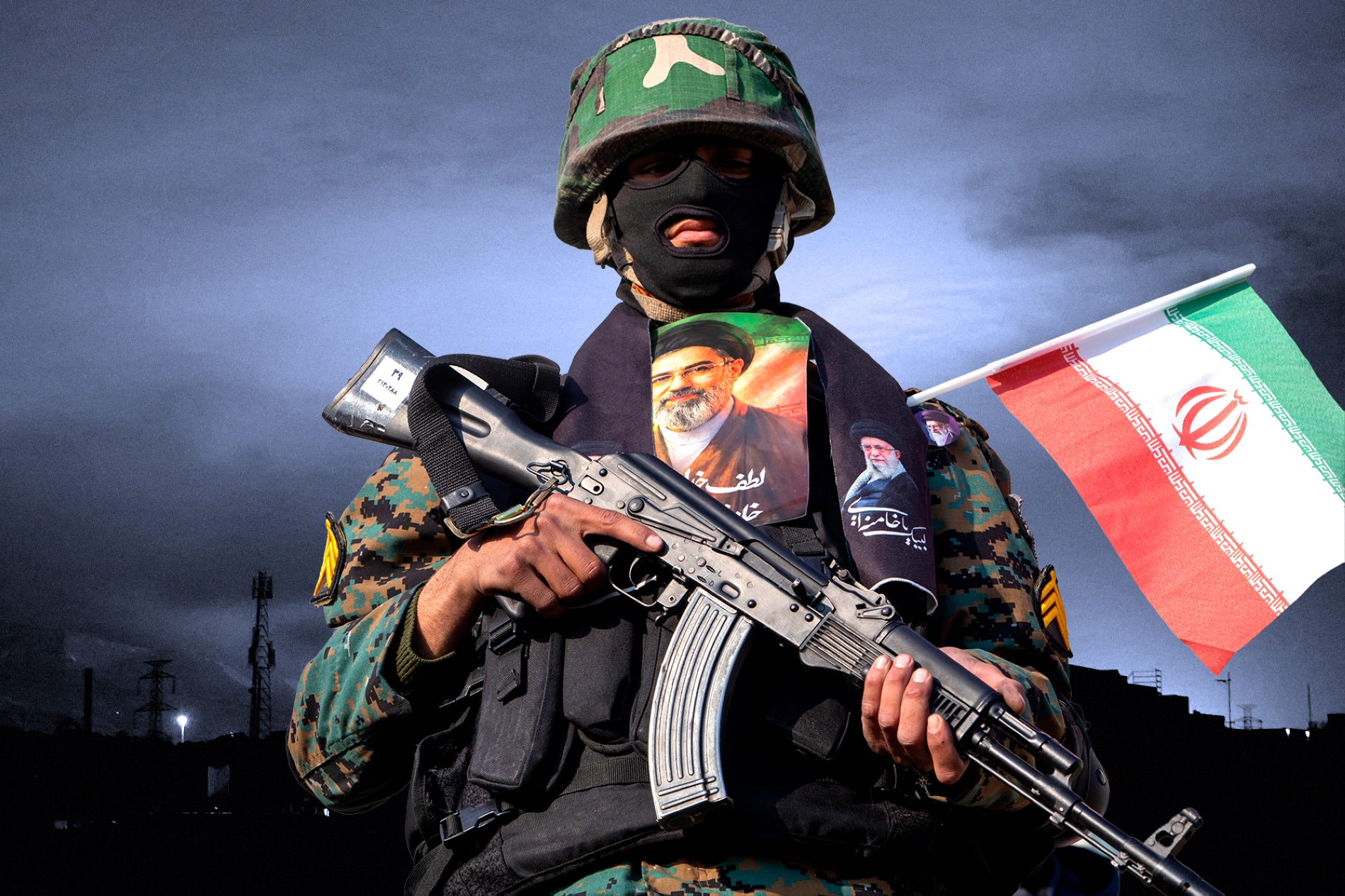
Still, these moves might be read in Tehran, and elsewhere in the region, as signs that Trump is having serious doubts about doubling down on an expanding Middle Eastern conflict, including his war with Iran, and that he is looking for a way to end the war altogether. While the evidence does not support this take, it does suggest something more interesting: he may be trying to contain the war and prevent it from expanding further.
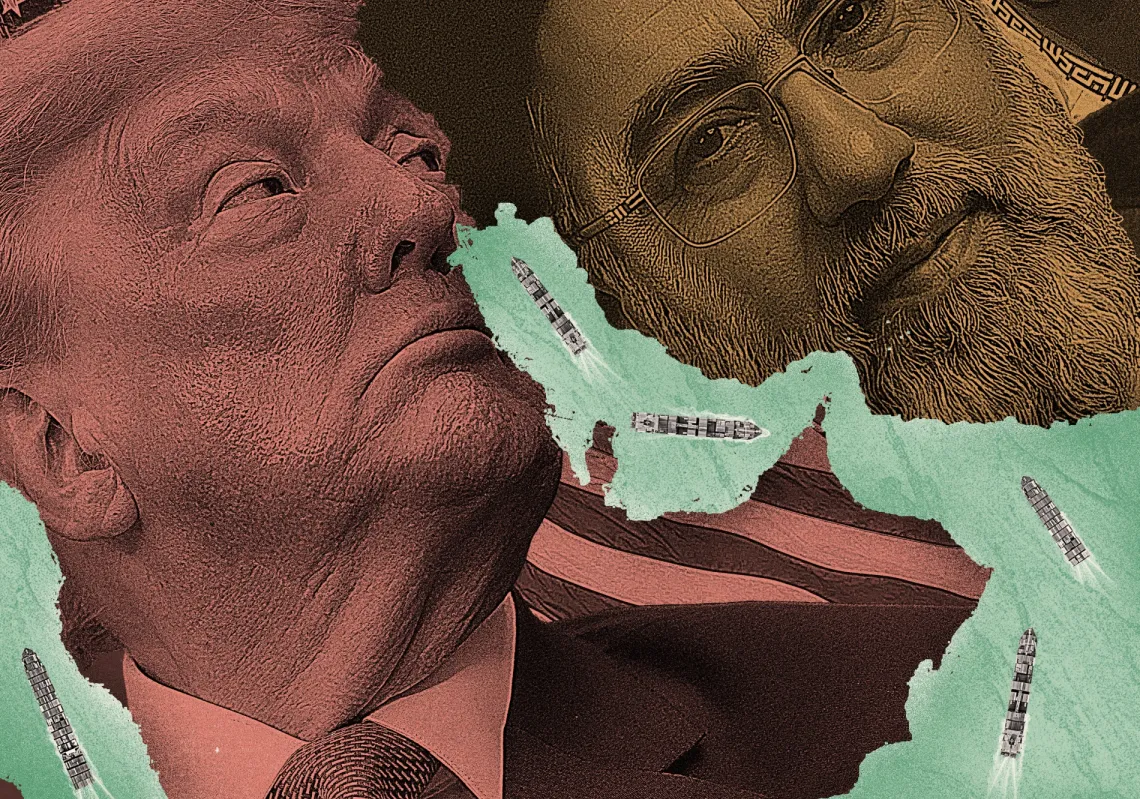
The conflict that began in February has spread far beyond direct US-Iranian exchanges. Washington is managing the Strait of Hormuz, security threats to Gulf allies, energy infrastructure, the delicate political situations in Iraq, Lebanon, the Red Sea and now a renewed Saudi-Houthi war. Trump himself said last week that he hoped the Iran war was approaching its end. The difficulty is finding an exit that does not risk another front opening somewhere else.
American military superiority is not in question here. That is given. The more salient question is how much military, economic and political capital Washington is prepared to invest in sustaining an increasingly expanded conflict.
Not unusual
There is nothing entirely new about Washington talking quietly to what it considers to be rogue actors. It has done so for decades. As Kai Bird recounts in The Good Spy, CIA officer Robert Ames established a secret channel to Yasser Arafat’s PLO through Ali Hassan Salameh as early as 1969 and 1970, even while Washington publicly kept its distance from an organisation it regarded as involved in terrorism. The relationship survived because both sides found it useful: the CIA gained intelligence and a means of communicating with the Palestinian leadership, while the PLO gained a channel into Washington.
More recently, as CIA director, William Burns became one of the central American participants in the Gaza ceasefire diplomacy conducted through Qatar and Egypt during the Biden administration. President Trump went further in 2025 when his hostage envoy, Adam Boehler, held direct meetings with Hamas officials despite the group being a US-designated terrorist organisation.