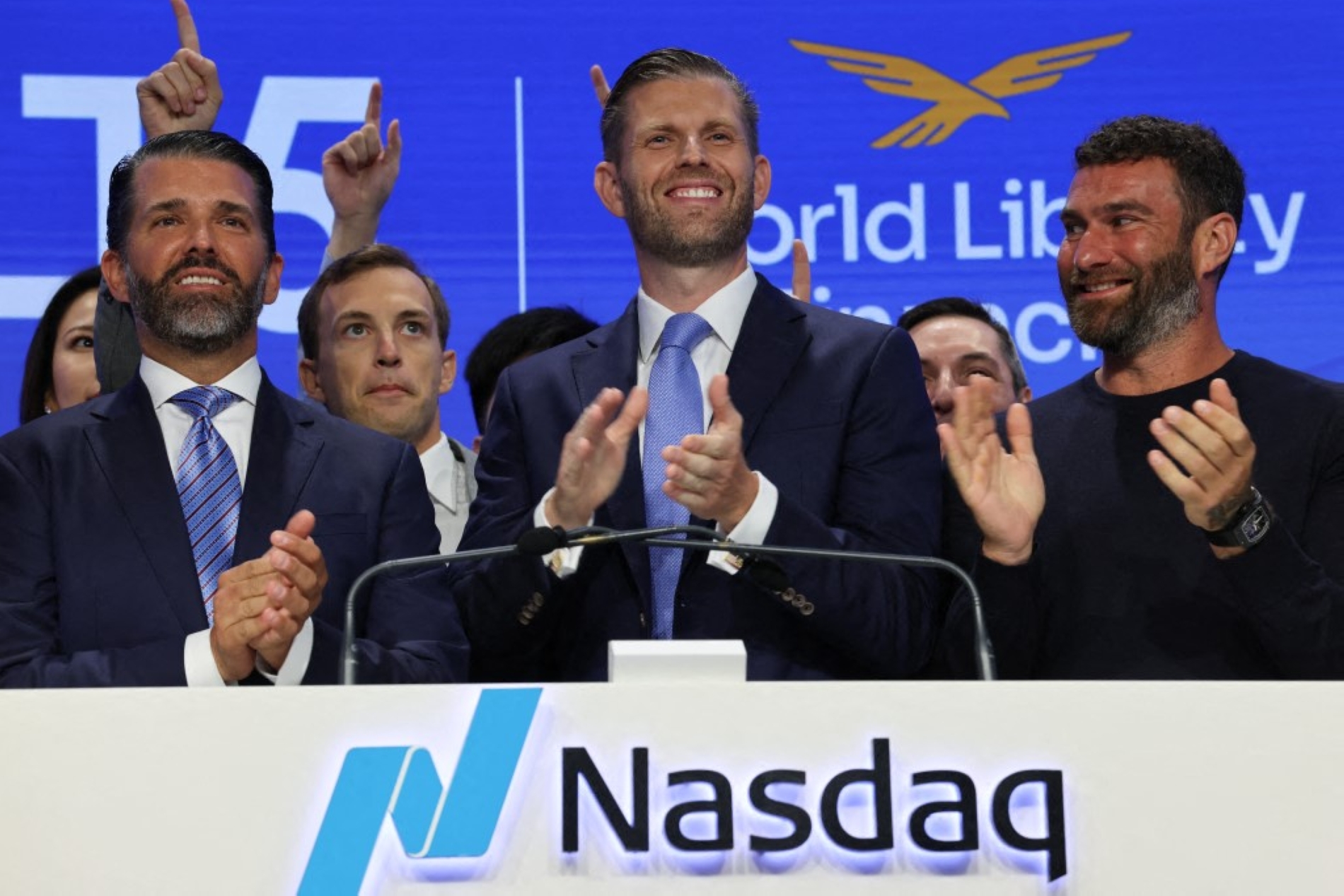

Since Donald Trump returned to the White House, applications for new bank charters have risen to levels not seen for years. In August, the Office of the Comptroller of the Currency (OCC) granted preliminary conditional approval to establish World Liberty Trust Company—an affiliate of World Liberty Financial, which is a financial venture associated with the Trump family.
The decision comes amid a larger surge in new bank applications. Jonathan Gould, the Comptroller of the Currency, said 40 applications had been submitted to the OCC over the previous 18 months, nearly matching the 48 received during the preceding 13 years.
Twenty-three of the 40 new bank-charter applications received by the OCC involve some form of digital-asset activity. Some are limited-purpose trust banks whose activities differ markedly from those of conventional commercial banks built around taking deposits and extending loans.
The regulatory landscape that emerged after the 2008 financial crisis created a cautionary environment for the launching of new banks, as it required higher amounts of capital and increased scrutiny of business plans, risk management, and compliance. Applications fell sharply and stayed that way for years. According to the OCC, between 2011 and 2014, it received fewer than four new applications a year on average. Weak demand for new bank charters persisted for more than a decade.
Last month, Gould declared that the US and the OCC were “open for business again”, signalling a greater willingness to consider new charter applications and business models that had been far less common in the years after the financial crisis. It asserts that a healthy financial system requires a robust pipeline of banks and, to this end, has loosened some of its regulatory burdens.
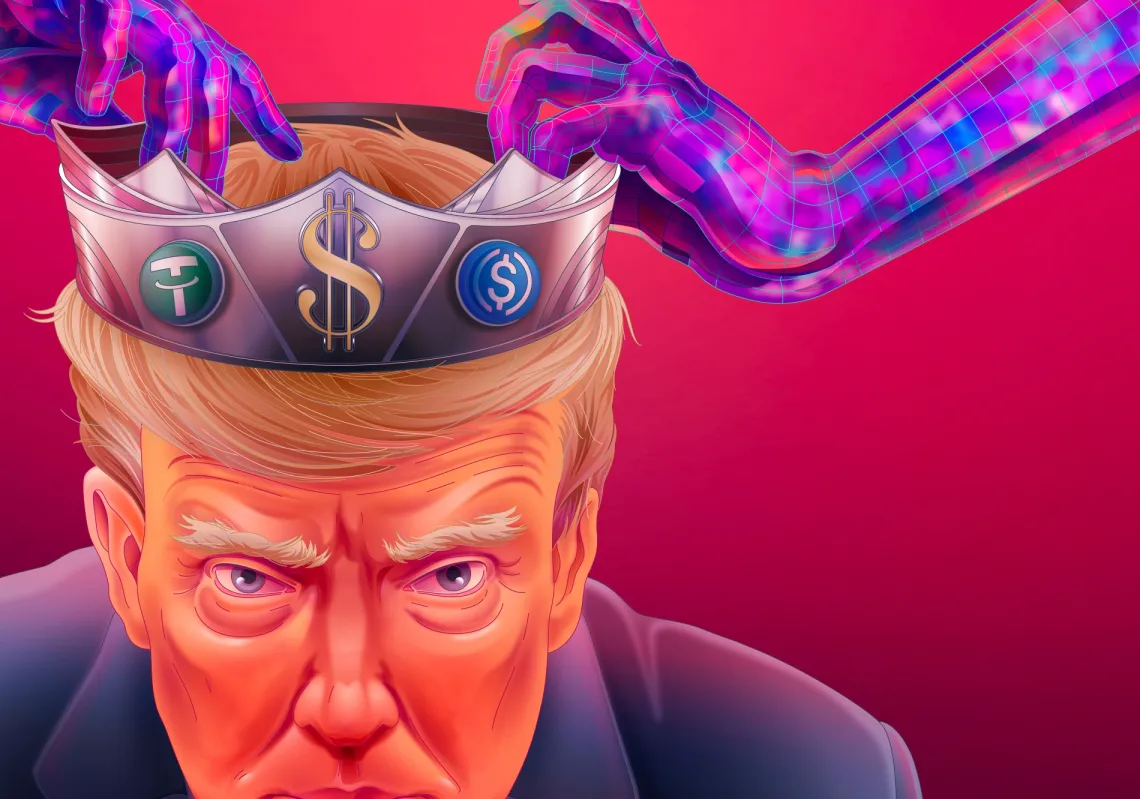
World Liberty Trust sits squarely within this changing landscape. It plans to issue the $1 stablecoin, manage the reserves that support it, and provide custody services for digital assets, rather than building its business primarily around deposits and lending as a traditional bank would. But perhaps more interestingly, World Liberty Trust is a subsidiary of World Liberty Financial, a decentralised finance (DeFi) and digital asset platform co-founded by President Donald Trump and his family, in which they hold a majority stake, along with Zach Witkoff, the son of the president's special envoy to the Middle East, Steve Witkoff.
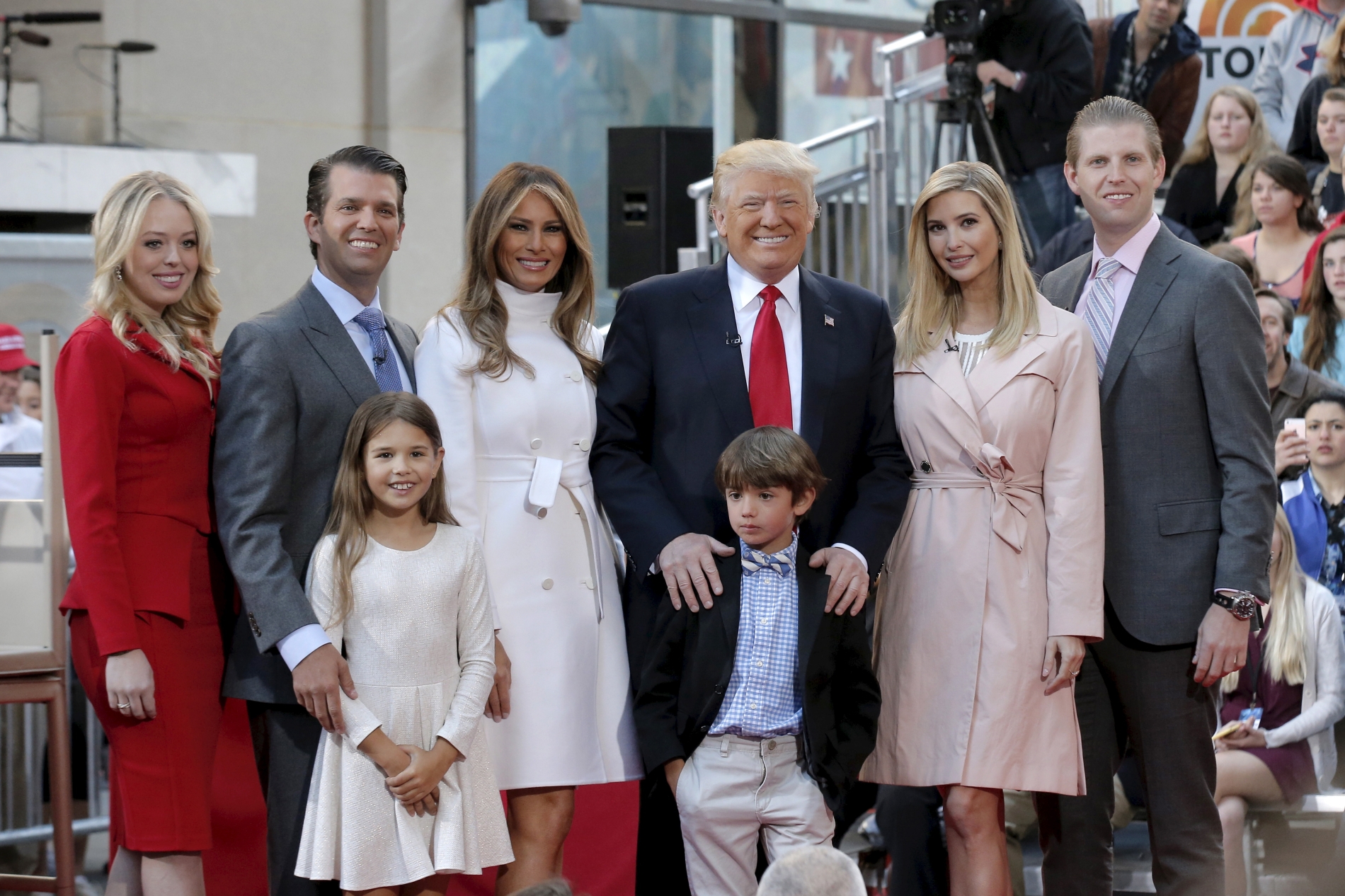
While the ownership structure does not, in itself, establish a conflict of interest in the chartering process, it does make the application more sensitive than a routine charter request, given the proximity of stakeholders to the current political leadership. OCC restrictions on these shareholders include commitments to limit their involvement in the bank's management.
More independence needed
Fintech and digital-asset companies have long relied on established banks and financial institutions for essential services such as payments, custody, and settlement. In some cases, that dependence has left them exposed to changes in the commercial policies of their banking partners, or to shifts in those institutions' ability to provide services as regulatory requirements and assessments of risk evolve.
A federal banking charter can give some of these companies greater control over the financial infrastructure within their own corporate groups. Depending on the charter's scope and the approved business model, it can also provide more direct access to custody, fiduciary, and certain payment services, reducing dependence on partner banks.
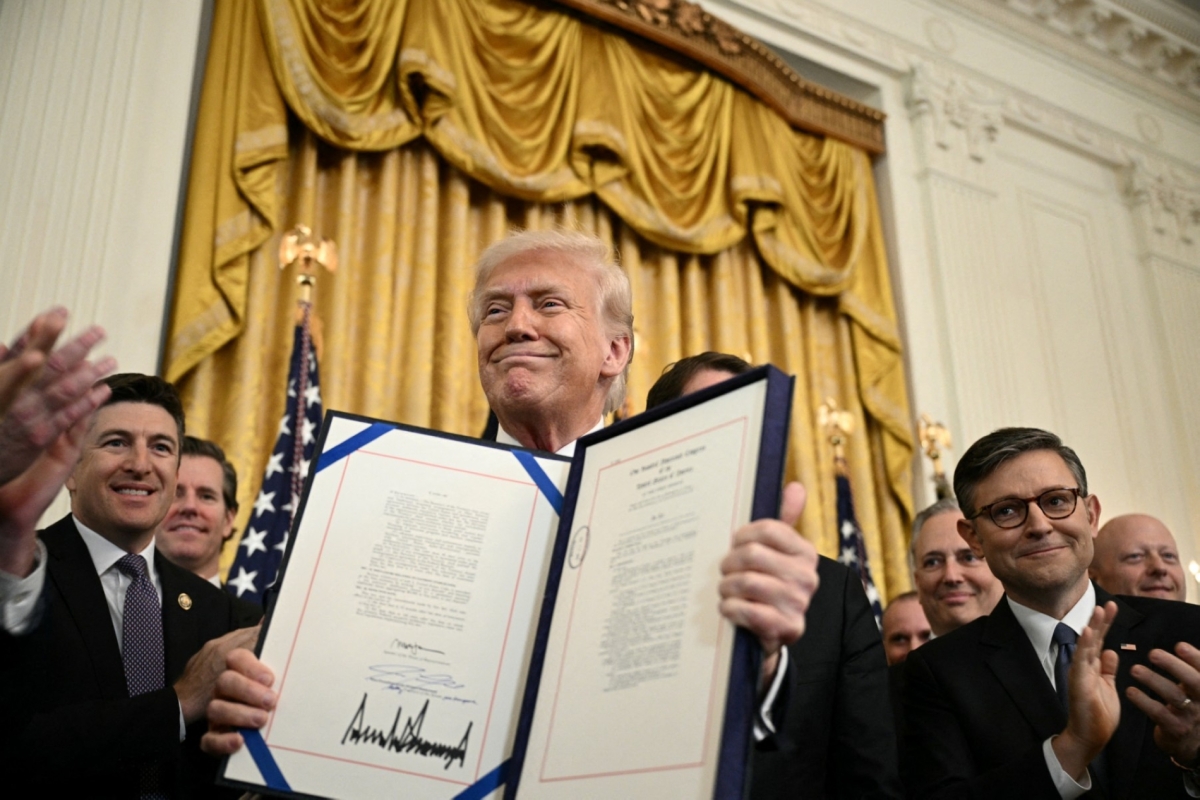
The Guiding and Establishing National Innovation for US Stablecoins Act, known as the GENIUS Act and signed into law by Trump on 18 July 2025, reshaped the federal framework governing payment stablecoins by setting rules for licensing, reserves, redemption, disclosure, and supervision of issuers.