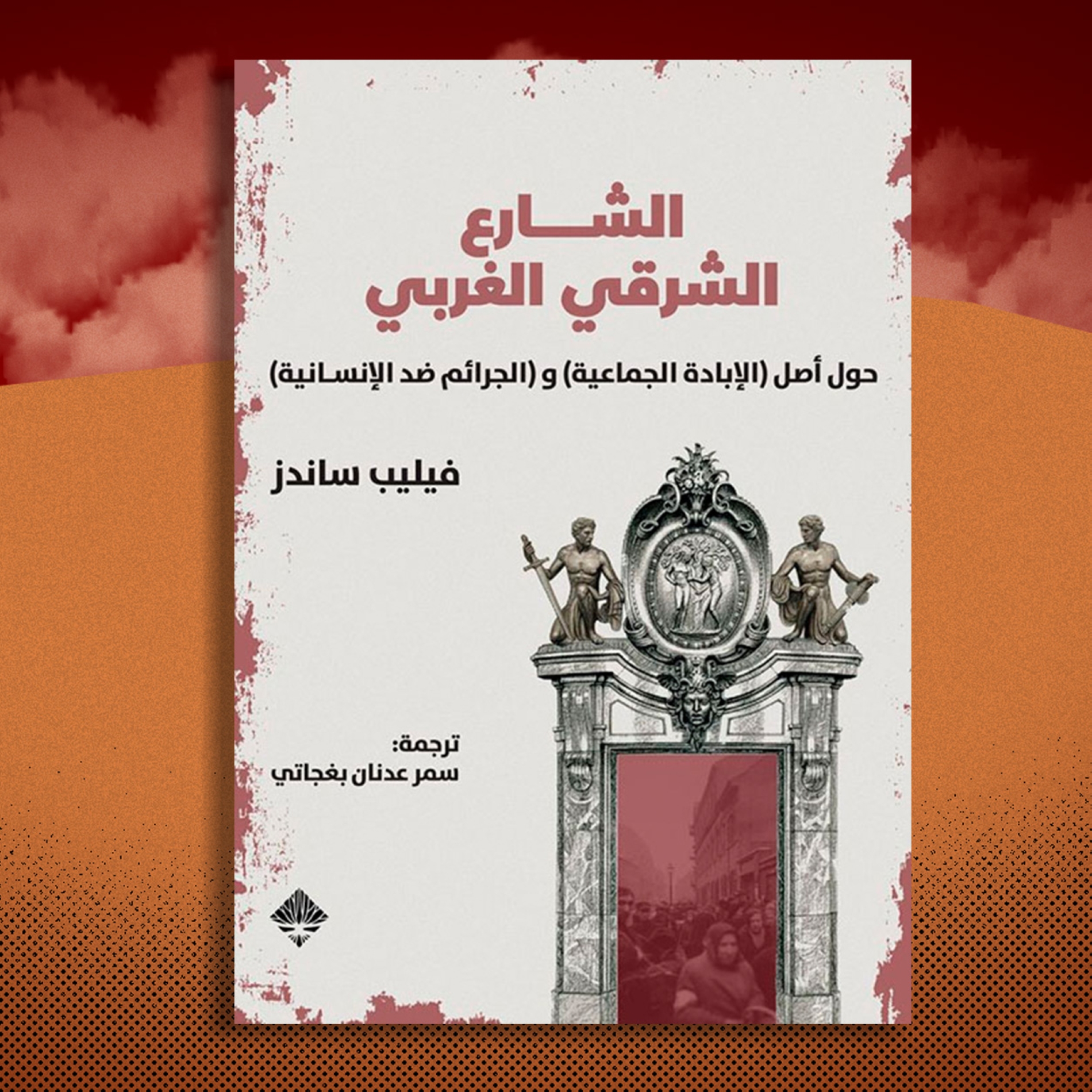
The third man in this story is Hans Frank, Hitler's lawyer and governor-general of the territories occupied by Nazi Germany in Poland. He was responsible for administering an area in which vast numbers of Jews and others were killed. The book thus draws together a compelling constellation of figures: an author searching for his family history, two lawyers seeking a legal response to the crimes Europe had witnessed, and a man at the heart of the regime that committed them. In 1945, these strands converged at Nuremberg, where Frank stood among the defendants, while Lemkin and Lauterpacht helped give the crimes their names, define them in legal terms, and bring their perpetrators to account.
What distinguishes the book is that, beyond recounting the history of the Holocaust or the Nuremberg trials, it approaches history through the stories of particular individuals, drawing on documents, archives, and family memories to intertwine public and personal history. It can be read simultaneously as a family history, a historical investigation, and an exploration of the emergence of modern international law.
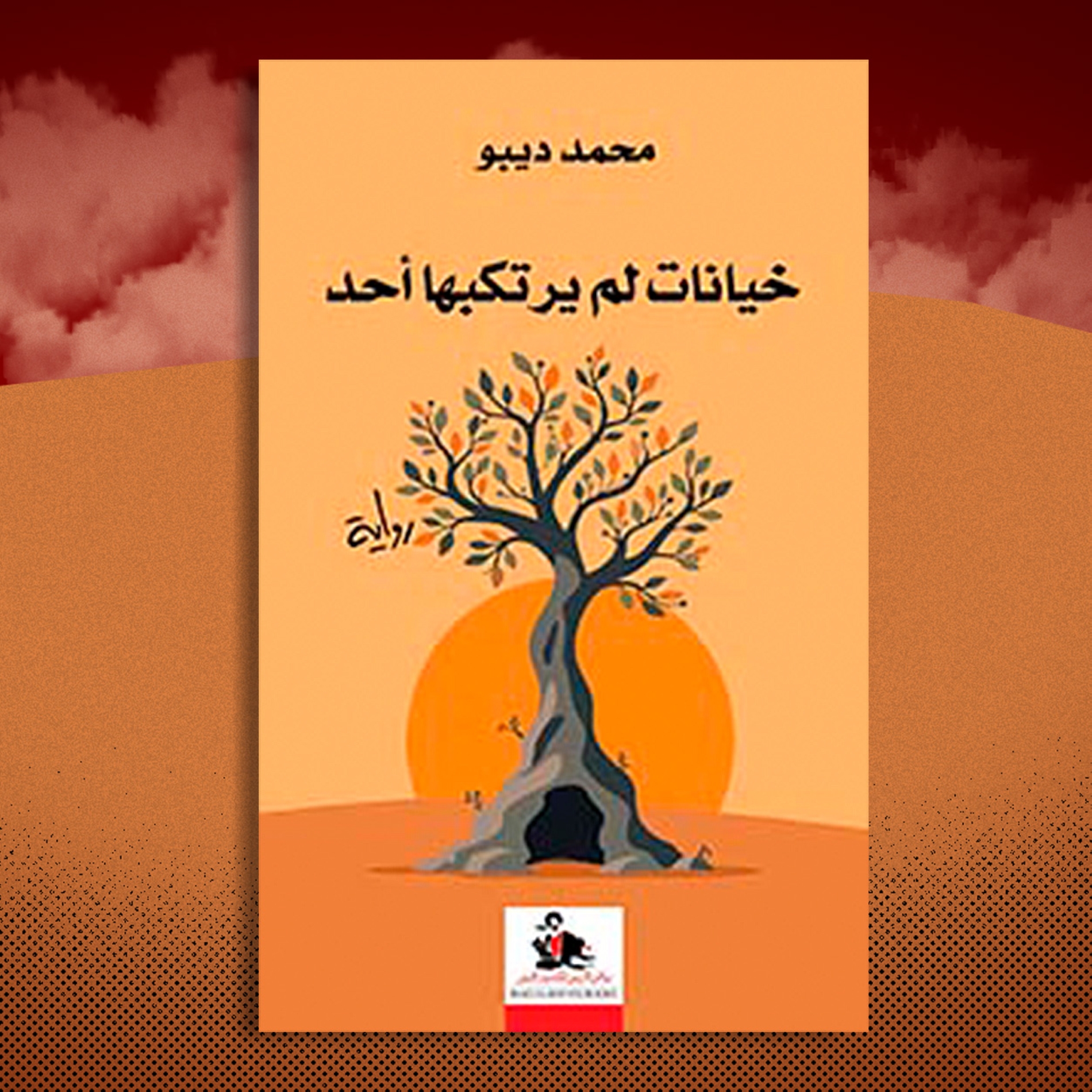
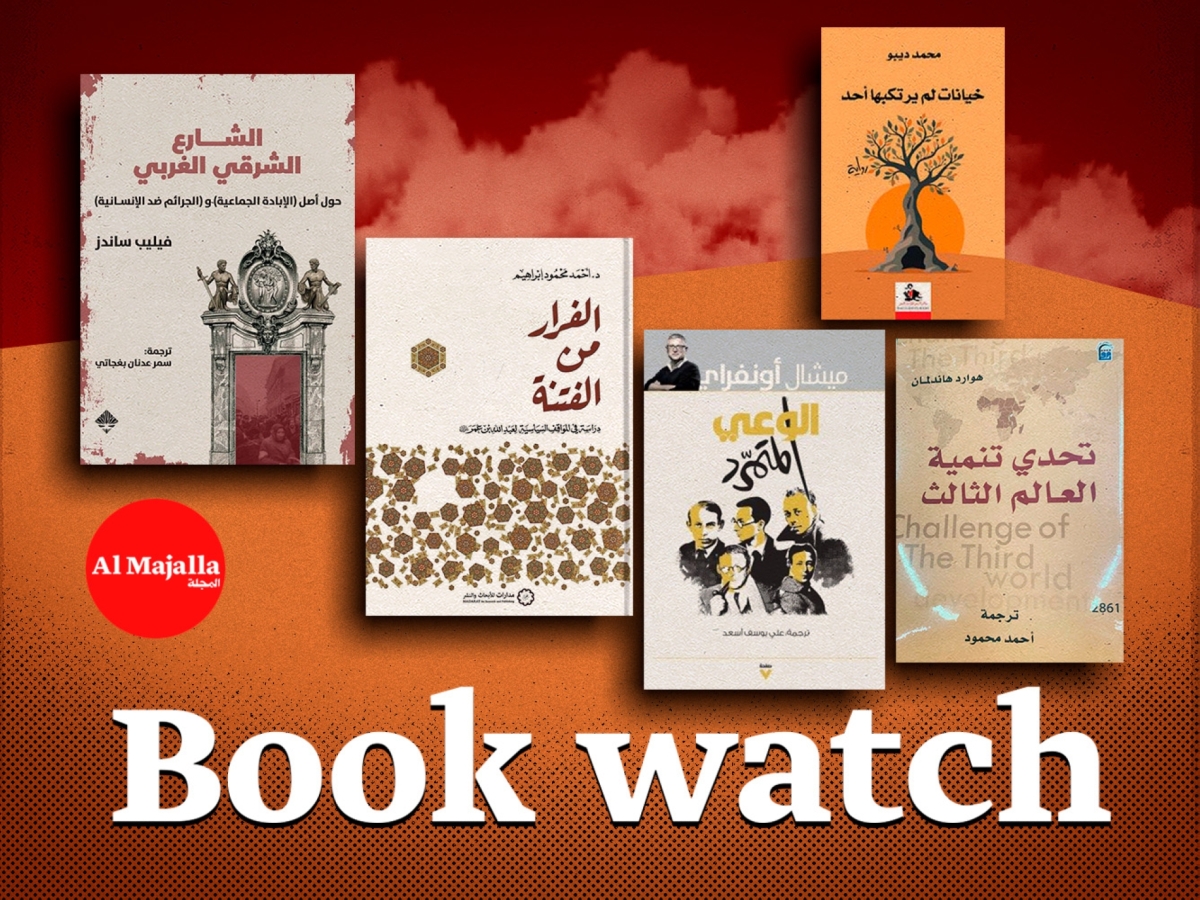
Betrayals No One Committed
By: Mohammad Dibo
Publisher: Riad El Rayyes Books and Publishing, Lebanon
Syrian writer Mohammad Dibo's novel explores betrayal as a complex human, political, and psychological experience. It traces the effects of power, fear, memory, and historical change on individuals, families, and communities.
The story begins with a shock that upends the life of Maryam, a doctor who supports the Assad regime: she learns that her brother Hamza has been killed. Her distress deepens when a security officer tells her that her brother was not the 'martyr' he was supposed to be, but a 'traitor' for whom no funeral prayer should be said. The revelation sends Maryam back into her family's history, where she begins unearthing layers of stories, attitudes, and events that had long been neglected or left unspoken.
From there, the novel expands into a long, sprawling narrative tracing Syrian social memory across three generations within the Alawite community on the Syrian coast. It reaches back to the grandfather, who fought against the French Mandate, then to the father, who joined the Baath Party and lived through the political and social transformations Syria experienced in the decades that followed.
It then reaches the grandchildren, who find themselves at the heart of the conflicts and divisions that followed the 2011 revolution. Across these generations, some family members support the regime, others oppose it, and others work within the security services. Politics ceases to be merely a public affair and becomes a force shaping family relationships, while political disagreement fractures ties between parents and children and between siblings.
The concept of 'betrayal' occupies a central place in the novel's narrative structure, but it is not presented as a clearly defined act that can be resolved by a definitive judgement. Here, betrayal is bound up with loss, disappointment, and misunderstanding, as well as the political and social circumstances that leave individuals facing harsh and limited choices. Memory plays an important role in understanding the present: the past continues to shape the characters, their relationships, and their positions.
There are no ready-made moral binaries here, no simple division between traitor and patriot, good and evil. Instead, there are contradictions, fears, and a desire to survive. Individuals find themselves under intense historical and political pressure, and the choices they make to protect themselves or their families become, in turn, sources of accusation, regret, and division.
Dibo adopts a realist style that combines fictional narrative with explorations of history, memory, oral testimony, and documentary material. His taut prose matches the psychological and social tension that defines his characters. In this sense, Betrayals No One Committed is a novel about silent losses and wounds shaped not by individuals alone, but by the interaction of political and social circumstances with personal memory.
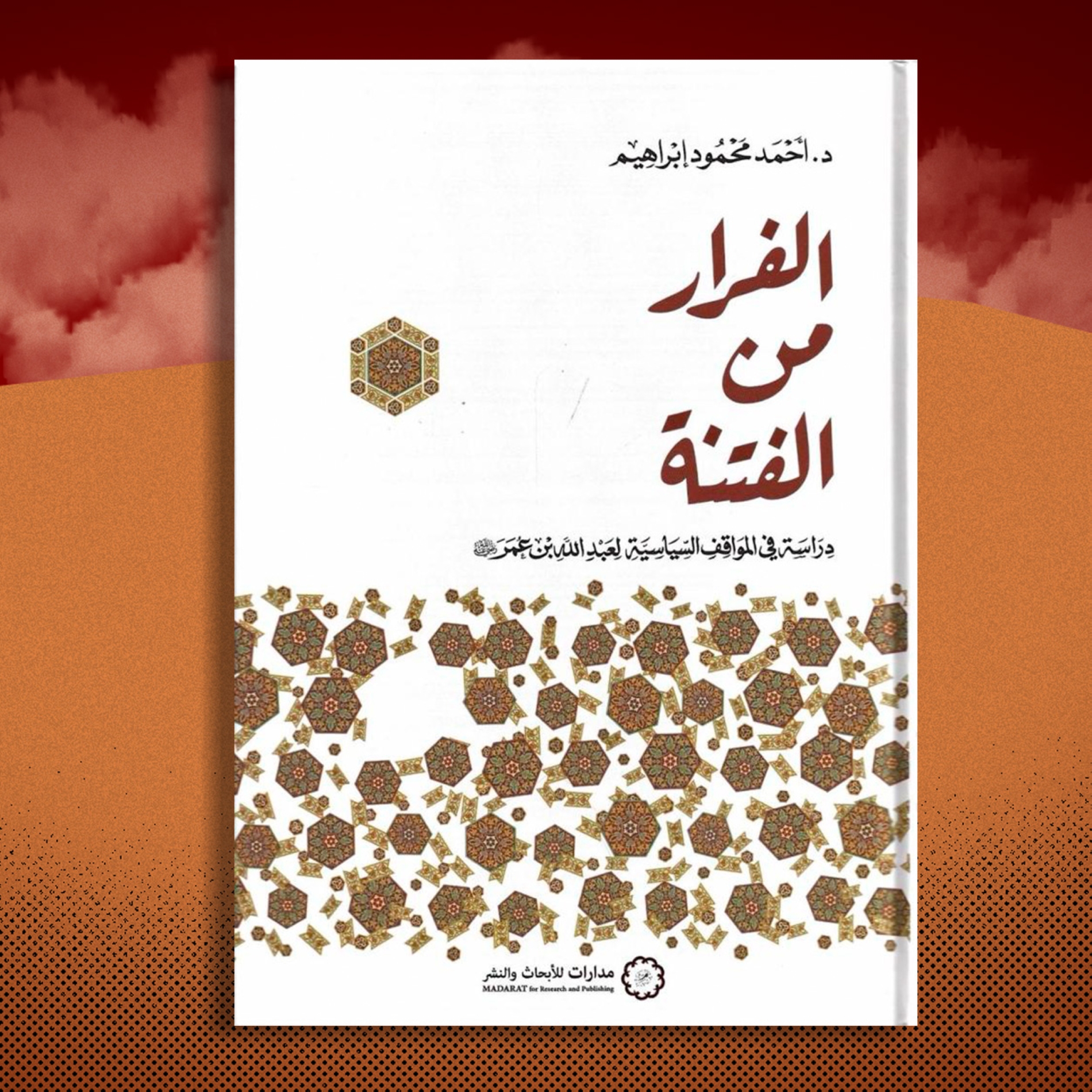
Fleeing from Fitna: A Study of the Political Positions of Abd Allah ibn Umar
By: Ahmad Mahmoud Ibrahim
Publisher: Madarat for Research and Publishing, Egypt
In Fleeing from Fitna: A Study of the Political Positions of Abd Allah ibn Umar, Egyptian historian Ahmad Mahmoud Ibrahim examines one of the most intriguing positions in early Islamic political history through the figure of the Companion Abd Allah ibn Umar.
Ibn Umar witnessed many of the political transformations of Islam's first century, from the state established by the Prophet and the Rashidun Caliphate to the struggle over the caliphate following the killing of Uthman ibn Affan, the conflict between Ali ibn Abi Talib and Muawiya ibn Abi Sufyan, and ultimately the consolidation of Umayyad rule.
As the book portrays him, Abd Allah ibn Umar stood at the heart of these major transformations, yet at decisive moments chose to distance himself from armed conflict rather than take up arms on behalf of any side. His position amounted neither to unconditional loyalty to those in power nor to participation in fighting their opponents. Rather, it was a form of political withdrawal grounded in the avoidance of civil strife, the prevention of bloodshed, and the preservation of the community's unity.
Ibrahim seeks to place this position within its historical context, examining the reasons behind Ibn Umar's choices. He argues that it was not an isolated individual stance, but part of a broader intellectual and political current that favoured obedience to the ruler and the avoidance of rebellion when the alternative was bloodshed and division, prioritising the preservation of the community and its unity.
The book examines Ibn Umar's positions at several pivotal moments, beginning with the events leading up to Uthman's killing, moving through the First Fitna and the conflict between Ali and Muawiya, and then considering his attitude towards Umayyad rule and the political turmoil that followed. Across these stages, the author seeks to identify a consistent logic behind Ibn Umar's stance and to show how he dealt with an authority whose choices he did not necessarily share, while believing that confronting it by force could have even more dangerous consequences for the community.
The book, however, moves into more complex territory than simply portraying Ibn Umar as an opponent of fitna. It traces shifts in his position toward the end of his life, after he repeatedly witnessed the consequences of the conflicts he had sought to avoid and faced a political reality markedly different from that of the fitna's early years. In this sense, Ibrahim's book offers both a study of this Companion and an examination of a formative period in Islamic political history.
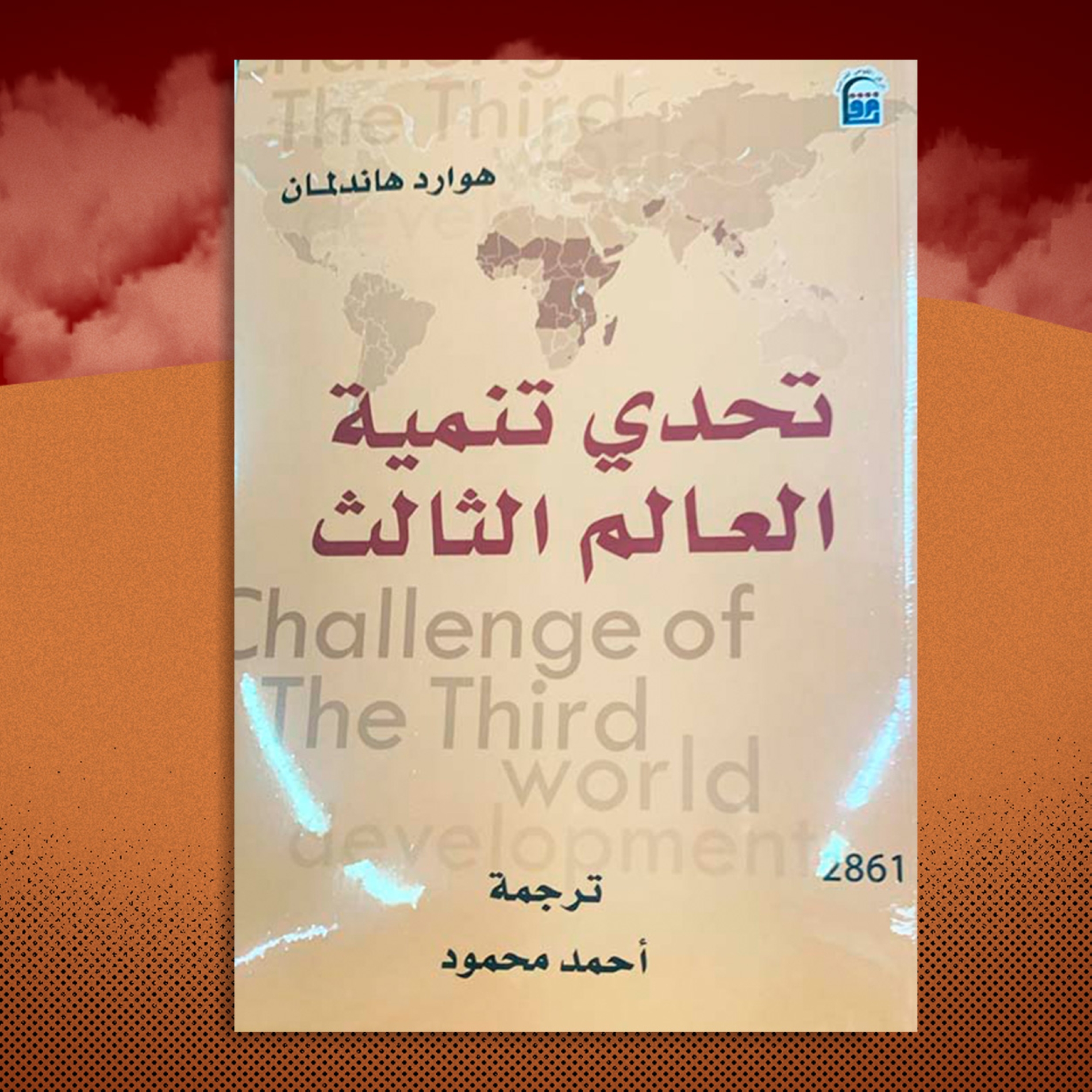
The Challenge of Third World Development
By: Howard Handelman
Translated by: Ahmed Mahmoud
Publisher: National Centre for Translation, Egypt
Howard Handelman does not place the 'Third World' in a single geographical category or treat it as a homogeneous bloc. In The Challenge of Third World Development, he moves across Asia, Africa, Latin America, and the Middle East, tracing distinct experiences and trajectories and comparing societies that have pursued contrasting political and economic choices. Through these comparisons, he shows how politics and economics intersect, and how social and historical factors can push one country in one direction and another in a different direction.
What does development mean when discussing countries that have emerged from colonialism, or those still attempting to catch up with more stable economies? Why have some societies achieved economic and political development while others remain trapped in poverty, inequality, and political conflict, with little progress?
The book argues that development cannot be reduced to rising incomes or increased production. In Handelman's view, economic change is closely tied to how the state functions, the nature of the political system, social relations, and the conflicts that can emerge within society over power and resources. The book therefore addresses democratic transition, poverty, ethnic conflict, and the changing roles of women, alongside environmental issues and global warming. All are connected to the question of development and can no longer be treated as separate from it, as they might have been in earlier periods.
The author draws on a range of political experiences to explore these questions. China and Cuba offer examples of revolutionary systems that followed distinct paths in building the state and society, while countries such as Brazil and Indonesia provide a basis for examining the military's role and its relationship to politics and development. Handelman does not present these cases as ready-made formulas for success. Instead, he uses them as points of comparison to understand the consequences of different choices.
It takes the reader through a wide range of experiences without offering a single explanation for success or failure. Instead, the reader encounters a complex web of factors that shape the trajectories countries follow. In this sense, Handelman underlines that development is as much a political and social question as it is an economic one.