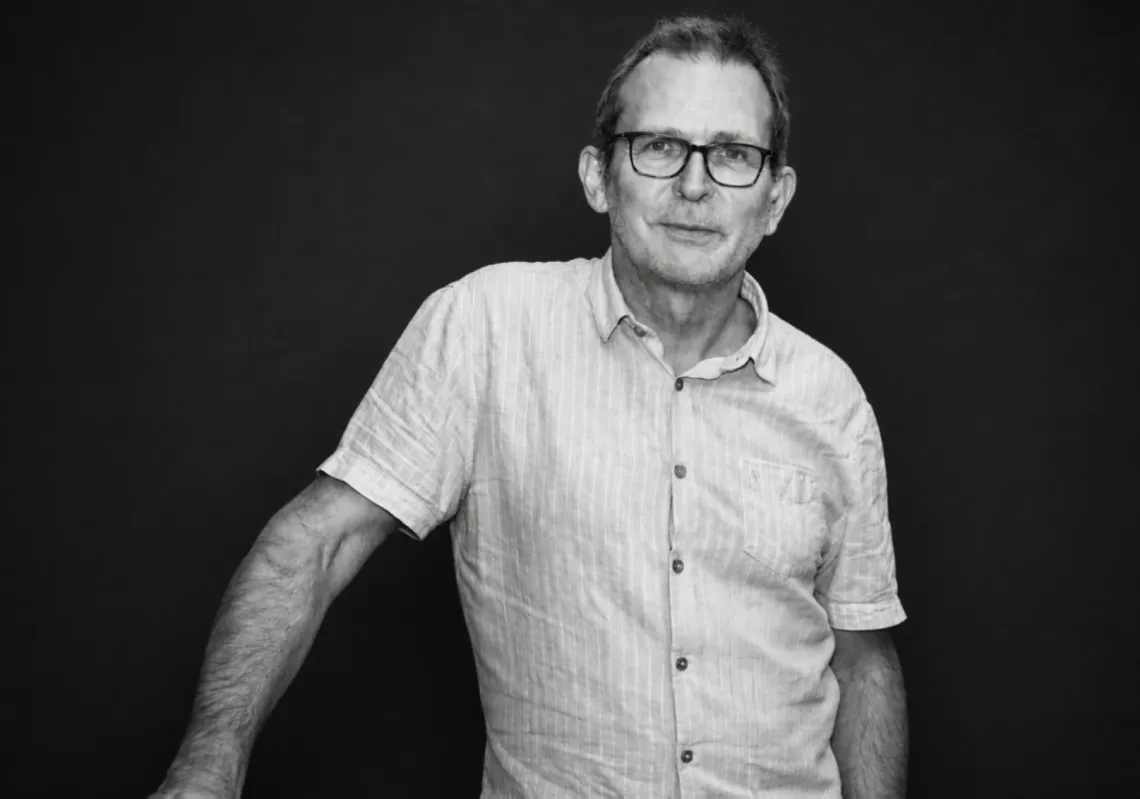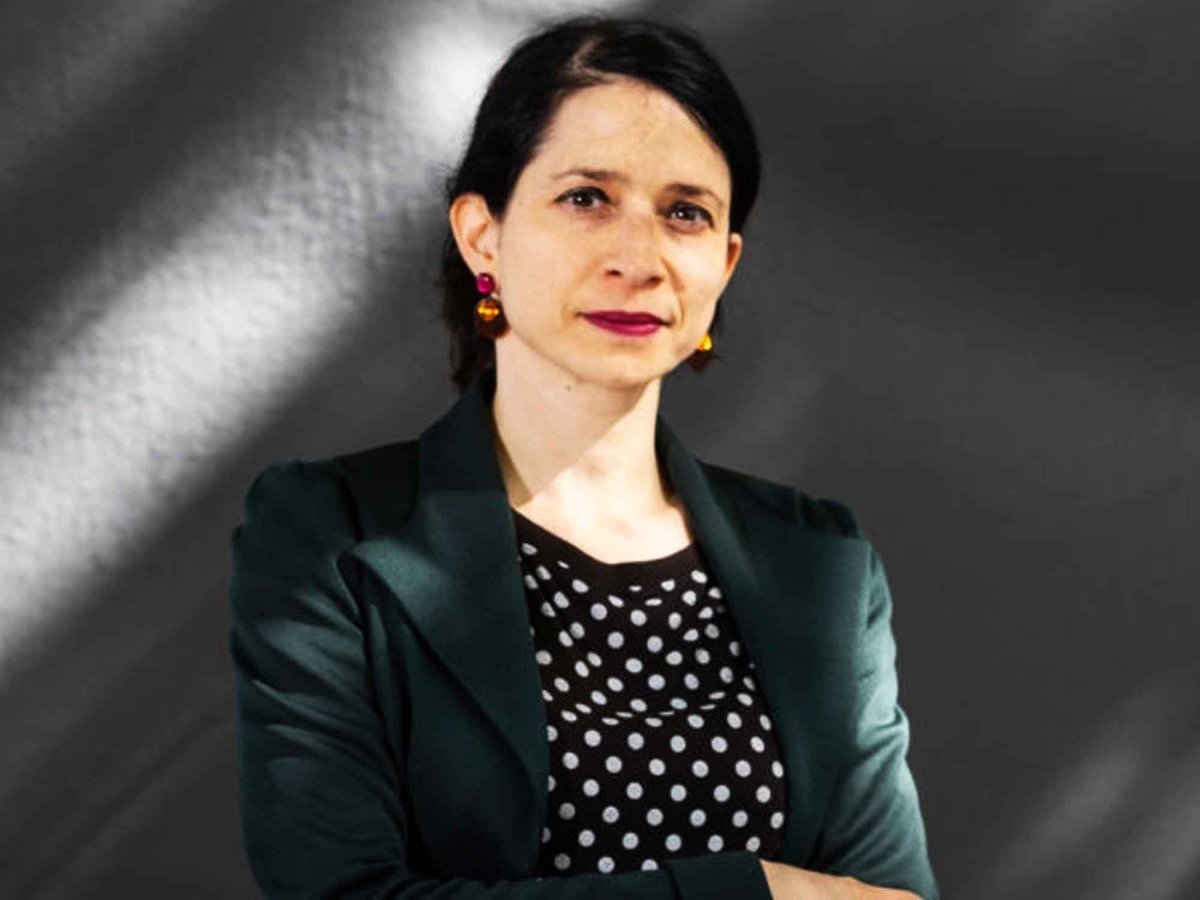

Chloe Aridjis is a Mexican-British novelist and writer, born in New York in 1971 and raised between the Netherlands and Mexico City. She is the eldest daughter of Mexican poet and diplomat Homero Aridjis and American environmental activist and translator Betty Werber. She studied comparative literature at Harvard University before pursuing graduate studies and earning her doctorate from Oxford University. Her dissertation focused on 19th-century French poetry and magic shows, an academic interest that later resurfaced in her most recent novel, The Shadow of the Object which was longlisted for the 2026 Booker Prize.
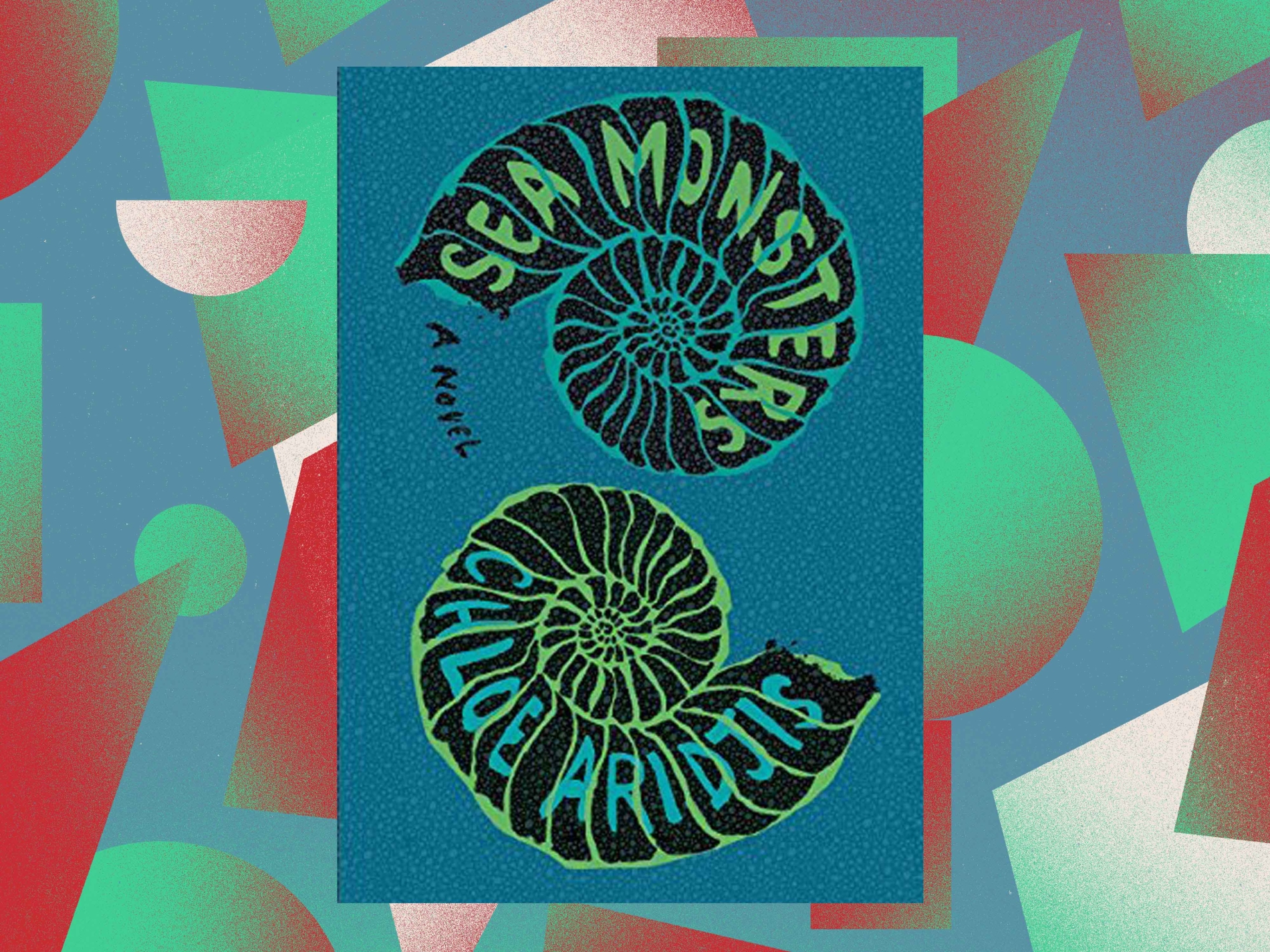
Aridjis lived in Berlin for about five years, the city she chose as the setting for her debut novel, The Book of Clouds, published in 2009, which won the Prix de France for Best Foreign First Novel. Her second novel, Asunder, was published in 2013, and her third, Sea Monsters, published in 2019, won the 2020 Penn Faulkner Award for Fiction.
In addition to her fiction, Aridjis has written for numerous arts magazines and is a founding member of the Writers Rebel movement, which focuses on climate and biodiversity issues. Al Majalla recently interviewed her. Here is the conversation.
The Shadow of the Object opens with a violent and sudden incident: Flora is attacked by the family dog in Mexico City. But this physical wound becomes an entry point into a world of memory, imagination, and reflection. Why did you choose to begin the narrative with the moment physical security collapses?
I experienced a dog bite about a decade ago, and it was such an intense event that I knew I would write about it someday. The dog saw something that was there (my hand) but misinterpreted it. Another form of illusion. I felt it had to be the opening scene, a moment of extreme disorientation that throws everything off course and changes Flora’s life.
The hospital in the novel is not just a place of treatment, but a space where everyday time pauses and the characters become more attuned to themselves and to others. What draws you to these transitional spaces where people exist between two states?
I have always been drawn to this sort of space, from Mann’s The Magic Mountain to Thomas Bernhard’s Wittgenstein’s Nephew: a strange limbo where you might forge unusual connections with other patients and reflect on your own life from the outside. Detached from everyday rhythms and preoccupations, detached from the words and titles that define us, everything intensifies, and everyone stands on an equal footing.
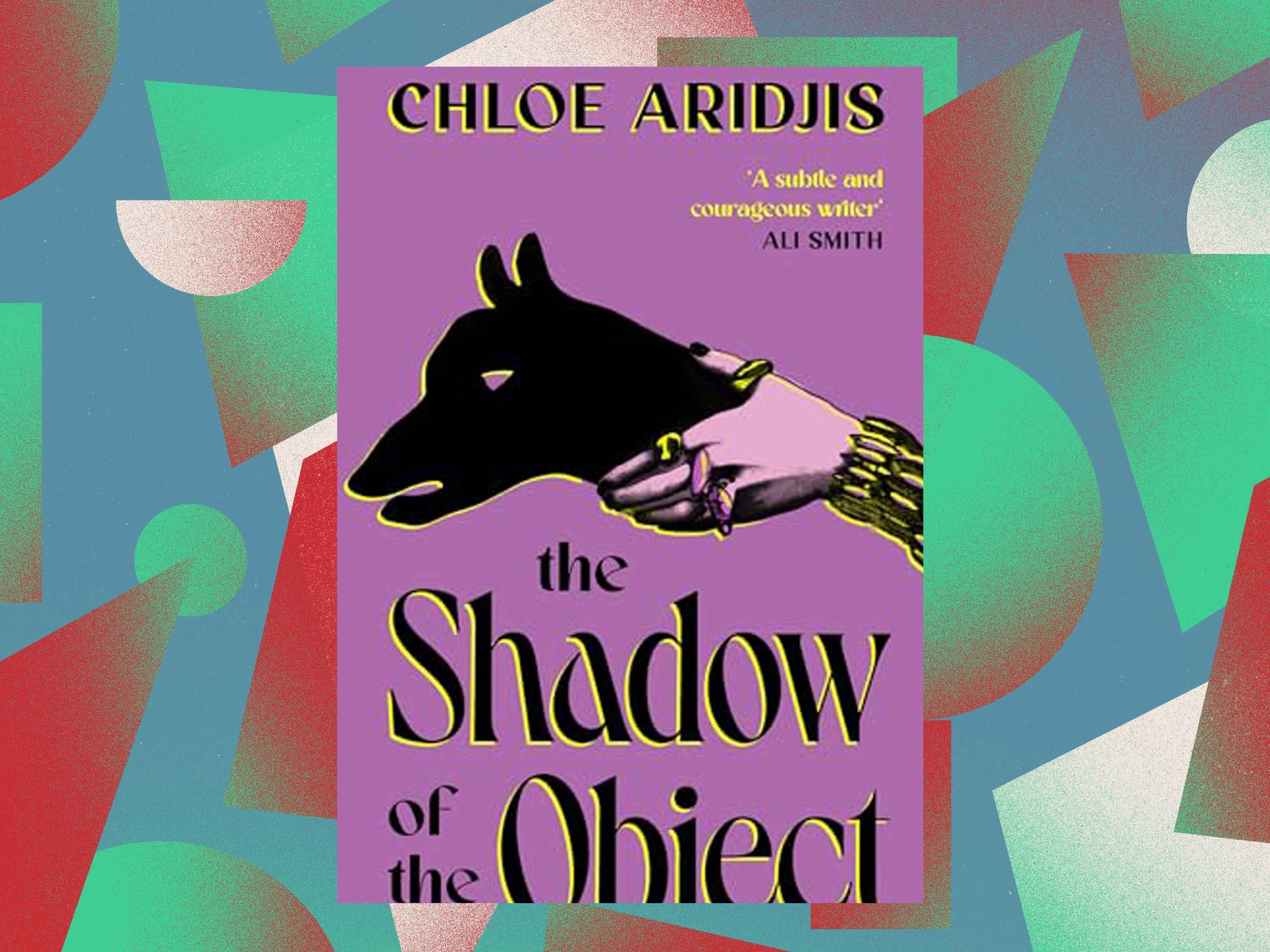
Objects in this novel are not portrayed as simple possessions, but rather as if they carry the traces of the people who owned them and continue to tell their stories after their passing. What interests you about the relationship between objects and memory? And can a silent object preserve what language cannot?
I think of objects as carriers of a history, of a psychodynamics, as dramas in themselves. They are instruments of contemplation. In my novel, the magic lantern represents something different for each character: for Wilhelmina, it is a vanished world of collecting; for her son Max, it is an unwelcome intrusion in the domestic space; and for Flora, the lantern embodies the projection of fantasies. Objects and images write the story rather than any spoken language.
Wilhelmina gives her world of pre-cinematic devices, such as the magic lantern, a special place in the novel. Did you see these ancient machines as simply historical artefacts, or as a metaphor for how memory itself works: images that appear, disappear, and return through time?
Yes, the magic lantern and its optical cousins serve as wonderful metaphors for how memory operates, as well as for psychological projection and the return of the repressed. Freud’s topography of the mind enabled us to visualise mental processes and imagine the mental world's spatiality. Given how the magic lantern works, projecting old images onto a wall, it seems the perfect embodiment of all this. The German Romantics called it an “inner eye.”