Chloe Aridjis on why fantasy is so important in her writing

Al Majalla interviews the Mexican-British writer whose latest novel, 'The Shadow of the Thing', was longlisted for the 2026 Booker Prize

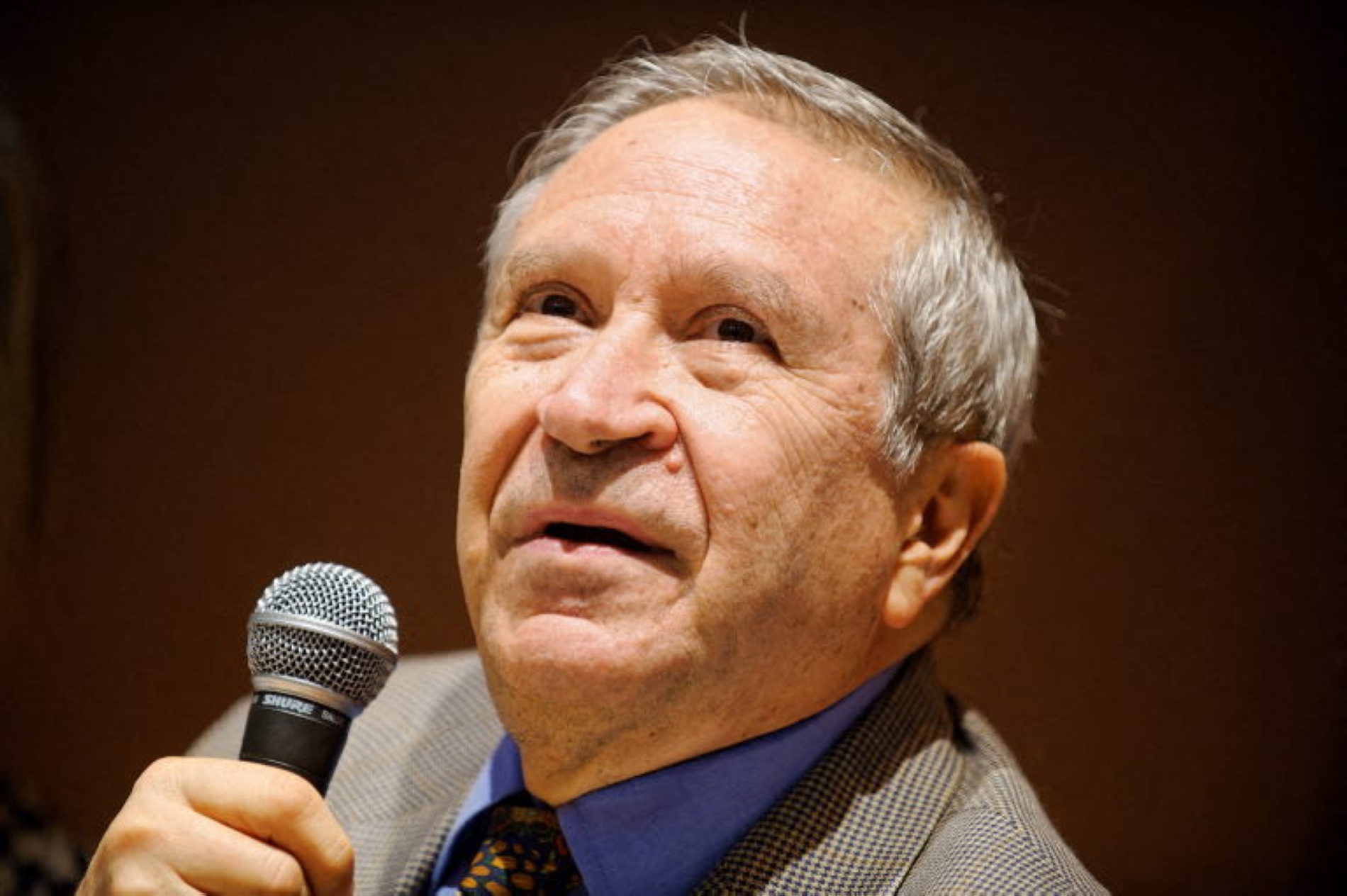
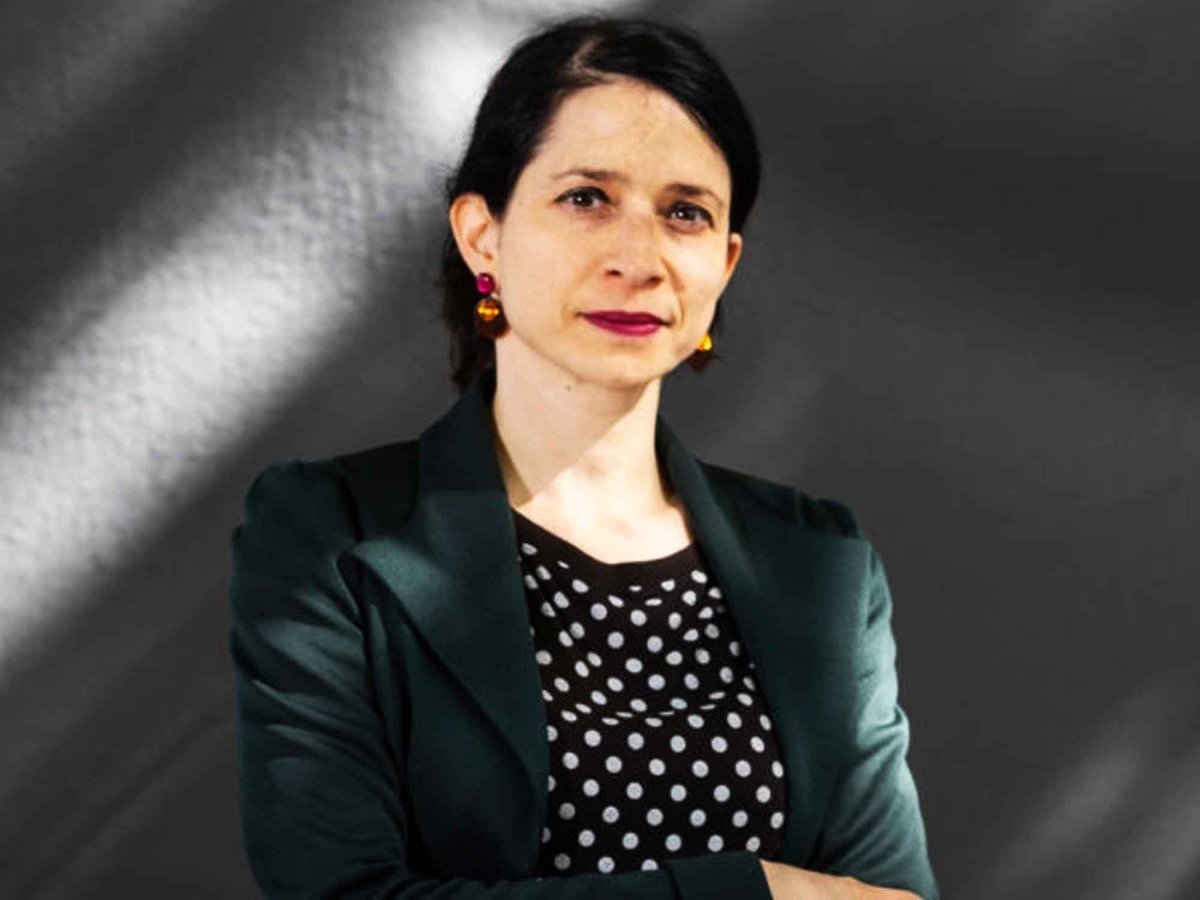
Chloe Aridjis at the Edinburgh International Book Festival, Scotland, on 16 August 2019.
Simone Padovani/Awakening/Getty Images
Chloe Aridjis at the Edinburgh International Book Festival, Scotland, on 16 August 2019.

Chloe Aridjis on why fantasy is so important in her writing

Chloe Aridjis is a Mexican-British novelist and writer, born in New York in 1971 and raised between the Netherlands and Mexico City. She is the eldest daughter of Mexican poet and diplomat Homero Aridjis and American environmental activist and translator Betty Werber. She studied comparative literature at Harvard University before pursuing graduate studies and earning her doctorate from Oxford University. Her dissertation focused on 19th-century French poetry and magic shows, an academic interest that later resurfaced in her most recent novel, The Shadow of the Thing, which was longlisted for the 2026 Booker Prize.

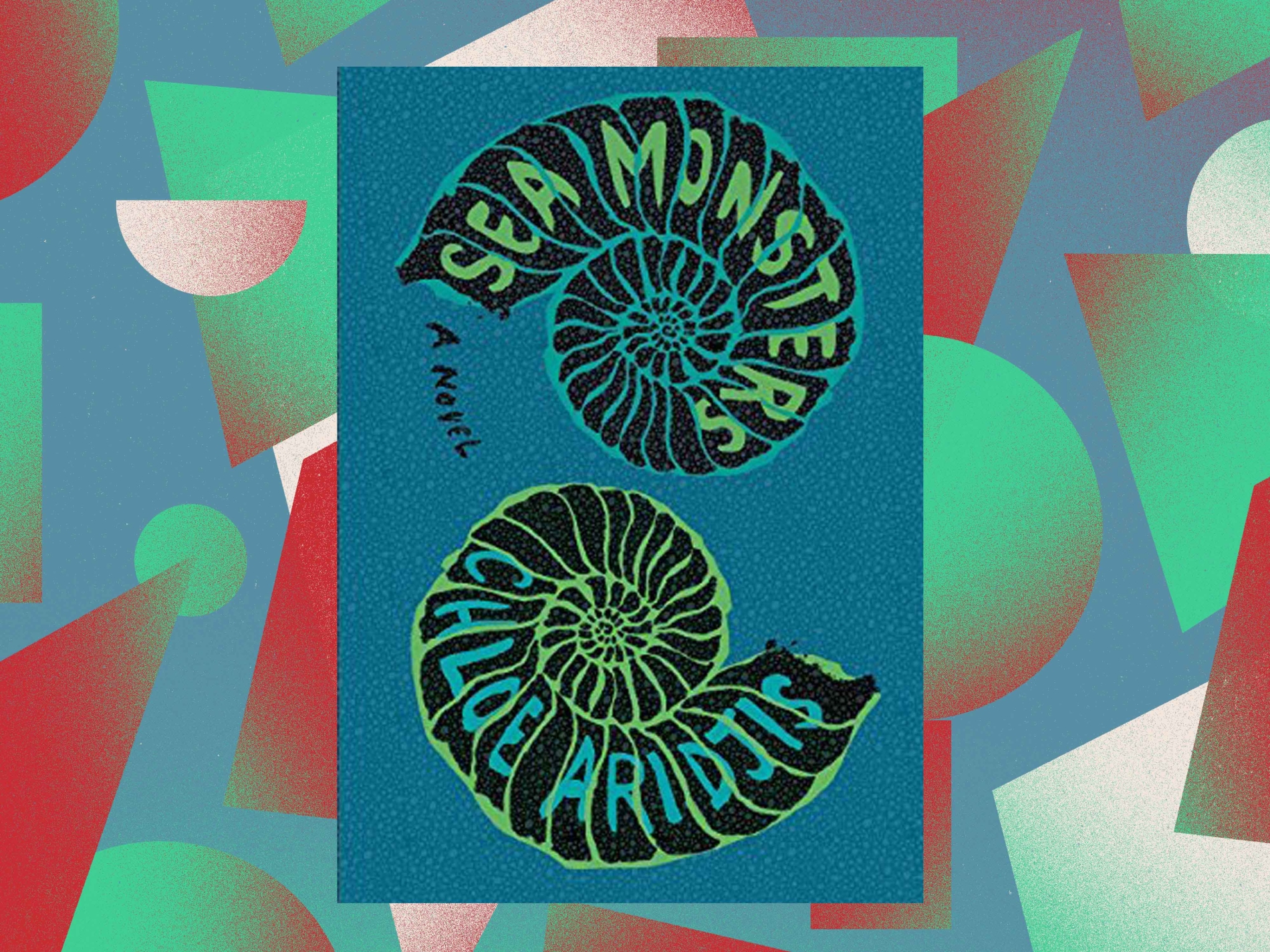
Aridjis lived in Berlin for about five years, the city she chose as the setting for her debut novel, The Book of Clouds, published in 2009, which won the Prix de France for Best Foreign First Novel. Her second novel, The Divergent Ones, was published in 2013, and her third, Sea Monsters, published in 2019, won the 2020 Penn Faulkner Award for Fiction.

In addition to her fiction, Aridjis has written for numerous arts magazines and is a founding member of the Writers Rebel movement, which focuses on climate and biodiversity issues. Al Majalla recently interviewed her. Here is the conversation.


The Shadow of the Object opens with a violent and sudden incident: Flora is attacked by the family dog ​​in Mexico City. But this physical wound becomes an entry point into a world of memory, imagination, and reflection. Why did you choose to begin the narrative with the moment physical security collapses?

I experienced a dog bite about a decade ago, and it was such an intense event that I knew I would write about it someday. The dog saw something that was there (my hand) but misinterpreted it. Another form of illusion. I felt it had to be the opening scene, a moment of extreme disorientation that throws everything off course and changes Flora’s life.

The hospital in the novel is not just a place of treatment, but a space where everyday time pauses and the characters become more attuned to themselves and to others. What draws you to these transitional spaces where people exist between two states?

I have always been drawn to this sort of space, from Mann’s The Magic Mountain to Thomas Bernhard’s Wittgenstein’s Nephew: a strange limbo where you might forge unusual connections with other patients and reflect on your own life from the outside. Detached from everyday rhythms and preoccupations, detached from the words and titles that define us, everything intensifies, and everyone stands on an equal footing.
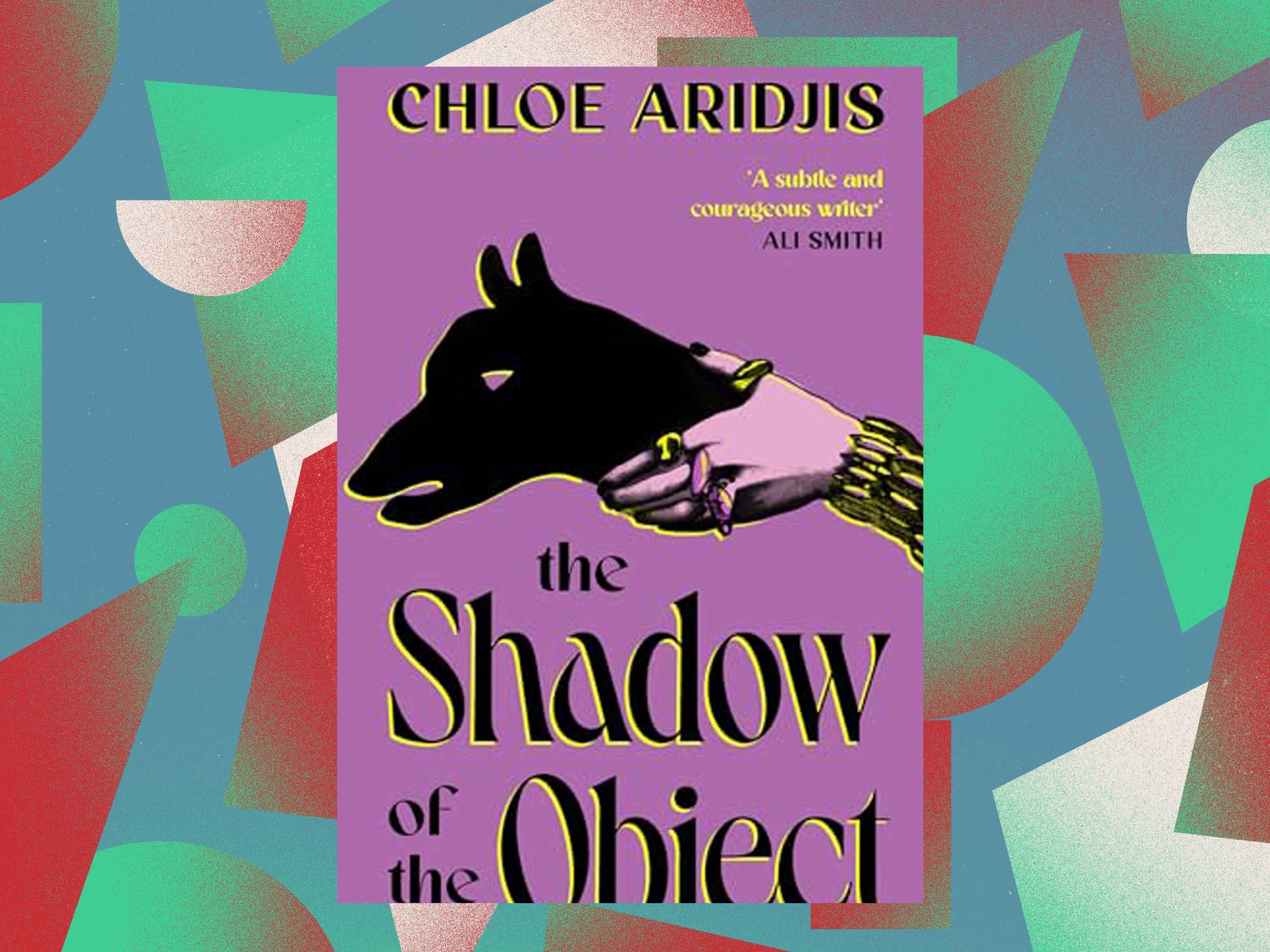
Objects in this novel are not portrayed as simple possessions, but rather as if they carry the traces of the people who owned them and continue to tell their stories after their passing. What interests you about the relationship between objects and memory? And can a silent object preserve what language cannot?

I think of objects as carriers of a history, of a psychodynamics, as dramas in themselves. They are instruments of contemplation. In my novel, the magic lantern represents something different for each character: for Wilhelmina, it is a vanished world of collecting; for her son Max, it is an unwelcome intrusion in the domestic space; and for Flora, the lantern embodies the projection of fantasies. Objects and images write the story rather than any spoken language.

Wilhelmina gives her world of pre-cinematic devices, such as the magic lantern, a special place in the novel. Did you see these ancient machines as simply historical artefacts, or as a metaphor for how memory itself works: images that appear, disappear, and return through time?

Yes, the magic lantern and its optical cousins serve as wonderful metaphors for how memory operates, as well as for psychological projection and the return of the repressed. Freud’s topography of the mind enabled us to visualise mental processes and imagine the mental world's spatiality. Given how the magic lantern works, projecting old images onto a wall, it seems the perfect embodiment of all this. The German Romantics called it an “inner eye.”
Writers have often helped express the collective anxieties of the time, and there has never been such existential urgency as there is now

Mexican-British novelist Chloe Aridjis

Your novels often move between the tangible world and the realm of imagination, where the unusual emerges from everyday life. How do you decide when reality needs to open a door toward the fantastic, and what can fantasy reveal that realism alone cannot?

I like to trace how something that grips a character's imagination slowly acquires substance in the material world. In The Shadow of the Object, Flora starts off as agnostic—she refuses to believe in fantasies—but her agnosticism keeps being tested in subtle ways. Fantasy enables us to envision impossible scenarios, leading us to engage with hypothetical worlds and question accepted views.

It has tremendous allegorical power and has often been used for social and political critique, brilliantly done by writers like Mikhail Bulgakov and Jonathan Swift. In my own work, fantasy—or rather suggestions of it without things ever turning truly fantastical—is a reminder of all the strangeness and ambiguity within daily life, and how important it is to never lose sight of that mystery.

TIMOTHY A. CLARY / AFP
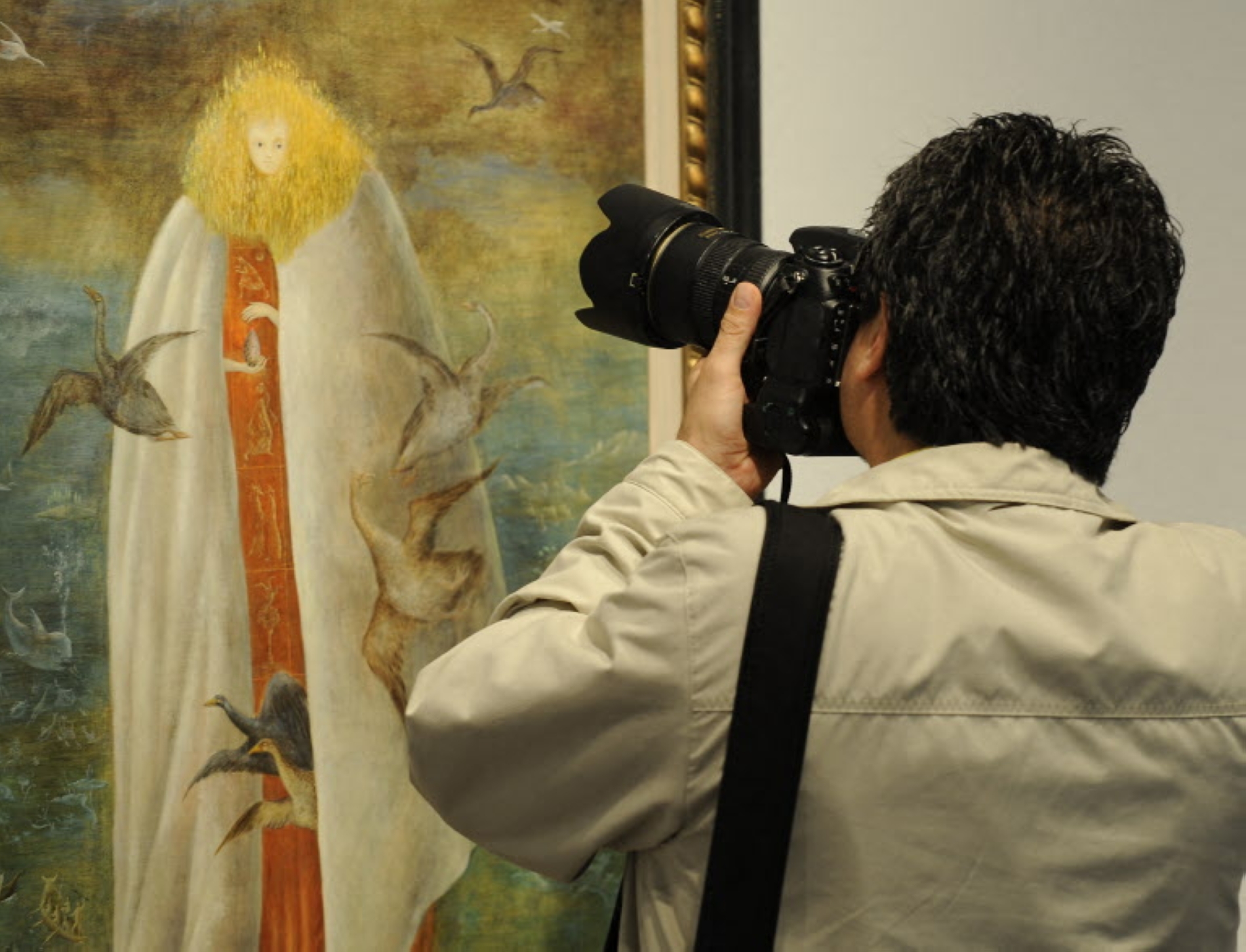
Leonora Carrington's painting "The Giantess" in New York, on 26 May 2009.

From guarding Leonora Carrington's archives in real life, to guarding the memories and objects of others in your novels, how did your relationship with Carrington shape your narrative interest in deciphering objects, and do you find yourself driven to make your protagonists guardians of memories and places that don't entirely belong to them?

That is a very interesting question. As you may know, one of Leonora's most famous and splendid paintings is called The Guardian of the Egg (more often known as The Giantess), a celebration of female creativity and fecundity. I think Leonora probably encouraged me to look beyond reality and try to see something more in, say, a kitchen utensil and the shadow it projects on the wall.

Fantasy and the domestic intertwine. Everything is its own autonomous entity. As for guardianship and my novels, it often raises the question, especially in my novel Asunder, which is narrated by a female museum guard at London's National Gallery: To whom does culture really belong? Are the guards merely custodians, or do they form part of the culture, and what about all the individuals who work outside institutions? Are they not artists too, even if not always recognised in their lifetimes? We do not always value the most special presences in our culture, and tend to overvalue fewer interesting artists who might not survive the test of time.

From Book of Clouds to Sea Monsters and The Shadow of the Object, the cities in your work seem to be more than just places; they carry layers of memory, history, and secrets. What makes a city like Mexico City or Berlin capable of becoming a character within a novel?

When you write about a character in a city and that city happens to have a powerful, charged presence, you realise you are forging a continuum between the mental and material worlds, a kind of spillage that animates both. In terms of Berlin, it was very much the protagonist of Book of Clouds, a fractured character in search of stability, in search of a centre, still in a state of flux.

I think of that novel as a psychological portrait of the city. And the same with Mexico City in Sea Monsters—I was very interested in documenting the place at a certain moment in its history, in this case the late 80s, when I was a teenager. Regarding narrative, any major disruption in a character's relationship to a place—be it the big earthquake in Mexico in 1985 or the fall of the Wall in Berlin—generates a lot of new meaning, as well as new readings of the past.

You grew up in the home of the Mexican poet and diplomat, Homero Aridjis, where poetry was intertwined with existential issues of climate and the land. To what extent did your father's presence shape your early awareness of language?

My father has been a huge inspiration. He introduced me to many of my favourite writers, and seeing him work for hours and hours at his desk gave me, very early in life, a sense of the dedication required to become a writer. He also reminded me of the interconnectedness of everything. I noticed how he distilled every experience and observation, and how he found mystery and enchantment in the everyday. As a child, I sensed an invisible force field around him whenever he sat down to write, and I knew we should not interrupt him.  

 Lionel BONAVENTURE / AFP
Mexican writer Homero Aridjis at the Paris Book Fair, on 13 March 2009.

Like your father, you also engage with environmental and climate issues, while your novels belong to an inner, poetic, dreamlike world. How do you see the relationship between literary fiction and the major real-world crises of our time?

Ancient storytellers paired creation myths with stories of the apocalypse, and now that apocalypse no longer feels fantastical or remote. It is happening now.  There is nothing that makes me lose more sleep at night than the climate crisis—the destruction of the natural world, the destruction of our oceans, the extinction of species that is happening at a terrifying rate. But until now, those concerns have largely stayed out of my fiction because I have not found an organic way to address them, and I do not want to write a didactic piece of fiction unless the idea comes naturally.

So, my activism takes place alongside the writing, rather than being intertwined (though I do bring urban fauna into my writing, like the stray dogs of Mexico). In London, I am part of a group called Writers Rebel, and our main aim is to bring the climate emergency into the cultural sphere and have cultural figures speak out from whatever platform they are given until governments listen. Writers have often helped express the collective anxieties of the time, and there has never been such existential urgency as there is now.

font change