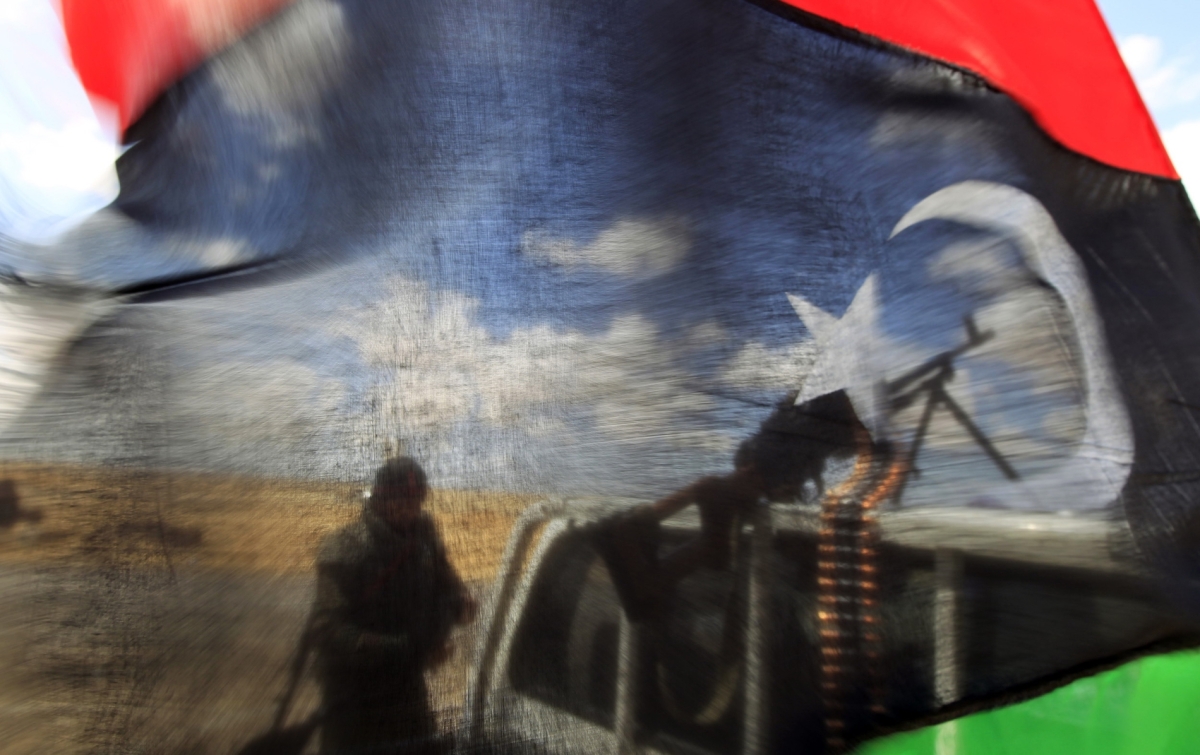

On 30 August, an agreement was signed resolving long-standing disagreements which had disrupted Libya’s electoral process for almost five years. According to the UN officers and diplomats who oversaw the deal, this is the spring of Libyan democracy. Talk to Libyan activists, or politicians across the spectrum, however, and you will fretfully hear of a winter of Libyan dictatorship.
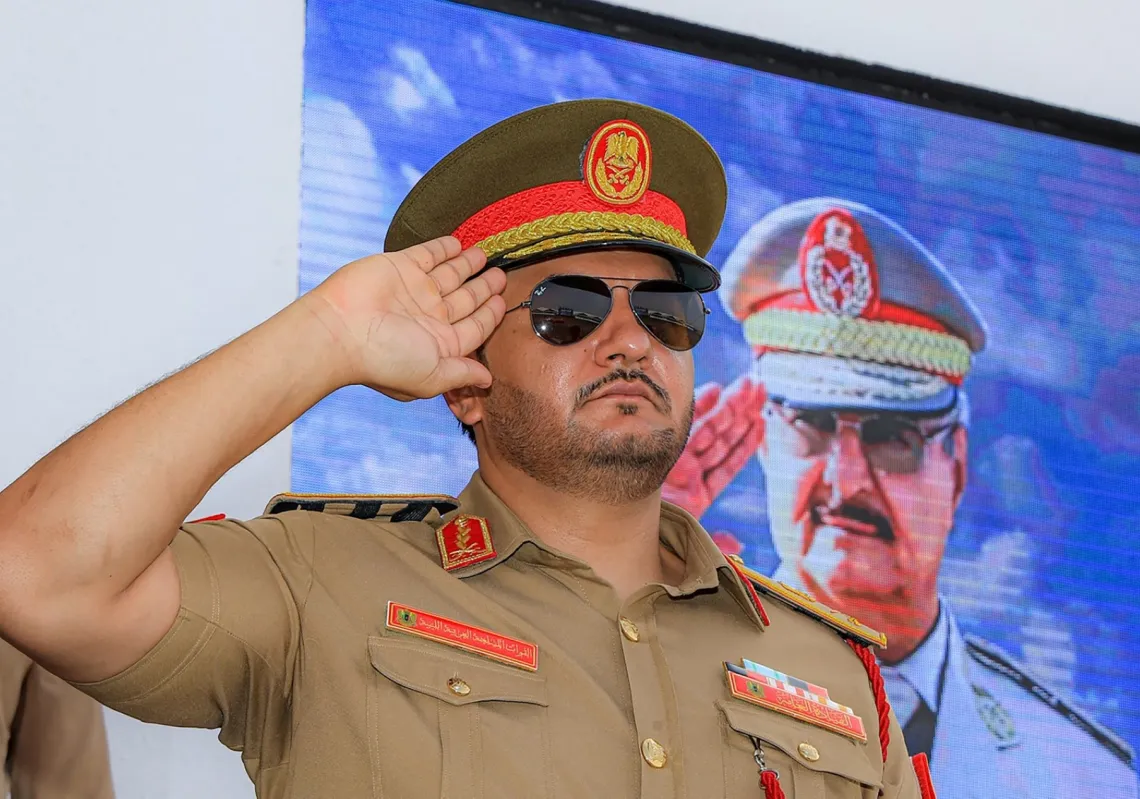
The difference is between the headlines and the small print. After all, a deal has been reached between representatives of Libya’s rulers, an impressive, rare achievement. But the deal makes the future parliament powerless, creates the prospect of an all-powerful presidency, and enables military candidates to run alongside civilians. Hence the fears that this is a purpose-built process for a Haftar presidency, rather than a path towards the representative politics Libyans crave. Especially given this agreement comes after months of Washington trying to engineer a deal to make Haftar’s son and putative heir Saddam interim President.
Libya’s House of Representatives held its first session in over 8 months on 14 September. Just over 30 out of 200 members attended and, allegedly, unanimously ratified the agreement in a closed session. The UN applauded this achievement as a sign of consensus and progress. The type of democracy to come.
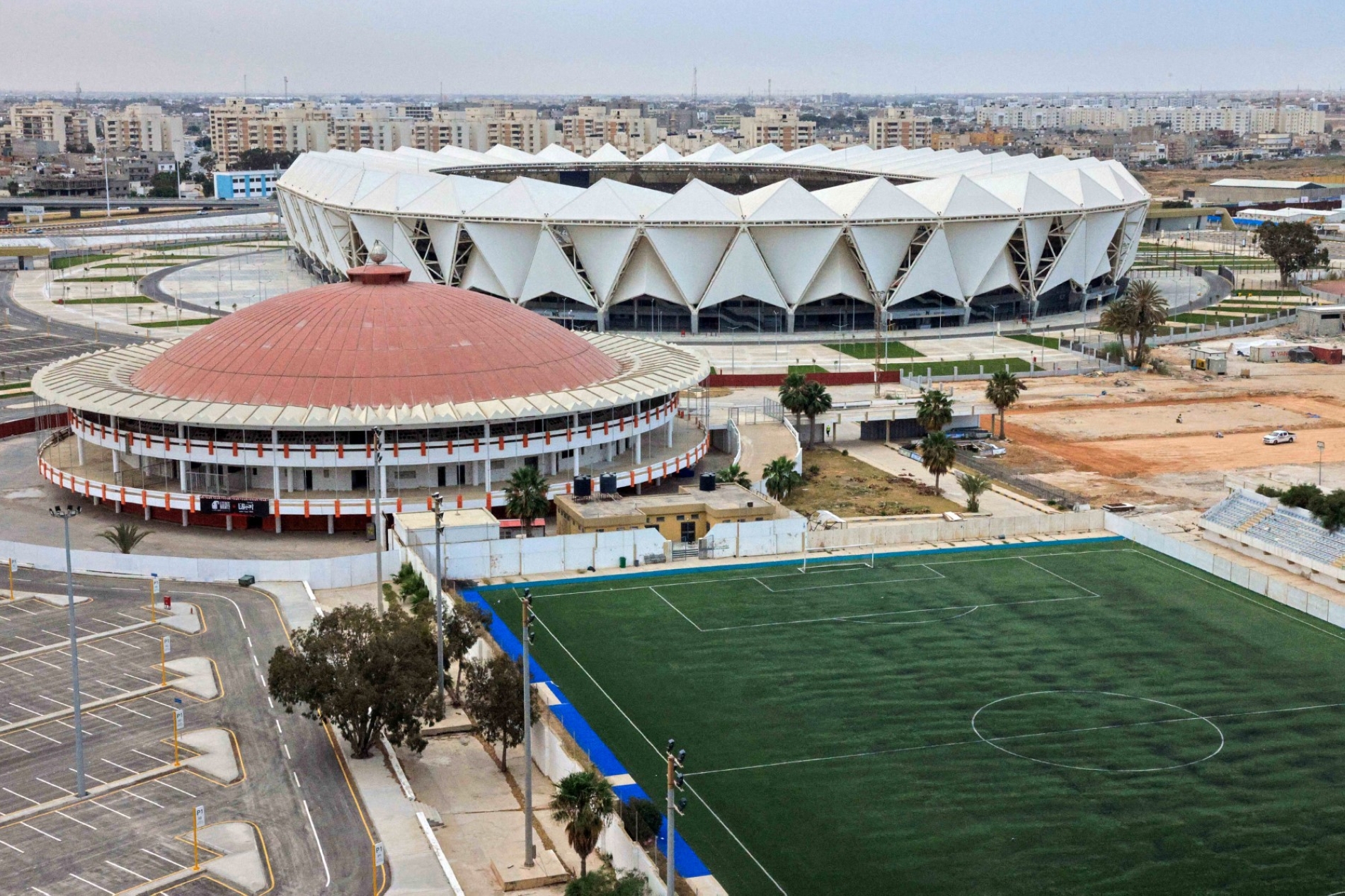
Politics aside, it is the best of times for Libya’s economy (at least since the 2011 war). Oil production keeps reaching new post-2011 highs as oil prices rise amid the war on Iran. Major international companies prospect a return, while glitzy investment conferences and reconstruction projects overseen by Libya’s two rulers continue grabbing headlines. The re-opening of a more glamorous Tripoli international Airport is regularly teased, while European footballing giants Inter Milan and Atlético Madrid played a ceremonial friendly to mark the opening of Benghazi’s new stadium.
Inflation, power cuts, fuel shortages
Headlines aside, it is the worst of times for Libya’s economy (at least since the 1950s when there was widespread famine). This is best evidenced in Libya’s currency black markets, where the Libyan dinar regularly drops under 10 to the dollar. Accompanying inflation means many Libyans struggle to buy meat or nutritious food every month.
East and West Libya are united by prolonged power cuts, sometimes reaching over 24 hours, leaving Libyans stranded during exceptionally hot summer months. All Libyans wait in oppressively long queues to fill cars with fuel, even as the Libyan state imports fuel in record amounts. Professionals of all industries complain of rampant corruption, industry capture by white-collar criminals, and a state or banking system that is only really accessible through such connections.
Meanwhile, new companies like Arkenu Oil, allegedly owned by representatives of Libya’s ruling families, have broken the Libyan state’s monopoly on selling its own oil, sending billions of dollars of Libyan wealth into private hands. With no power, no petrol and no order, the normal economy is dying; rent-seeking is thriving.
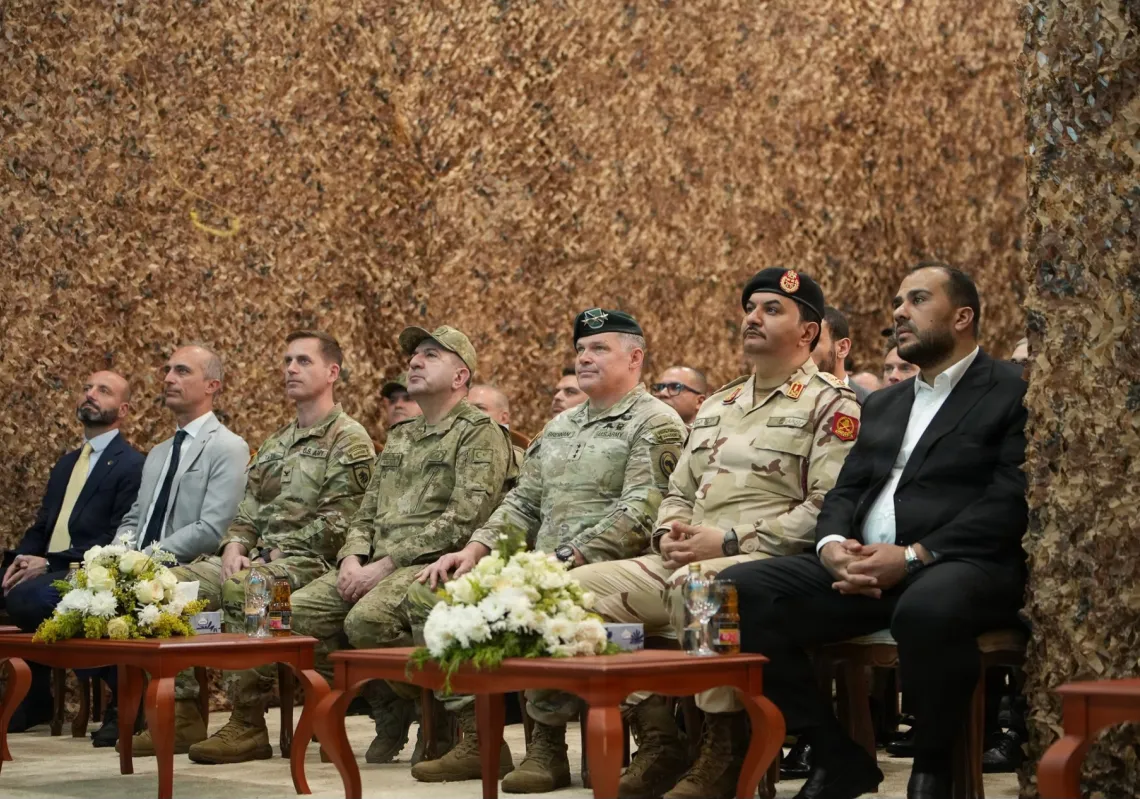
Nevertheless, Libya is at least in a season of peace and stability. There has been no war since the Spring of 2020. Haftar’s forces and government forces are performing joint exercises with the United States’ Africa Command. A process has begun to join the armies and forge a durable peace.
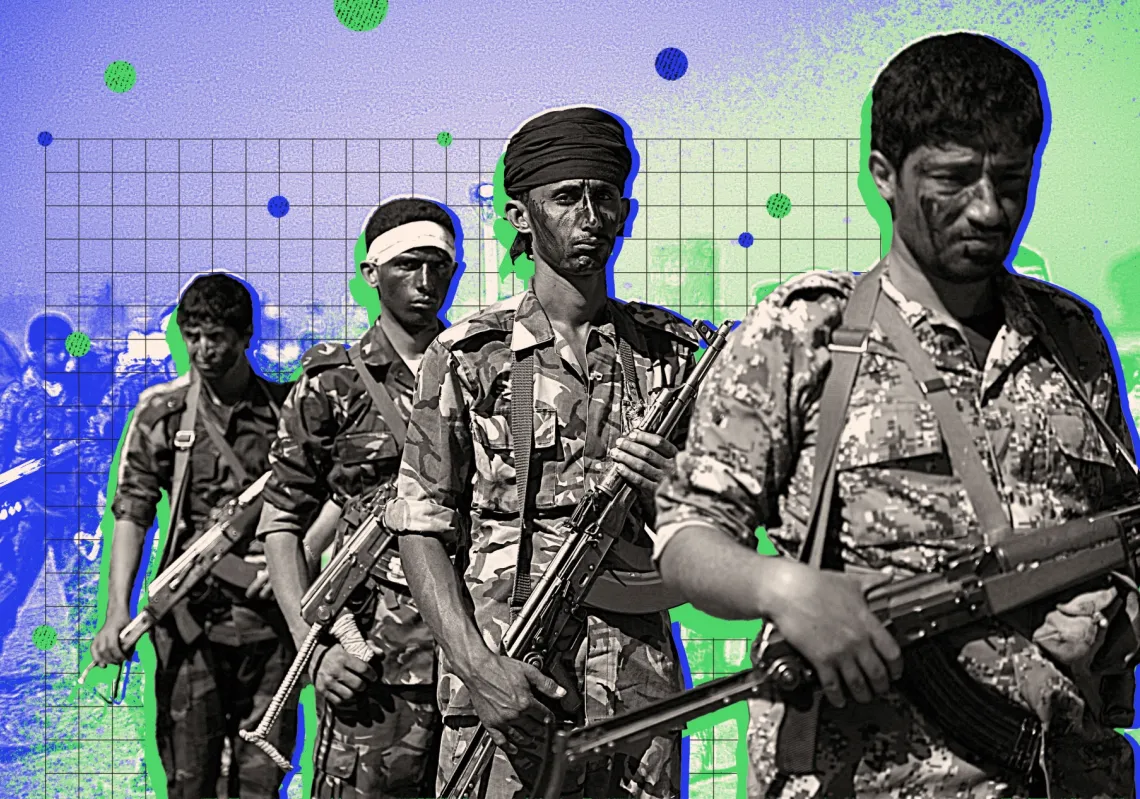
Even so, Libya is in a season of ominous instability. Last year Tripoli saw its worst fighting since the 2019-2020 war, as tanks and drones entered residential streets. This summer, amid the power cuts, militias have been attacking Libya’s only functioning refinery in Zawiya with drones, destroying the tanks holding precious fuel for cars and generators.
Internal wrangling
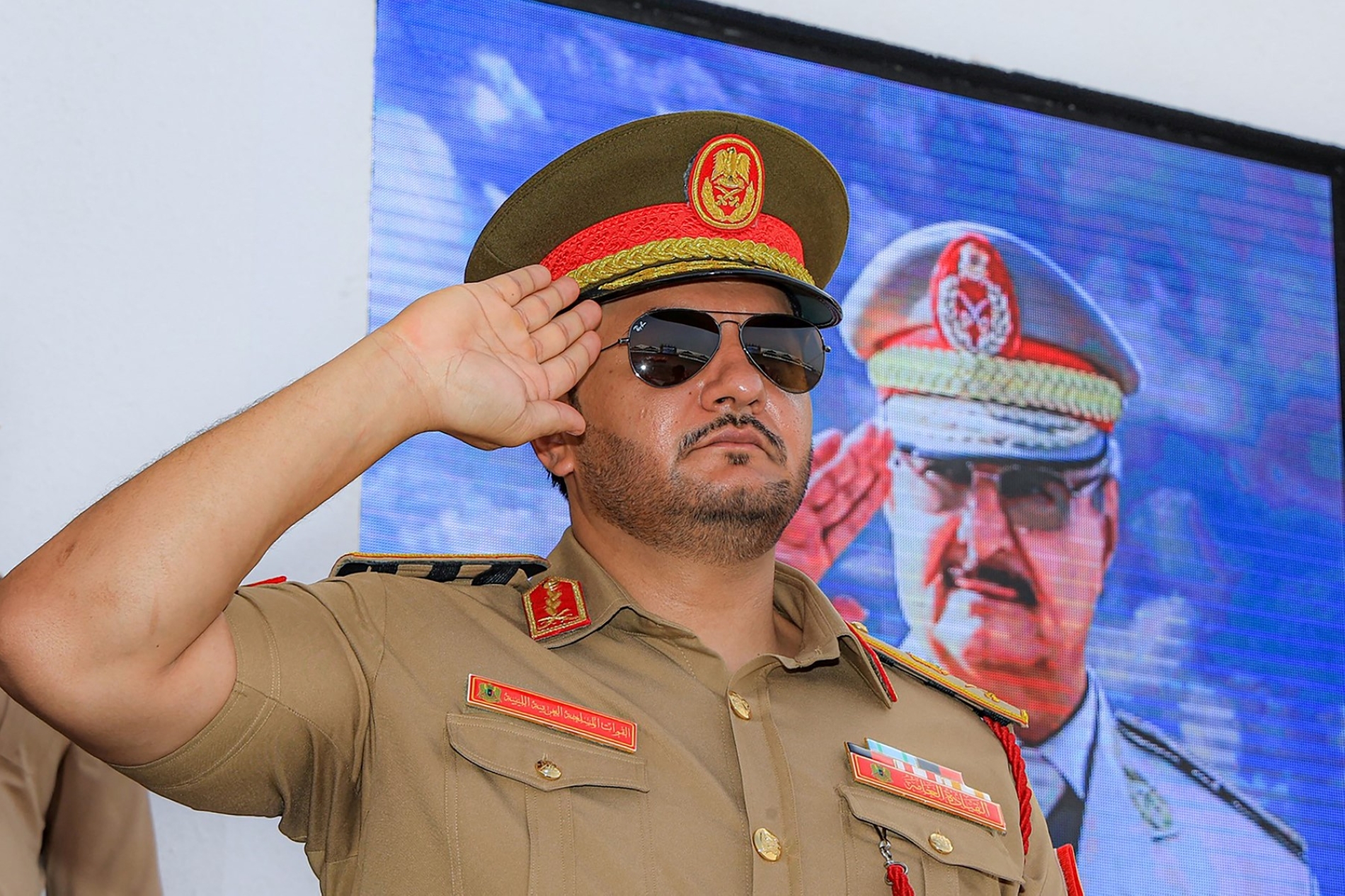
Even Haftar’s forces seem to be constantly fighting in territories they claim to control. There have been internal feuds between Saddam and other generals, and most recently a siege over the city of Qatrun in southern Libya is sparking a new resistance movement. Forces in the west claim the drone strikes are from Haftar, while Haftar claims western forces are agitating against him in the south. Meanwhile, assassinations are becoming increasingly popular, with key figures in western Libya, eastern Libya (such as Haftar’s intelligence chief), and in the opposition (including Gaddafi’s own son, Saif al-Islam) killed over the past 12 months.
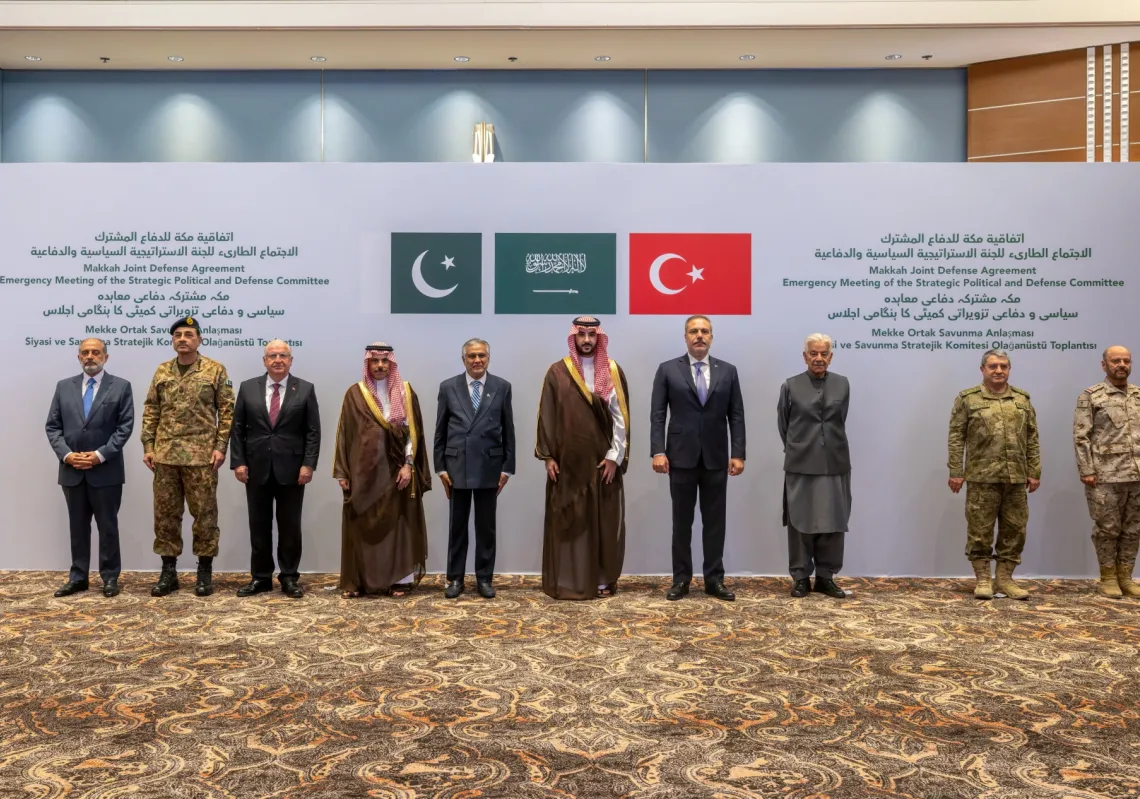
Libyans may be divided, but this is an epoch of unparalleled international unity on Libya. Previously feuding powers like Türkiye, Russia, the UAE and Egypt are all making accommodations on the ground and with the US process. The United Nations Security Council is collectively welcoming the recent agreement.