
In October 2022, the American singer Ye, formerly known as Kanye West, posted the following comment on his X account: “I’m going death con 3 on JEWISH PEOPLE.” In effect, he was saying that he would enter a state of confrontation or alert against Jews. The controversial singer, who is among the best-known supporters of MAGA, did not stop there. In February 2025, he wrote: “I love Hitler, I am a Nazi,” and explicitly stated that he neither liked nor trusted Jews.
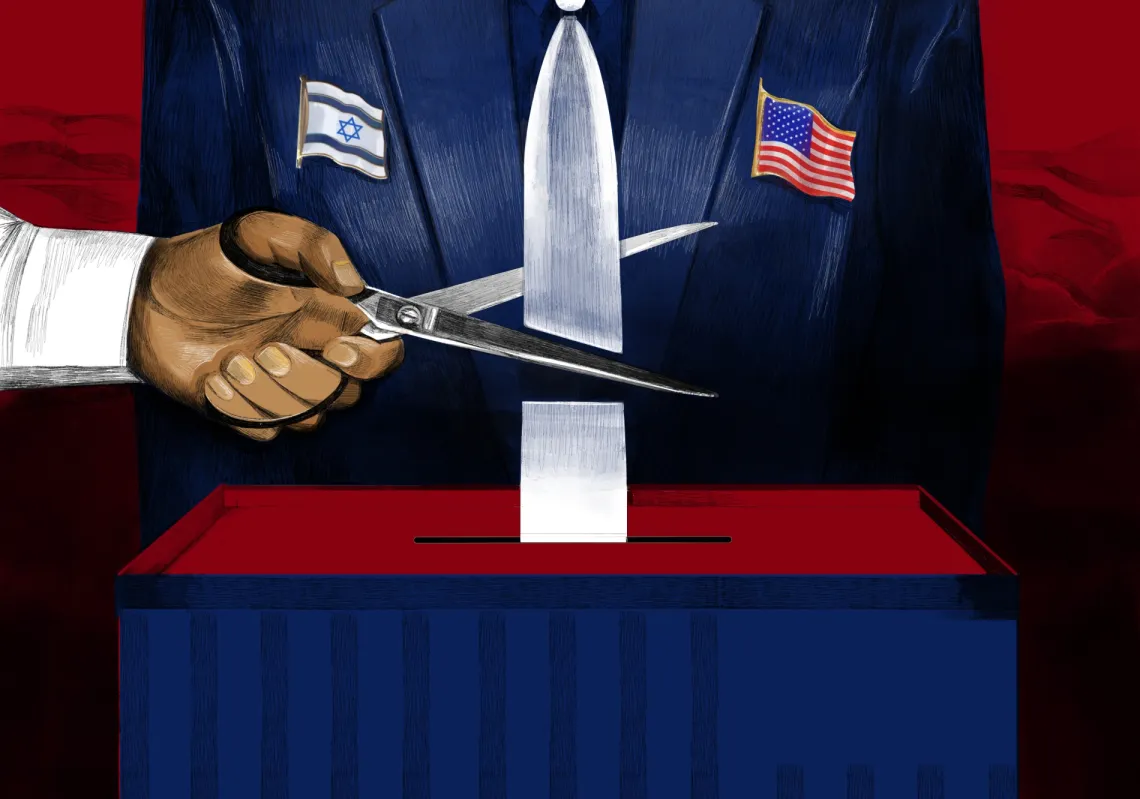
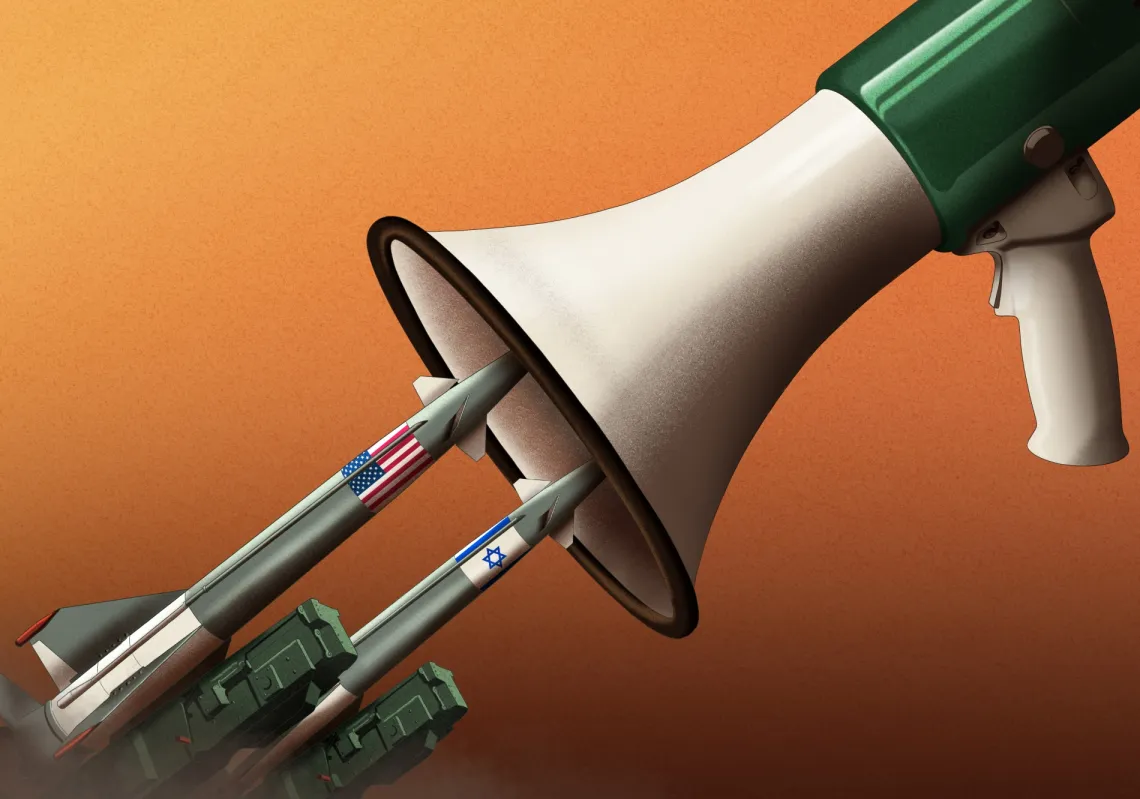
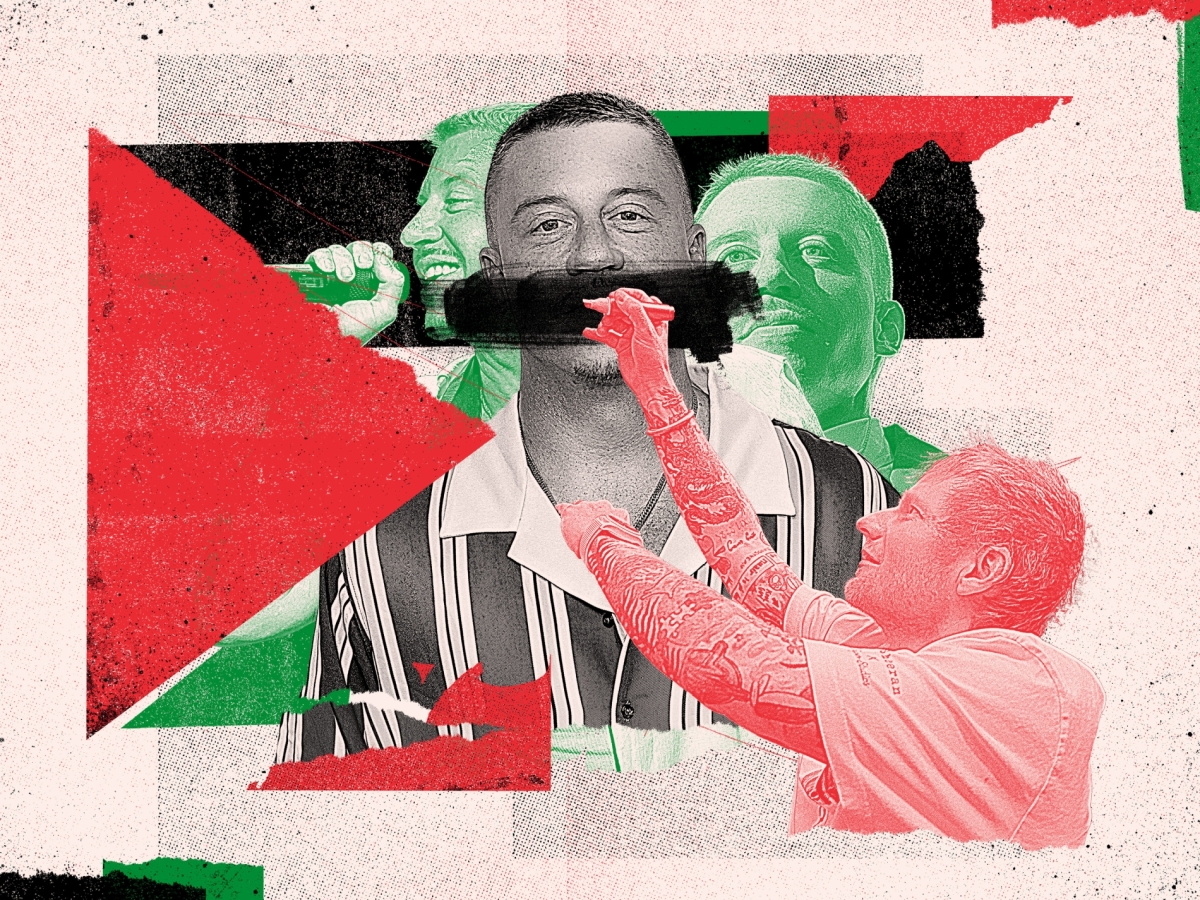
The episode has taken on renewed significance following the decision to bar the American singer Macklemore from performing on Ed Sheeran’s stadium tour in the United States after his pro-Palestinian remarks, which critics characterised as “antisemitic.” The controversy extends beyond the role of pro-Israel groups in the campaign against Macklemore, or that of influential stadium owners such as Robert Kraft. At the heart of the dispute is the fact that five of the seven stadiums where Macklemore was due to perform during the tour’s eight remaining dates are publicly owned. His exclusion therefore raises a serious constitutional question about the limits of political expression in publicly owned venues.
This is where the case of Ye becomes more intriguing. Only a few months earlier, a similar campaign had been mounted against him, also under the banner of antisemitism, ahead of his two concerts at Raymond James Stadium in Tampa, Florida, in late June.
At the time, Jewish organisations and politicians from both the Republican and Democratic parties demanded that the two concerts be cancelled. The Tampa stadium authority responded that, while it condemned antisemitism, it respected the right to freedom of expression guaranteed by the United States Constitution, even when it disagreed with the speech in question. Ye’s two concerts therefore went ahead as scheduled.
This brings us to the heart of the current controversy in the United States over Macklemore’s exclusion: a glaring double standard. Macklemore was banned after a pro-Palestinian political speech in which he said “Free Palestine,” showed images of the destruction in Gaza, and spoke of genocide and apartheid. Yet the following night, as he has done on several occasions, he made clear that his criticism of Israel did not amount to criticism of Jews. Addressing his “Jewish brothers and sisters,” he affirmed that his message was one of peace and love, and of treating all human beings with dignity, respect and equality.
Meanwhile, another artist, whose hatred of Jews leaves no room for doubt, was able to hold his concert simply because his racism and hatred did not explicitly enter the political sphere, and because he did not utter the forbidden phrase: “Free Palestine.”
This, in essence, is the same argument advanced by many artists and intellectuals who have opposed the war in Gaza and faced the same accusation: antisemitism. On one side is Ye, an artist who targeted Jews themselves in his statements, declared his love for Hitler and Nazism, and even used Nazi symbols in his work, products, and social media accounts. In the end, none of this prevented him from holding his two concerts in a public stadium. On the other side is an artist who was excluded from a music tour after a pro-Palestinian political speech that, in the statements that triggered the crisis, contained neither a call for hatred of Jews nor incitement against them.
Ed Sheeran: a statement worse than the offence
After the uproar over Macklemore’s removal, which many commentators and social media users saw as evidence of the influence wielded by pro-Israel capital holders and their willingness to use it, Ed Sheeran, whose tour became the setting for the controversy, was forced to break his silence. He said it was not his decision to kick Macklemore off the tour, but the Messina Touring Group, the company organising the tour, after a group of stadiums told it they would not host the concerts if Macklemore remained on the bill.
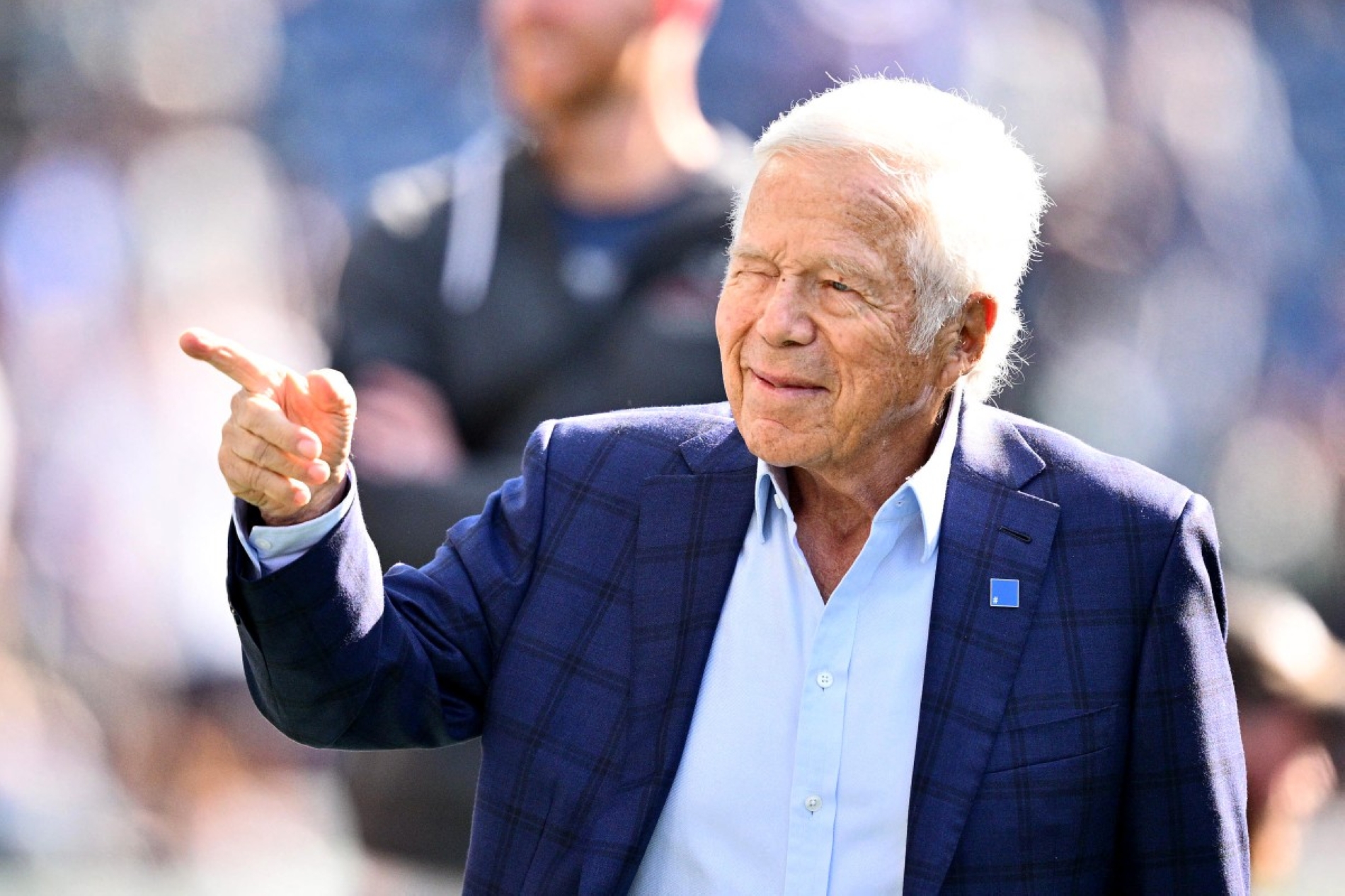
According to Sheeran, in the days leading up to the decision, he had tried to mediate between the parties concerned, including Robert Kraft, the owner of Gillette Stadium, who had announced his refusal to allow Macklemore to appear at his venue and is one of the most prominent supporters of Israel. Sheeran, however, failed to reach a solution that would prevent the American singer’s exclusion.
Yet the most important part of Sheeran’s statement was not so much his attempt to absolve himself of responsibility for the decision as his explanation of his personal position. The British singer said that throughout his career he had chosen not to use his platform to express political views, and that this did not mean he was indifferent to what was happening in the world. He described what is happening between Israel and Palestine as a “human tragedy,” saying he was horrified by human suffering “on both sides of the conflict,” and that he supported and donated to causes away from the spotlight.
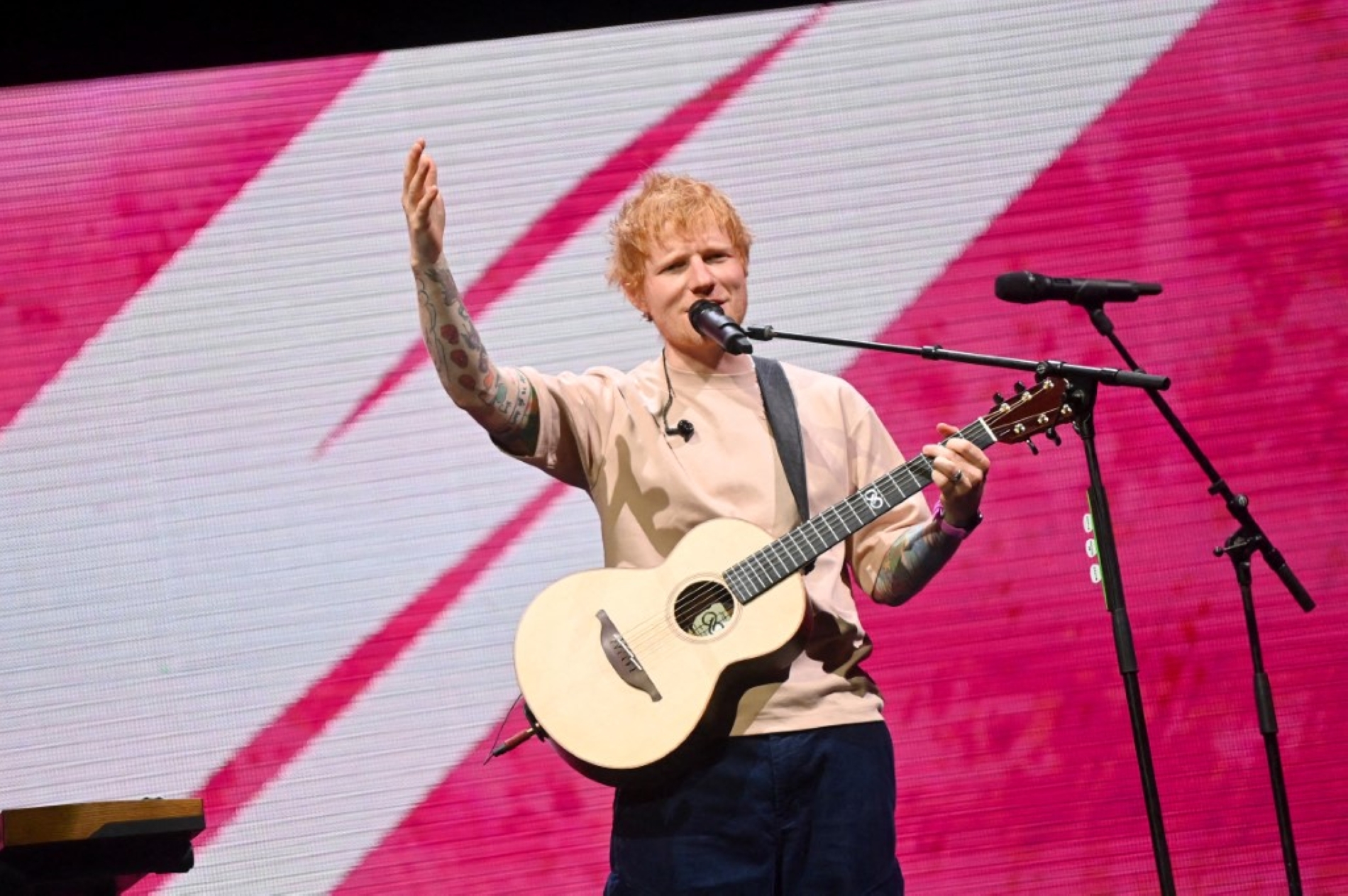
Many, of course, were quick to point out the contradiction in Sheeran’s remarks. He had previously expressed public support for Ukraine following the Russian invasion and, in March 2022, took part in Concert for Ukraine, a fundraising event for those affected by the war. This shifts the debate from freedom of expression to a more complex question about the meaning of neutrality itself. Sheeran is entitled to choose not to use his concerts as platforms for his political views, but what happened on his tour puts that neutrality to a different test.
The artist whom Sheeran himself invited to join the tour, and whom he allowed to choose the songs he wished to perform, was excluded not because of an artistic disagreement, but because stadium owners objected to his political speech. The question, then, is no longer whether Sheeran should take a position on Palestine. It is whether political neutrality can truly be maintained when powerful interests are able to determine which political views may be heard on stage and which may not.
What happened after Sheeran’s statement may have made this question even more urgent. Within hours, artists scheduled to take part in forthcoming dates on the tour, including Finneas, Lukas Graham, Aaron Rowe and the Irish band Beoga, which accompanies Sheeran musically, announced their withdrawal in solidarity with Macklemore or in protest against the silencing of pro-Palestinian voices. The decision to remove a single singer was therefore no longer a means of restoring the tour to its “neutrality.” It became, in itself, a political event that prompted the remaining artists to take public positions.
Mark Ruffalo and the expanding cultural confrontation
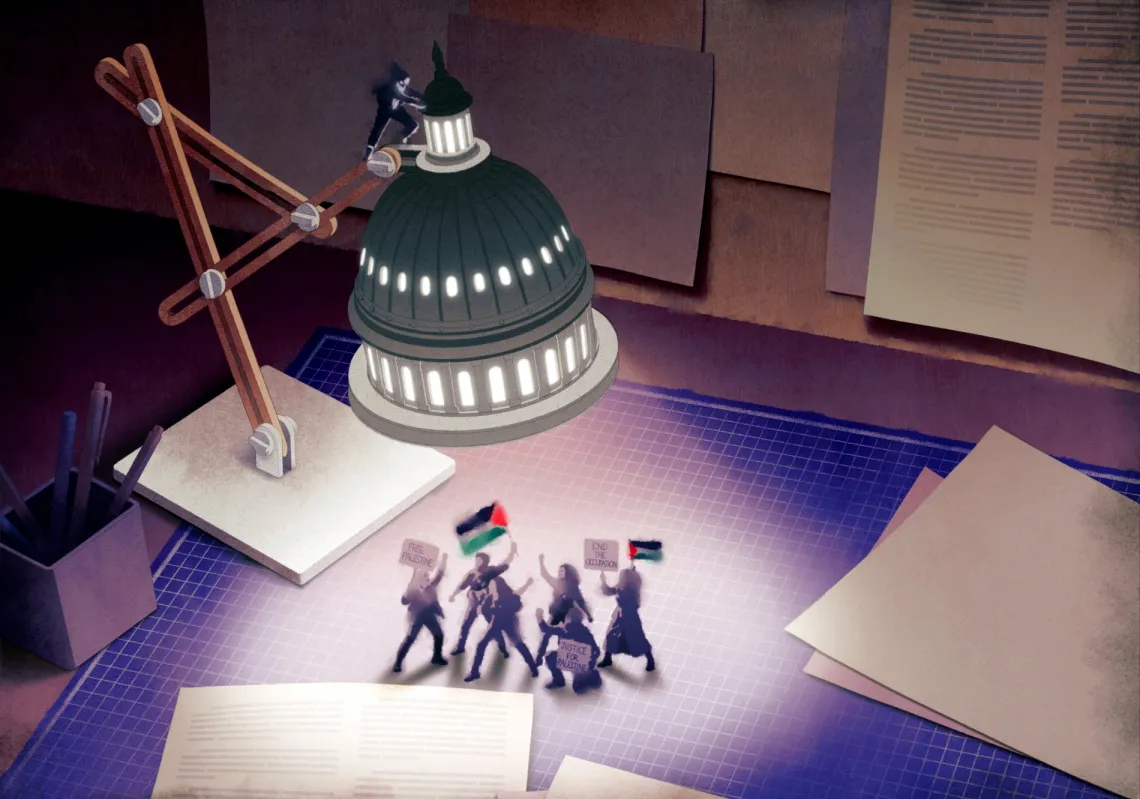
Yet the Macklemore episode is far from an isolated case, and the controversy surrounding it extends beyond a single artist or music tour. Events in the United States in recent weeks and months point to a broader struggle over the power of influential economic interests, whether in sport, entertainment, or the media, to define the limits of acceptable debate on Israel and Palestine. At the same time, a more visible resistance is emerging within the American cultural sphere, including among Jewish artists and intellectuals who reject the use of accusations of antisemitism to silence criticism of Israel.
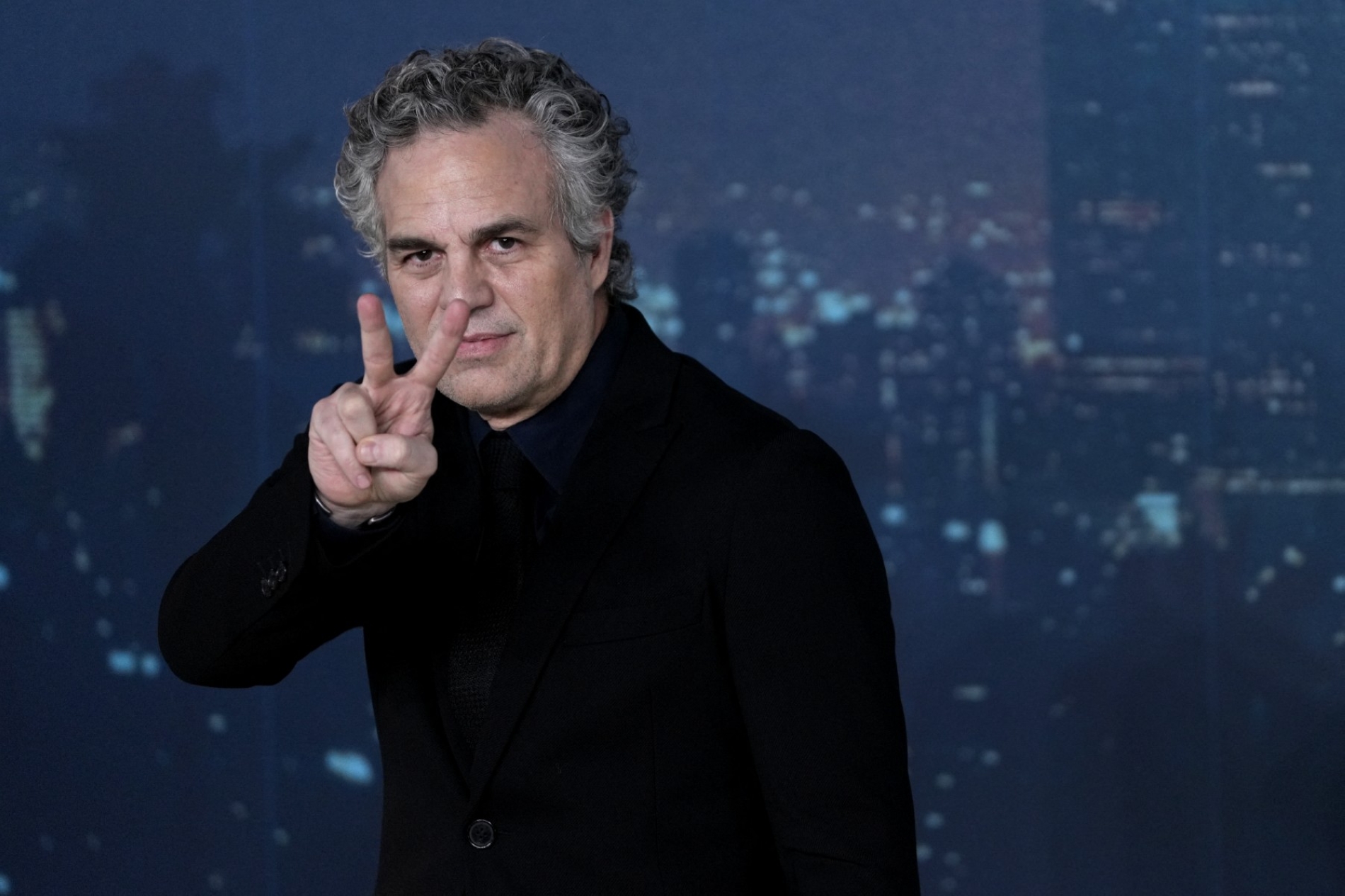
What the American actor Mark Ruffalo has recently faced offers a clear example. Ruffalo, known for years for his support for Palestinian rights, is also leading a campaign within Hollywood against the Paramount Skydance acquisition of Warner Bros. Discovery, a deal worth about $111 billion. In opposing the deal, he drew attention to the relationship between Paramount, headed by David Ellison, and Oracle, the company founded by his father, Larry Ellison, as well as to Oracle’s contracts with the Israeli military and government. He also shared a clip of Oracle Executive Vice Chair Safra Catz speaking about the technology the company provided to Israel after the attack of October 7, 2023.
Paramount’s response was striking. Rather than addressing Ruffalo’s objections to the merger of two media giants, or challenging his claims about Oracle’s ties to Israel, the company accused him of invoking “antisemitic tropes” in a business dispute. Ruffalo described the accusation as “appalling and fundamentally dishonest,” arguing that criticism of the Israeli prime minister, military technology contracts, or the executives involved in providing such technology should not be equated with criticism of Jews, and that his political views should not be construed as hostility towards them.
The episode echoes what happened with Macklemore: an artist criticises Israel or those who support it, and the debate shifts away from the substance of that criticism towards accusations of antisemitism. Yet the reaction to the campaign against Ruffalo also revealed a significant development. More than 170 Jewish artists, writers, intellectuals and public figures signed an open letter titled “Enough,” defending Ruffalo and describing the criticism directed at him as a smear campaign. They also called for an end to what they described as the “false and dangerous weaponisation of charges of antisemitism” against those who criticise what is happening to Palestinians. Signatories included directors Joel Coen and Todd Haynes, playwright Tony Kushner, writer and filmmaker Miranda July, actors Hannah Einbinder and Ilana Glazer, and writer Naomi Klein, alongside other Jewish artists, writers, academics and members of the clergy.
The significance of the letter lies not only in the number and prominence of its signatories, but also in its challenge to one of the central arguments in this debate: that opposition to Israeli policies, or to the economic interests associated with them, amounts in itself to hostility towards Jews. The signatories went beyond offering a personal defence of Ruffalo. They argued that drawing a connection between events in Gaza and developments within the American media industry was, for them, part of a “Jewish moral obligation,” and that labelling such criticism antisemitic amounted to a dangerous attempt to shut down debate.
A conflict inside the establishment
This is where the Ruffalo and Macklemore episodes converge. In Macklemore’s case, stadium owners and other influential figures were able to put pressure on an entire music tour to prevent an artist from appearing. In Ruffalo’s case, one of the world’s largest media companies entered into a public dispute with an actor over his criticism of economic and political interests linked to Israel. The issue, then, extends beyond disagreements among artists over a distant war. It has become a struggle within American cultural institutions themselves over who gets to define the boundary between legitimate political criticism and unacceptable speech.
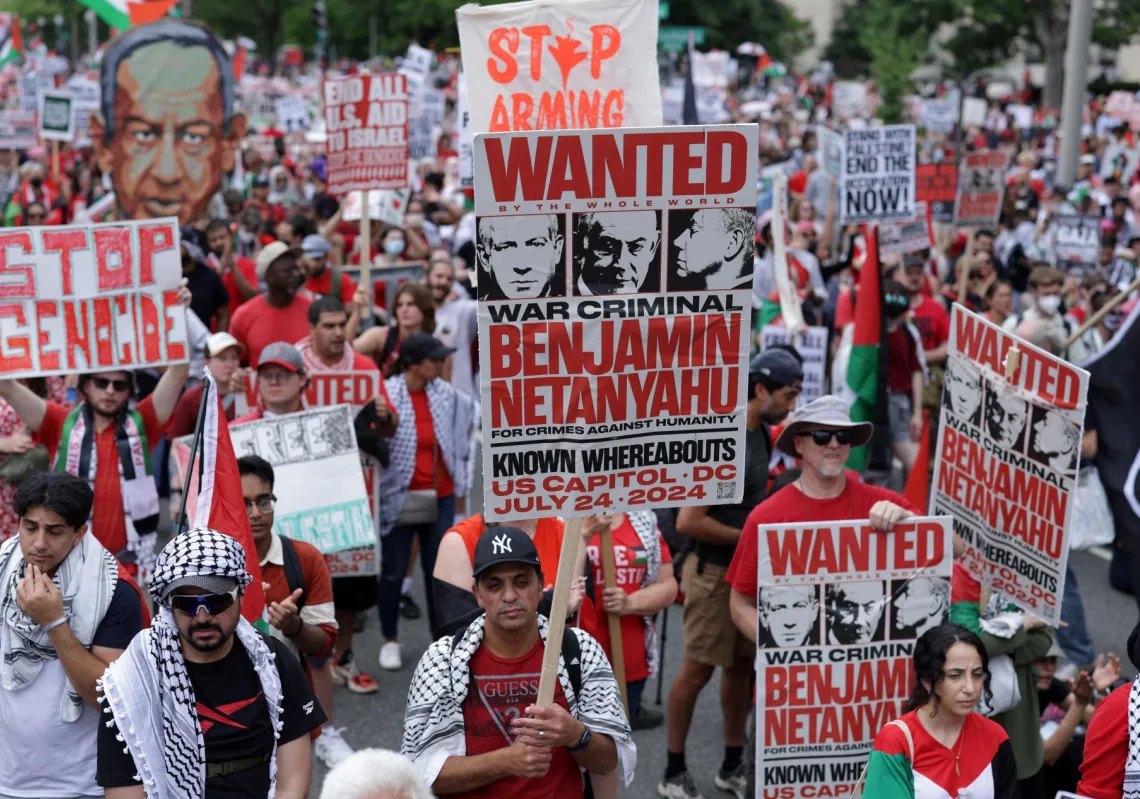
What has changed, however, and perhaps most significantly, is that this power no longer goes unchallenged within the cultural sphere itself. The withdrawal of artists from Sheeran’s tour following Macklemore’s exclusion, along with the decision by more than 170 Jewish figures to defend Ruffalo, suggests that accusations of antisemitism directed at critics of Israel are increasingly meeting organised resistance within Hollywood and the broader American cultural landscape, including from prominent Jewish voices. Major economic institutions may still control influential platforms, but their ability to dictate the boundaries of acceptable debate on Israel and Palestine is now being challenged publicly in ways that were far less common only a few years ago.
Significantly, this resistance is no longer confined to statements of solidarity or individual expressions of dissent. In Portugal, several artists withdrew from the international Commedia a La Carte Fest in Lisbon, scheduled for late October, in protest against the participation of Jerry Seinfeld, the festival’s headline act, and his public support for Israel. While some of those who withdrew did not name Seinfeld directly, the actress and comedian Inês Aires Pereira explained her decision by saying that one of the participants “consistently defends ideas and actions that I consider indefensible,” adding: “We cannot minimise or normalise genocide.” Seinfeld, for his part, had compared the Free Palestine movement to the Ku Klux Klan, arguing that the slogan ultimately conceals hatred of Jews.
In the United States, another incident that circulated widely in recent days offered an even more direct illustration of this shift. The American Jewish comedian and rabbi Menachem Silverstein opened a set in Chicago by saying: “My name is Menachem, and I support Israel.” Rather than heckling him or trying to stop him from speaking, many audience members simply stood up and left, with widely shared footage showing rows of empty seats before him. Here, perhaps, lies the central irony: resisting attempts by powerful forces to impose ideological boundaries on the cultural sphere does not require silencing those who hold opposing views. The artist remains free to speak, just as the audience remains free to walk away.
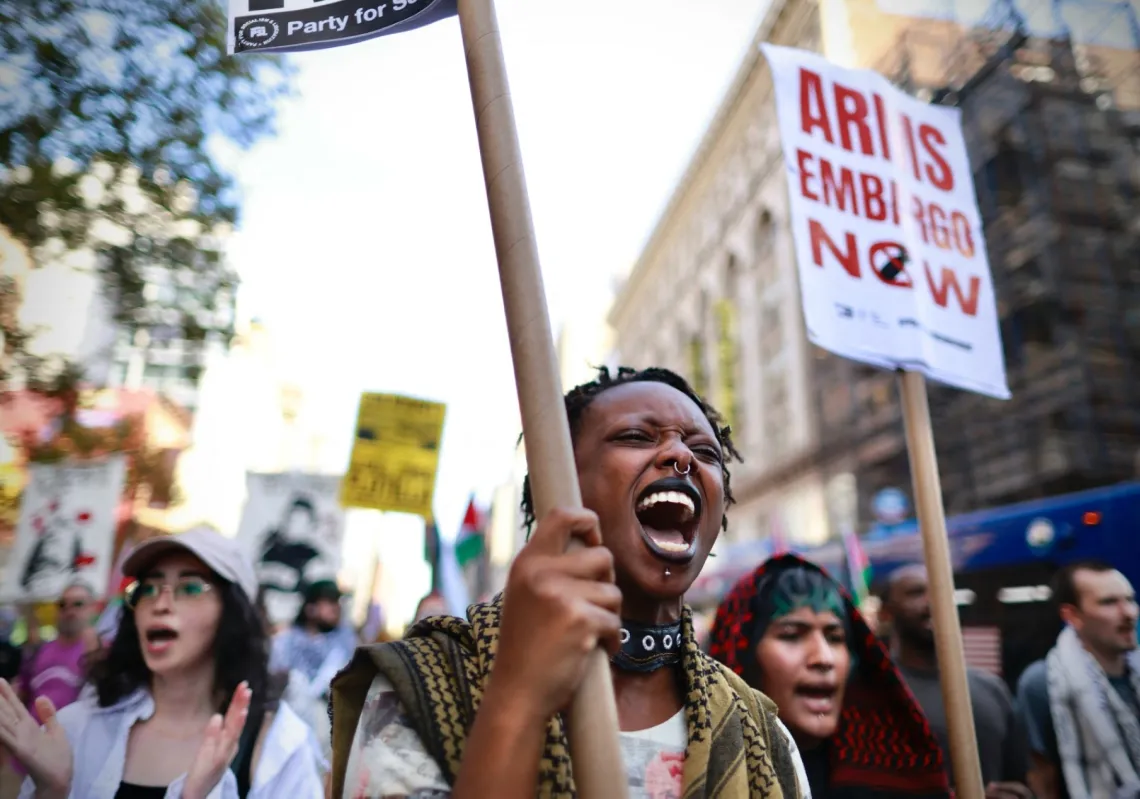
The distinction between banning and boycotting is central to this debate. A stadium owner or media company using its economic power to prevent an artist from reaching an audience because of a political position is fundamentally different from an artist choosing to withdraw from a festival, or a spectator leaving a venue in protest at an artist’s views. In the first case, those who control the platform use their power to deny it to a particular form of political expression. In the second, individuals exercise their own freedom to withhold their participation or attention. In this sense, a boycott does not contradict freedom of expression. It is another exercise of that freedom: you may say what you wish, and I may choose not to listen.
Numbers don't lie
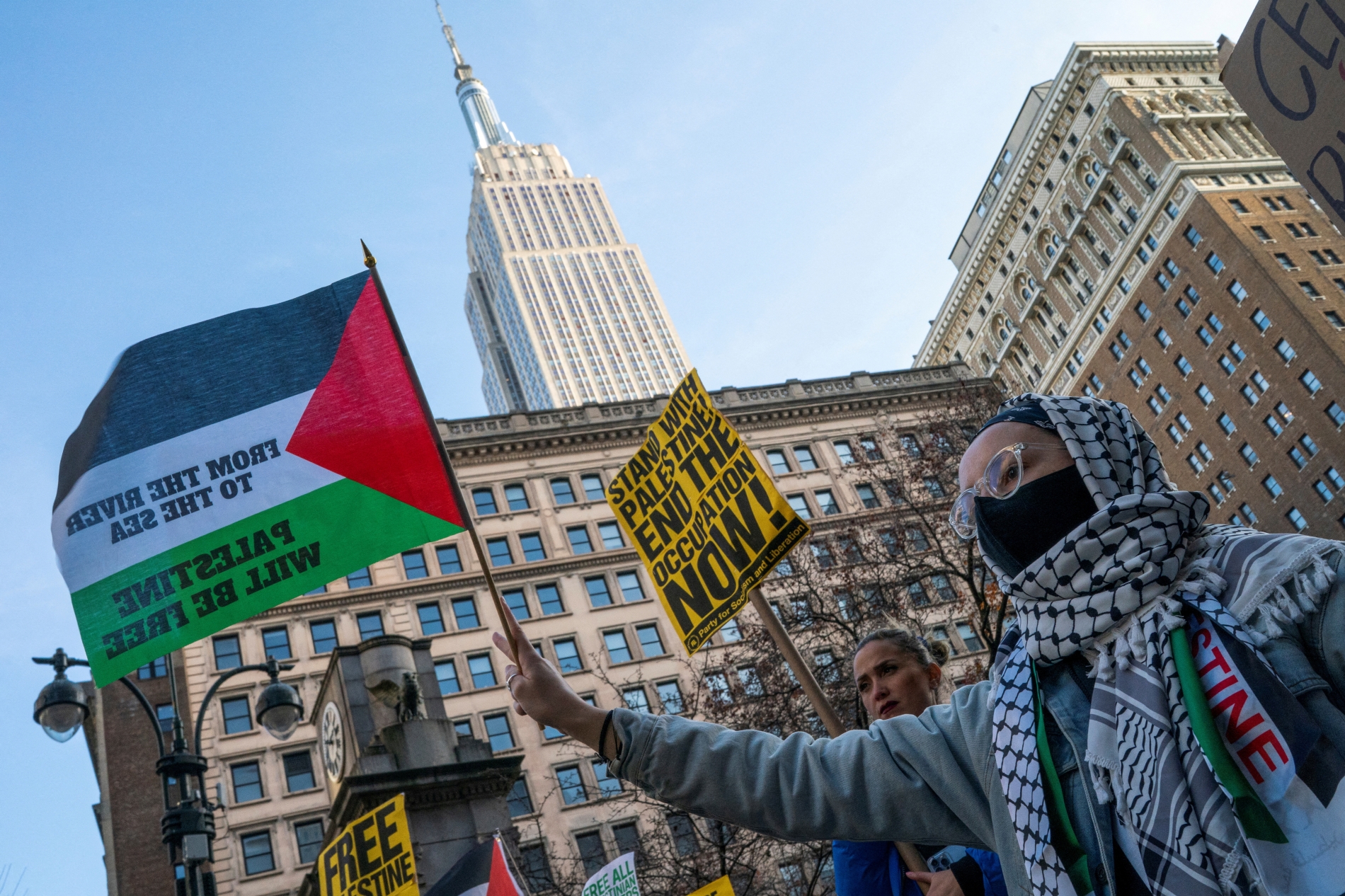
If these cultural developments are not enough to signal a shift in the American mood, the figures tell the same story more clearly. In February, a Gallup poll found that, for the first time in decades, Israelis no longer held a statistically significant lead over Palestinians in terms of American sympathy. Some 41% of Americans said they sympathised more with Palestinians, compared with 36% who sympathised more with Israelis. Three years earlier, the figures had stood at 54% for Israelis and 31% for Palestinians.
A more recent survey by the Pew Research Center points to the same trend. Positive views of the Israeli government have fallen from 47% in 2022 to 32% this year, while 62% of Americans now view it negatively. The shift is even more pronounced among younger Americans. Among those aged 18 to 29, 58%view Palestinians favourably, compared with 32% who hold a favourable view of Israelis. Among Democrats and Democratic leaning Americans in the same age group, the gap is wider still, with 72% viewing Palestinians favourably, compared with 26% for Israelis.