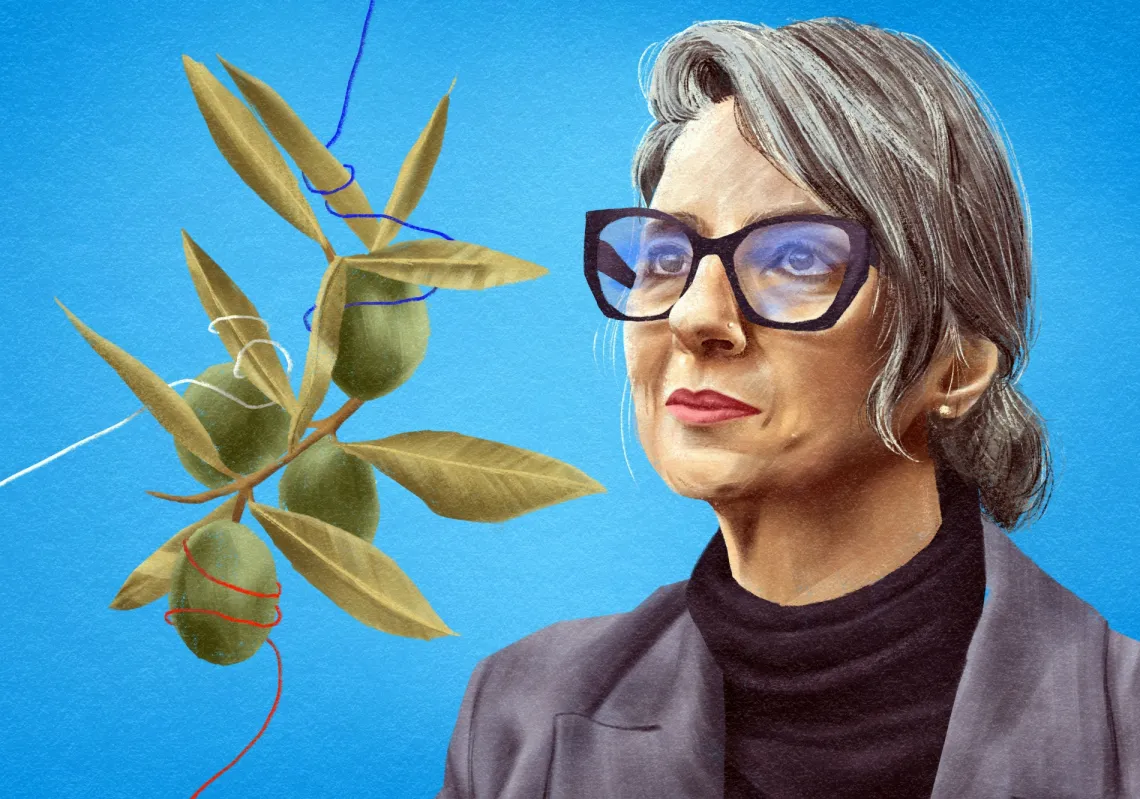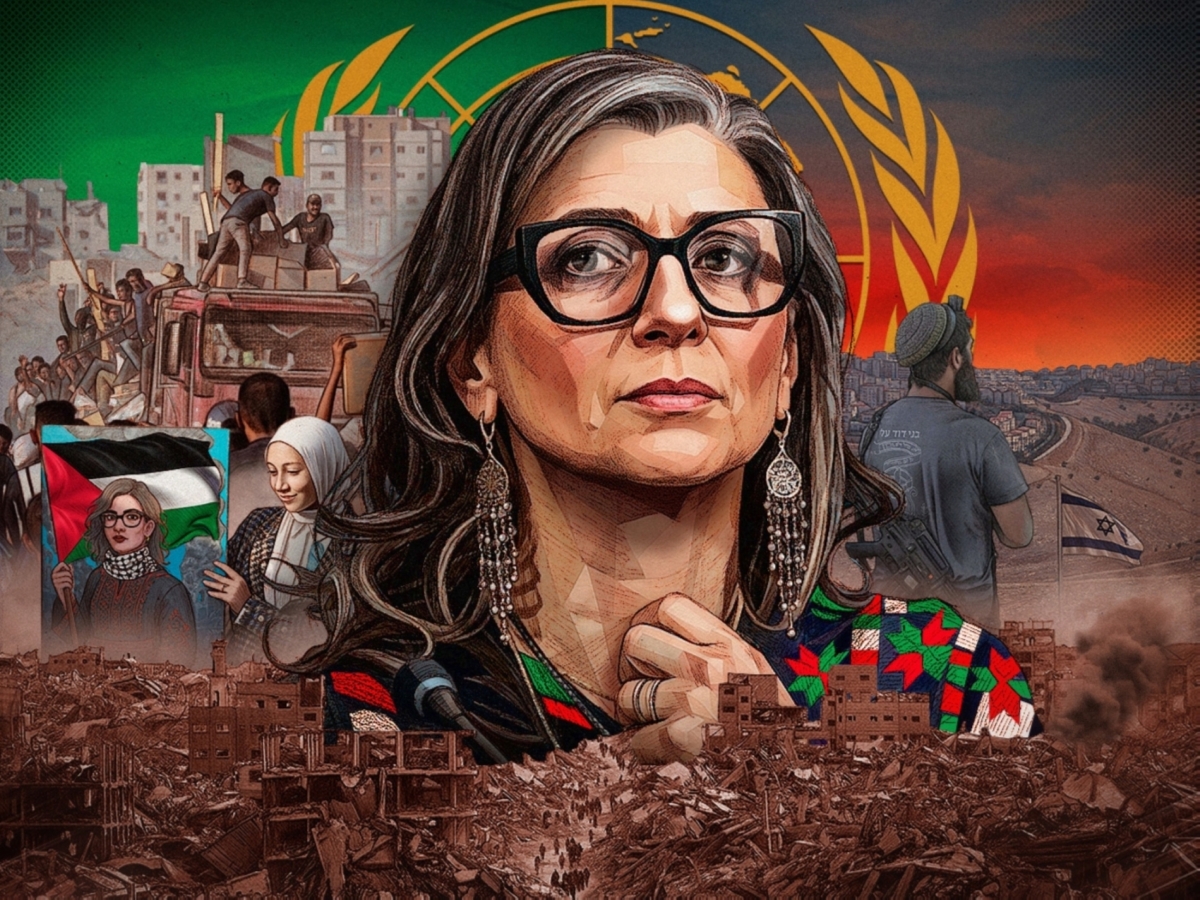

Since her appointment in 2022 as the United Nations Special Rapporteur on the Occupied Palestinian Territories, Italian lawyer and scholar Francesca Albanese has become one of the most prominent international voices defending Palestine and international law.
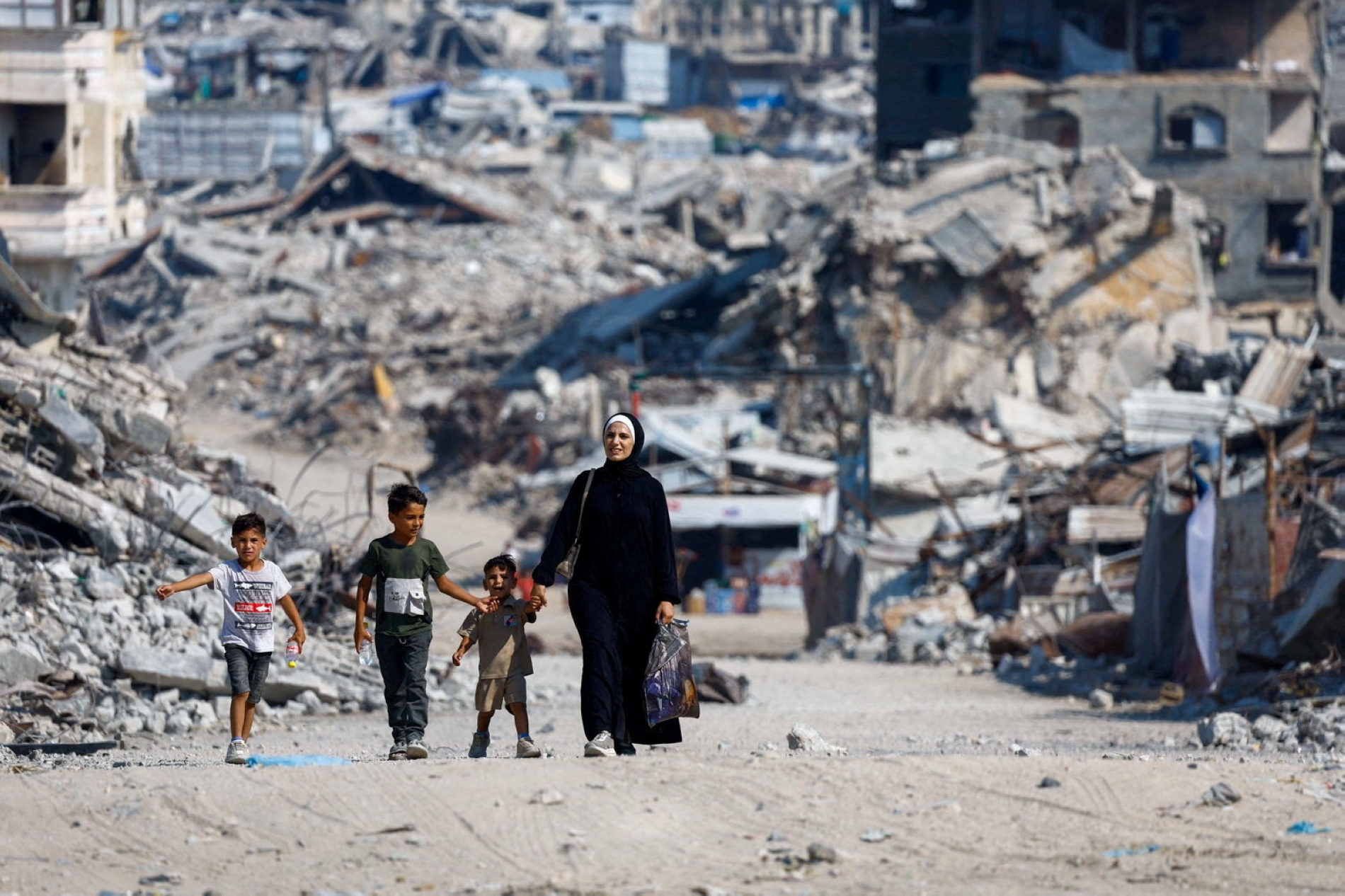
A specialist in international law, human rights, refugees and forced displacement, Albanese has worked with several United Nations bodies. She has used her UN mandate to press for the application of international law in the occupied Palestinian territories as, in her view, the international system of accountability steadily erodes, particularly amid what she calls “the genocide in Gaza and the normalisation of killing and atrocities.”
Her stance led Israel to bar her from territories under its control and, in 2025, prompted the United States to impose sanctions on her, an unprecedented measure against a UN Special Rapporteur over her positions and activities. Her latest book, When the World Sleeps: Stories, Words, and Wounds of Palestine, was published in New York in 2026.
In this interview with Al Majalla, Albanese discusses her experience within the United Nations and the US sanctions imposed on her, which she believes reveal much about the nature of the present international order. She describes the UN as undergoing “collapse and severe deterioration”. The necessary tools to confront crises already exist, she argues; the problem is that they are not being used.
Albanese’s analysis extends beyond the war in Gaza to the wider system that, in her view, produced it. She describes Palestine as a “prototype” of repression and oppression and warns that some of its mechanisms could spread into Western democracies. She also speaks of an “economy of genocide” and of “necrocapitalism”, arguing that militarisation, resource exploitation, finance and Big Tech have become part of a system in which human life is increasingly treated as expendable. She places her hopes in the organisation of social forces that have nothing to gain from this system, and in a “cultural revolution” that reconnects international law, human rights and the public good with political action.
The following is the full interview:
In a previous interview, French international law advocate Monique Chemillier-Gendreau told Al Majalla she believes the United Nations is dead, referring to its failure in Gaza. Do you agree?
On a practical level, I would not say that the United Nations is dead. I do, however, see a severe collapse and deterioration in its course and in how its mechanisms operate. The UN has a bureaucracy rooted in the 20th century, outdated thinking and, at times, a mentality that belongs more to the 19th century. It is therefore ill-equipped to confront the challenges of the 21st century. That is my impression.
The human rights system has been badly affected, as have the Special Procedures, which have been indispensable instruments for denouncing human rights violations. They are now under intense attack, as my own case demonstrates.
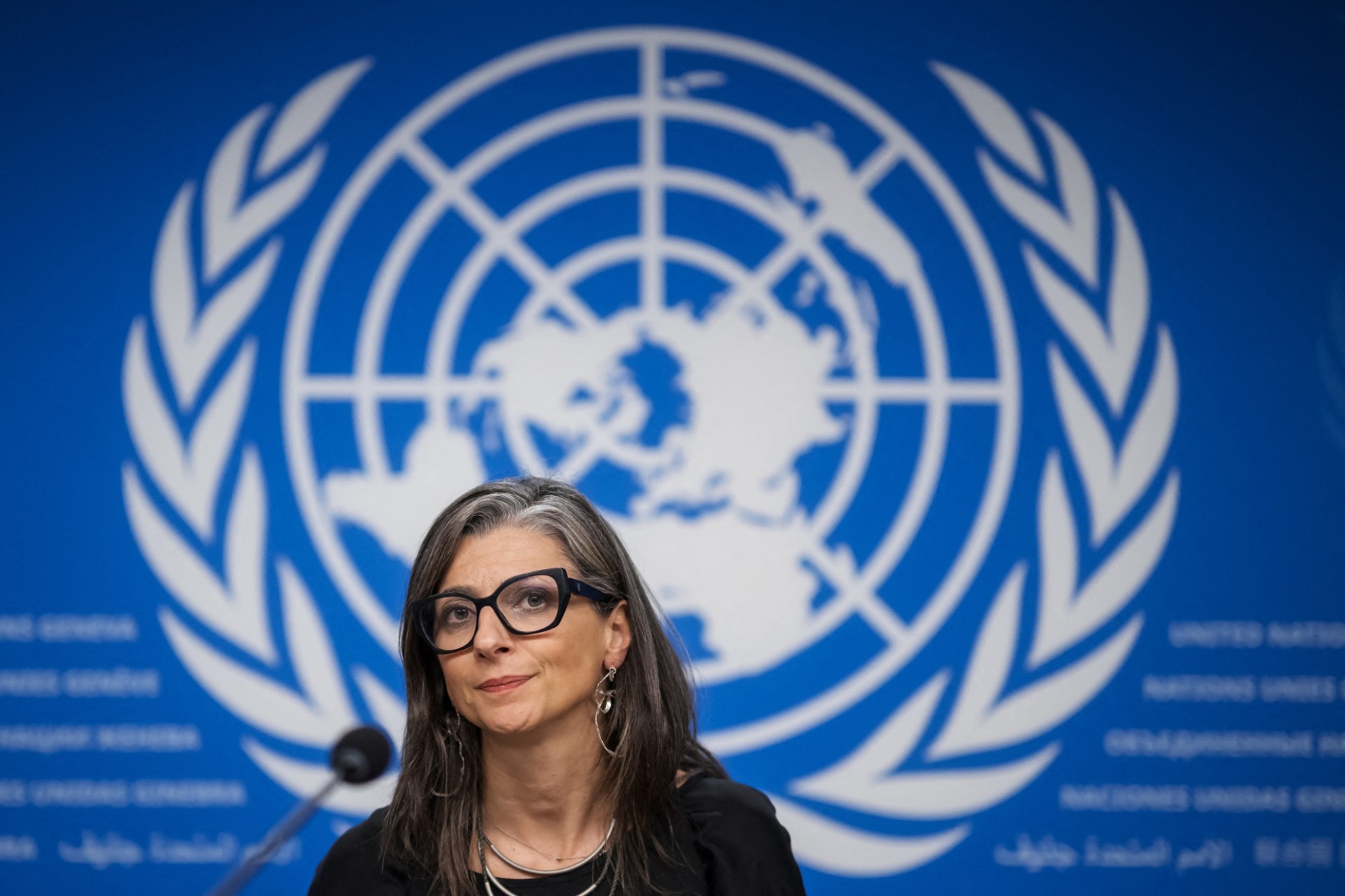
Do you believe that the US sanctions imposed on you are, in fact, directed at the United Nations itself? And why?
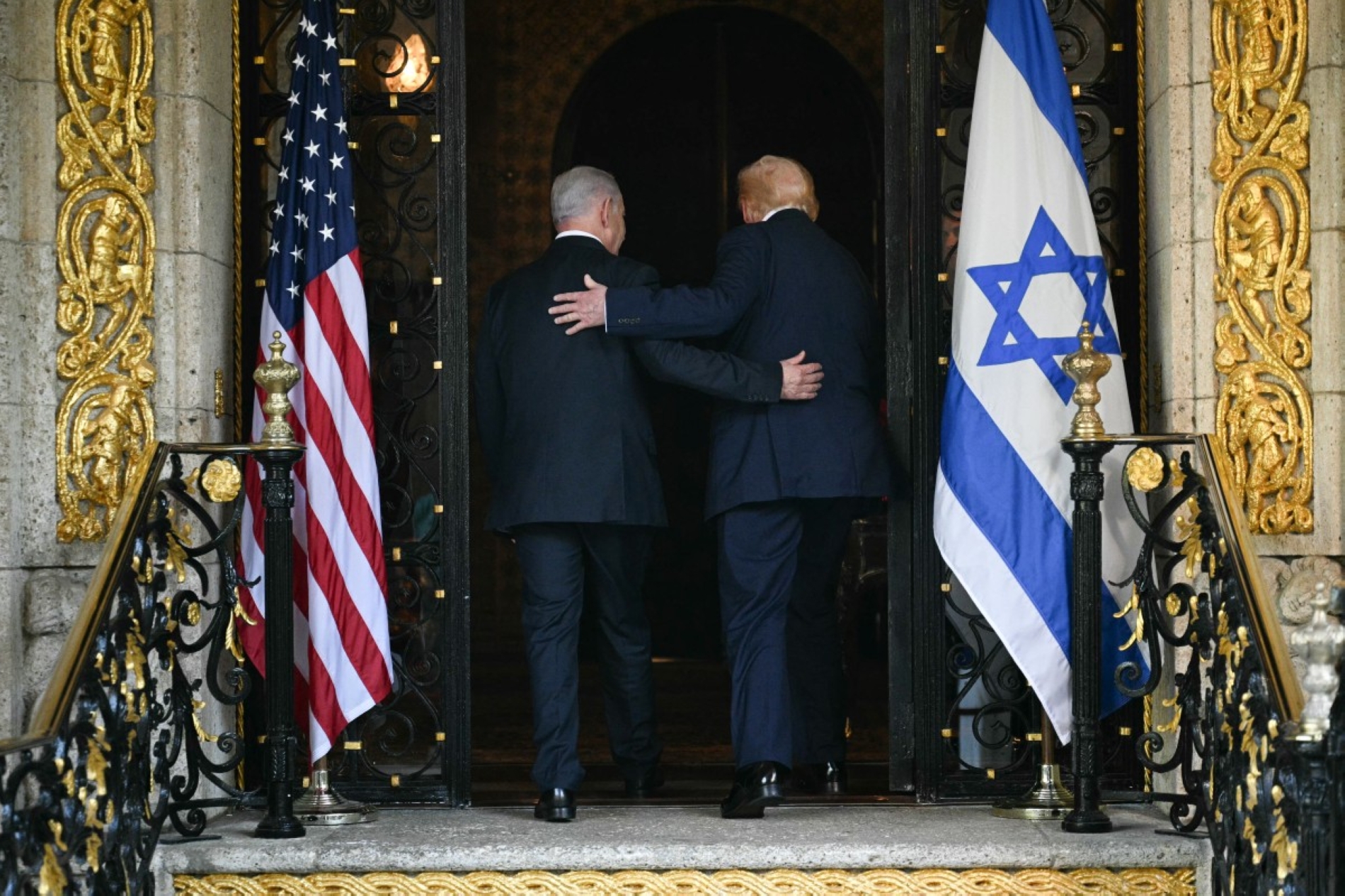
I believe they target anything that resists the dictates of a particular international order—one that finds its most extreme expression today in the policies of the Donald Trump administration, both within the United Nations and beyond it.
As you can see, the sanctions extend beyond the United Nations to the International Criminal Court and to activists. And don't forget the accusations of terrorism levelled at those who criticise Israel.
This is a system actively seeking to remove dissenting voices for the benefit of forces that profit from the genocide in Palestine. The genocide in Palestine has become a prototype for the exercise of power.
What do you mean by that?
What is happening in Palestine is not an isolated crime. It is a model that reveals how power is exercised across the world. Palestine is a laboratory—a prototype of repression and oppression. Some of its mechanisms could be transferred to Western democracies themselves, particularly amid intensifying militarisation, expanding surveillance and technology, and the growing concentration of wealth and power.
Palestine thus becomes a concentrated example of a system in which human life itself can be sacrificed to preserve power and economic and political interests.
Do you feel supported by the United Nations and its various agencies? And is the UN developing new mechanisms to ensure legal protection for its representatives in light of your experience as the first person within the organisation to be subjected to US sanctions?
That is difficult to answer because, as the Secretary-General himself has said in relation to this matter, the United Nations is neither a homogeneous nor a unified entity. It comprises many different bodies and institutions.
Personally, I feel very strongly supported by those who genuinely uphold human rights. That includes parts of the United Nations, among them the Office of the High Commissioner for Human Rights, as well as a number of officials and staff members.
At the level of the organisation as a whole, however, I believe the defence of my case should have been firmer and stronger, going beyond the condemnations issued by states and other actors.
The fact that, a year later, I remain under sanctions and that scarcely anyone speaks about the matter any longer says a great deal about the level of protection the United Nations has provided.
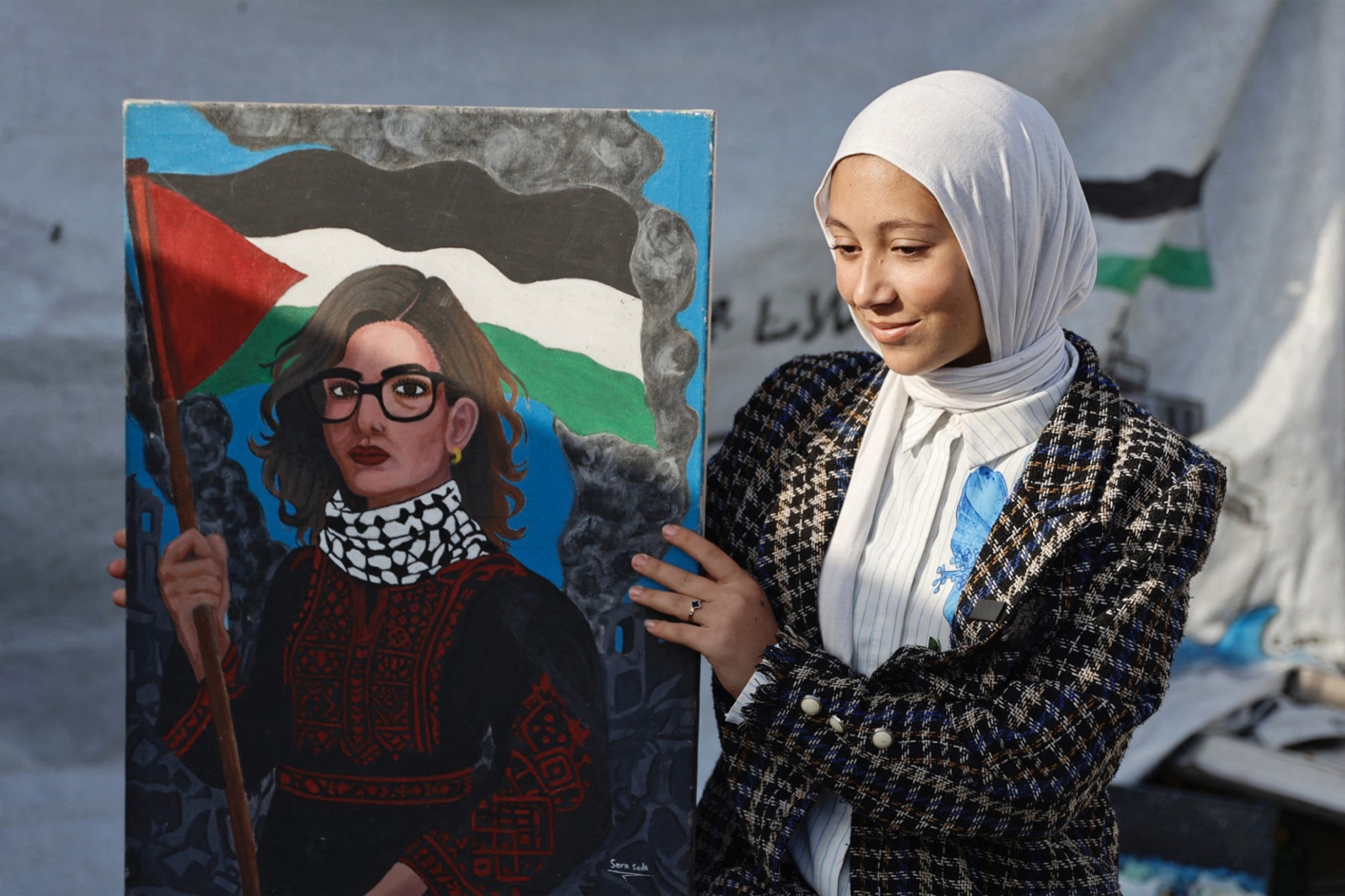
What changes are taking place today within the structures and mechanisms of the United Nations, given its failure to act in Gaza? Have people like you now been left to carry the cause of international law in place of the organisation as a whole?
Unfortunately, I believe the answer is yes. That does not mean things should remain this way. I do not believe the weight of the UN, or the values it represents, should be borne by individuals as the organisation itself retreats and deteriorates.
I believe everyone who belongs to the United Nations, whether a bureaucrat, diplomat, or administrator, must recognise that they are part of a system of values before they are representatives of a state, organisation, or agency.
Those values are human rights, peace, sustainable development and everything associated with them. I do not believe UN personnel uphold them strongly enough, and the same is true of the diplomats who form part of this international organisation.
That is the problem today. All the tools we need to resolve crises and prevent them already exist, yet we fail to use them. The problem lies with the people who work within the United Nations, rather than with the system itself.