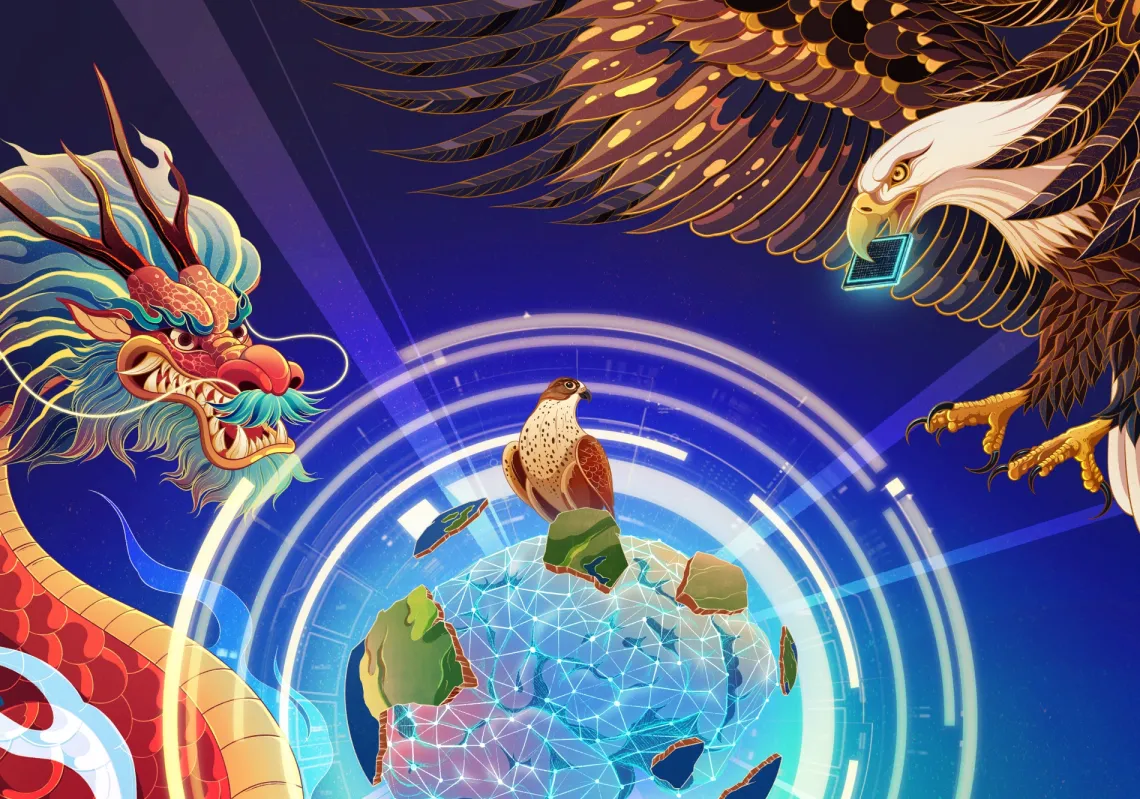

Artificial intelligence is redrawing the geopolitical map into competing technological spheres of influence. President Donald Trump’s administration is pressing partner countries to choose between American and Chinese technological ecosystems. The rivalry between Washington and Beijing now extends far beyond the race to develop the most powerful model. At stake is which side can build the larger international network around its chips, data centres, companies, and technological standards.
The US administration is considering asking countries that participate in both the American Pax Silica initiative and the China-led Global Organisation for AI Cooperation to choose between them. Pax Silica has 24 partners, while the Chinese framework has 29 founding states. But the balance of power depends on more than numbers. It also depends on economic weight, semiconductor capacity, computing power, manufacturing base, mineral resources, and each camp’s ability to set technological standards.
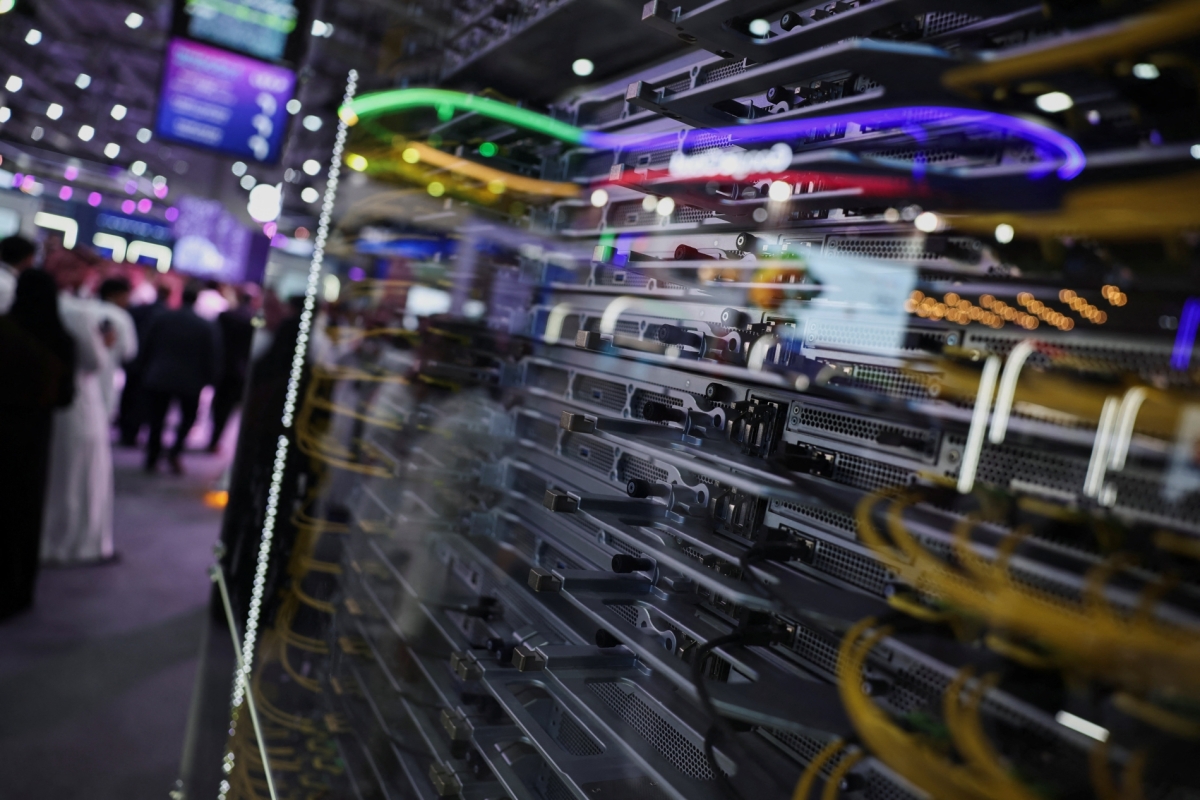
Artificial intelligence has become too complex an industry for any single country to command alone. Its supply chain stretches from critical minerals and semiconductor manufacturing equipment to chips, energy, data centres, cloud computing, models, and applications. Washington is therefore seeking to bring countries that control different parts of that supply chain into a trusted network. Beijing, meanwhile, is building a rival ecosystem grounded in its industrial strength, digital infrastructure, open-weight models, and expanding ties with emerging economies.
In the Gulf, the effects of this polarisation are already becoming visible. The UAE is aligning firmly with the US ecosystem, while Oman has joined the China-led framework. Saudi Arabia remains outside both camps, maintaining technological ties with the US, China, and Europe simultaneously. The question is whether Riyadh can continue to occupy this middle ground if access to the most advanced US technology becomes increasingly conditional on alignment with a clearly defined camp.
Two camps
Washington launched Pax Silica in December 2025 to build a network of trusted countries around the supply chains for artificial intelligence, semiconductors, and critical minerals. Seven months later, on 16 July, Beijing launched the Global Organisation for AI Cooperation. Among those within Pax Silica are Japan, South Korea, India, the UK, Australia, and the European Union, as well as the UAE and Qatar. The China-led organisation includes Russia, Brazil, Indonesia, Pakistan, South Africa, and Algeria.
The boundaries between the two camps have not been entirely closed. Kazakhstan joined Pax Silica and later also became a founding member of the China-led organisation, making it the clearest example of a country attempting to benefit from both systems at once. This kind of overlap is precisely what Washington has begun trying to prevent by pressing partners to choose one side.
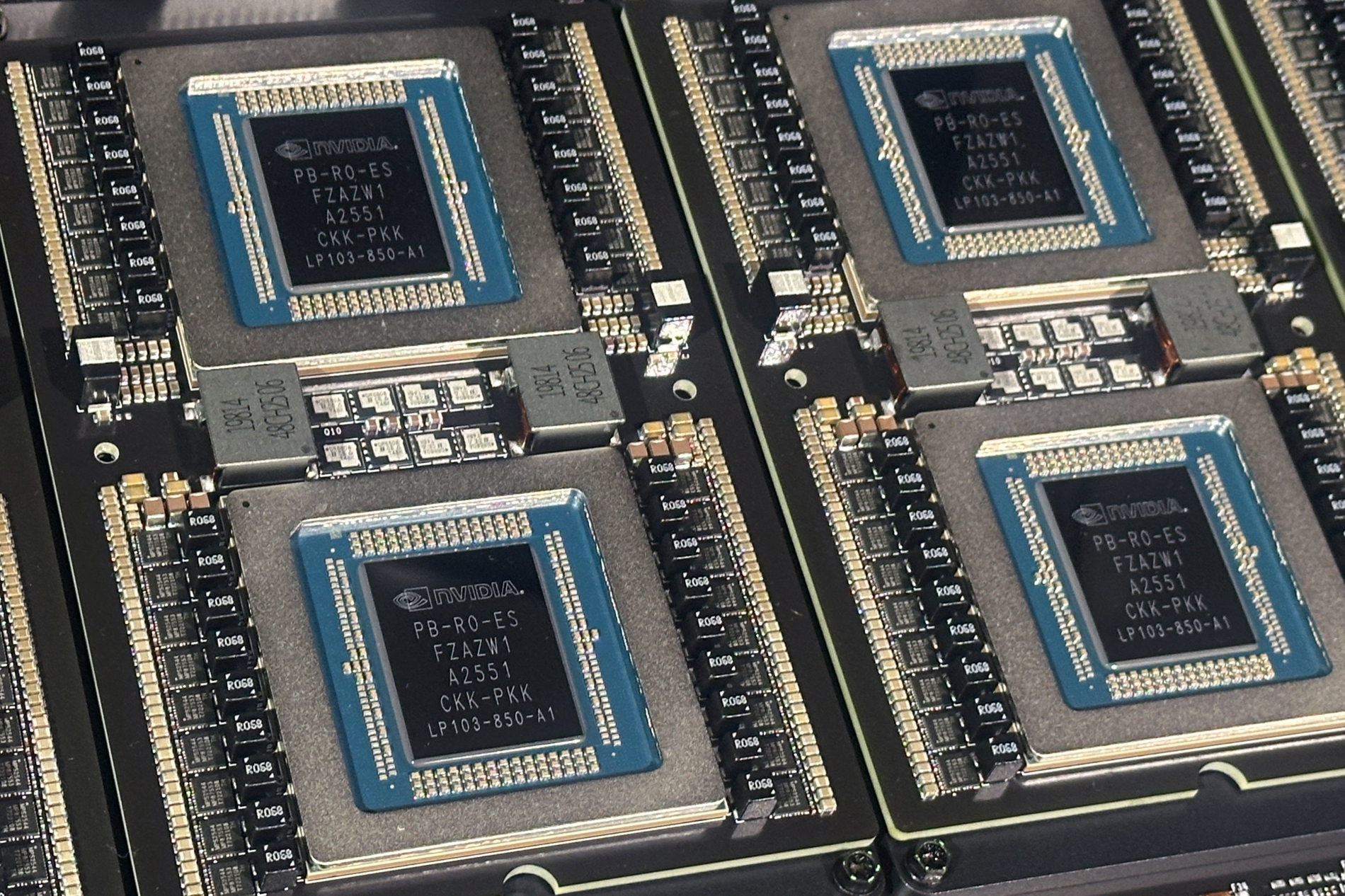
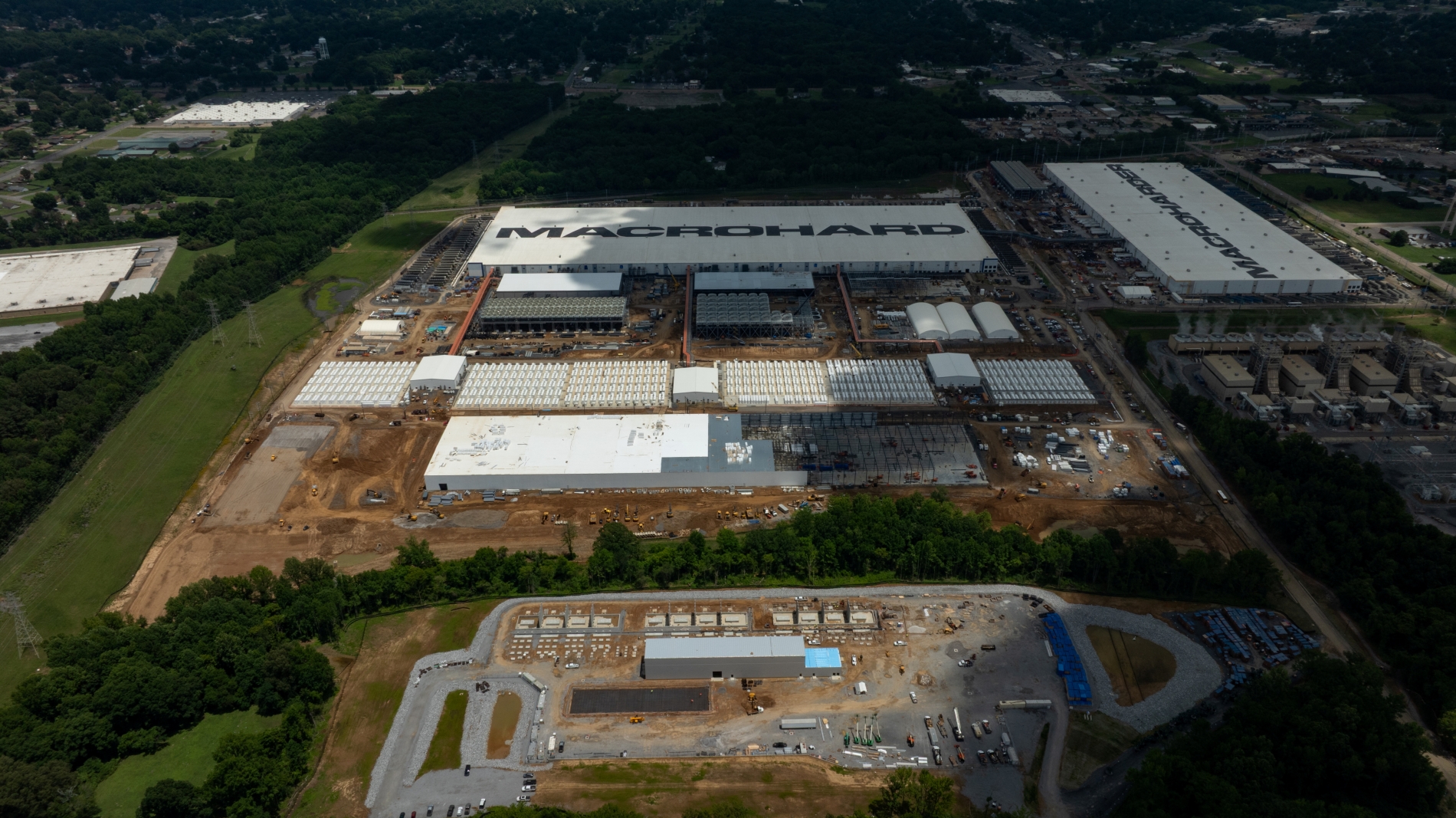
The key distinction between the two camps lies in the technological power each possesses. The US retains its greatest advantage at the most critical chokepoints in the AI industry. American companies such as Nvidia dominate the market for chips used to train and run advanced models, while Microsoft, Amazon, and Google control a large share of global cloud infrastructure. The US ecosystem also includes OpenAI, Anthropic, Google, and xAI, the companies behind some of the world’s most advanced models, supported by levels of capital and investment that China finds difficult to match.
China has built its strength in other parts of the industry. Open-weight models have become one of its key competitive advantages. Models such as DeepSeek and Alibaba’s Qwen allow companies and governments to run powerful systems locally and adapt them to their own requirements without relying entirely on the closed services of US companies. Their lower cost has also made them attractive to countries and businesses unable to afford sustained access to the most advanced US models.
Beijing is also seeking to turn its strength in open models into large-scale commercial applications. In January, Alibaba expanded its Qwen app to allow users to order food, book travel, and make payments from within the conversation, after the app rapidly surpassed 100 million monthly active users. In April, DeepSeek introduced a new version designed to work more effectively with Huawei's Ascend chips, bringing Chinese models closer to Chinese computing infrastructure and reducing dependence on Nvidia.