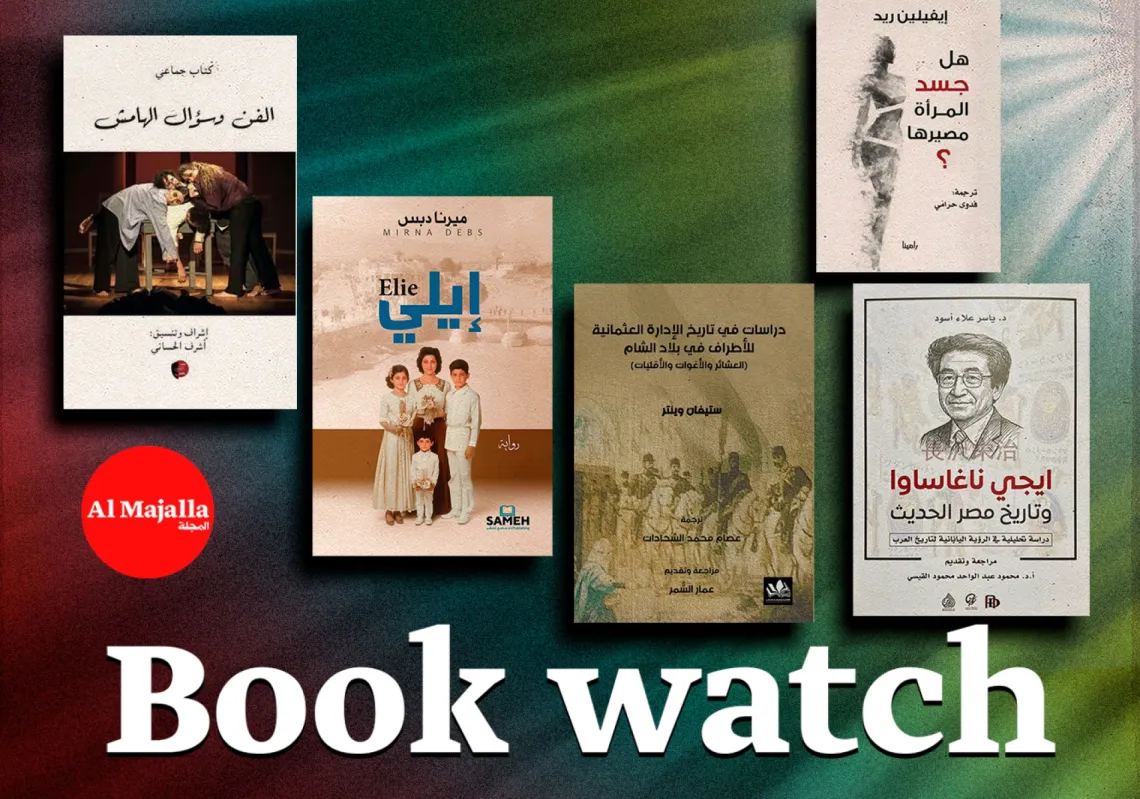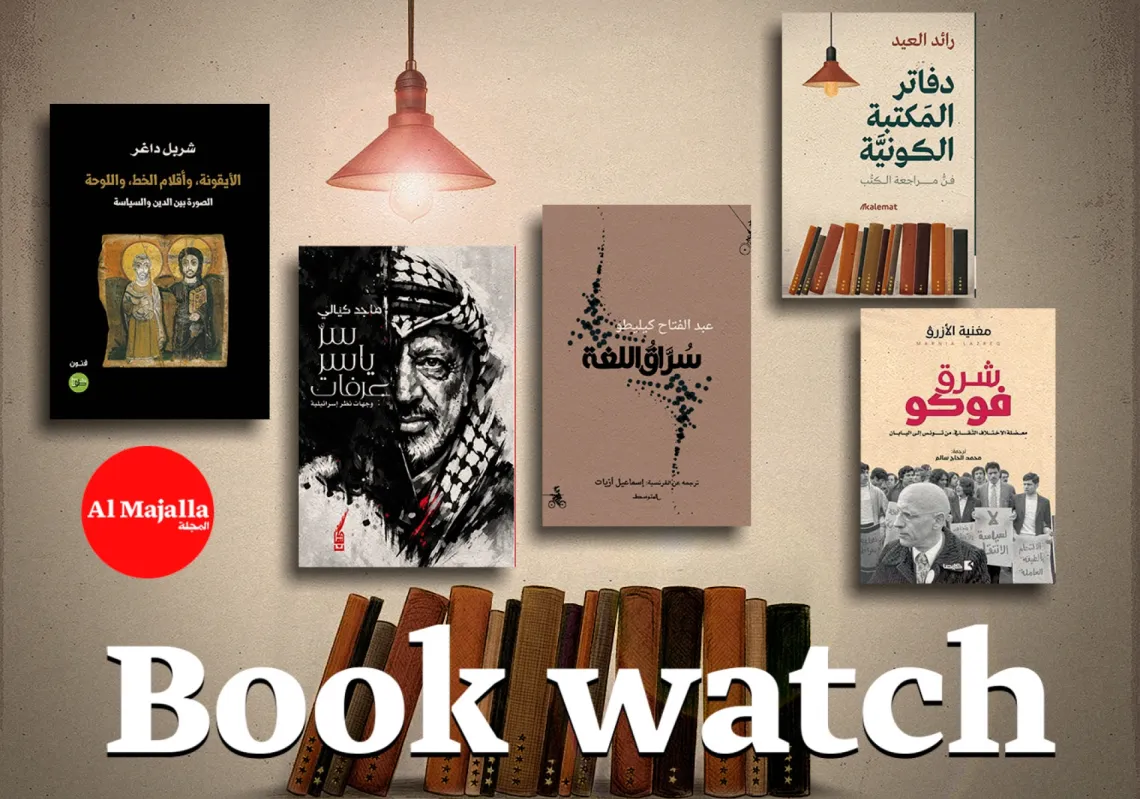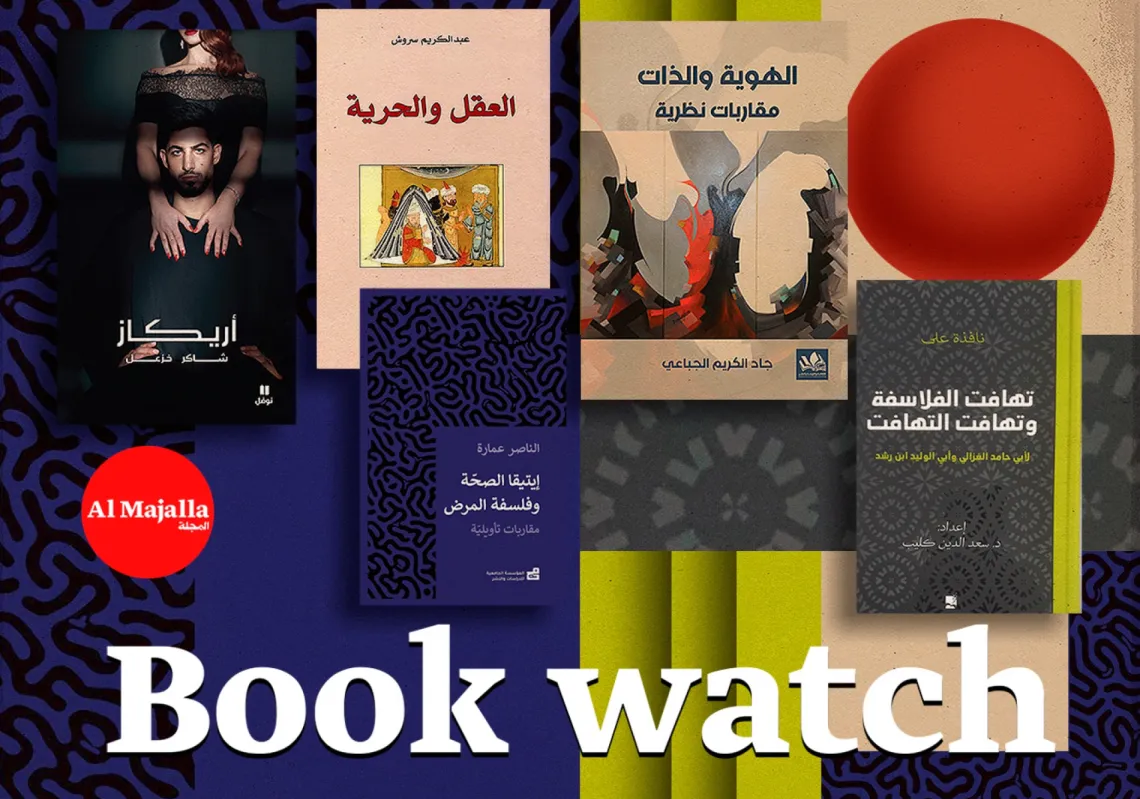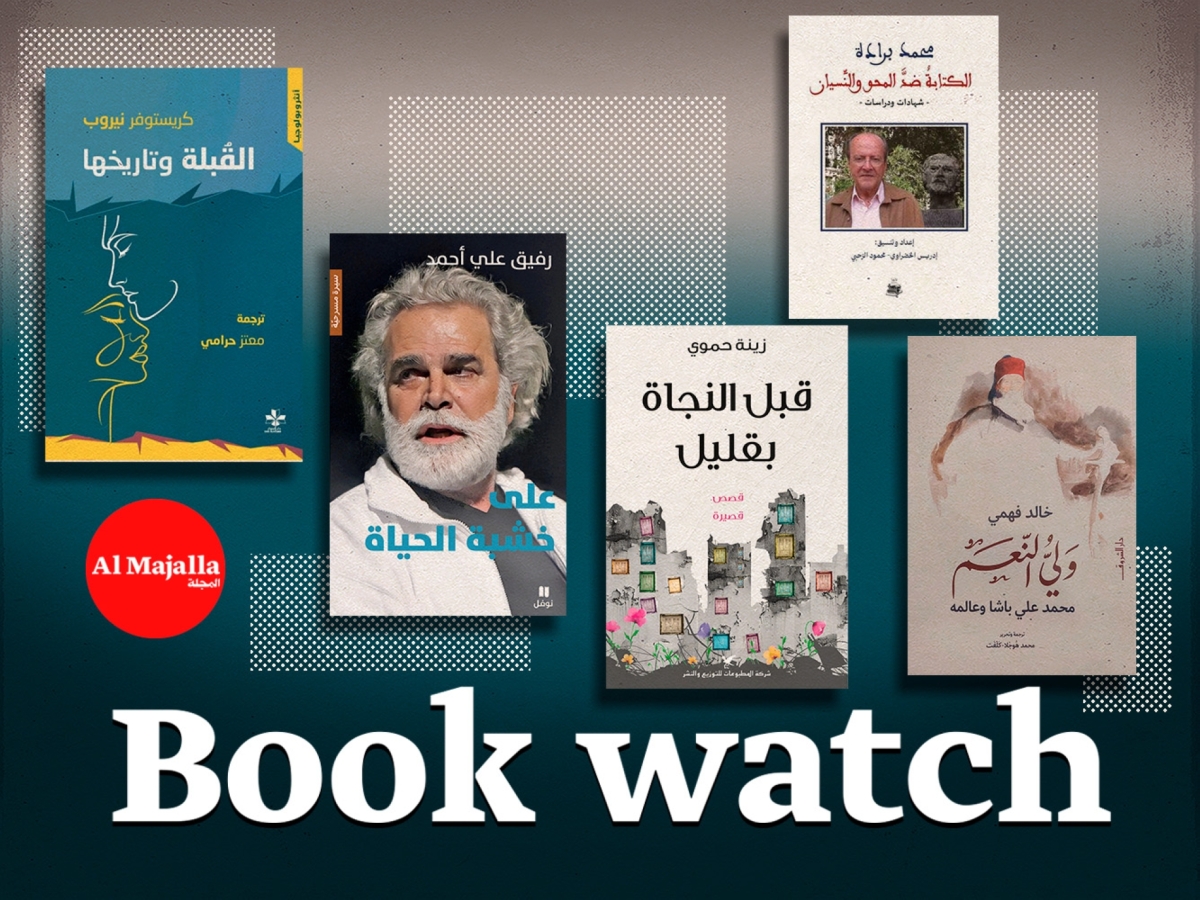

The Arab world has a vibrant and rich literary scene. In this fortnightly feature, Al Majalla picks out some choice titles in our round-up of the latest Arabic books.
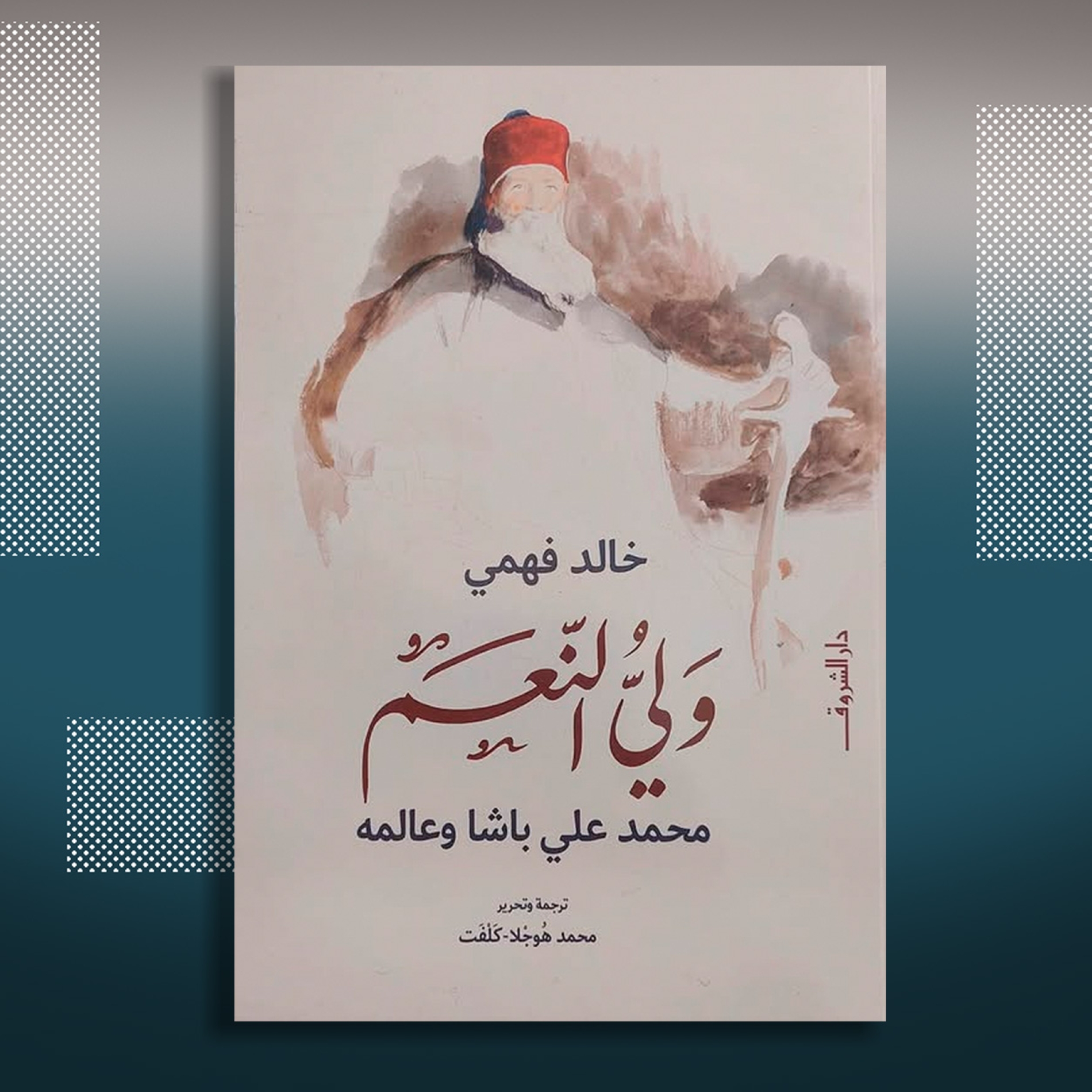
The Benefactor: Muhammad Ali Pasha and His World
By: Khaled Fahmy
Translated and edited by: Mahammad Hoogla-Kalfat
Publisher: Dar El Shorouk, Egypt
In The Benefactor, historian Khaled Fahmy revisits one of the most prominent and controversial figures in modern Egyptian history: Muhammad Ali Pasha, the former Governor of Egypt for the Ottoman Empire, who ruled for more than four decades across the early 19th century.
This book reassesses his character, his project, and the world in which he operated. Fahmy said he aimed to “recognise Muhammad Ali’s unique standing and value his many achievements without slipping into uncritical glorification”. He traces his subject’s life from his arrival in Egypt in the early 19th century, when he had neither status nor wealth, to his death around half a century later, by which time he had established dynastic rule that lasted almost a full century.
Along the way, it charts his rise to power, his political and military struggles, and his projects in agriculture, industry, the army, and administration, as well as, naturally, his relationship with the Ottoman state and the European powers. Muhammad Ali, who was born in Ottoman Albania, said of himself: “It is enough for me that future generations should know that everything Muhammad Ali achieved he owed not to the advantages of birth, not to favouritism and not to anyone but himself.”
Of his ambition to rule Egypt, he said: “My history will not begin until the time comes when, freed from every constraint, I can awaken Egypt, which I love as I love my own country, from the slumber of the ages and prepare it for a new existence.” In a letter to the Grand Vizier about the notorious Citadel Massacre, he showed another, more ruthless side to his ambition.
“When my limited mind became convinced that these wretches had chosen destruction, and that they would neither be drawn into our feigned service nor fall into the trap we had laid, I made use of the procession marking the departure of my son Tusun Ahmad Pasha for Birkat al-Hajj as a means,” he wrote.
“As necessity required, I brought in all the Mamluk emirs ostensibly in our service, 24 in number, together with all the kashifs and their aides, as well as the followers of those fugitives who eventually came. They were all brought into the Citadel, after which its gates were closed. All the prominent wretches were killed, without a single one being spared, and were sent to the abode of death and nothingness.”
The conventional image of Muhammad Ali is the ‘founder of modern Egypt,’ but the author searches for the essence of his character by asking whether he primarily sought to establish a modern state, or secure his own rule and that of his family. In the end, Fahmy concludes that the latter was closer to the truth; that Muhammad Ali did not come to Egypt intending to found a state in the sense later attributed to him. Rather, securing his own rule was the driving force behind his project.
Fahmy constructs this biography from a large body of Egyptian and foreign documents and sources, including Ottoman, British, French, and Russian archives. He approaches the documents with caution, since they reflect the perspectives of their producers. The book nevertheless offers a fresh reading of the period in which the modern Egyptian state was founded, combining personal biography with political and social history. Readers end up reflecting on the relationship between state-building, a ruler’s ambitions, and the price society pays for a political project.
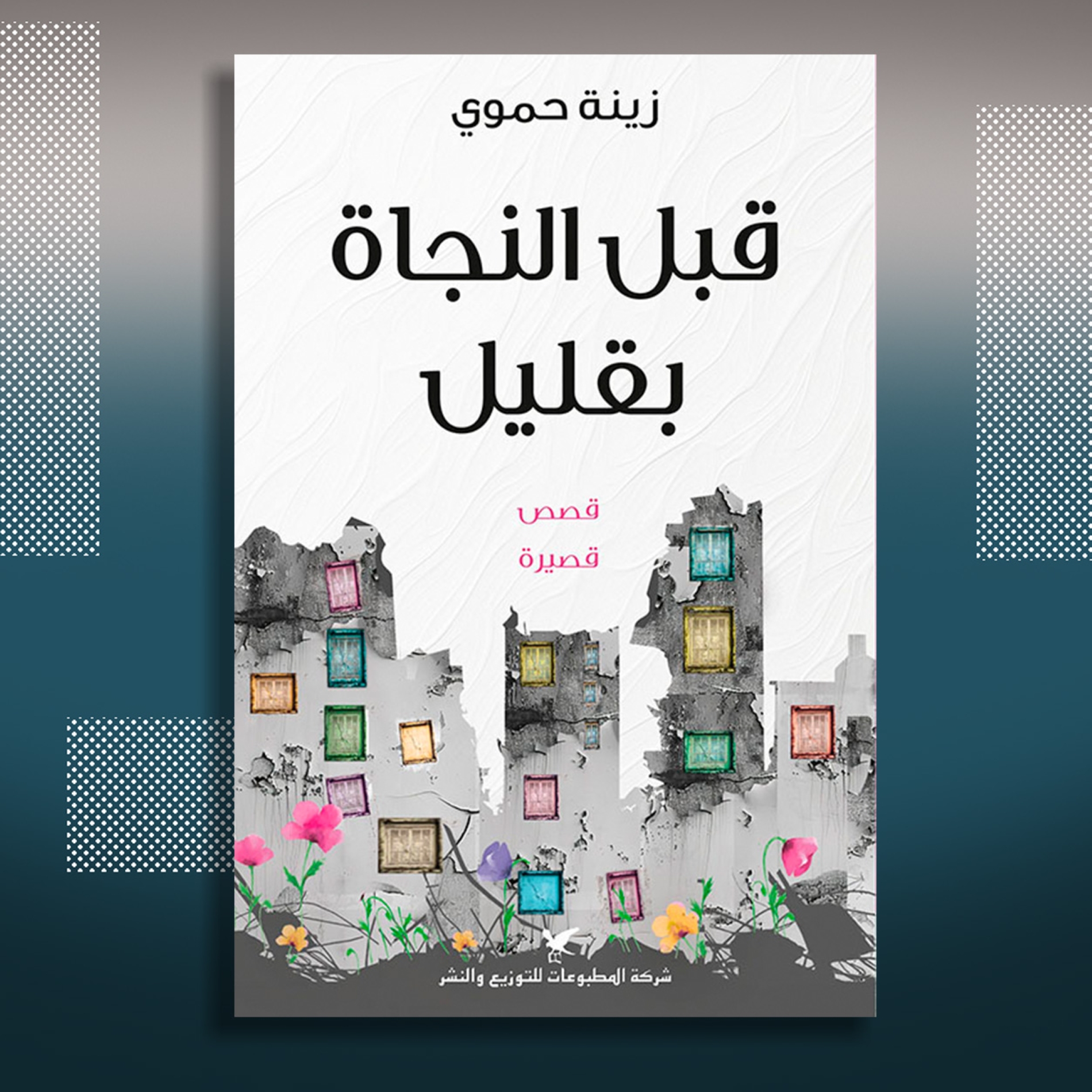
Just Short of Survival
By: Zeina Hamwi
Publisher: All Prints Distributors and Publishers, Lebanon
In this short-story collection, Syrian writer Zeina Hamwi places the question of survival at the heart of a human experience burdened by war, loss, and exile. The 17 stories begin in exhausted homelands, homes, shelters, and tents, before moving to lands of migration and exile. Along this bitter journey, Hamwi captures faces, experiences, and emotions that often remain outside the dominant narratives of war.
The author looks at war through the lasting effects it leaves on people and society, rather than treating it as an event that ends when the fighting stops. As the title suggests, and contrary to what the word might initially imply, ‘survival’ is not simply a matter of staying alive or escaping death, detention, injury, and loss. A survivor may carry the war with them after leaving danger behind, living a life torn by memory, exhaustion, brokenness, fear, and lost hope.
The stories feature those who stand on the threshold of this deferred survival. Some have left places of pain for migration or exile but discovered that pain does not stop at the border and may even intensify after departure. Others remain inside the country, confronting the consequences of war in everyday life. In both cases, war remains present in memory, relationships, and perceptions of the future.