Egypt's Sahel: from tourist hub to economic centre

A wave of Gulf investment aims to transform the northern coast into a year-round economy that can attract foreign direct investment (FDI)

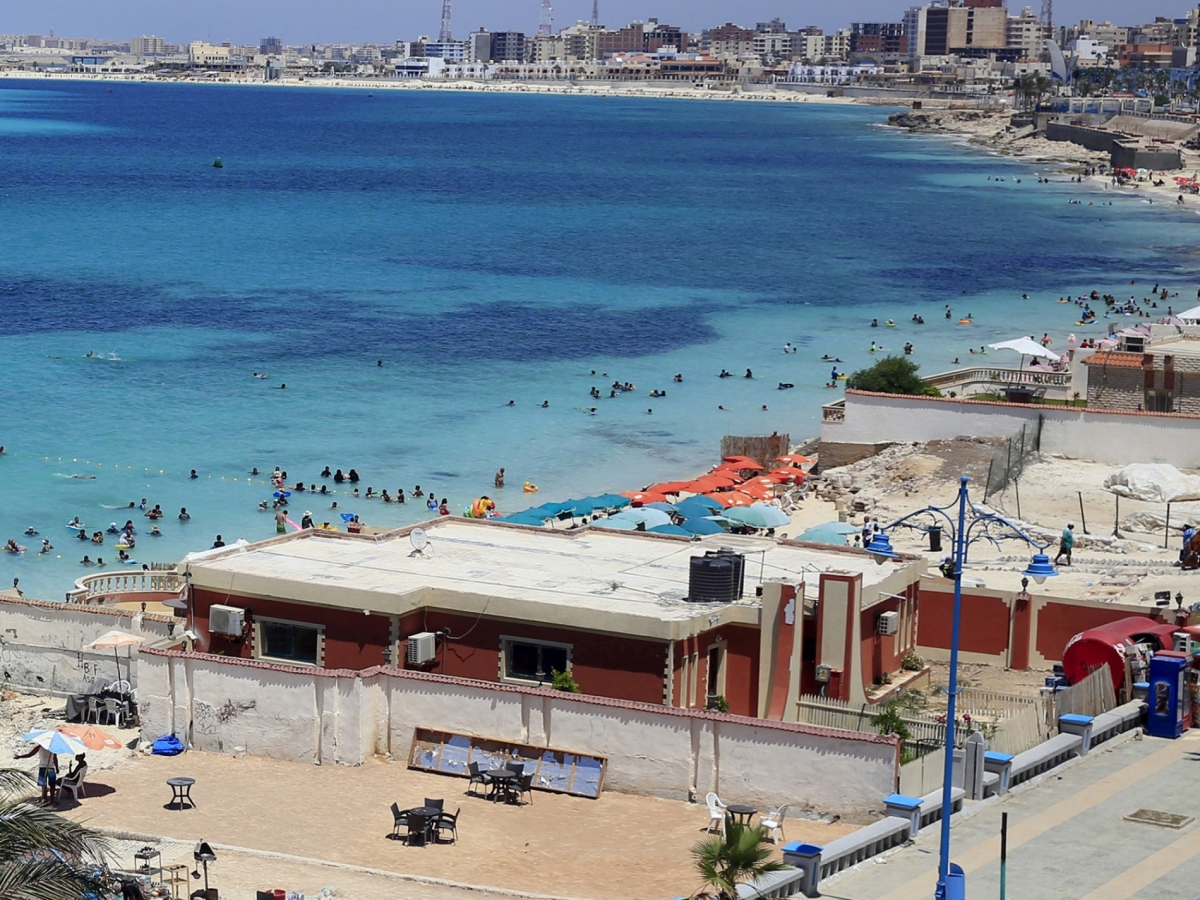
A beach in the city of Marsa Matrouh, overlooking the Mediterranean Sea northwest of Cairo, Egypt, on 16 June 2015.
Reuters
A beach in the city of Marsa Matrouh, overlooking the Mediterranean Sea northwest of Cairo, Egypt, on 16 June 2015.

Egypt's Sahel: from tourist hub to economic centre

From New Alamein to Ras El Hekma and Alam Al Roum, Egypt’s northwest coast is transitioning from a strip of resorts that fills up in the summer to a Mediterranean hub combining tourism, residential living, business, services, education, healthcare, and entertainment. The idea behind the shift is that land value lies partly in the economic activity it can generate on and around it.

A hotel creates jobs and attracts foreign visitors; a marina stimulates yacht tourism; a university attracts students; a hospital appeals to permanent residents; and restaurants, shops, transportation and services establish a community. In this sense, Alam Al Roum and Ras El Hekma are more than property developments; they test Egypt’s ability to transform its northwest coast into a year-round economy that can attract foreign direct investment (FDI), expand hotel capacity, and increase tourism and foreign currency revenues.

Alam Al Roum

On 9 August 2026, the real estate company QatariDiar launched the first phase of the Alam Al Roum project in Matrouh Governorate as part of an investment partnership with the New Urban Communities Authority. The total expected investment is $29.7bn, including $3.5bn in cash. The project covers 20.58 million square metres (sq.m.) with a seafront stretching 7.2km.

It is designed not as a cluster of summer homes but as an integrated coastal city comprising residential, hotel, commercial, cultural, leisure, educational, and healthcare facilities. Al Majalla was told that the aim is no longer to build tourist villages that operate for a few months a year, but cities that cater for residents and tourists year-round.

The first phase of Alam Al Roum covers four million sq.m., including about 1.4 million sq.m. of buildings. It features a 2km seafront and beach, lagoons connected to the sea that are suitable for swimming and yachts, and about 195,000 sq.m. of artificial lagoons. Open space accounts for around 85% of the total area. The first phase, which will cost around $4.3bn, includes four hotels offering more than 1,000 rooms, a marina for up to 50 yachts, sports centres, shops, and restaurants. It will create an estimated 30,000 jobs, both directly and indirectly.
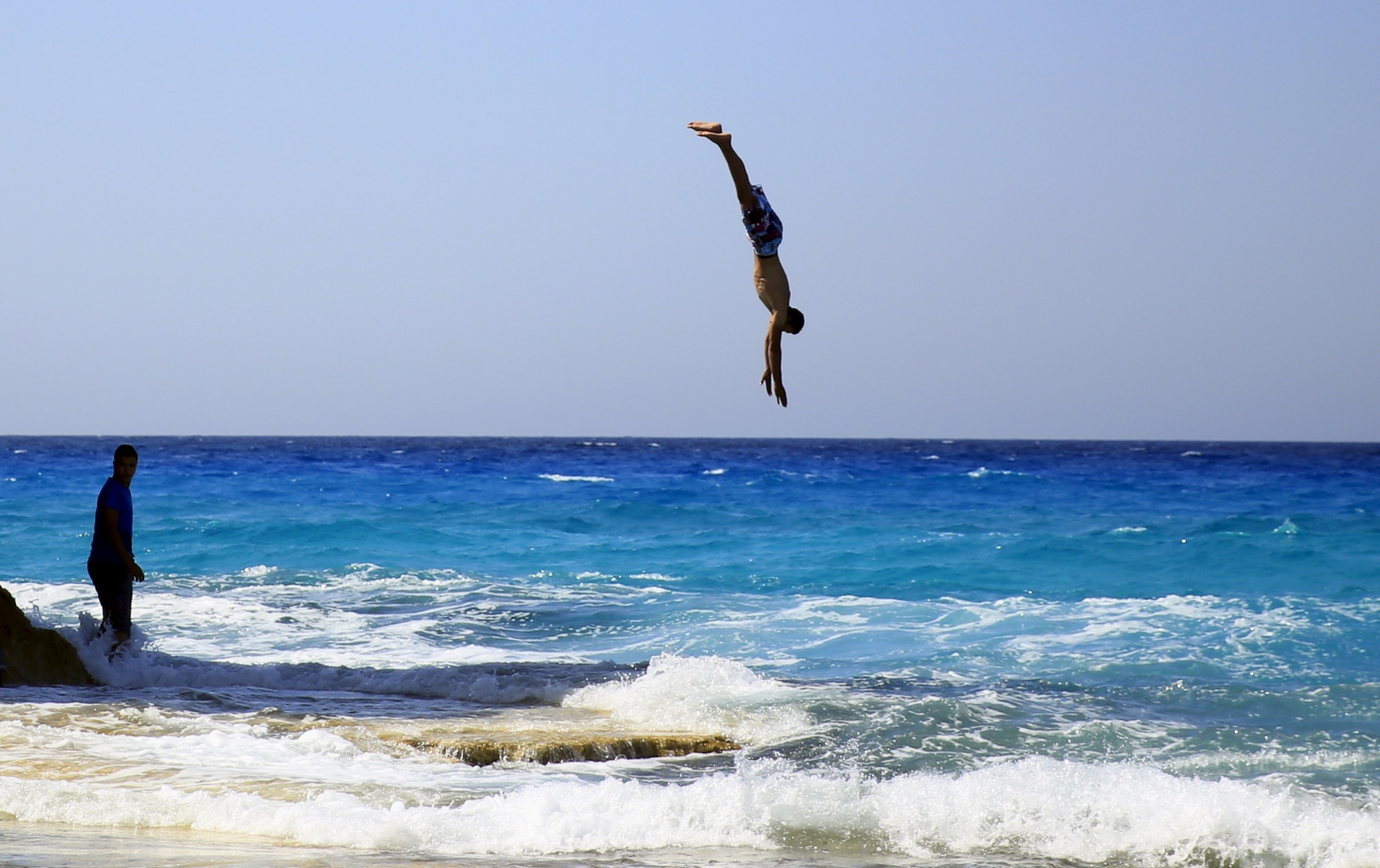
Reuters
Cleopatra Beach in the city of Marsa Matrouh, overlooking the Mediterranean Sea northwest of Cairo, Egypt, on 16 June 2015.

The project’s overall masterplan includes more than 3,500 hotel rooms across a group of internationally-branded hotels and resorts, an international marina for up to 370 yachts, another local marina accommodating 120 yachts, and an 18-hole golf course over 980,000 sq.m. The overall project also includes 22km of lagoons connected to seawater, 850,000 sq.m. of artificial lagoons, pedestrian and cycling routes, and a smart transport and water management system. The first phase is scheduled to begin in 2030.

Under the Alam Al Roum agreement, which is expected to generate returns of at least $1.8bn, the state retains a 15% share of the project’s profits once investment costs have been recovered. Economist Yasser Al-Alam believes the importance of this model “is not limited to the size of the incoming funds but extends to the way public assets are managed”.

He said: “Land, however high its value may rise, remains a dormant asset if it does not enter an economic cycle that generates jobs and drives tourism, services, construction, transport, energy, water, education, and healthcare.” Under this model, the state provides the land, infrastructure, and regulatory framework, while the investor brings financing as well as technical and marketing expertise. The state also gets an immediate cash return and shares in future revenues.

Al-Alam said the success of the project “should not be measured only by the size of the announced investment, but by its ability to employ Egyptian companies, increase demand for local contractors and suppliers, train workers, and provide genuine opportunities for people from Matrouh and the surrounding areas”. Tourism projects increase demand for transport, restaurants, retail, and entertainment, creating a knock-on effect. In this way, FDI shifts from being a temporary financial inflow to a driver of local economic activity that can continue for years.
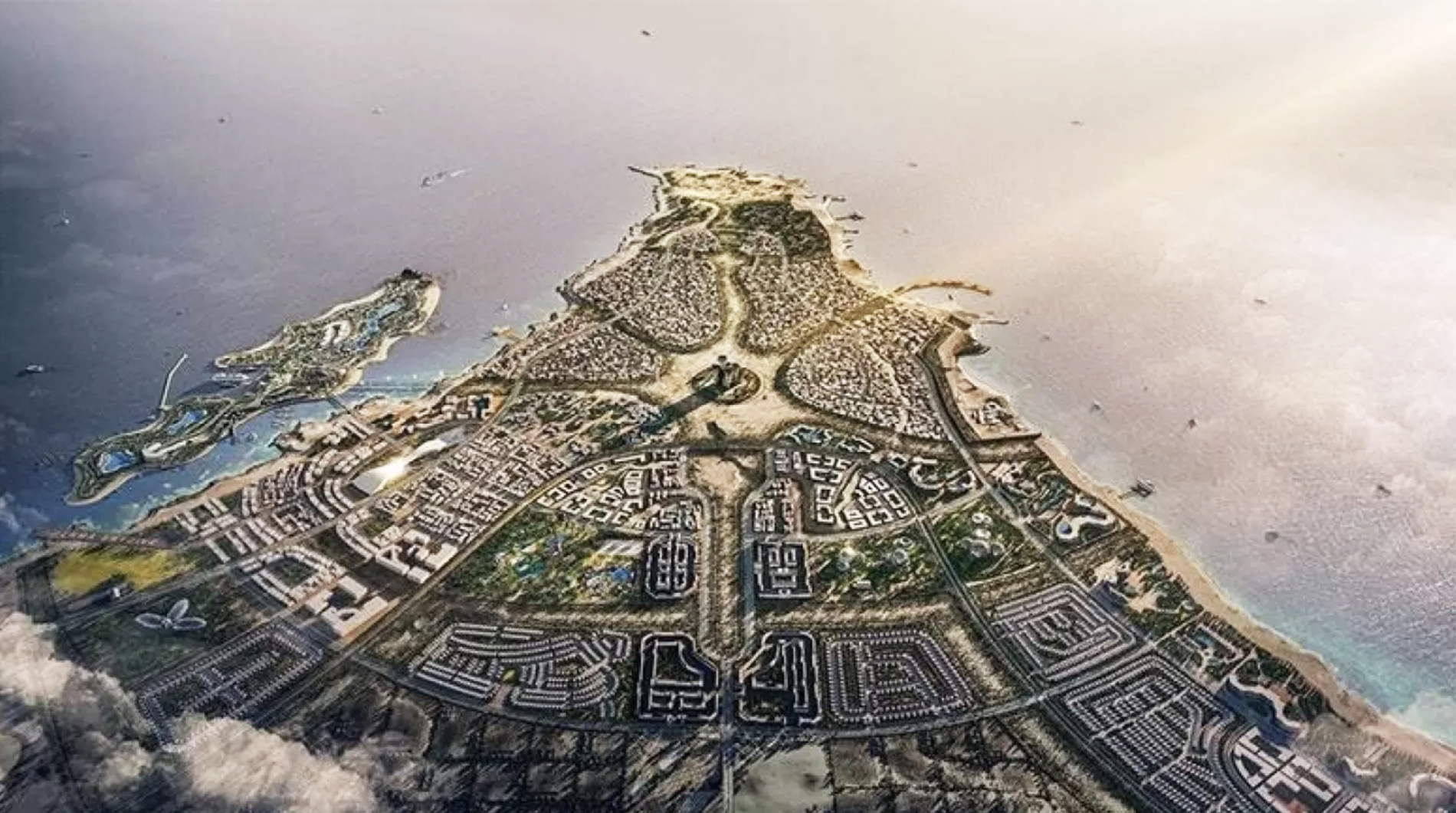
Courtesy of Egypt's government
A render of the Ras El-Hikma development project in Egypt.

Ras El Hekma

The Alam Al Roum project stemmed from the 170 million sq. m. Ras El Hekma deal in 2024. The United Arab Emirates agreed to invest $35bn, including $24bn for development rights to the area and $11bn in deposits to be converted into investments in Egypt. The Egyptian government retains a 35% stake. The masterplan includes residential, tourism, commercial, and leisure districts, a free zone, a financial centre, hotels, marinas, an international airport and new roads.

Emirati sovereign investor ADQ appointed Modon Holding as the project’s master developer. Cumulative investment could hit $110bn by 2045. The entry of Emirati and Qatari capital, alongside international companies and brands, reveals the coast’s shift from a market based mainly on Egyptians buying summer homes to a long-term regional and international investment space, according to observers.
The first line of a high-speed electric rail network linking Ain Sokhna with Alexandria, Alamein, and Marsa Matrouh, which will function as a logistics corridor

Masterplans and hotel brands alone will not turn the coast into a year-round destination. A permanent city needs schools, universities, hospitals, offices, companies, markets, transport, communications, and homes, in addition to hotels. Work is underway on the first line of the 660km high-speed electric rail network linking Ain Sokhna with Alexandria, Alamein, and Marsa Matrouh as part of the Sokhna to El Dekheila logistics corridor. It will serve coastal cities and stations including Sidi Abdel Rahman, El Dabaa, and Ras El Hekma, while also linking the coast to Cairo.

The Alam Al Roum project also benefits from its proximity to Marsa Matrouh International Airport and Alamein Airport, as well as the yet-to-be-built Ras El Hekma Airport. The success (or otherwise) of this network will depend on whether it evolves from infrastructure that mainly provides access to summer resorts into a system that supports residence, work, and mobility year-round.

Reuters
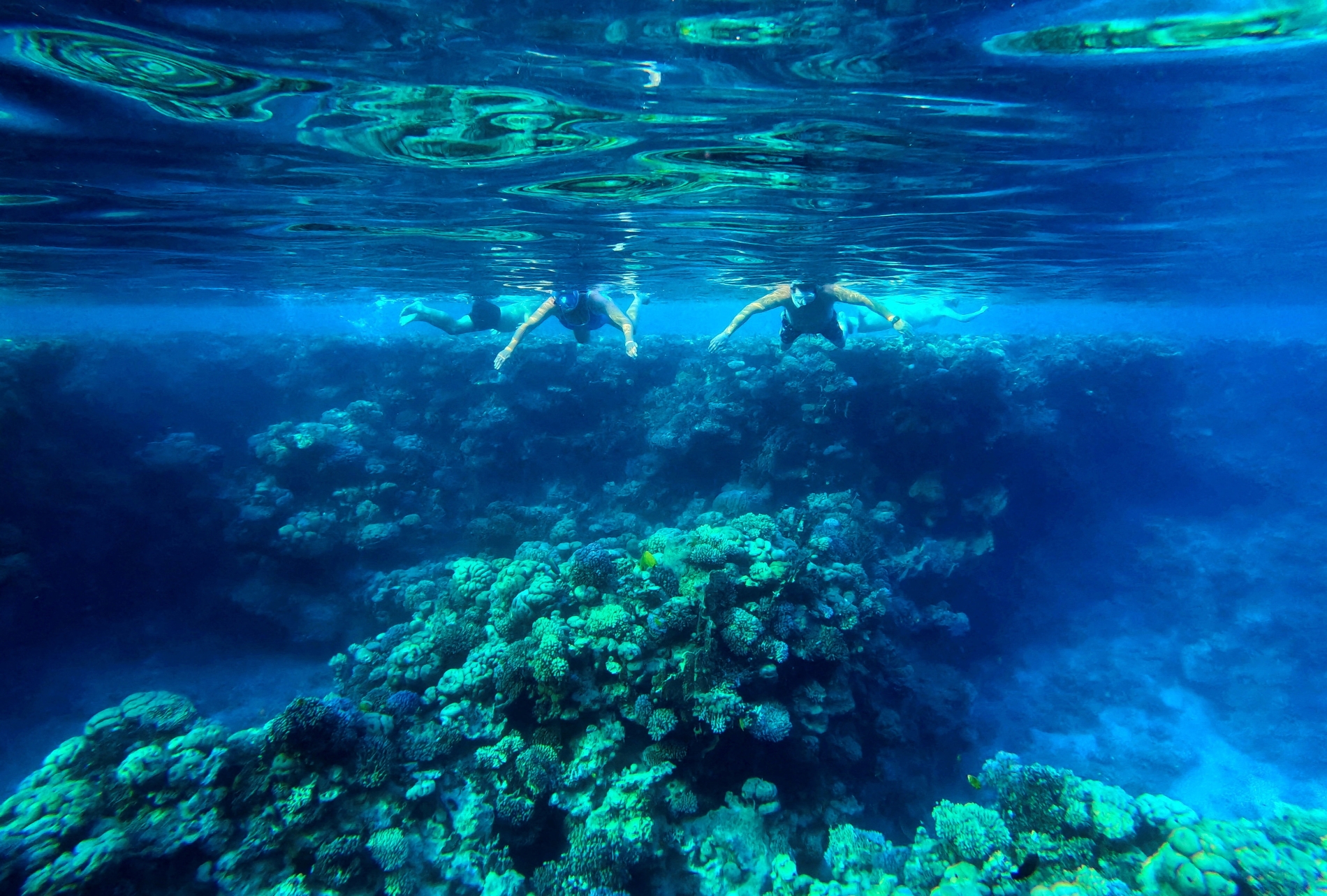
Tourists swim past a reef in the Red Sea in Sharm El-Sheikh on 14 October 2025.

Some think Egypt's well-known Red Sea resort, Sharm El Sheikh, offers a lesson after the city became a year-round tourist destination. Yet it differs greatly from the north coast, not least in climate and urban composition, so inferences can only go so far. Egypt's north coast has a broader opportunity to combine tourism, permanent residence, business, investment, education, healthcare and entertainment in one place.

Egypt wants to raise annual tourist numbers to 30 million by 2028 and hopes that investment will increase hotel capacity and air traffic, alongside plans to develop marinas and organise events such as conferences, festivals, and tournaments. The north will need to be marketed as an integrated new Mediterranean destination, rather than merely an area for summer resorts and property developments, emphasising connections between Alamein, Ras El Hekma, Alam Al Roum, and Marsa Matrouh with Alexandria, Siwa, and other Egyptian destinations. Combining destinations in itineraries would lead to longer visits and more spending.

Four proposals

Investments in the north could increase demand for transport, logistics, trade, education, and healthcare, while raising the value of surrounding developments and helping redistribute economic activity away from overcrowded traditional centres. But local communities cannot remain on the margins of projects built in their own areas. Local employment and rising income levels in surrounding communities are needed.

Egyptian MP Samira El-Gazzar suggests four ideas to strengthen the economic and social impact of the projects and protect state assets. The first is to link the north coast with oases and natural destinations that may have been overlooked, such as Siwa, Bahariya, Dakhla, and Kharga. El-Gazzar proposes developing the transport network to cater for tourism programmes that combine beach tourism with ecotourism, medical tourism, and desert adventures.

 Anne-Christine POUJOULAT / AFP
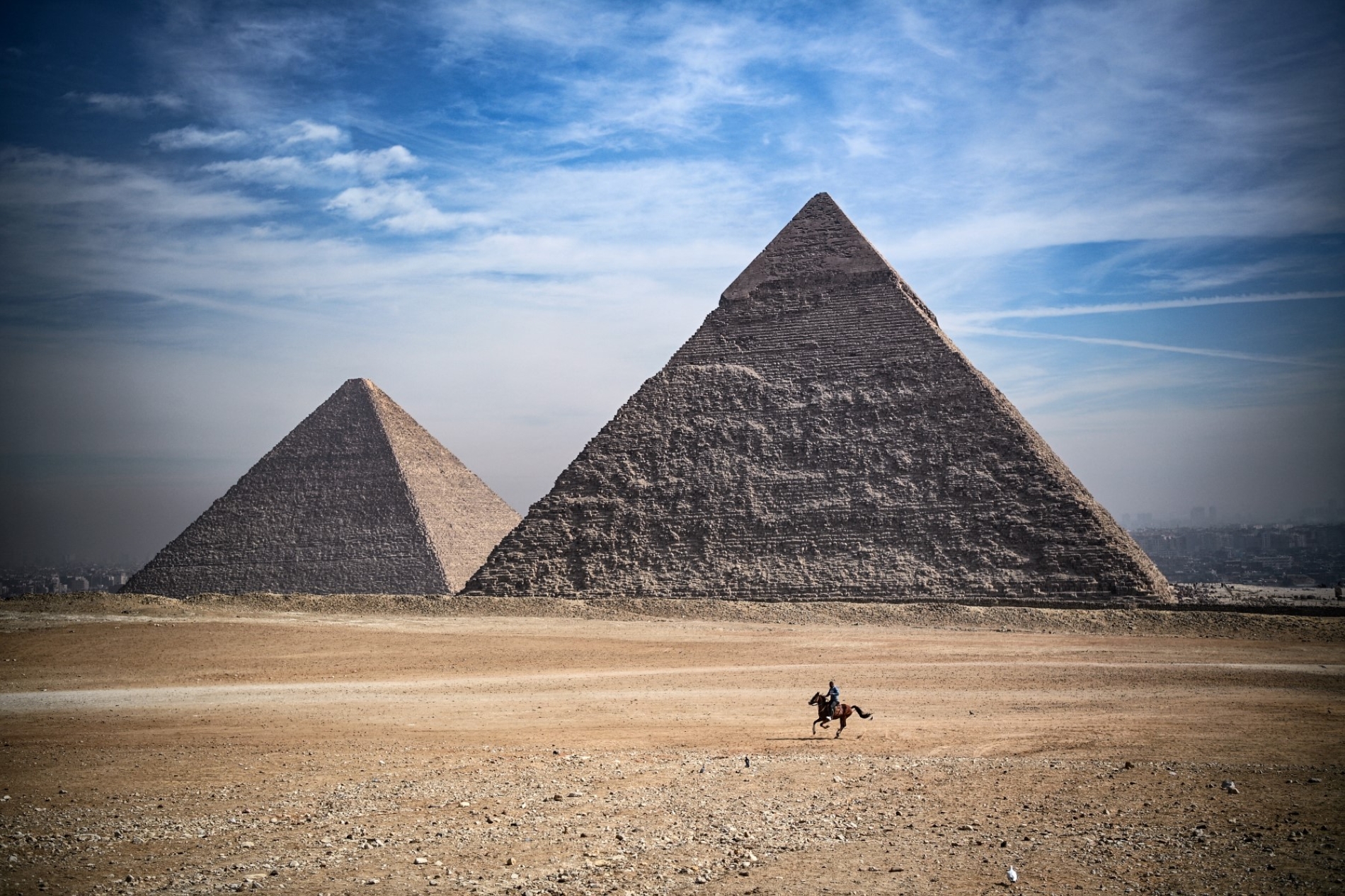
A man riding a horse in front of the Giza Pyramids, 2021.

The second proposal is "to adopt a usufruct system instead of transferring land ownership to investors in coastal and border areas, for specified periods of up to 50 years". A usufruct system is a legal right that lets someone use and make money from another's property for a specified period. El-Gazzar believes this model would attract capital while preserving sovereign ownership of the land.

The third idea involves "allocating an agricultural and industrial desert hinterland to coastal projects, providing part of their food, commodity, and industrial needs, and limiting their full dependence on distant supply chains". The fourth proposal is for desalination plants to meet the water needs of hotels, homes, agriculture, and industry in the desert hinterland.

Mediterranean frontage

The north coast has distinctive beaches and is close to both European and Arab markets, but a genuine transformation requires hotels that can operate beyond the summer season, year-round flights, effective public transport, health, education, a continuous calendar of events, and a balance between the pace of investment and the preservation of beaches, water resources, and the local environment. Local communities will also need to benefit from the investment for it to succeed.

This is why Alam Al Roum and Ras El Hekma are more than two real estate projects; they are a test of Egypt's ability to turn its northwest coast into an integrated economic and tourism hub. Success will be the creation of cities where people live, work, and study; where tourists are welcomed year-round; and where jobs, foreign currency, and local economic returns are generated.

font change