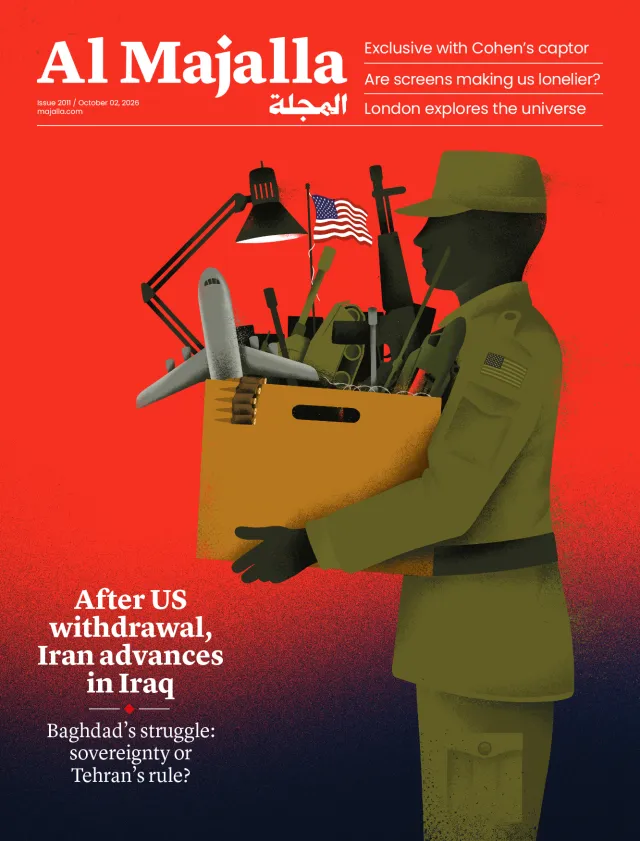

Al Majalla’s cover story last week focused on the run-up to Israel’s October legislative elections. Michael Horowitz profiles frontrunner Gadi Eisenkot and explains what a change in leadership could mean for Israel and the region after three years of war.
For his part, Bilal Saab explains why some Gulf states are repositioning themselves not merely as consumers of security but as architects of it after the US war on Iran. Meanwhile, Ahmed Maher interviews CENTCOM spokesman Tim Hawkins, who details Washington's military achievements against Tehran and its regional proxies. Anwar Ansi explains why he thinks it's a dangerous gamble for the Houthis to tie their fate to the outcome of the US-Iran war. And Rana Freifer asks whether Trump’s new ‘Economic D-Day’ sanctions against Iran will bite, and why the answer may depend on China.
On to the US, Con Coughlin explains why CIA director John Ratcliffe’s secret visit to Moscow is so concerning, while Keith Johnson argues that the US bond crisis exposes a deeper fiscal rot. Moving to Sudan, Shawgi Abdelazim wonders if the establishment of the Tasis government, a governing authority in RSF-controlled territory, could be the first institutional building block of eventual secession?
In Science, Alaa Emara explains how Global warming is turning sleep into a global health crisis, while Mohammed Mansour details how social media is transforming how people seek medical advice.
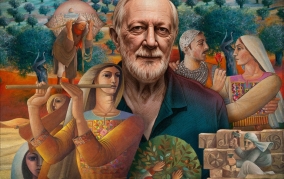
And finally, in Culture, Farouk Yousif looks at the life and legacy of the renowned Palestinian artist Sliman Mansour, who recently passed away at the age of 79. And last but not least, Nabeeb Mubarak reviews a new book that shows how an intricate system of thought devised more than 350 years ago by Dutch philosopher Baruch Spinoza can apply today.
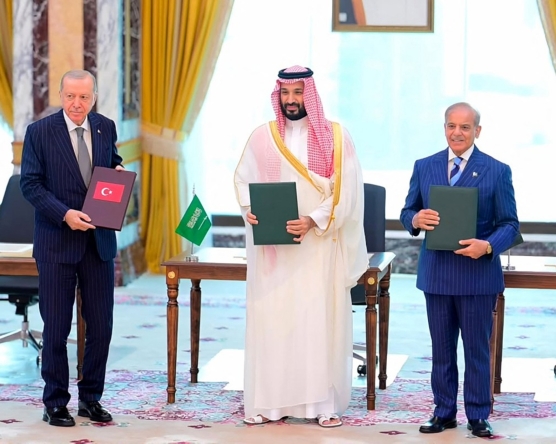
Networked Middle East security
The Iran war exposed the risks of being too closely tied to US military posture, which is why some Gulf states are repositioning themselves not merely as consumers of security but as architects of it
 Politics
Is Sudan heading for partition?
The establishment of the Tasis government, a governing authority in RSF-controlled territory, could be the first institutional building block of eventual secession
 Politics
'We are sealing Iran's ports and keeping Hormuz open'
In an interview with Al Majalla, CENTCOM spokesman Tim Hawkins details what the US has achieved vis-a-vis Trump's maximum pressure campaign on Tehran and its regional proxies
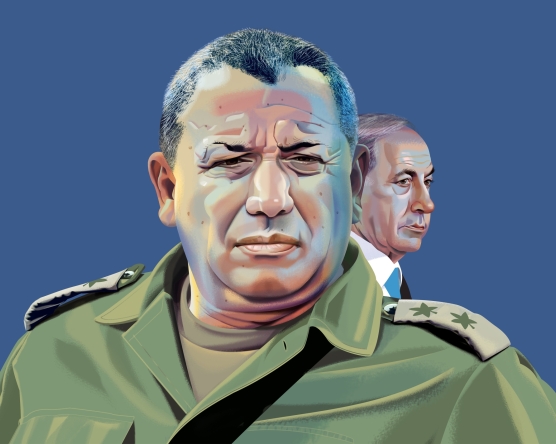
Gadi Eisenkot: Israel’s next leader?
Al Majalla looks at the former army general's career, political positions, possible paths to victory, and what a change in leadership could mean for Israel and the region after three years of war
Al Majalla - LondonThe Houthis once again fail to read the 'regional room'
Anwar Al-AnsiWhy Ratcliffe's secret visit to Moscow is concerning
Con CoughlinThe US bond crisis highlights a deeper fiscal rot
Keith Johnson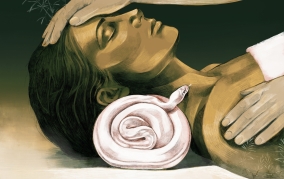 Science & Technology
When myth replaces medicine
As social media transforms how people seek medical advice, figures such as Barbara O'Neill offer something conventional medicine rarely can: absolute certainty
 Science & Technology
Global warming is turning sleep into a global health crisis
Warmer nights are messing with our bodies' ability to shed the heat we accumulate during the day. This is having all sorts of effects, none of them good
 Culture & Social Affairs
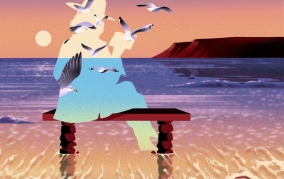
Reintroducing Spinoza to the social media generation
A new book about the controversial Dutch philosopher shows how an intricate system of thought devised more than 350 years ago can apply today
 Culture & Social Affairs
The artist who used land to capture Palestinian identity
Sliman Mansour, the renowned Palestinian painter who used clay from his land to make his works after deciding to boycott art materials produced by Israel, has died at the age of 79
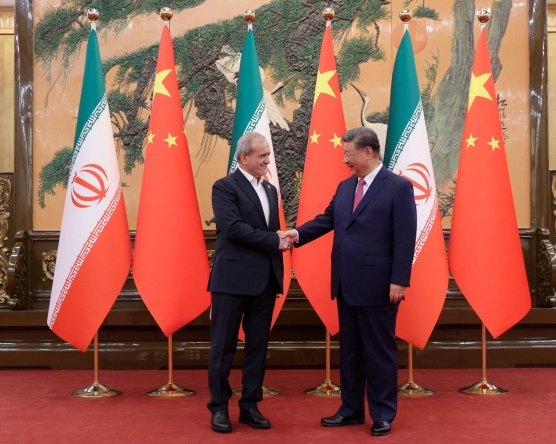
Will US sanctions on Iran bite? It may depend on China
Beijing says it will not abide by the new 'Economic D-Day' measures and warns the US of retaliation if they hurt their oil trade with Tehran
