
Death has long been a mystery. People have tried to explain it, imagine what comes after, and confront its finality through rituals that express its profound significance. It is also one of the most enduring philosophical questions and one of the clearest ways to understand how people make sense of life itself.
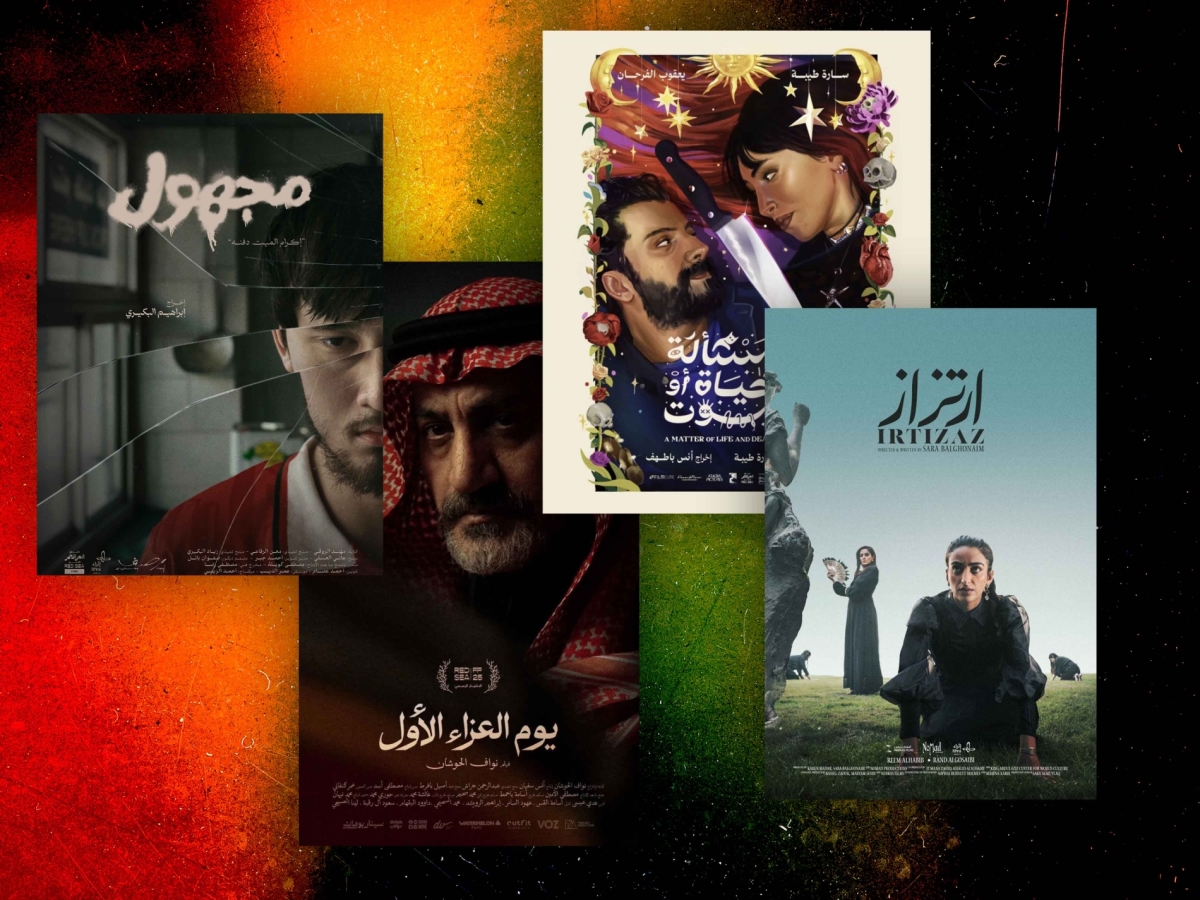
In Islamic culture, death occupies a prominent place in everyday life—a presence richly expressed in literature and the arts. This was evident in several works screened at the 12th Saudi Film Festival, held between 26 June and 2 July at the King Abdulaziz Centre for World Culture (Ithra) in Dhahran, where death was a central theme in three short films and one feature, while several other works touched on it more indirectly or in passing. In some of these films, death becomes a gateway to another life, opening onto worlds far removed from the sorrow traditionally associated with death. Here, death ultimately serves as a path towards love, marriage, and family life. This premise lies at the heart of both A Matter of Life or Death and Irtizaz.
In the first, a feature written by Sarah Taibah and directed by Anas Ba-Tahaf, the main character believes her family is under an evil curse that condemns its members to death if they reach 30 without marrying. In this fantastical world, marriage is the only way to break the curse. By chance, the ideal candidate is a doctor whose own life is imperilled by an abnormally slow heartbeat. The film received a special jury mention.
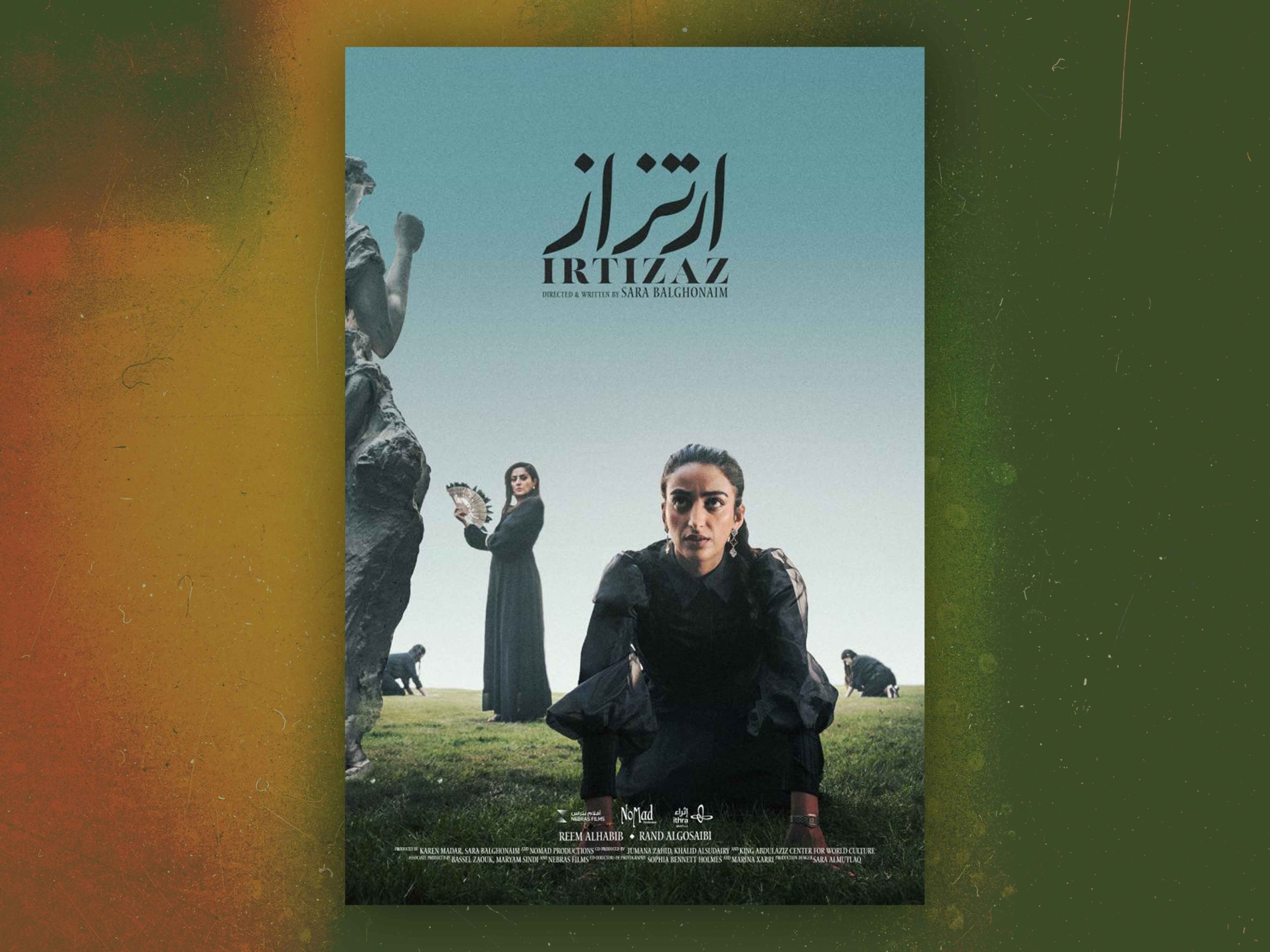
The short film Irtizaz, written and directed by Sara Balghonaim, centres on the death of a wealthy woman’s husband and the arrival of a crowd of young women. They come neither to offer condolences nor to share in the family’s grief. They have an entirely different purpose: to put themselves forward as potential wives for the widow’s only son. Mourning is thus transformed into a spectacle in which every kind of crude and undignified behaviour is used to pursue that goal.
In Ibrahim Al-Bukairi's short film Unknown, death brings devastating grief, loss, and pain, but also creates an obligation: the deceased must be freed from any worldly burdens left behind, especially unpaid debts and other financial obligations.
The plot needed a source of dramatic tension, and the filmmakers find it in deprivation, poverty, and helplessness, revealing how death can expose the vulnerability of those living on society's margins with little financial security. The power of this treatment lies in the fact that it takes the young man longer to settle his father's outstanding debts than the law allows the body to remain in the morgue. Once he has finally cleared the debts, he feels he has lost his father twice: first to death, and then because he was unable to perform the funeral prayer over him. By then, the authorities have classified the body as unidentified, and his father is buried without a proper farewell from those who loved him.
In First Funeral Day, directed by Nawaf Al Hoshan, a father returns to his former home and confronts his ex-wife and grown children in an attempt to uncover the truth about his son's death. The family, consisting of a mother, two brothers, and a sister, gives him conflicting accounts, with each telling him a different story.
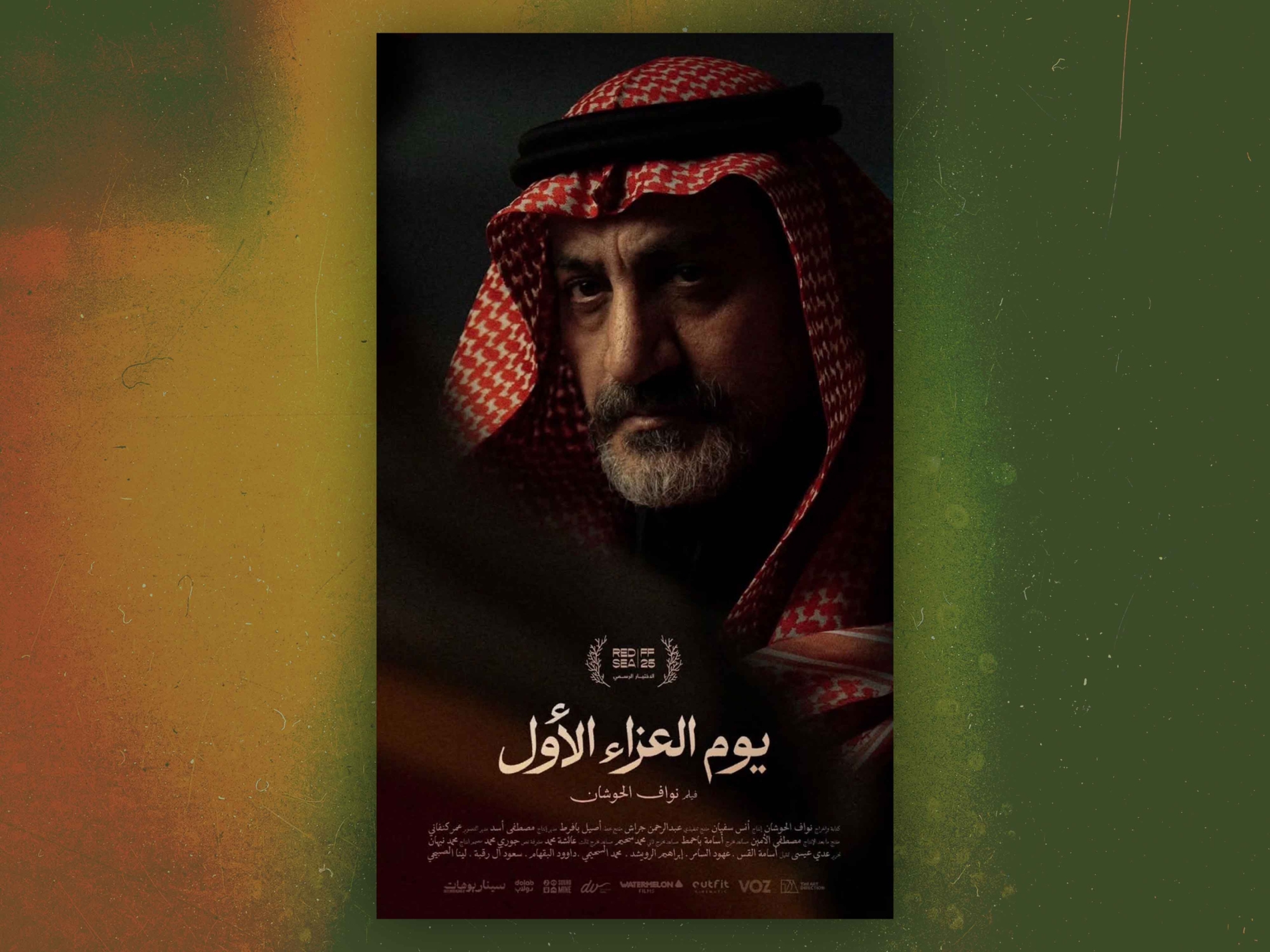
The father immediately senses something is wrong. Speaking to each family member separately, he presses them to tell him how his son really died. Was he killed while riding his motorcycle, as he is initially told, or did he die in circumstances no one is willing to reveal? The truth unfolds gradually over the film's 25 minutes.
The mosque as sacred space
Despite the mosque's spiritual and sacred significance in Islamic culture, it is absent from A Matter of Life or Death. Death, after all, never actually occurs in the film; it is the theme around which the story unfolds. The mosque, by contrast, features in the other three short films.
In Irtizaz, the comic tone brings the mosque into the heart of the plot. Here, it is stripped of the solemnity of sacred grief and instead becomes a means of drawing closer to the widow, catching her attention, and winning the chance to marry her only son. This is expressed through the jostling and leaping between rows of female worshippers, as well as through overhead shots that reveal the crowd massing around the wealthy woman like bees around their queen, first seeking to shield her and ultimately to win her favour.
First Funeral Day contains no scene set inside a mosque, yet the mosque provides the backdrop for the film's most consequential sequence: the confrontation between the father and the rest of his family. The setting acquires greater religious significance once it becomes clear how the deceased died.
Unknown, which won the Golden Palm in the short-film category, sets its final scene in a mosque during one of the obligatory prayers. There, the son breaks down in tears, alone. The scene brings together the farewell denied to him and his grief, placing both within one of the film's most sacred spaces.
The genre's shaping role
One of the more striking features shared by these films is how strongly their treatment of death is shaped by the genre to which each belongs. Accordingly, both A Matter of Life or Death and Irtizaz employ comedy to explore the possibility of renewal. Their themes and intentions differ, yet both direct their satire at the social worlds of romantic attachment and marriage.
Unknown and First Funeral Day, by contrast, approach what comes after death in a more suggestive and emotionally charged way. Both locate their dramatic tension less in death itself than in what follows, inviting the viewer to consider its meanings and consequences.
In Unknown, death is not the central predicament itself. Greater weight falls on its aftermath, which exposes the fractures within a social class struggling to cope with even the ordinary demands of life. The crisis deepens when it becomes entangled with an ethical obligation: easing the burden on the conscience while fulfilling duties owed to the dead.
First Funeral Day, meanwhile, follows two paths that initially appear unrelated, but ultimately converge around a lie. The lie serves to protect the dead man's memory from the stain or suspicion that might otherwise attach itself to him.