Why bond markets are unnerving rich-world politicians

As stocks rise ever higher, yields have been climbing ominously

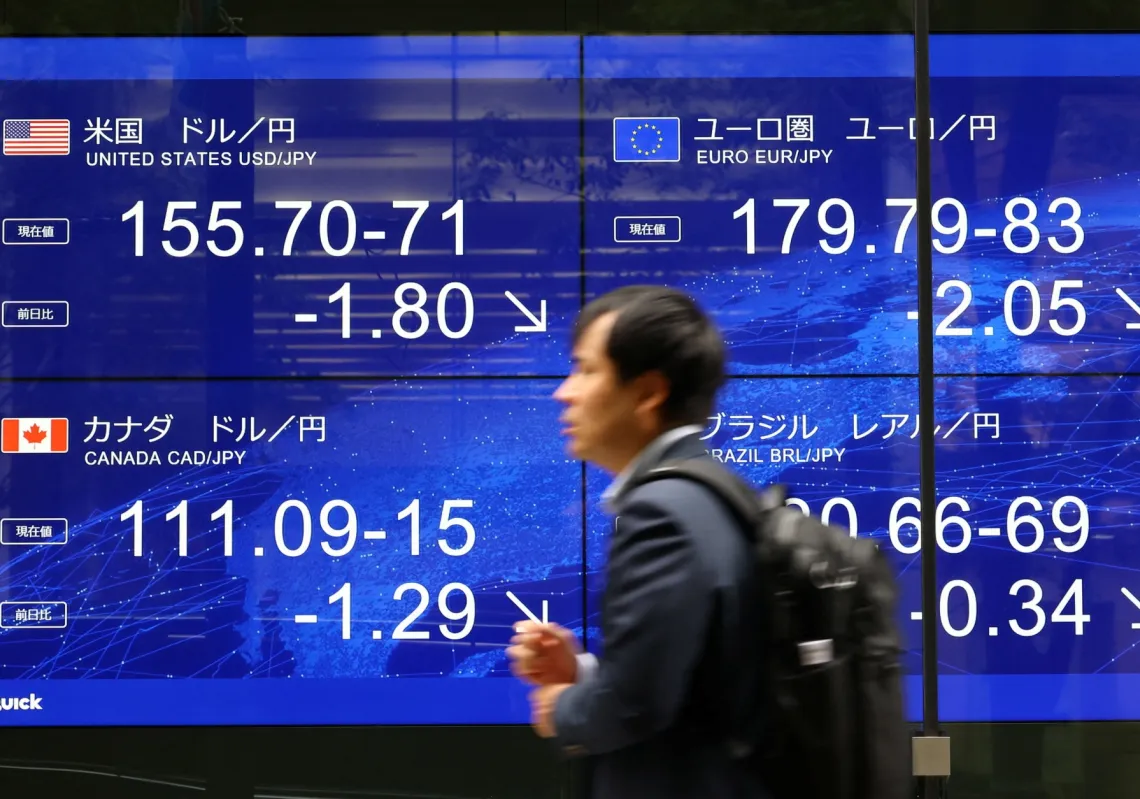
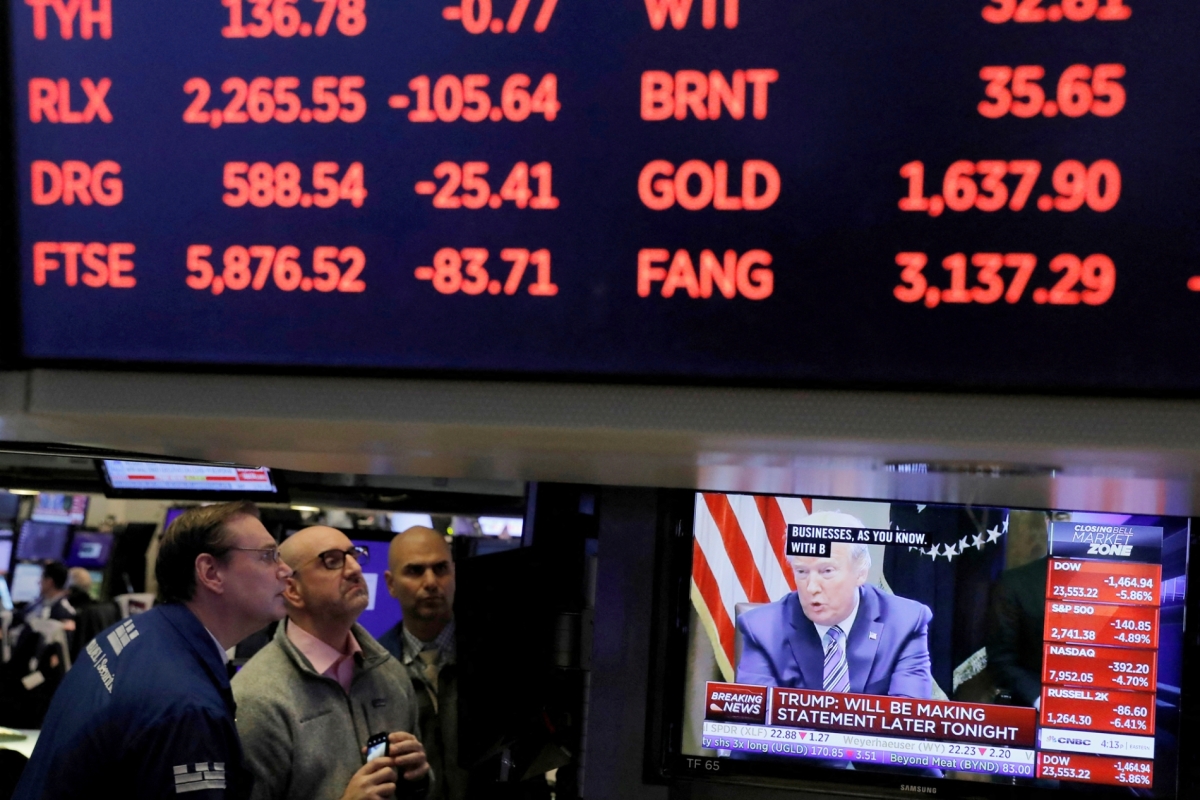
Stock markets reacted to an uptick in US inflation, suggesting that President Donald Trump's tariffs were impacting the American economy.
Angela Weiss/AFP
Stock markets reacted to an uptick in US inflation, suggesting that President Donald Trump's tariffs were impacting the American economy.

Why bond markets are unnerving rich-world politicians

Bond markets are unsettled, and so, in turn, is America’s government. On 19 August, the Treasury said that from next month it would increase its own purchases of longer-dated debt. This reflects “increasing administration unease” about yields, analysts at Deutsche Bank believe.

Officials have good reason to worry about rising borrowing costs. The yield on ten-year Treasuries reached its highest since January 2025 on 18 August. Scarier still, 30-year yields briefly passed 5.3%, their highest since 2007. And America is not alone. Bondholders are demanding more from governments across much of the rich world. Yields on British, French and German long-dated bonds have all reached levels not seen in more than a decade. Japanese 30-year yields, long the lowest in big economies, are close to an all-time high. The rout eased somewhat on 19 August. But yields are unlikely to fall much soon. What is amiss?

For one thing, unlike equity investors, bond traders appear to be reading the news. The Strait of Hormuz remains largely shut and looks likely to stay that way for a while. Fuel prices in America—particularly for diesel, on which much of commercial haulage relies—have soared in turn. The fund managers surveyed monthly by Bank of America, most of whom are heavily invested in stocks, are sanguine. On average, they expect Brent crude, the global oil benchmark, to trade at $76 a barrel by the end of the year, only slightly up from before the start of the war. Bond markets seem less sure.

Accordingly, they are pricing in continued inflation. On 19 August, Britain reported consumer-price inflation of 2.9% for the year to July, up from 2.6% in June, as higher energy prices bit. In America, core inflation (which excludes food and energy) eased last month. But bond traders seem to have pared back bets on future rate rises after recent remarks by the Federal Reserve’s new chairman, Kevin Warsh.
Officials have good reason to worry about rising borrowing costs. The yield on ten-year Treasuries reached its highest since January 2025 on 18 August.

Another recent concern is that government debt issuers have new competition. In recent months, large tech firms have sold some $75bn-worth of bonds to fund investments in data centres for artificial intelligence. The spree has already pushed their combined debt issuance to nearly twice last year's total, Goldman Sachs estimates. All sorts of businesses are getting in on the bond bonanza. Goldman calculates that some 40% of large-scale debt issuance (i.e., more than $10bn) by investment-grade issuers has come from outside tech. So bond-buyers have a surfeit of investment-grade options to choose from. Many believe the AI boom will push up interest rates by increasing competition for capital.

Still, the biggest reason for creeping yields is long-standing: concerns over government debt and deficits. On August 19th America's Treasury said federal debt had passed $40tn (130% of last year's GDP) for the first time. The government's deficit is around 6% of GDP. Such worries also show up in differences between countries. The spread between French and German ten-year yields has reached its widest since 2012. Bond markets now expect a higher yield for Japanese debt than for Chinese debt, reversing the conventional order. In both France and Japan, investors assess that politicians lack the will to meaningfully trim spending or raise taxes.

REUTERS/Kim Kyung-Hoon
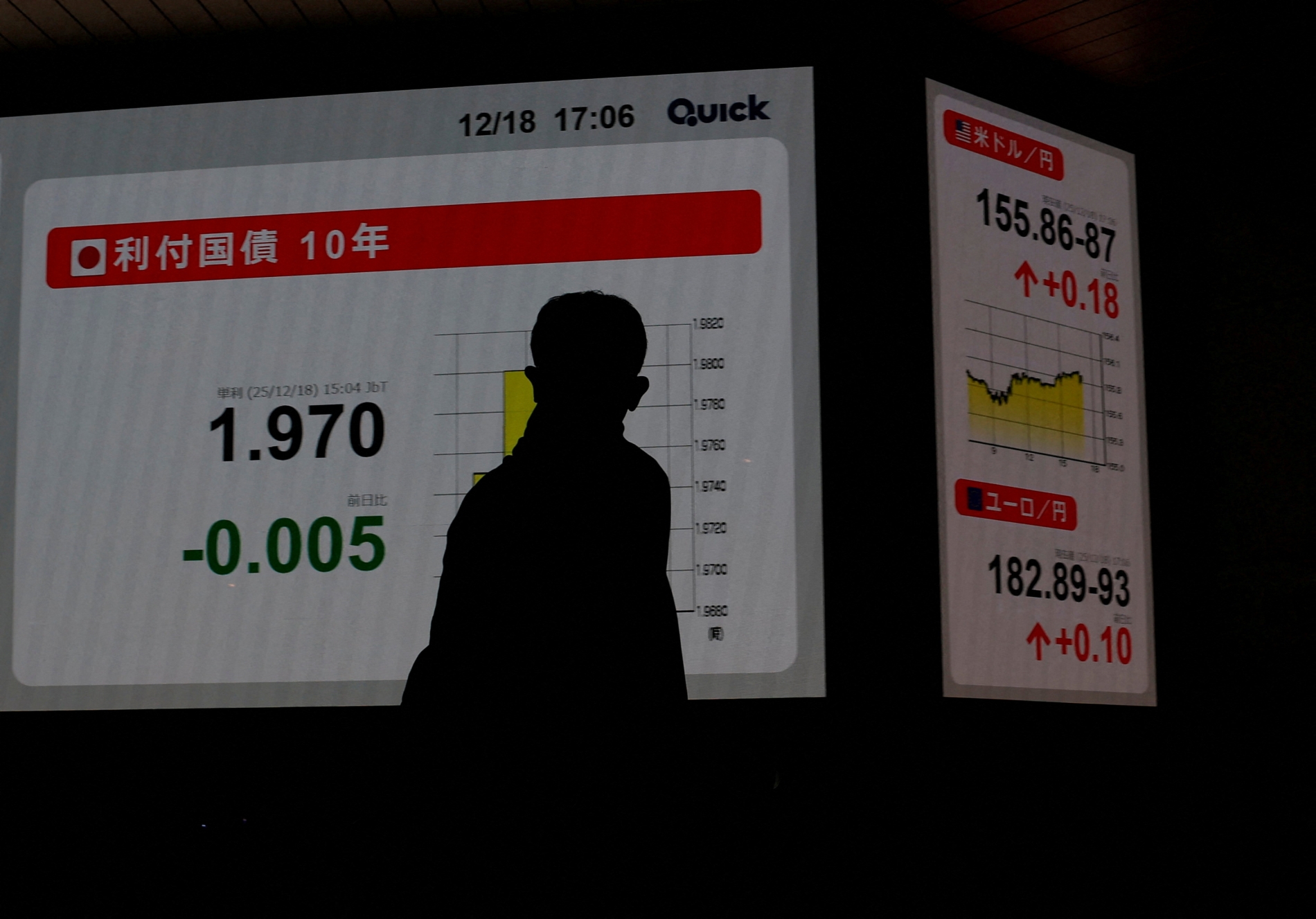
A man looks at a board displaying Japan's 10-year government bonds level outside a brokerage in Tokyo, Japan, on 18 December 2025.

Governments have few other good options. At the Fed's meeting in June, members of its rate-setting committee were briefed on how ownership of Treasuries has shifted from "relatively price-insensitive official-sector holders to more price-sensitive private investors". That is likely to increase the premium bondholders expect for long-term debt. In response to such pressures, America, Britain and Japan have increased their sales of shorter-term bonds with lower yields. But as a result their debt stocks will roll over more often, raising the risk that such moments coincide with high interest rates.

A second unenviable option is for central banks to buy back more debt. But many of them had hoped to shrink their balance sheets, not to expand them. They may therefore be reluctant to rely too heavily on bond purchases as a tool to reduce yields. All this means that bond markets are likely to remain wary. Interventions such as the Treasury's may help for the time being. They are unlikely to placate buyers for long.

font change