
In his debut novel, Plomb, Timothée Zurabishvili presents a very harsh and daring text that pushes readers directly into the heart of a disturbed, polluted, violent consciousness, and forces them to dwell within it. It is a clear narrative bet: to uncover the mental structure of violence before it turns into action.
At the level of the plot, the story seems simple: a young man who has a fleeting physical relationship with a young woman that ends in an unwanted pregnancy, and then the birth of a child whose existence turns into an existential and moral crisis for both parties. Through this story, Zurabishvili dives into the dark spaces of the human psyche, where desire, domination, fear, and aggression are formed.
What is immediately striking about the novel is the nature of the language itself. Zurabishvili writes in long, flowing, tense sentences, as if they were an unceasing stream of mind. The rhythm of his language is an essential part of the meaning that makes the reader practically experience the psychological suffocation of the two main characters. The writer creates a constant sense of detention, as the two characters seem trapped in tight rooms, inside their bodies, and also within their thoughts. Even time itself loses its regularity, as the narrative moves in cycles of rumination, repetition, and forced returns to the same images, far from a straight, linear narrative.
And here one of the most important features of the novel comes into play: psychological time is heavier than real time. A few moments stretch to cover dozens of pages, and a single glance, or a gesture of a hand, becomes an entire narrative space. It's as if the writer wants to say that violence is also measured by how it is entrenched in consciousness.
One of the most striking aspects of the novel is the power of its dismantling of toxic masculinity. Zurabishvili uses the vocabulary of instrumentation and use when talking about the young woman, stripping her of all agency. The young woman transforms in his consciousness into a "function", into a "machine", into a consumable body.
Herein lies one of the novel's most disturbing ideas: violence begins in language, in the way the other is perceived and redefined through it. When women are reduced to a "hole" and a child to a "thing," their humanity can be erased. Language here is a space that produces and perpetuates this collapse. The words themselves turn into tools of cruelty.
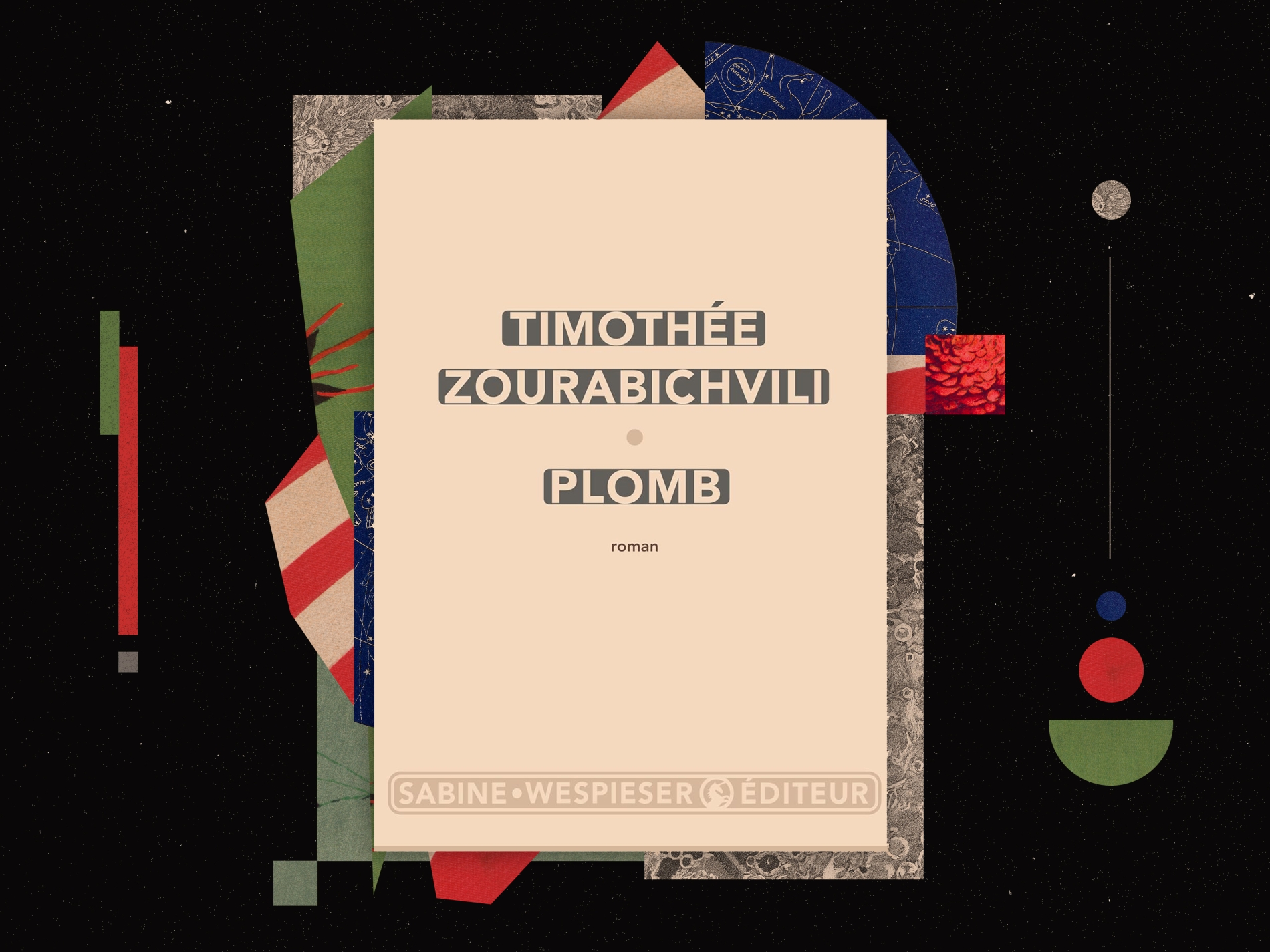
This is why the title of the novel seems so fitting. The French word plomb can be translated to "heavy metal" or "lead" in English. The author uses the title as a metaphor for a dense substance that pulls a person to the bottom, and this intensity runs throughout the novel: in the body, in consciousness, in relationships, and in the language itself.
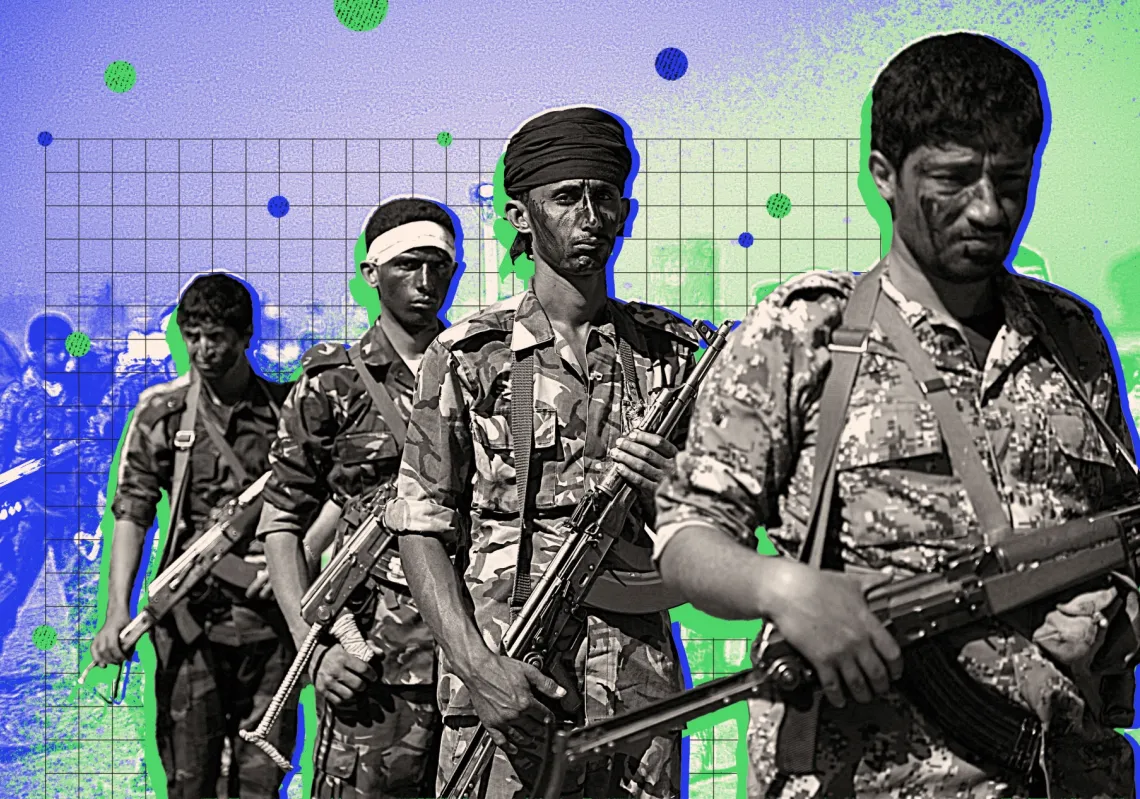
The violence throughout the story has a clear political and social dimension. For example, the young man's time in the barracks, where he did his military service. It serves as an institution for reshaping consciousness. Within it, the young man learns a special kind of worldview: the separation of emotions from actions, the abolition of individuality, and the transformation of human beings into goals, objects, or problems that must be eliminated.
This military dimension gives the novel additional depth. The author does not present a villain in the traditional sense, nor does he explain his cruelty through individual evil alone. His greatest concern is with the environment that produces, nourishes, and gives implicit legitimacy to this cruelty.
This is where the novel acquires its most acute critical dimension. It exposes entire systems that make the monster and then pretends to be shocked by his actions. One of the most poignant scenes in the novel is when the murder turns into a cold, technical process, managed by quasi-legal administrative logic. The idea of "sharing responsibility" and the formulation of a "confidentiality agreement" on the crime makes evil seem institutionalised, organised, and rational.
Here the text reaches a high degree of intellectual brutality. The crime goes beyond the idea of an emotional outburst to a practical action to solve a problem, and this makes it even more terrifying. But one of the most striking elements of the novel is that this violence does not move within an extraordinary world or a direct bloody space. On the contrary, Zurabishvili insists on setting the crime project in the midst of very ordinary details: a puzzle on a bed, ice cream melting under the sun, a bus stop, a cheap room, a basket in which a baby is held.