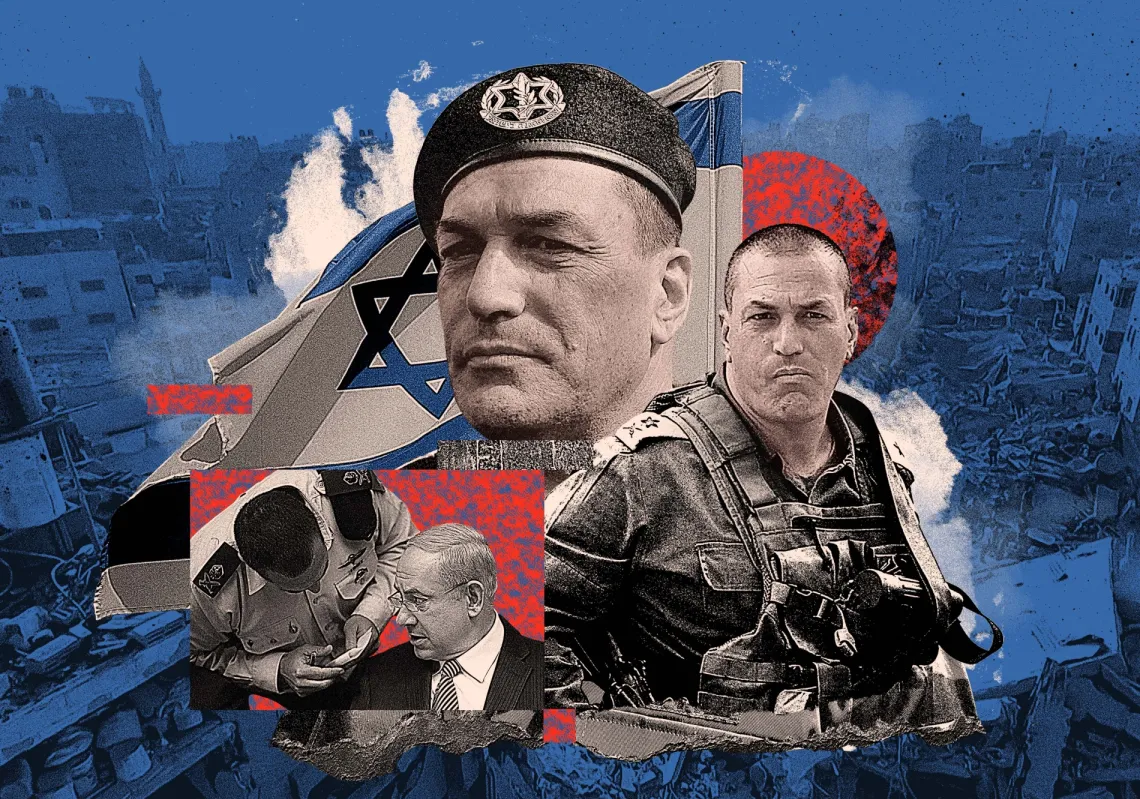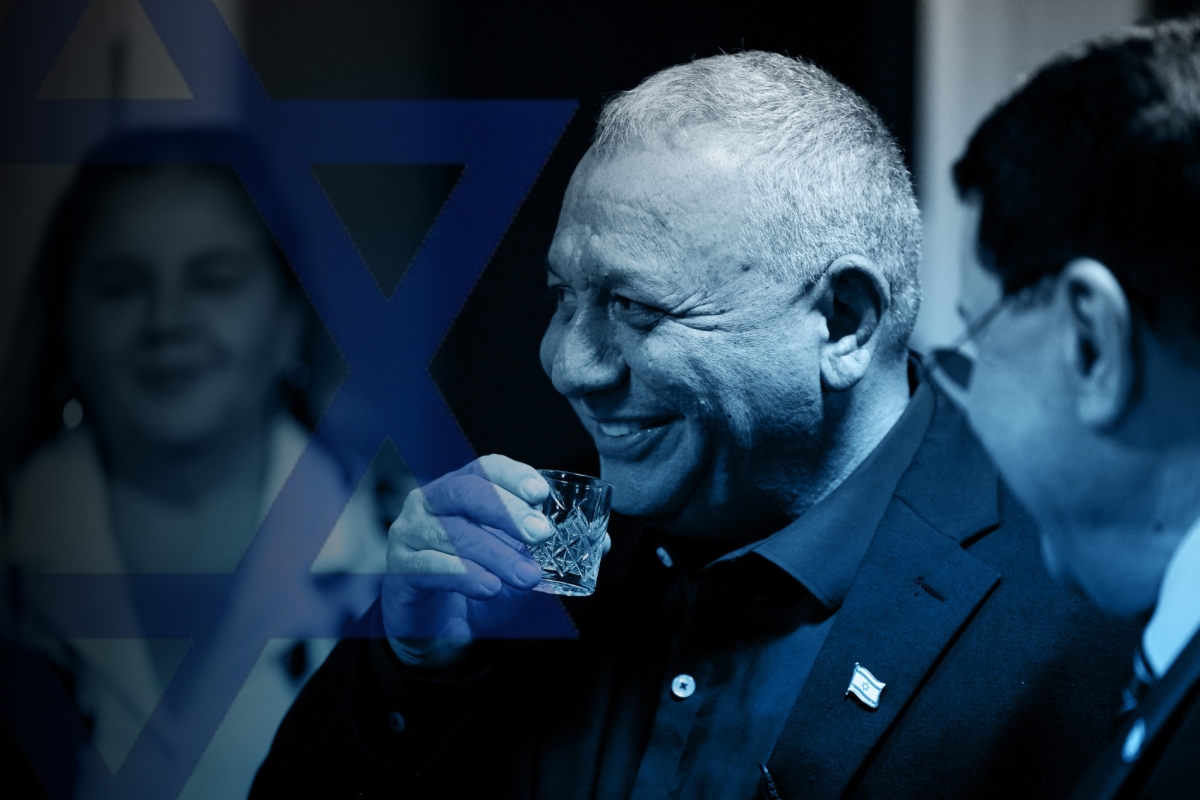
Is Gadi Eisenkot the general who knows how Israelis feel?

The former army chief is standing against Benjamin Netanyahu in Israel’s election in October and is currently polling higher than the prime minister. What Eisenkot has been through may help him

Israeli politician and former military chief Gadi Eisenkot meets supporters at a conference in Dimona, Israel, on 6 July 2026.
Reuters
Israeli politician and former military chief Gadi Eisenkot meets supporters at a conference in Dimona, Israel, on 6 July 2026.

Is Gadi Eisenkot the general who knows how Israelis feel?

Israel’s political history is littered with the unaccomplished ambitions of former generals. In a country where the armed forces are held in the highest esteem, army chiefs commonly think their military gravitas will translate into political success. Yet out of Israel’s 14 prime ministers, only three were generals. The last, Ariel Sharon, was elected more than 25 years ago.

The latest to throw his beret in the ring is Gadi Eisenkot, who was Israel’s chief-of-staff from 2015-19, and who later served as a minister after the 7 October 2023 attack on southern Israel. He later left the government to set up his own party, called ‘Yashar,’ which is Hebrew for ‘straight’ or ‘honest’. Polls put him neck-and-neck with Prime Minister Benjamin Netanyahu. Channel 12 as of 13 July 2026 put him at 43% with Netanyahu on 34%, while a Channel 13 poll gave Yashar 23 seats to Likud’s 22.

In many ways, Eisenkot has emerged as the “anti-Bibi” (a reference to Netanyahu’s nickname). His image is of stoic, almost pained authority whose sobriety offers a stark alternative to the theatrics of the current ruling coalition. Netanyahu is often criticised as a man who puts his own interests before the nation’s, but Eisenkot’s idea of public service rooted in military discipline and personal bereavement, having lost his son, Gal, to fighting in the Gaza Strip in 2023. He also lost two nephews in the same war.

The Eisenkot brand

The former army chief is known for his modest origins, a man who came from the periphery, served his country, and climbed the ranks, from footsoldier to top commander. The son of Moroccan immigrants, grew up in the small port city of Eilat, and served in the Golani Brigade (Netanyahu and another former prime minister, Ehud Barak, both served in the elite Sayeret Matkal commando unit).
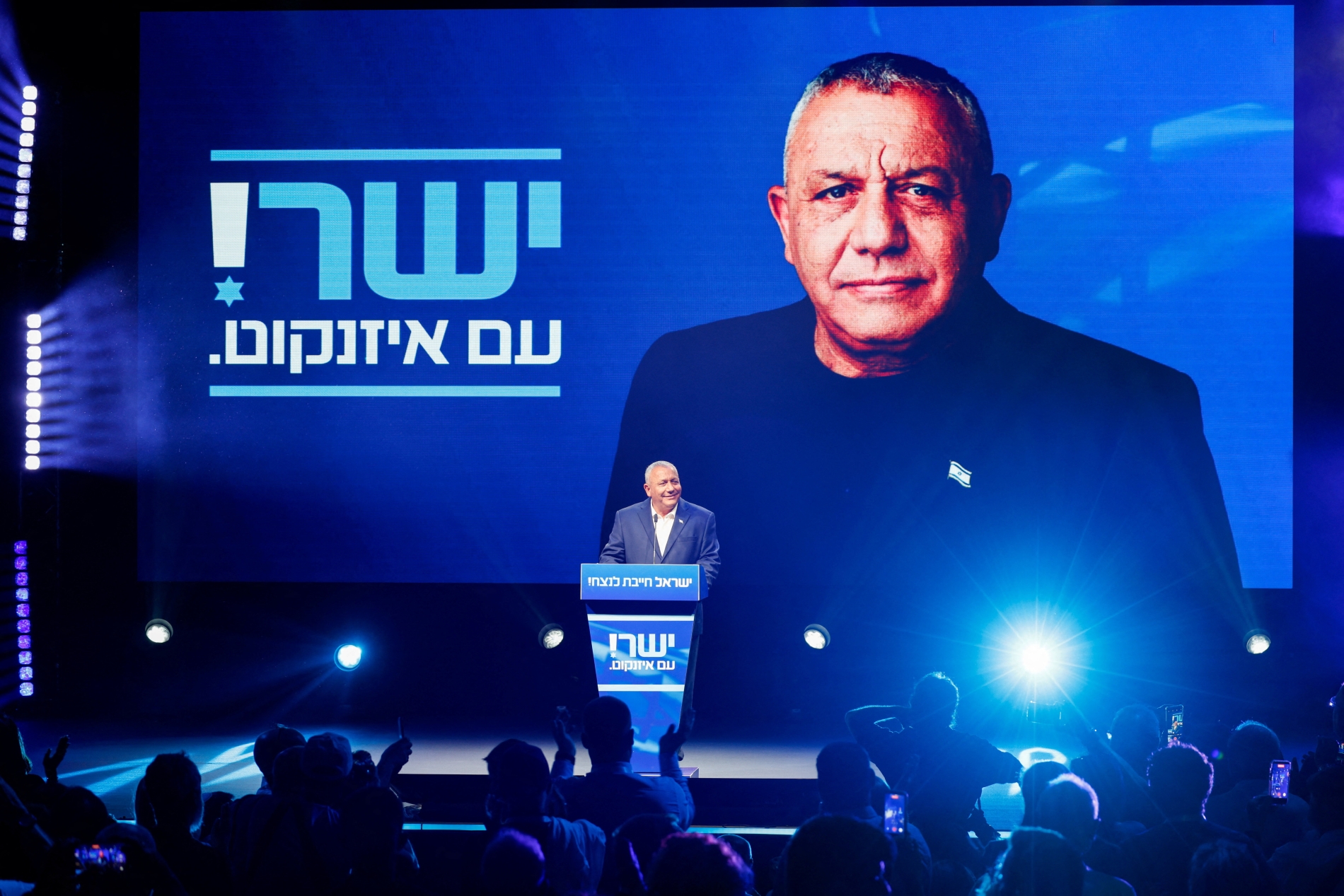
Reuters
Gadi Eisenkot launches an electioncampaign for Yashar, his new political party, at an event near Hod Hasharon, Israel, on 30 June 2026.

Outside Israel, Eisenkot’s name is associated with the infamous ‘Dahiyeh Doctrine,’ named after the southern suburb of Beirut. This advocates the use of disproportionate force and the destruction of civilian infrastructure to create deterrence. As a result, Eisenkot is often branded as a hawk, an aggressive general who uses force to resolve problems. The reality is slightly more nuanced.

Eisenkot’s term as chief-of-staff was one of the quietest in the last two decades. His first action upon joining Netanyahu’ ‘war cabinet’ in 2023 was to oppose a surprise attack against Hezbollah in Lebanon which would have expanded the war to the north, which is what Defense Minister Yoav Gallant wanted to do. In his choices, he showed pragmatism, but politically he remains relatively untested.

Netanyahu has kept power for so long in part by positioning himself as the champion of the “voiceless Mizrahim” (Jews from North Africa and the Arab world) against a perceived ‘deep state’ run by an Ashkenazi (Jews from Europe) elite. Yet Eisenkot was born in 1960 to a family of Moroccan origin, then raised as far from the corridors of power in Jerusalem and Tel Aviv as it is possible to get in Israel, so being both Mizrahi and an outsider has rather stolen Netanyahu’s thunder.

Four decades of war

The young Eisenkot studied in the naval-and-mechanics track at a technical high school and enlisted in 1978 into the Golani Brigade's 51st Battalion. “Every year I thought about quitting, but then I signed up for another year,” he once told his local newspaper. “It turned into 33 years in uniform.” The idea of a man of patient accumulation, rather than bold strokes, recurs throughout his career.
Reuters
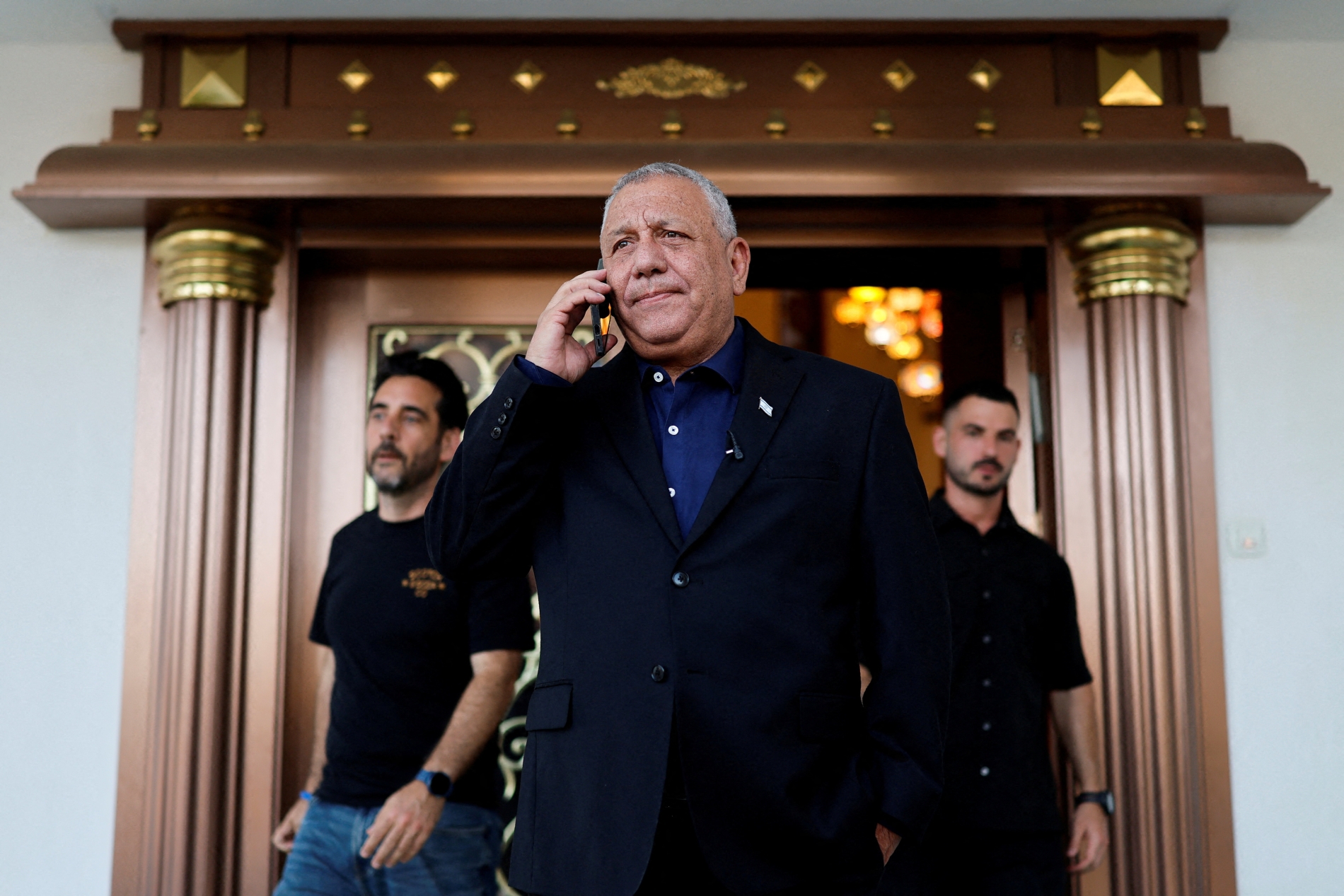
Israeli politician and former military chief Gadi Eisenkot ahead of Israeli elections. He is currently doing well in the polls, but the election is still three months away.

He fought in the 1982 Lebanon War as a company commander, present at the brutal fighting for Beirut’s airport, where he lost close friends. He was wounded three times but none of the injuries were career-ending. He rose through Golani’s chain of command, from reserve infantry brigades and the Efraim Regional Brigade. In 1999, he took on a high-visibility post: military secretary to Prime Minister and Defense Minister Ehud Barak, where he sat in on negotiations with Syria.
The former army chief is known for his modest origins, a man who came from the periphery, served his country, and climbed the ranks

His postings from that point on read like a checklist of the Israel Defence Forces most consequential: commander of the Judea and Samaria Division (the military unit operating in the West Bank) during the Second Intifada (2003); head of the Operations Directorate during the 2006 Second Lebanon War; commander of Northern Command for six years (an unusually long tenure that let him quietly rebuild deterrence against Hezbollah); and Chief-of-Staff from 2015-19.

Colleagues described him as unshowy, risk-averse, and allergic to adventurism. He is remembered for having overseen a tenure without a major war. Far from being uneducated, Eisenkot is an avid reader of military history with a degree in general history and a master's degree in political science. He also completed the US Army War College programme. It is an unusually academic résumé for an infantry officer.

Demonstrating his values

While the Dahiya Doctrine established his 'hard' security credentials, the 2016 Elor Azaria case defined his moral framework. Azaria, an IDF soldier, had just shot an incapacitated Palestinian assailant who no longer posed any threat in a killing caught on video from a nearby balcony. The case divided politicians and Israeli public opinion.

Reuters
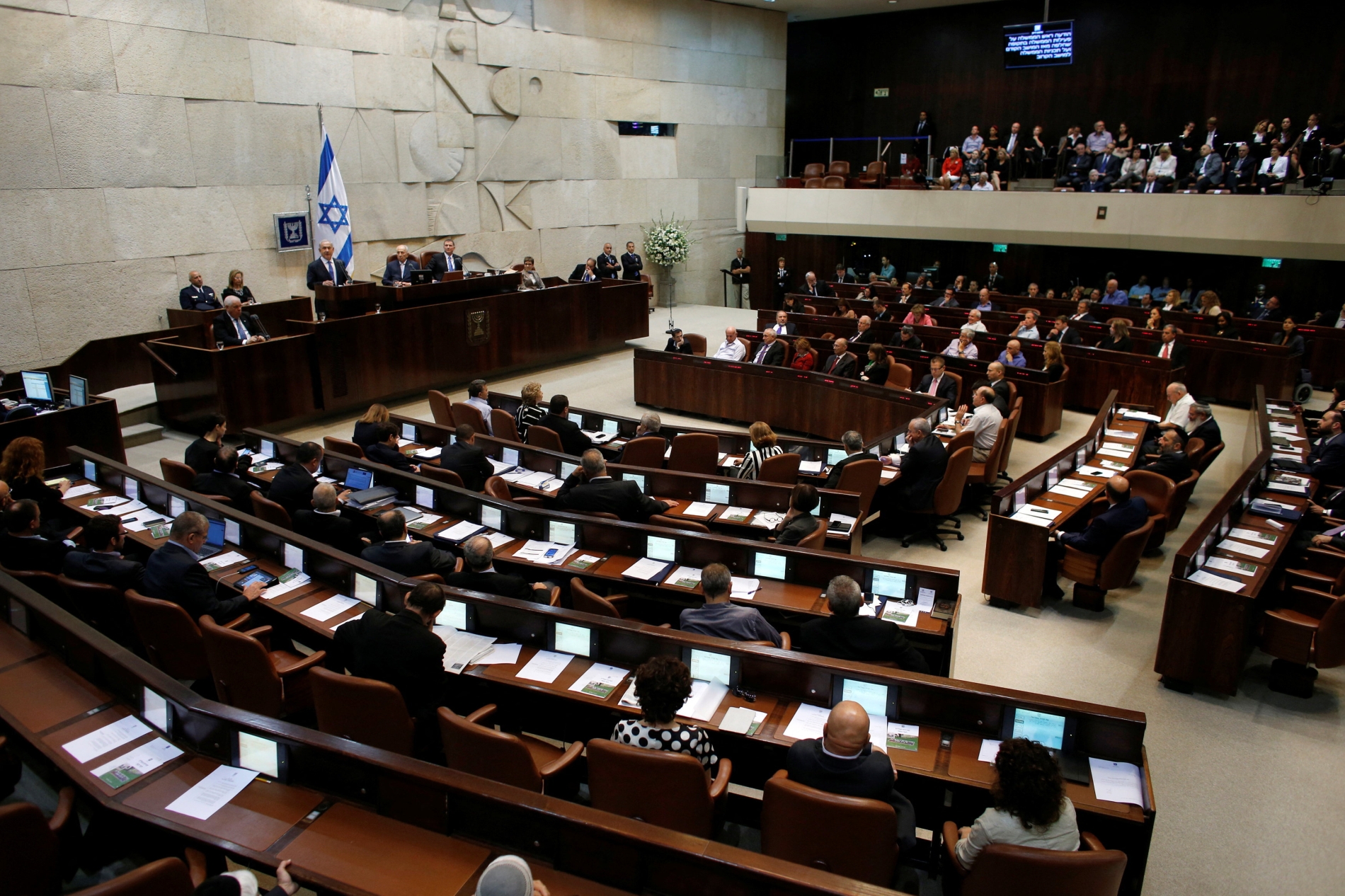
Israel's Prime Minister Benjamin Netanyahu at the opening of the winter session of the Knesset, the Israeli parliament, in Jerusalem.

Netanyahu's camp was outraged that Azaria would stand trial and the prime minister let it be known that he supported the killer, but Eisenkot insisted that he be court-martialed, his commitment to military ethics in stark contrast to Netanyahu's populist instincts. For Eisenkot, military discipline was far more important than political point scoring. These differences of approach would rear again in the war rooms of late 2023.

Eisenkot entered Israel's war cabinet in the aftermath of the 7 October 2023 attacks, alongside another former army general, Benny Gantz. Eisenkot sought to take every opportunity to save hostages. On 7 December 2023, two months after the attacks, Eisenkot's 25-year-old son Gal (a medic and infantry fighter with the 551st Reserve Brigade) was killed by an explosive device in Jabaliya while searching for hostages.

Eisenkot returned to the war cabinet within days of burying his son. In April 2026, he wrote publicly of his grief. "The infinite void you left when you went, Gal, and the crushing understanding that I will never see you again, sear my soul." Eisenkot's grief seems to be echoed in a nation still dealing with 7 October 2023. For Israelis, he is not just a general, but a father who lost a son but still returned to serve the war effort.

Now he needs nous

Eisenkot's appeal may also lead to his undoing. Winning the election will require political street smarts, and Netanyahu is a supremely gifted and experienced operator. The army man, by contrast, is still relatively new to politics. He left Gantz's National Unity bloc about a year ago and two months later launched Yashar, in September 2025.

Reuters
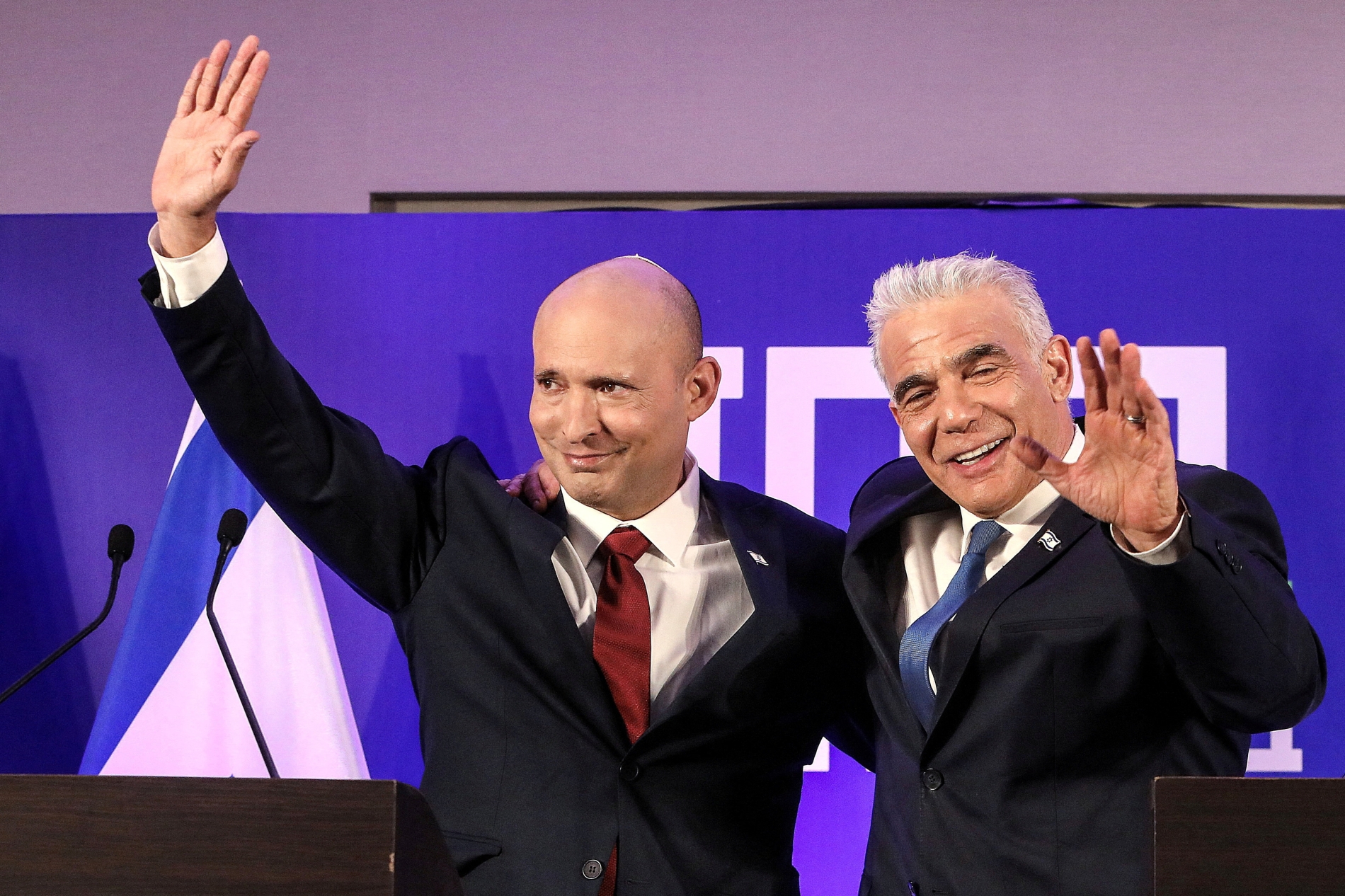
Israeli politicians Naftali Bennett and Yair Lapid are running together against Benjamin Netanyahu's Likud in the upcoming election.

Opposition leader Yair Lapid welcomed it as a chance to "change direction for the State of Israel". Lapid is fighting the election on a double-ticket with former settler leader (and another Sayeret Matkal alumni) Naftali Bennett. While they see Eisenkot as a useful way of attracting the Mizrachi and right-wing vote, they were wary of his popularity.

For months, they tried to woo him, but to no avail. As his popularity soared, theirs plateaued. Today, polling shows Eisenkot has the best cards. Whether he can convert this momentum into the premiership, or whether he will go down as another PM-wannabe general, will be decided on 27 October 2026.

font change

Related Articles