Four books that explain why the world is burning

Our ancestors managed the land with controlled fires that reduced the accumulation of dry wood and vegetation. Not doing so means we now have giant fuel stores. Sometimes, the old ways are the best

Several factors have converged to make forest fires more intense, including global warming, deteriorating infrastructure, urban expansion, and misinformation.
AFP
Several factors have converged to make forest fires more intense, including global warming, deteriorating infrastructure, urban expansion, and misinformation.

Four books that explain why the world is burning

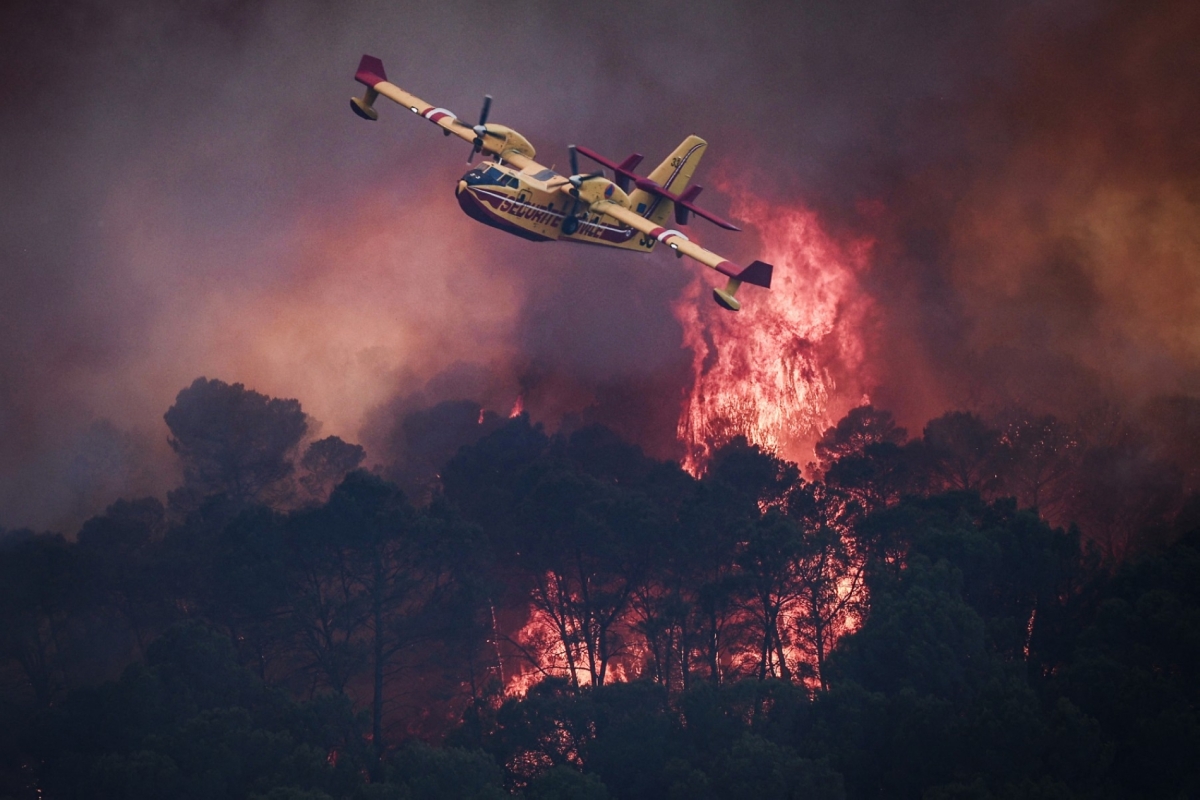
Wildfires are a clear signs of the profound changes reshaping the Earth’s climate. The fires that have been dominating the news across Europe are fiercer and spread faster than many seen before, crossing the natural barriers that would once have helped contain them. Some are even predicted to last until November. Their scale and ferocity have turned several wildfires into megafires capable of generating their own weather systems, creating the conditions for ignition. Given their increasing prevalence, are we entering the Pyrocene?

Human activity over recent centuries has altered the climate, disrupted ecosystems, and made vast landscapes more combustible. Several books published in the United States seek to understand this changing reality by examining the Age of Fire from different perspectives. Here, Al Majalla highlights four. Their authors differ in background and approach, yet their work forms a broad portrait of a world in which fire has become a defining feature.

Jordan Thomas, an American anthropologist, explores the subject through his experience on the fire line, and the environmental and cultural changes revealed there. Jacob Soboroff, an American journalist, studies wildfire as a crisis shaped by politics, media, and disaster management. Philip Connors, an American writer, traces the historical relationship between people and the wilderness, and the transformations it has undergone. Finally, John Vaillant, a Canadian writer and journalist, offers a wider interpretation of how the world became more fragile and more flammable.

When It All Burns

In When It All Burns: Fighting Fire in a Transformed World, Jordan Thomas does not observe wildfires from afar; he confronts them alongside the ‘hotshot’ crews, elite units deployed against California’s largest and most dangerous fires. In this book, Thomas argues that one of the biggest misconceptions about California’s wildfires is the belief that fire is an enemy that must be eliminated.

California is not merely a landscape exposed to fire; it is an ecosystem that has evolved over thousands of years in coexistence with it. Indigenous peoples practised what became known as ‘good fire’, or prescribed burning. They intentionally set fires at specific times and under carefully chosen weather conditions, maintaining low intensity so that the flames did not become destructive. These burns reduced the accumulation of dry grass, branches, and other vegetation that might later fuel much larger fires.
AFP
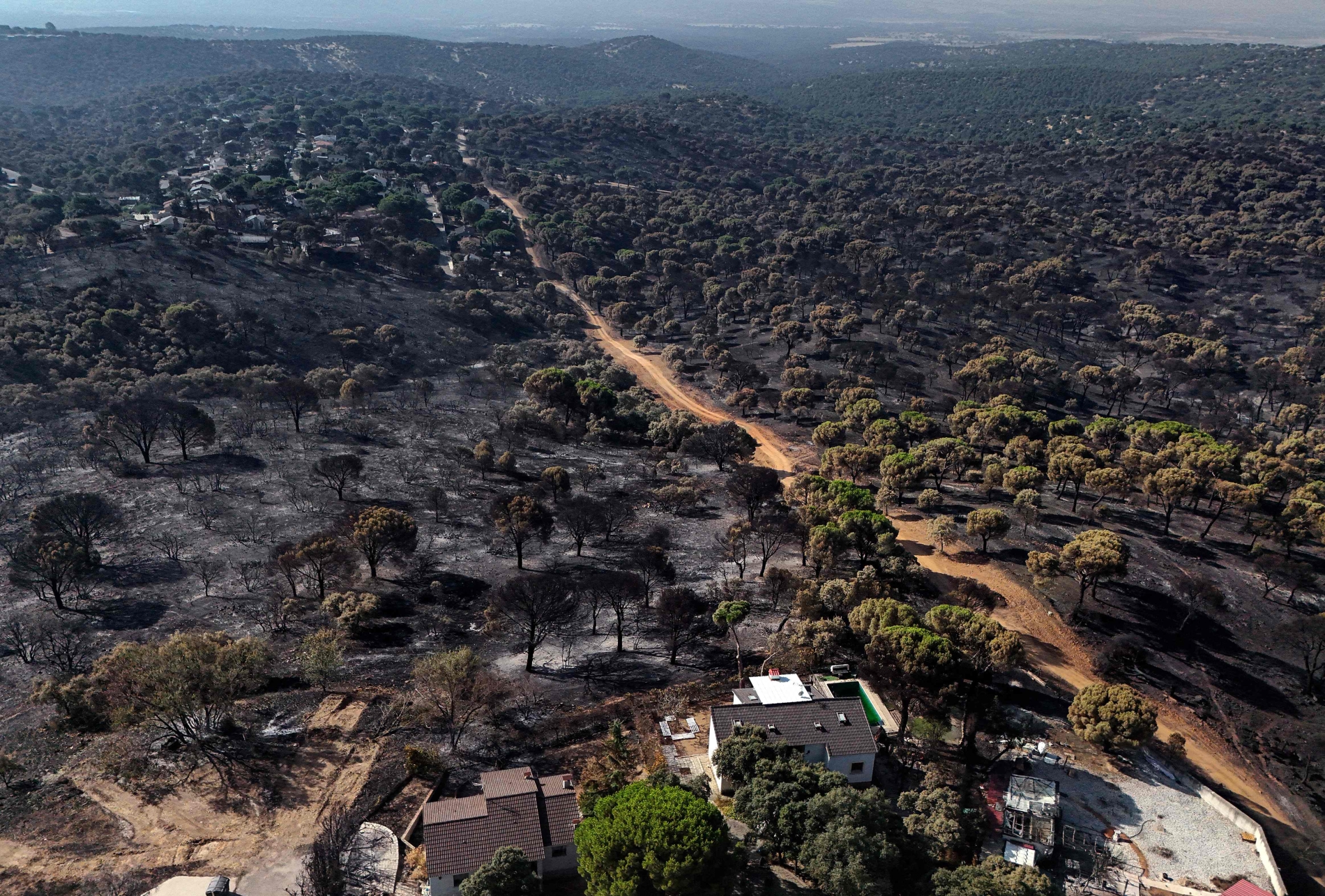
A burnt forest in Pelayos de la Presa, 65km west of Madrid, following devastating wildfires in the region on July 30, 2026.

Thomas emphasises that these practices were neither primitive nor arbitrary. They arose from ecological knowledge accumulated over thousands of years, passed from one generation to the next. Indigenous communities understood wind, moisture, and the growth cycles of plants. They knew when, where, and how to light fires so that the land would benefit without allowing the flames to escape control.

This system collapsed with the arrival of Europeans and the colonisation of California. Over subsequent decades, enormous quantities of dead trees, fallen branches, and dry vegetation accumulated in the forests, while 20th‑century fire‑suppression policies intensified the problem. Efforts to extinguish every fire immediately deprived forests of the smaller burns that had gradually consumed natural fuel, priming the landscape for the later immense and violent fires that were far more difficult to contain.

Thomas ends by calling for a reassessment of firefighting culture and for a more balanced relationship with fire. This would require integrating Indigenous prescribed‑burning traditions with modern forest‑management science.

Firestorm

In Firestorm: The Great Los Angeles Fires and the Beginning of America’s New Age of Disaster, Jacob Soboroff begins with a personal loss: his childhood home was destroyed in the Los Angeles fires of 2025. He soon realised that what he had witnessed was not the conclusion of a private story; it was the emergence of a new pattern of disaster.
California is not merely a landscape exposed to fire; it is an ecosystem that has evolved over thousands of years in coexistence with it

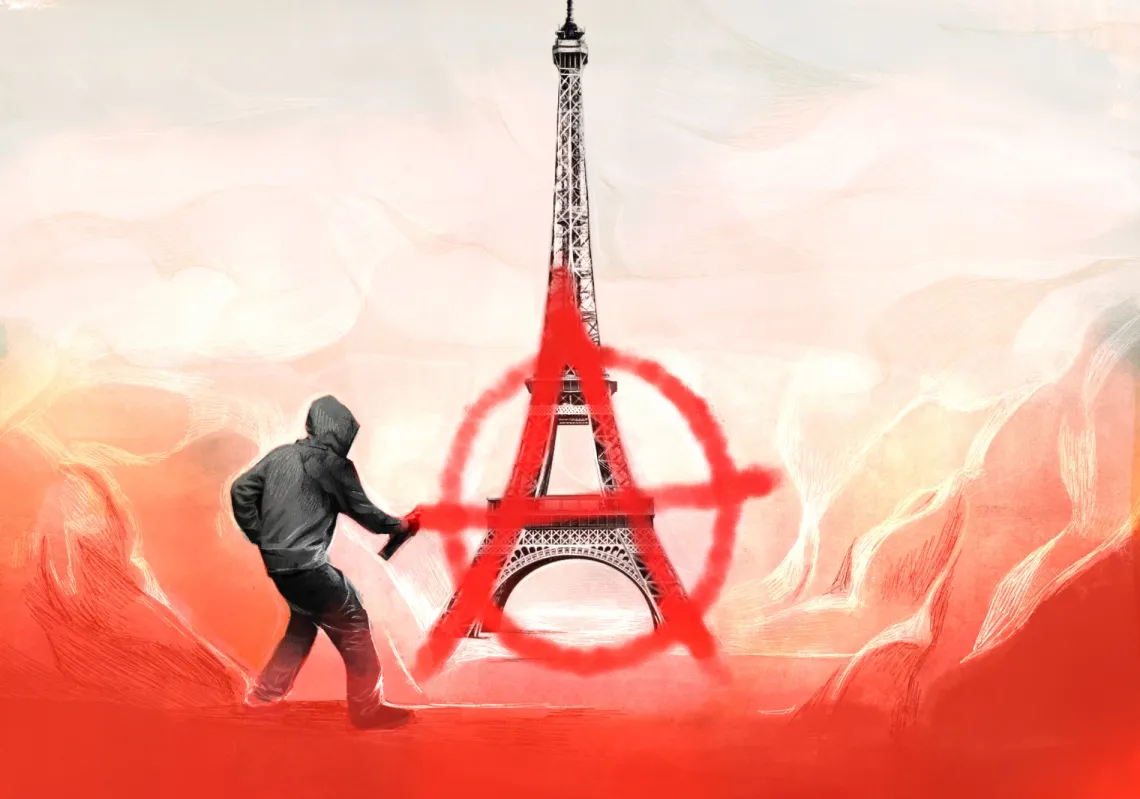
Soboroff argues that climate alone did not make those fires distinctive. Rather, it was a convergence of four forces: global warming, deteriorating infrastructure, urban expansion, and misinformation. While rescue teams struggled to save residents, false claims circulated on social media about the causes of the fires and how they should be fought. Public confusion deepened, and trust in institutions weakened. Some politicians promulgated falsehoods, which he describes as "pouring media fuel on real fires".

The author concludes that the 2025 LA fires were not an exception but a preview of what many cities may confront in the coming decades if current climatic conditions persist amid weakened public administration and declining trust in the state.

Fire Season

In Fire Season: Field Notes from a Wilderness Lookout, Philip Connors examines the complex relationship between wildfire and ecological health, drawing on his experience as a fire lookout in the Gila National Forest. He explains that the traditional view of every wildfire as a disaster requiring immediate suppression does not reflect the ecological reality of many forests.

AFP
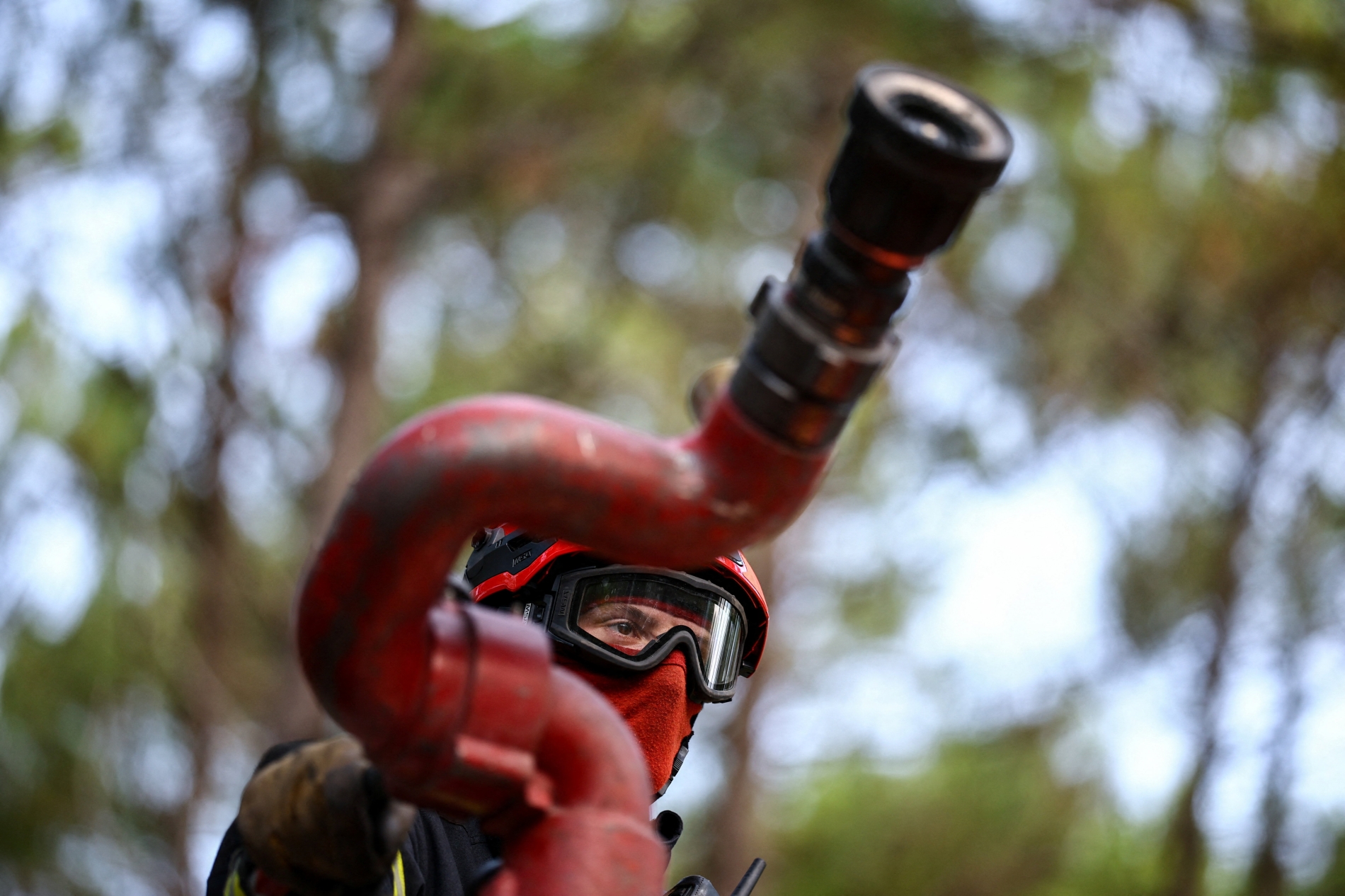
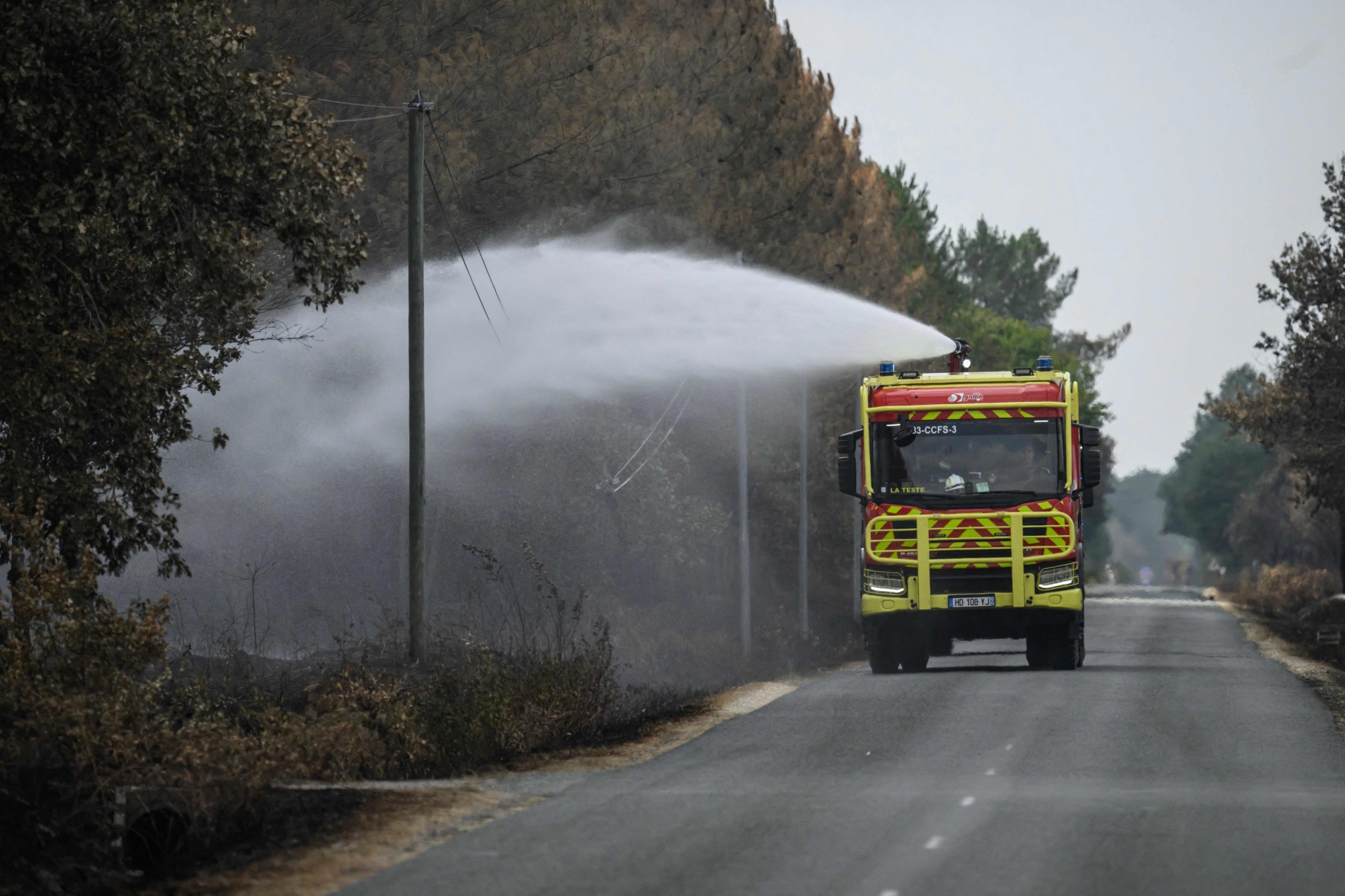
Firefighters spray water as they tackle small outbreaks of fire in a forest near Blagon, southwestern France on July 30, 2026.

Natural fires, particularly those caused by lightning, perform essential ecological work, he explains. They clear dead trees and vegetation, return nutrients to the soil, curb the spread of certain pests and diseases, and create conditions in which new plants can grow. Some species even rely on fire to complete their life cycle.

Connors notes that during the 20th century, the United States adopted a policy of extinguishing every fire as quickly as possible, guided by the belief that fire brought only destruction. Over time, this produced consequences contrary to its intentions. Dead timber, fallen branches, and dry vegetation began to accumulate. These materials formed dense fuel beds that intensified subsequent fires, enabled them to travel farther, and made them far more difficult to control.

Fires that might once have remained limited therefore grew increasingly destructive. By linking his personal observations with the history of forest management, Connors shows that the evolving understanding of fire's ecological role represents one of the most significant developments in modern environmental science. Researchers and forest managers have come to recognise that fire is a natural process that has shaped forests and landscapes over thousands of years.

Fire Weather

When the vast wildfire that destroyed the Canadian city of Fort McMurray erupted in 2016, John Vaillant did not treat it as merely another environmental calamity; he regarded it as evidence of a profound shift in humanity's relationship with fire.

Reuters
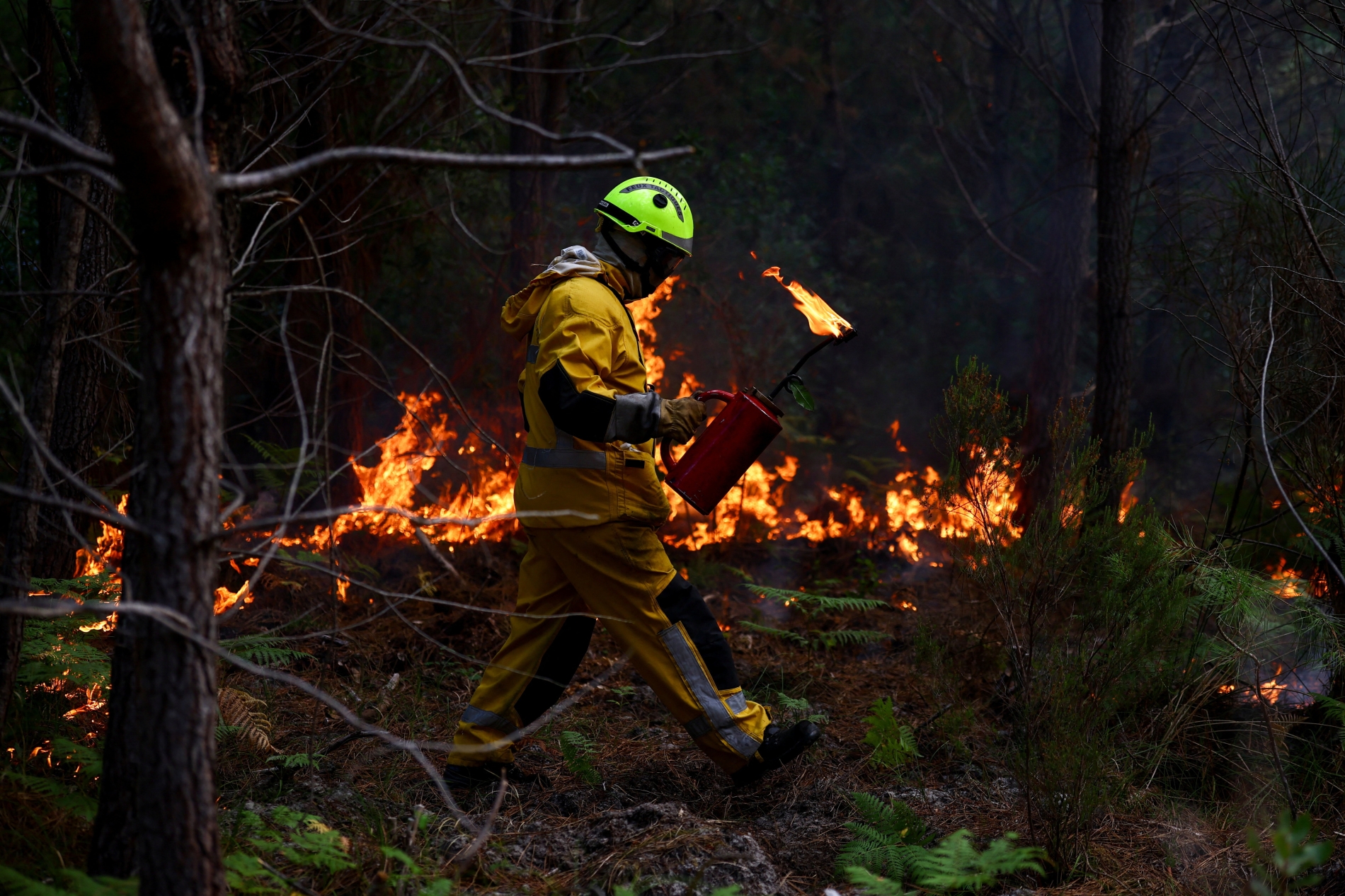
A firefighter takes part in controlled burning operations in Le Porge, Gironde department, amid drought conditions following a heatwave and water shortages across much of France, July 30, 2026.

In Fire Weather: A True Story from a Hotter World, Vaillant argues that the world has entered a new age, a Clima Incognita - an unfamiliar climate unlike the one in which human civilisation developed over thousands of years. The boundaries that once made weather, seasons, and patterns of life broadly predictable have been crossed. Humanity now inhabits a world in which extreme events grow more frequent. Within this altered climate, fires become immense entities that appear almost to possess intention.

Vaillant compares fire to a living organism. Like a human being, he writes, it requires oxygen to live, breathe, grow, and spread. The more fuel and air, the more powerful and ferocious it becomes, until it almost seems to be in constant search of sustenance. It devours forests, homes, and cities while generating conditions that allow it to survive and expand. As climate change increases temperatures, the environment begins to resemble a dry, combustible body. Forests become vast reservoirs of latent energy, needing only a spark to unleash a destructive force that is so difficult to stop.

Humanity is therefore confronting more than a succession of individual fires. It faces a new ecological system in which heat, drought, wind, and vegetation interact to produce fires that behave in unfamiliar ways. Firefighters and scientists now describe certain fires as being outside the historical norm. They can generate lightning and thunder within weather systems of their own. The painful irony is that this "creature of fire" did not arise independently; humans helped create the conditions in which it could thrive through decades of burning fossil fuels and releasing greenhouse gases.

Reuters
A firefighter takes part in controlled burning amid drought conditions following a heatwave and water shortages across much of France, July 30, 2026.

Vaillant stresses that the crisis is political and economic as well as environmental. He criticises the world's dependence on fossil fuels and compares the behaviour of oil companies to that of tobacco firms concealing evidence of the dangers of smoking. Many oil companies, he argues, understood the connection between carbon emissions and rising temperatures decades ago, but continued to produce and market oil.

Despite the severity of the situation, Vaillant is not resigned. He believes that the fires sweeping the world should prompt renewed thinking about our relationship with nature. Moving towards clean energy is no longer a preference, but an imperative.

Mirrors of civilisation

The four books converge on a single insight: wildfires can no longer be understood as natural disasters alone. They have become mirrors reflecting humanity's damaged relationship with the natural world.

Confronting the fires of the future requires more than advanced firefighting technology. It demands a reconsideration of forest management, urban design, land‑use planning, and a global response to climate change. Extinguishing fires once they ignite, regardless of the skill of emergency teams, do not change the underlying problem: the conditions that transform forests into immense stores of dry fuel.

The solution begins with preventive forest management, the use of prescribed burning in suitable environments to reduce accumulated dry vegetation. This will revive a traditional knowledge, the effectiveness of which has been proven over centuries.

Fire is not just a matter for firefighters. These books show that it incorporates climate science, ecology, engineering, anthropology, urban planning, public policy, culture, and the media. Major fires emerge from a long chain of human decisions. Reducing their impact therefore requires cooperation among scientists, policymakers, local communities, and societies, who all need to acquire accumulated practical knowledge of how to coexist with fire, which is very much a part of nature.

Disasters often arise from human choices. As the world grows hotter and drier, it needs to move from reaction to prevention, and from mastery over fire to a managed balance with it. This, the authors suggest, is the essential lesson from Canada and California, and is relevant to everyone now living in the Pyrocene.

font change