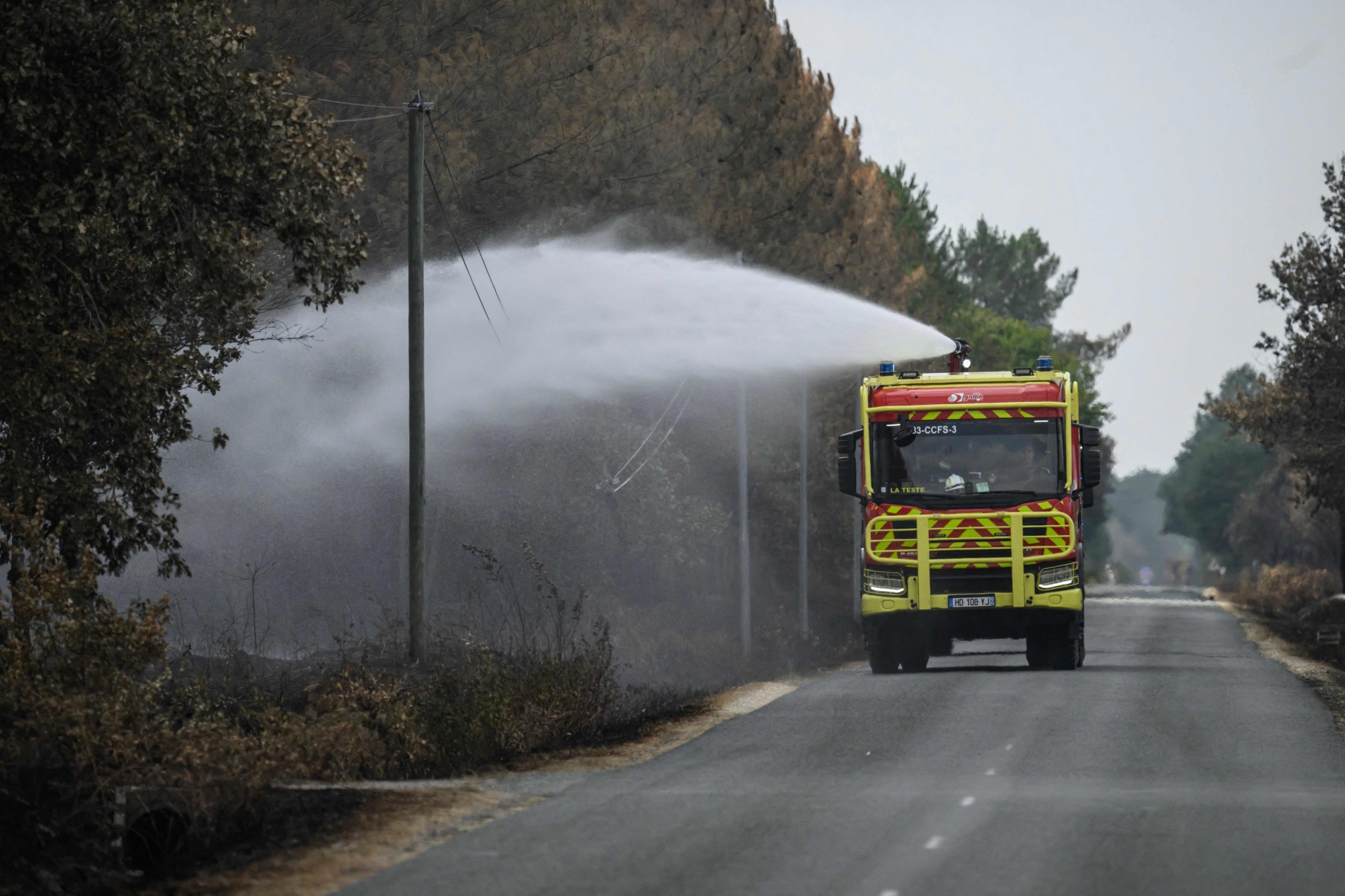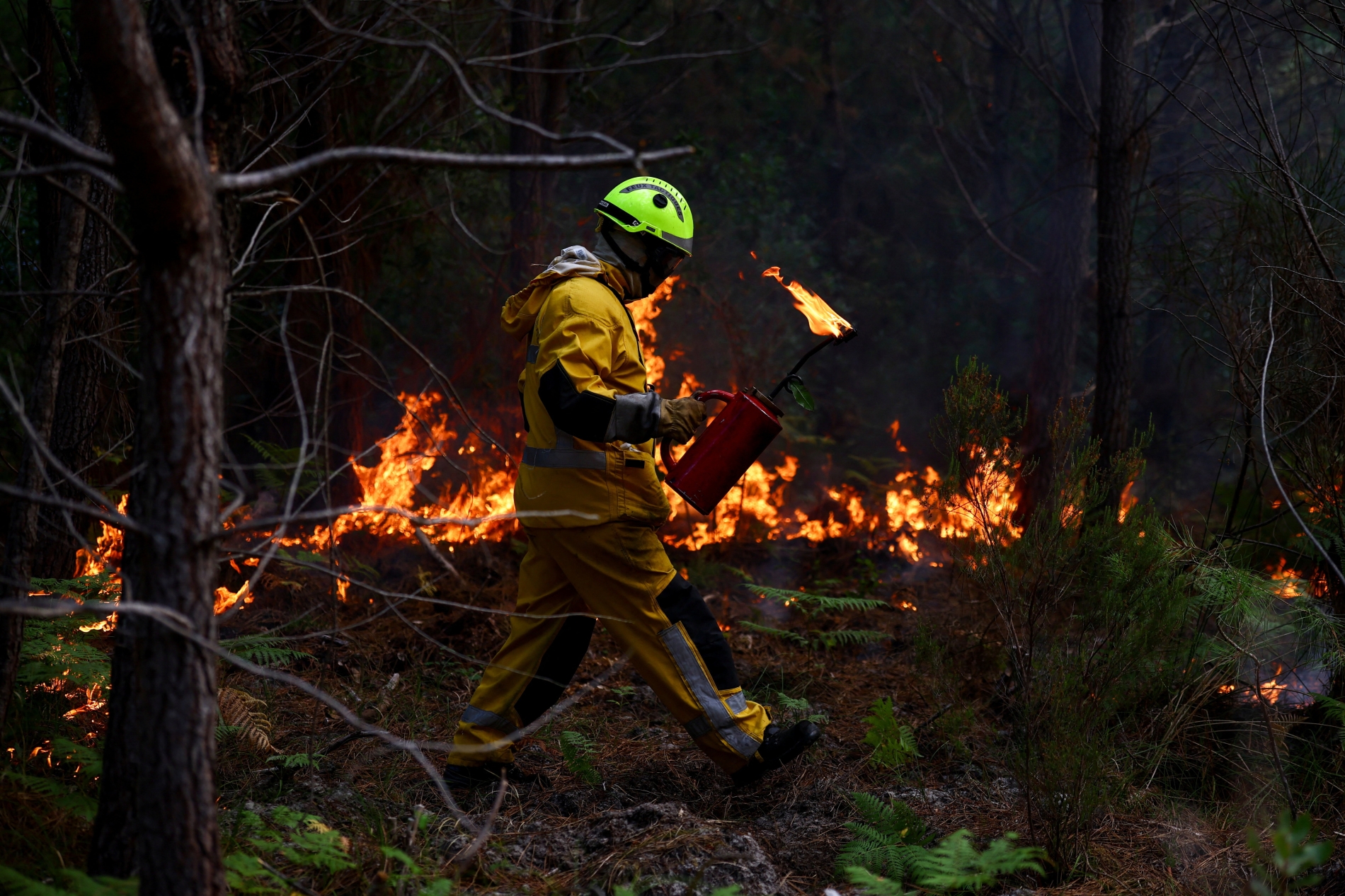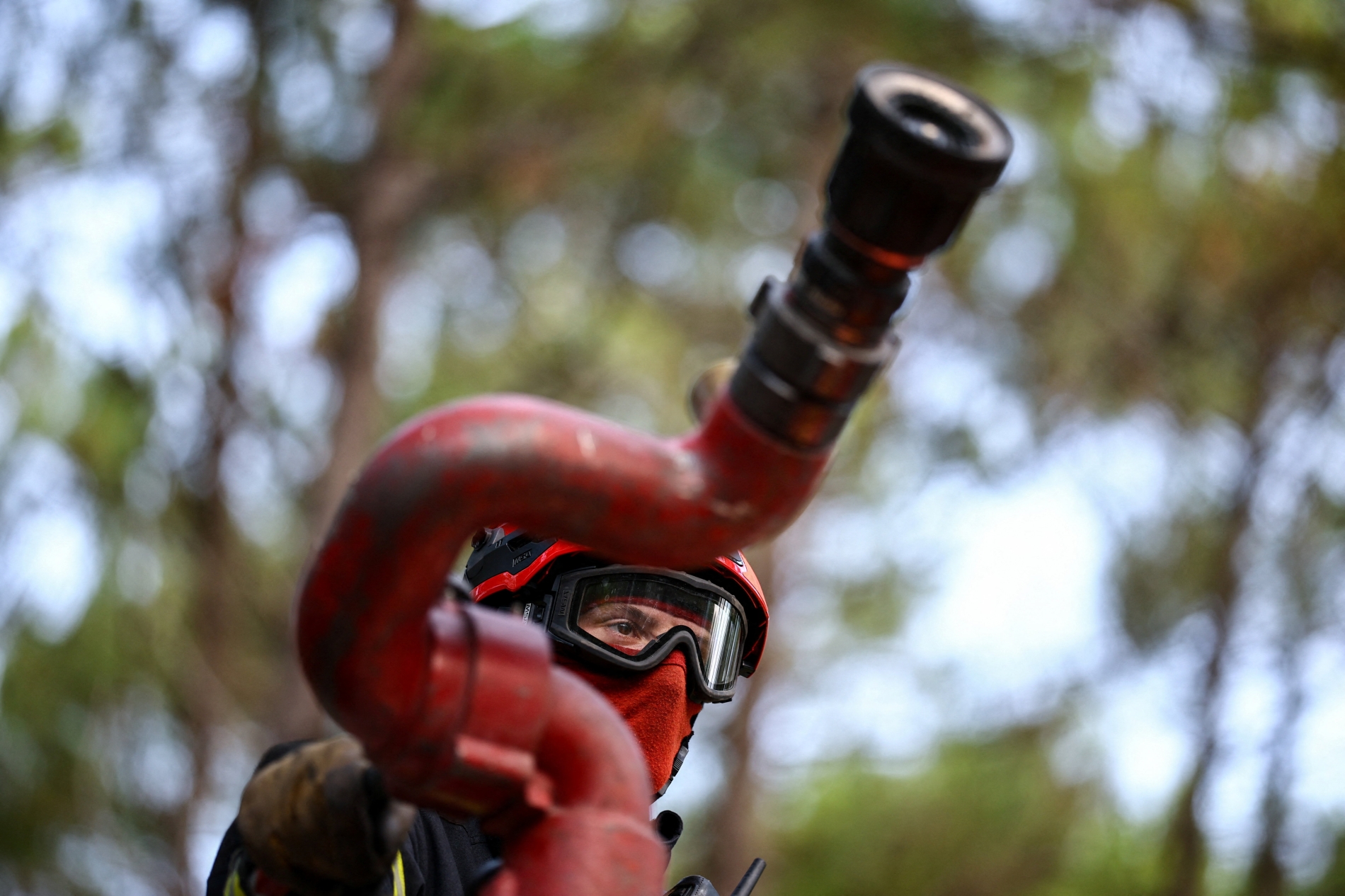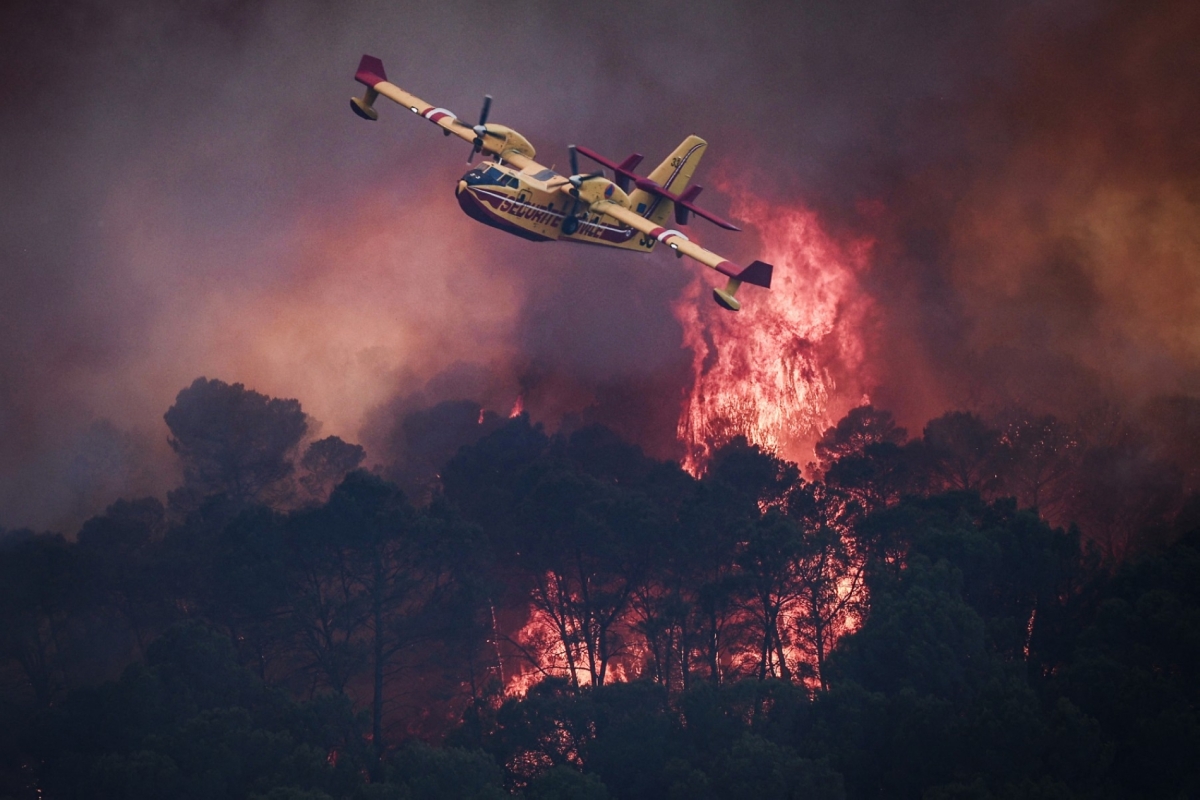

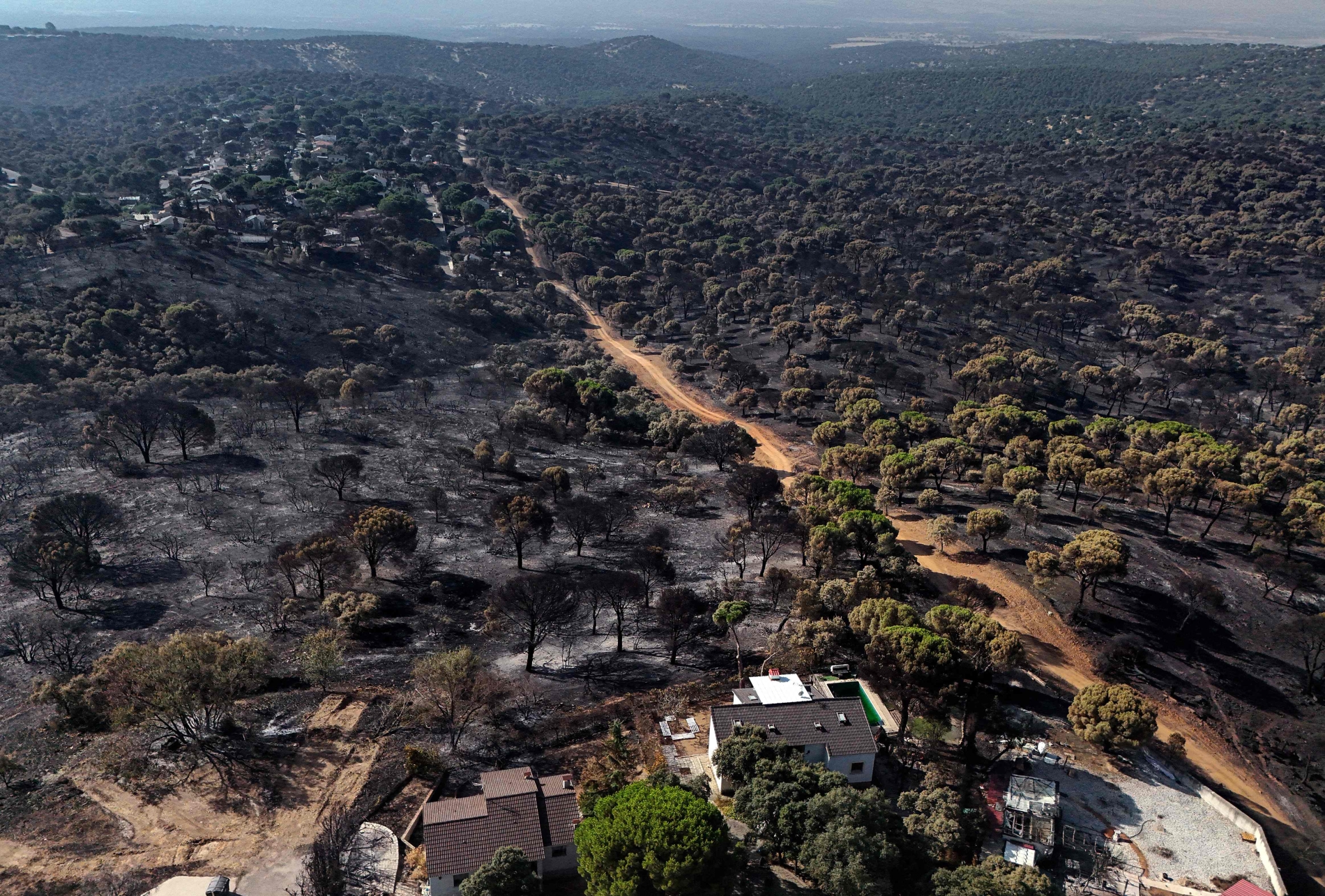
Wildfires are a clear signs of the profound changes reshaping the Earth’s climate. The fires that have been dominating the news across Europe are fiercer and spread faster than many seen before, crossing the natural barriers that would once have helped contain them. Some are even predicted to last until November. Their scale and ferocity have turned several wildfires into megafires capable of generating their own weather systems, creating the conditions for ignition. Given their increasing prevalence, are we entering the Pyrocene?
Human activity over recent centuries has altered the climate, disrupted ecosystems, and made vast landscapes more combustible. Several books published in the United States seek to understand this changing reality by examining the Age of Fire from different perspectives. Here, Al Majalla highlights four. Their authors differ in background and approach, yet their work forms a broad portrait of a world in which fire has become a defining feature.
Jordan Thomas, an American anthropologist, explores the subject through his experience on the fire line, and the environmental and cultural changes revealed there. Jacob Soboroff, an American journalist, studies wildfire as a crisis shaped by politics, media, and disaster management. Philip Connors, an American writer, traces the historical relationship between people and the wilderness, and the transformations it has undergone. Finally, John Vaillant, a Canadian writer and journalist, offers a wider interpretation of how the world became more fragile and more flammable.
When It All Burns
In When It All Burns: Fighting Fire in a Transformed World, Jordan Thomas does not observe wildfires from afar; he confronts them alongside the ‘hotshot’ crews, elite units deployed against California’s largest and most dangerous fires. In this book, Thomas argues that one of the biggest misconceptions about California’s wildfires is the belief that fire is an enemy that must be eliminated.
California is not merely a landscape exposed to fire; it is an ecosystem that has evolved over thousands of years in coexistence with it. Indigenous peoples practised what became known as ‘good fire’, or prescribed burning. They intentionally set fires at specific times and under carefully chosen weather conditions, maintaining low intensity so that the flames did not become destructive. These burns reduced the accumulation of dry grass, branches, and other vegetation that might later fuel much larger fires.
Thomas emphasises that these practices were neither primitive nor arbitrary. They arose from ecological knowledge accumulated over thousands of years, passed from one generation to the next. Indigenous communities understood wind, moisture, and the growth cycles of plants. They knew when, where, and how to light fires so that the land would benefit without allowing the flames to escape control.
This system collapsed with the arrival of Europeans and the colonisation of California. Over subsequent decades, enormous quantities of dead trees, fallen branches, and dry vegetation accumulated in the forests, while 20th‑century fire‑suppression policies intensified the problem. Efforts to extinguish every fire immediately deprived forests of the smaller burns that had gradually consumed natural fuel, priming the landscape for the later immense and violent fires that were far more difficult to contain.
Thomas ends by calling for a reassessment of firefighting culture and for a more balanced relationship with fire. This would require integrating Indigenous prescribed‑burning traditions with modern forest‑management science.
Firestorm
In Firestorm: The Great Los Angeles Fires and the Beginning of America’s New Age of Disaster, Jacob Soboroff begins with a personal loss: his childhood home was destroyed in the Los Angeles fires of 2025. He soon realised that what he had witnessed was not the conclusion of a private story; it was the emergence of a new pattern of disaster.