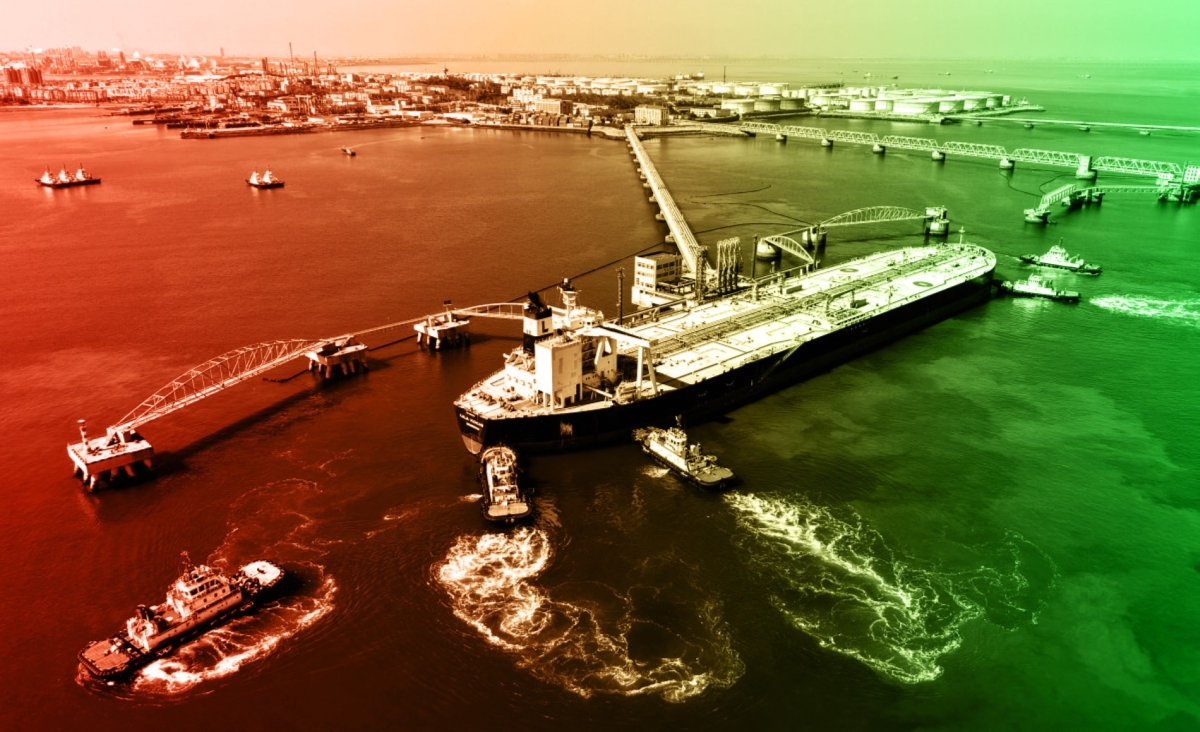

War in the Gulf has underscored the growing importance of economic relations between the region’s states and those of East Asia, with whom there is an increasingly strong trading partnership. From the attacks on infrastructure to the closure of the Strait of Hormuz, the shock of conflict and its impact only add to the importance.
This is not a new relationship. For centuries, Gulf ports, particularly those of Kuwait, Bahrain and Oman, relied on maritime trade across the Indian Ocean. They exported natural pearls and dates, and imported rice, spices, timber, textiles and other goods from India, China, and Southeast Asia, including Malaysia and Indonesia. These commercial links predated the expansion of European influence and British dominance over trade in the Indian Ocean.
In the early decades of the oil era, Western Europe and the United States were among the main importers of crude and petroleum products from the Gulf states. Over time, as the global economy changed, the centre of gravity in Gulf oil trade shifted towards Asia, which came to source nearly 60% of its oil needs from the Middle East. Since the beginning of the millennium, Asian economies, led by China, India, Japan and South Korea, have become the main destination for Gulf oil exports.
Imports and exports
Recent data indicate that around 80% of seaborne crude oil exports from the Gulf states and OPEC now go to Asia, while the share going to Europe and North America has declined markedly as domestic production has risen, particularly shale oil in the United States, and demand has slowed in advanced economies. Asian countries, notably China, India, Japan and South Korea, have also become the main source of many Gulf imports, especially consumer goods, foodstuffs, construction materials, cars, machinery, and electrical and electronic equipment.

This has unfolded amid an accelerating shift in the balance of global trade towards Asia. In 2025, for example, China exported 1.39 million cars to the Gulf, while Korean car exports to the Middle East reached $5.3bn, and Japan exported more than 320,000 cars to Gulf and wider Middle Eastern markets. The region’s demand for varied and sophisticated Asian products is also rising as development programmes continue and the mega-projects set out in long-term national plans move ahead.
Why do these expanding relations matter? Estimates by the British research centre Asia House suggest that Gulf-Asia trade could exceed $802bn by 2030, based on current growth rates. Asia is expected to become the Gulf’s leading trading partner by 2028. Of all the Asian states, however, China occupies a central place in the Gulf’s economic relations, both in trade and investment.
Bilateral trade between China and the Gulf Cooperation Council (GCC) states reached $257bn in 2024, exceeding, for the first time, the volume of GCC trade with Western economies. It is expected to rise to $375bn by 2028. These relations are no longer confined to oil and gas (although energy remains important). They have expanded into technology, renewables, and Gulf infrastructure projects including ports, airports, transport, logistics, housing, and oil and gas services, all within the broader framework of China’s Belt and Road Initiative.
A win-win scenario
The Gulf states represent a promising market for China as it seeks to expand exports of consumer and capital goods, benefiting from the region’s high-income levels, strong purchasing power, and vast development projects. The Chinese economy still relies heavily on manufacturing and exports. In 2024, China exported goods worth $3.58tn, while importing goods worth $2.59tn, giving a huge trade surplus of nearly $991bn.
India’s relations with the Gulf are also deep-rooted and long-standing, predating the early 18th century. Gulf merchants from Kuwait, Bahrain, and Oman long regarded India as a vital centre for their commercial activity, exporting pearls from the Arabian Gulf, while also trading in gold. Many of these merchants settled in western India, including Bombay and Karachi (before partition), and southern cities such as Calcutta. Some also established family ties through marriage. Their descendants still own houses and palaces that survive to this day.
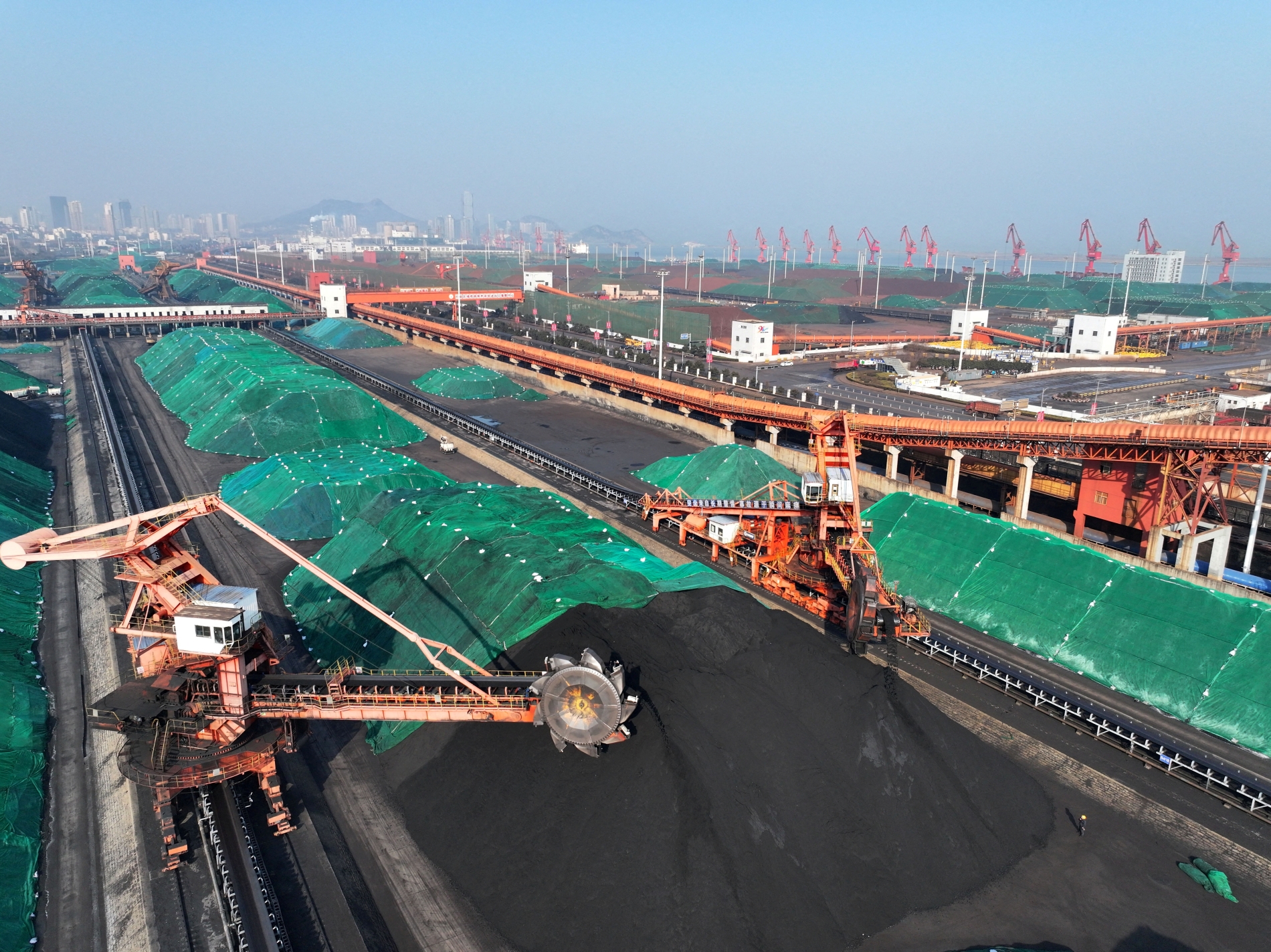
India depends heavily on imported crude oil, and the Arabian Gulf remains a principal source of its supplies, particularly from Iraq, Saudi Arabia, the UAE, and Kuwait, despite Russia becoming India’s leading oil supplier since 2023. Data from 2024 indicate that the Gulf states still provide around 46% of India’s crude oil imports, while Russia provides around 36%.
GCC states host one of the largest Indian communities in the world, estimated at around nine million across the UAE, Saudi Arabia, Kuwait, Qatar, Oman and Bahrain, making Indians the largest foreign community in the region. The remittances they sent home form an important pillar of the Indian economy. According to the Reserve Bank of India, GCC states accounted for 38% of total remittances to India in 2023-24. Total remittances to India reached $118.7bn that year, before rising to around $129bn in 2024, according to World Bank estimates. This suggests that remittances from the Gulf amount to $45-50bn annually.
Strategic relations
The commercial ties strengthened by seven decades of oil prosperity have elevated economic relations with East Asia into a strategic priority, giving them an increasingly geopolitical character. Observers expect these relations to gain greater weight in the years ahead. Gulf sovereign wealth funds have begun increasing their investment allocations to China, India, Japan, and Southeast Asia, while maintaining large portfolios in the United States and Europe. This geographic diversification reflects the evolving trade and energy relations between the Gulf and Asian economies.