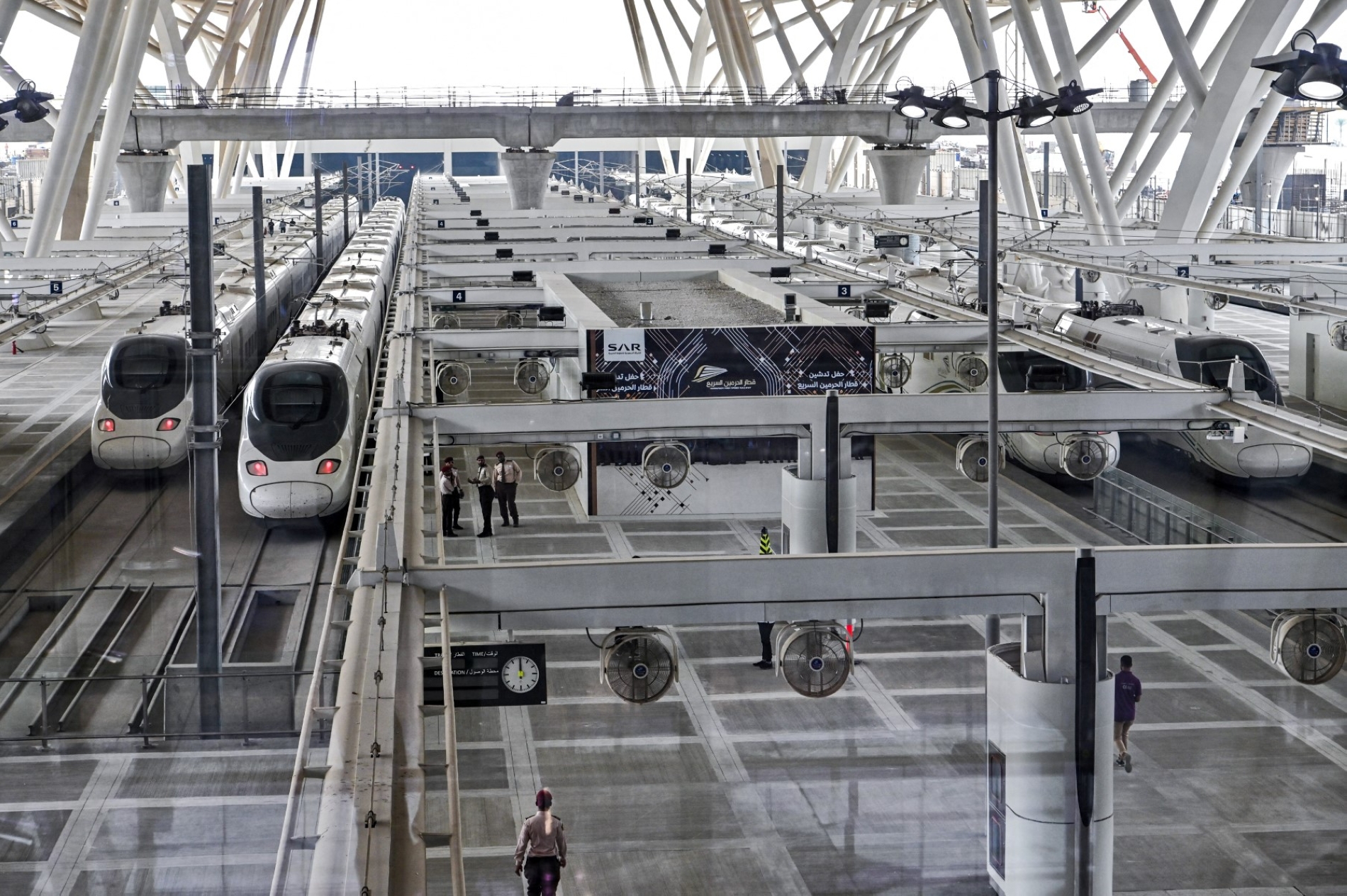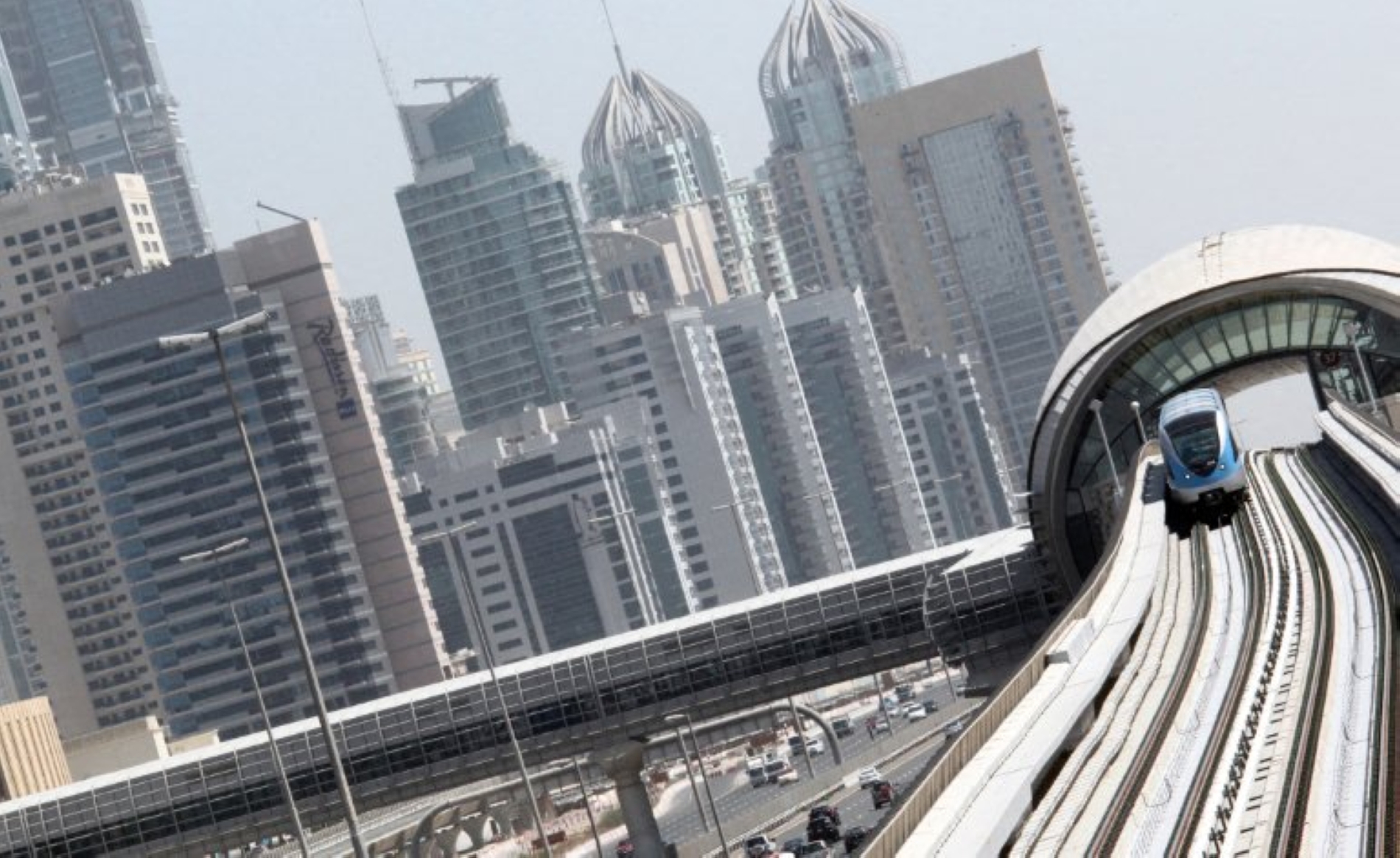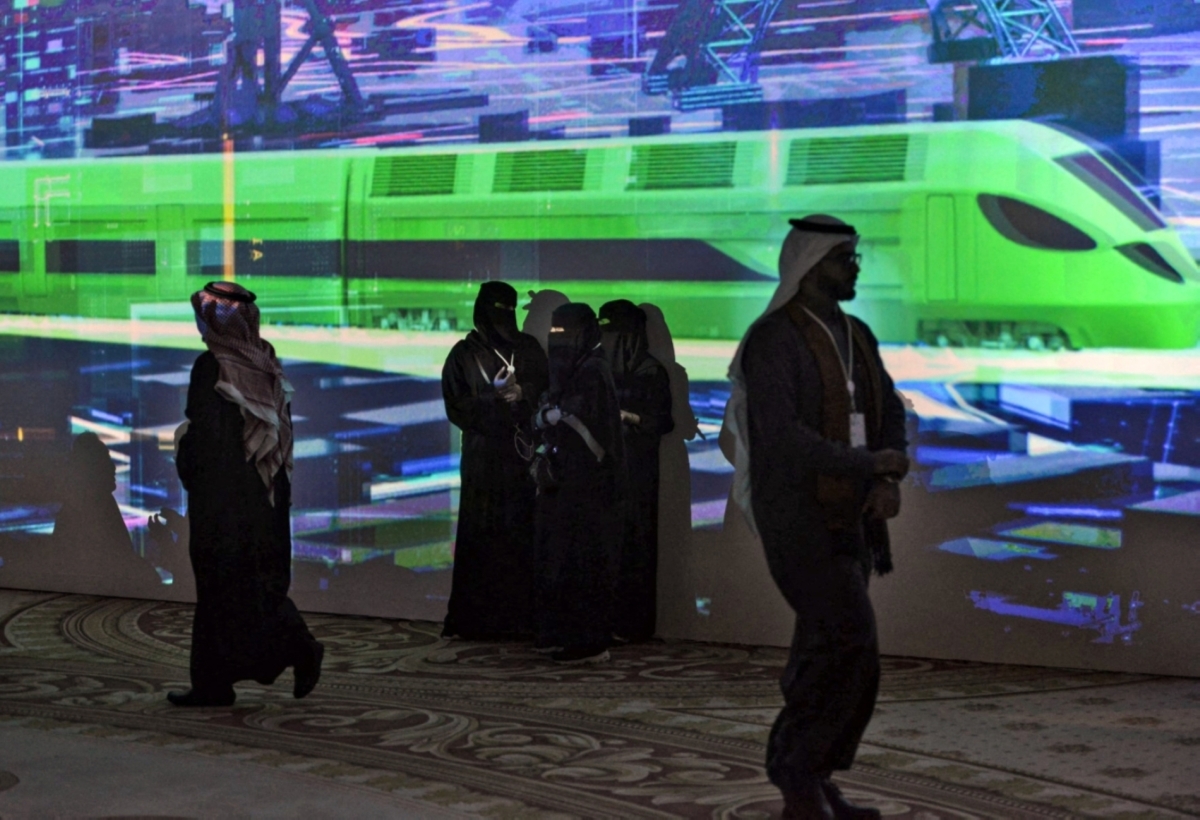

The Gulf Cooperation Council (GCC) states first contemplated a shared railway network in the 1980s, as part of a broader effort to deepen economic integration among them. The project acquired formal standing in 2009, when GCC leaders approved it at the Kuwait Summit. Since then, studies and plans have sought to link the six member states through a 2,100km network for both passengers and goods to strengthen trade.
Repeated postponements slowed its progress, before work was revived and the Gulf Railway Authority was established in 2021 to coordinate implementation. Between 2024-26, the project gained fresh momentum, as national schemes connected to the wider network accelerated. The Authority has now announced that the full link is due to be complete by the end of 2030. This will make travel between the cities and regions of the Gulf states easier, moving people, goods, and cargo, strengthening supply chains, and linking centres of export and import.
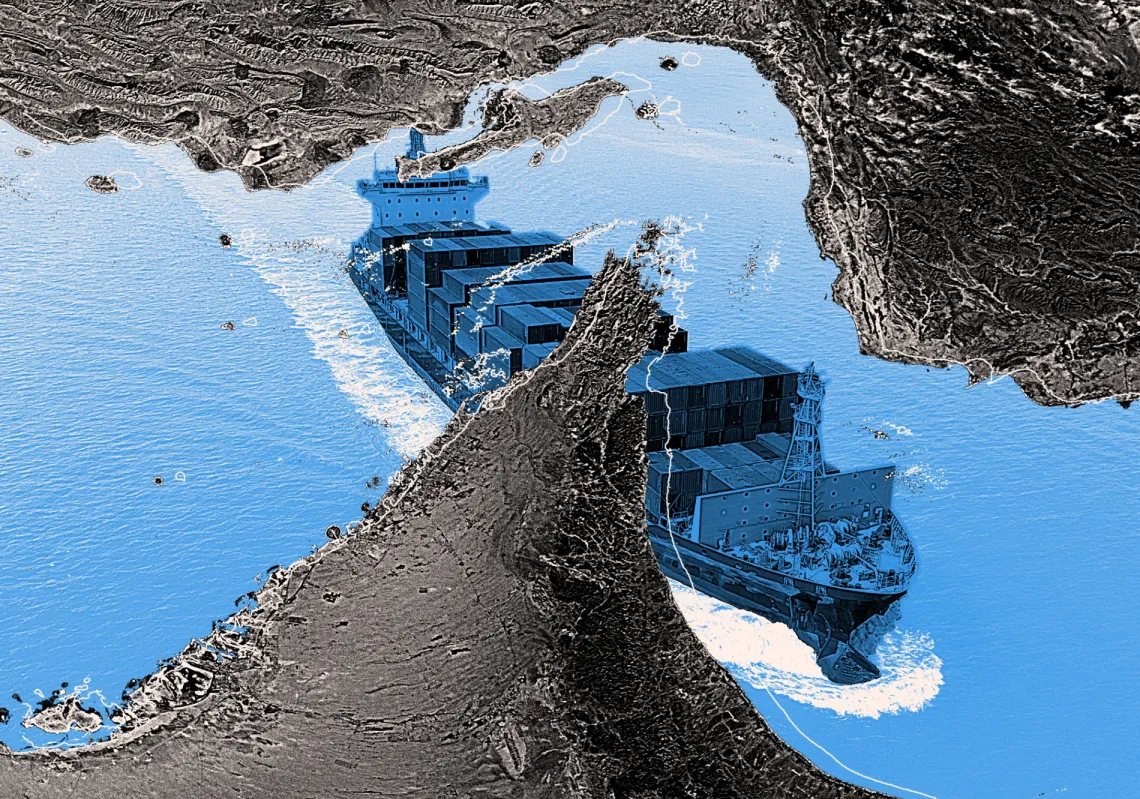
The need for such railway mechanisms became more apparent after the outbreak of the US-Israeli war against Iran on 28 February, and Iran’s subsequent pressure on Gulf states through its closure of the Strait of Hormuz—the principal maritime passage on which these countries depend for oil and gas exports. The same passage is also vital to the supply of imported goods and commodities, including food products.
Saudi Arabia, Oman, and the United Arab Emirates could navigate the bottlenecks caused by the closure, thanks to their geography and access to maritime outlets outside the Strait. Yet the war highlighted the importance of connecting Gulf states to infrastructure, particularly in Saudi Arabia, so that exports of all kinds can continue and diverse imported commodities can remain within reach.
Yet despite the high hopes invested in it, the GCC railway project has been delayed by nearly 17 years, stifled by overlapping challenges. The Economist Intelligence Unit noted that the original 2018 completion target “was missed largely because of the fall in oil prices between 2014-16, which increased fiscal pressure on Gulf economies dependent on oil exports”. That led governments to reprioritise their spending on infrastructure projects.
Uneven implementation
Implementation has been uneven across member states. While some moved ahead with their national networks, others chose to wait until neighbouring countries were ready before completing cross-border sections. The project also faced technical and regulatory hurdles related to harmonising operating standards, route designation, land acquisition, and existing infrastructure constraints in some states.
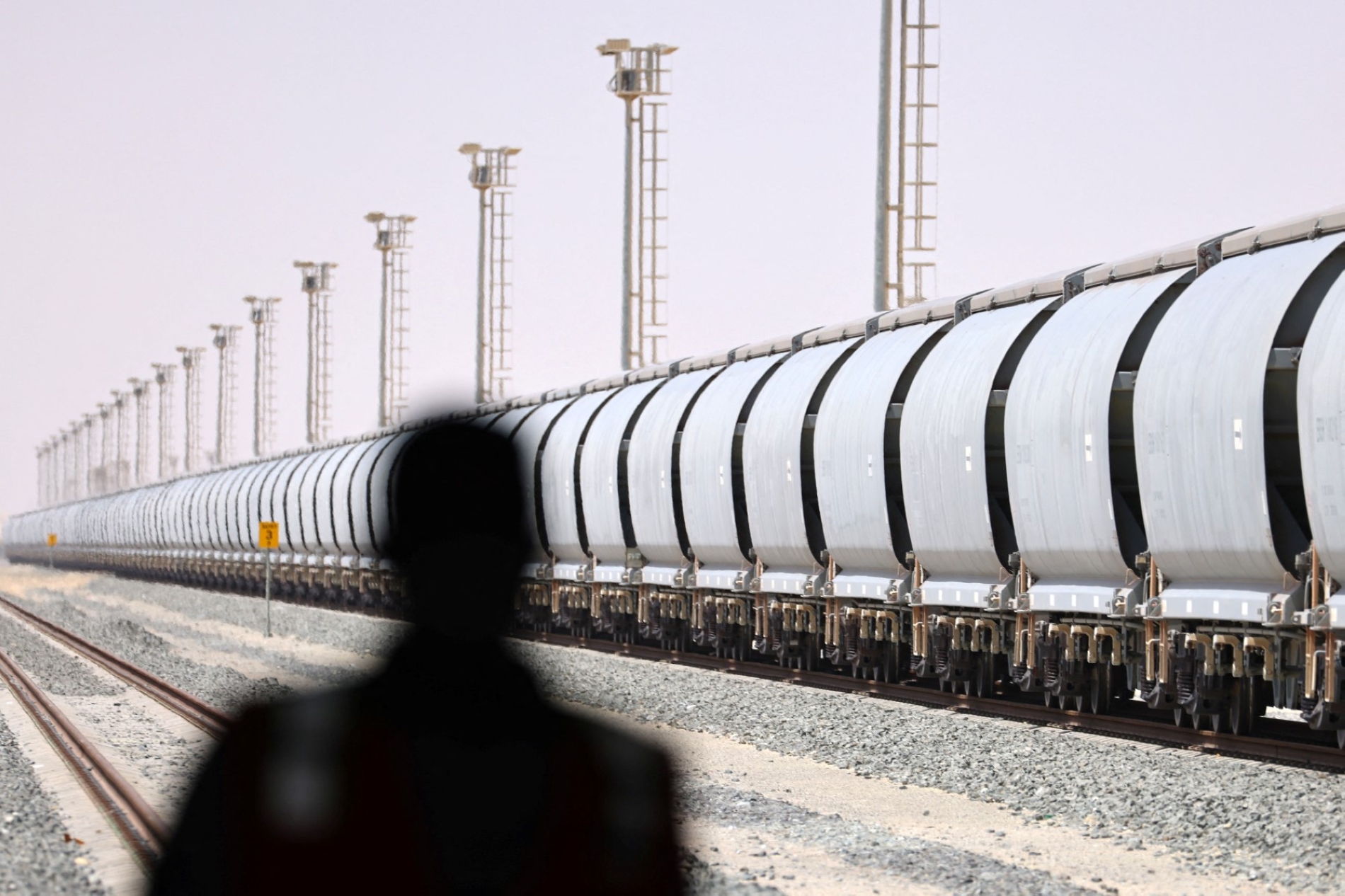
Despite these delays, the GCC countries revived the project by establishing the Gulf Railway Authority in 2021 and setting December 2030 as the target date for the full operation of the Gulf network. Several of its core components are now complete or at an advanced stage. The UAE has completed most of the Etihad Rail network, which now spans the country and is already used for freight, while preparations continue for the launch of passenger services.
The company began operating the first phase of the network in 2016, with a 264km line built to transport sulphur from Shah and Habshan to the port of Ruwais. Expansion works followed in 2020. In February 2023, the UAE inaugurated its 900km national railway network linking the seven emirates, from Ghuwaifat to Fujairah. This coincided with the launch of more efficient nationwide freight services. Freight capacity could reach 60 million tonnes of cargo by 2030.