Washington’s Saudi nuclear deal tests Israel’s prime minister

Benjamin Netanyahu has kept conspicuously quiet about a US-Saudi nuclear partnership that could allow enrichment in the Gulf. How he handles it could impact Israel’s upcoming election

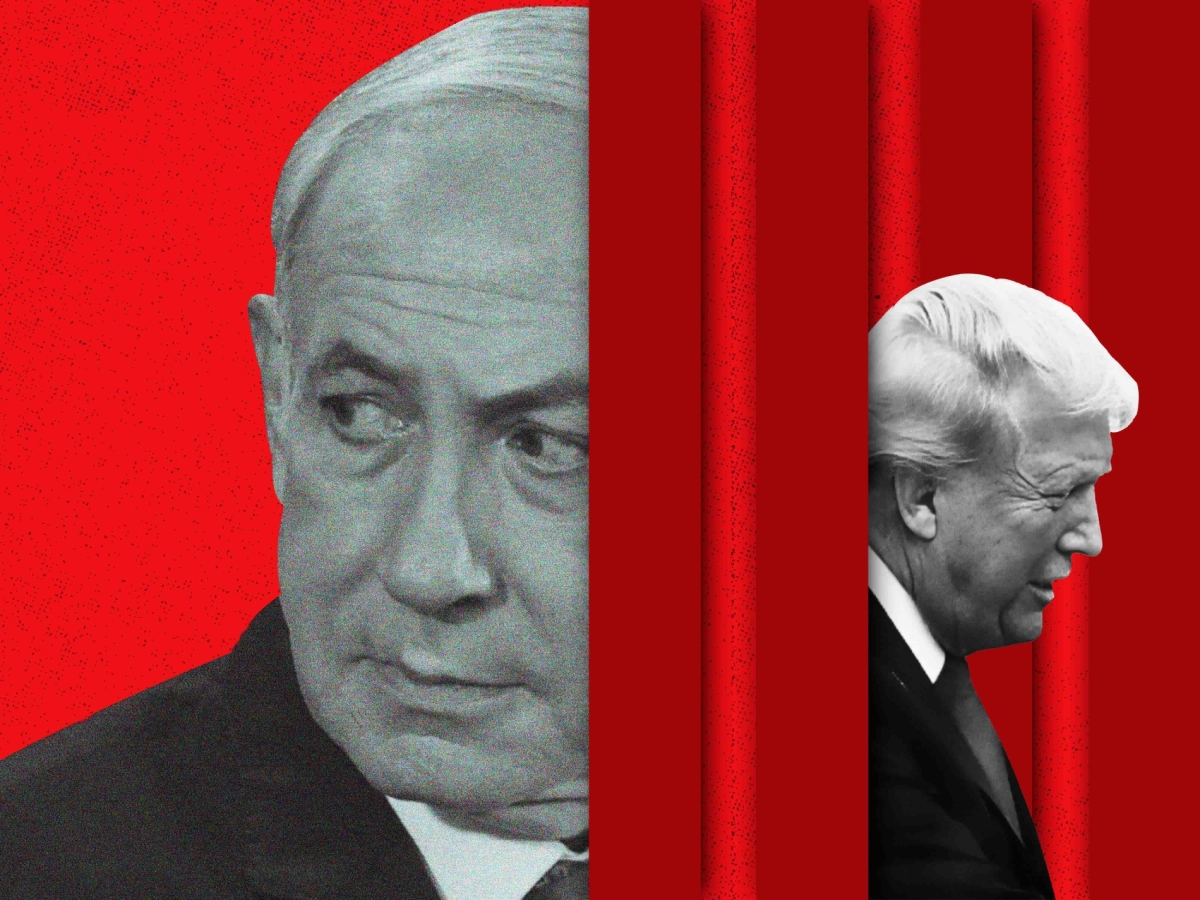
Israel's Benjamin Netanyahu has some manoeuvring to do after its main ally, the United States, signed a deal that could allow uranium enrichment in Saudi Arabia.
Michelle Thompson
Israel's Benjamin Netanyahu has some manoeuvring to do after its main ally, the United States, signed a deal that could allow uranium enrichment in Saudi Arabia.

Washington’s Saudi nuclear deal tests Israel’s prime minister

On 22 July 2026, the US Department of Energy announced that Washington and Riyadh had signed a civil nuclear cooperation agreement. It took the Middle East largely by surprise because it appeared to allow uranium enrichment, whilst dispensing with the international atomic watchdog’s snap inspection permissions.

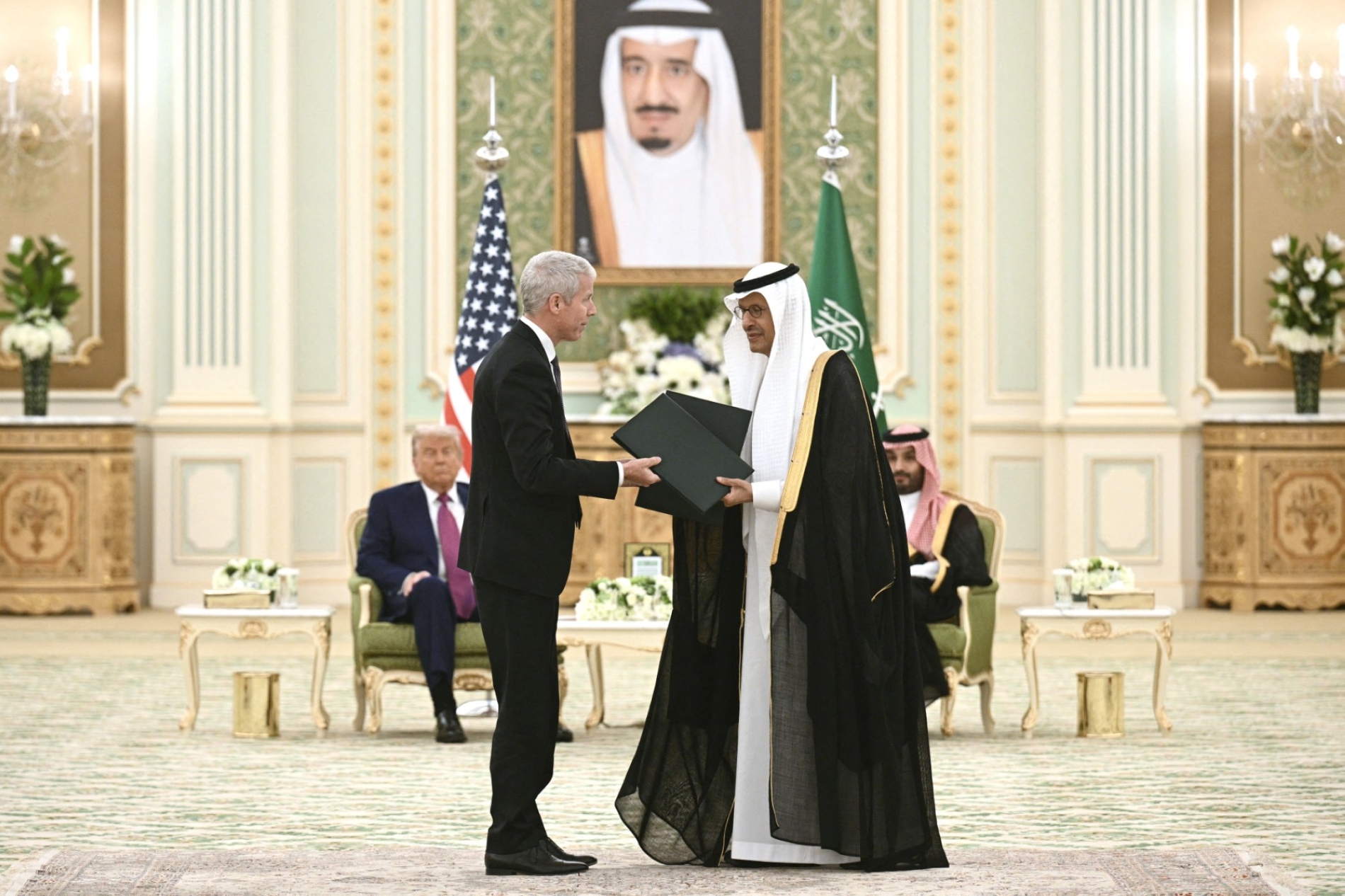
Signed by Energy Secretary Chris Wright and Saudi counterpart Prince Abdulaziz bin Salman, the US government called it the legal foundation for “a decades-long partnership worth billions of dollars,” advancing both economic and strategic goals, “including nuclear non-proliferation”.

The clause that alarmed Israel sits deeper in the text. Unlike America’s 2009 nuclear deal with the United Arab Emirates, which required Abu Dhabi to forgo both enrichment and reprocessing, this agreement omits the IAEA’s Additional Protocol permitting snap inspections, while opening a pathway for uranium enrichment and spent-fuel reprocessing on Saudi soil.

This is the nub of it: Saudi Arabia wants domestic enrichment. Saudi officials have long argued that if it is denied enrichment rights, it will turn to China or Russia instead, which apply looser non-proliferation standards. If it were simply about having nuclear energy, such a deal would have been signed decades ago, the US having been willing to offer nuclear cooperation under a ‘gold standard’ (a set of rules aimed at avoiding nuclear proliferation, which explicitly bans enrichment abroad).

What Washington and Riyadh negotiated is an agreement that does not quite meet this standard, although it does include undisclosed guarantees. According to reports, under the arrangement, any enrichment facility would nominally be built and operated by American companies in a ‘black box’ configuration under tight controls. If Washington declines to proceed, Riyadh is barred from pursuing enrichment independently, or with another partner, for ten years.
AFP
US Secretary of Energy Chris Wright (C-L) and Saudi Arabia's Energy Minister Prince Abdulaziz bin Salman (C-R) exchange folders as US President Donald Trump (L) and Saudi Arabia's Crown Prince Mohammed bin Salman (R) look on.

Saudi Arabia’s nuclear programme will be among the topics that Israel’s Prime Minister Benjamin Netanyahu is likely to cover in his upcoming visit to Washington. Although quiet about the deal in public, he is likely to want further details as to what has been agreed. He may even seek to discreetly influence it retroactively.

A bright red line

While Netanyahu kept his counsel, most Israelis did not. Officials reacted with what an N12 diplomatic correspondent described as a “great concern” over the intention to permit uranium enrichment on Saudi territory, a move seen as crossing a red line. Israel, which is widely believed to have nuclear weapons, worries about the possibility of an uncontrolled nuclear arms race in the region.

Although it does not view Saudi Arabia in the same way that it does Iran, Israel’s security establishment knows that there are many aspiring nuclear powers in the region, including Türkiye and Egypt, and that in the Middle East, yesterday’s friends can easily become today’s enemies. Enrichment capability, once established anywhere in the region, is treated as a strategically irreversible precedent.

A senior Israeli official familiar with the negotiations told Israel’s Channel 12 that enrichment on Saudi soil would be a danger to Israel’s security, adding: “The silence of Israel’s leadership is embarrassing, regardless of the normalisation question.” The remark referenced a longstanding Israeli aim of normalising relations with Riyadh. The same official called a civilian enrichment facility “a school for developing nuclear weapons,” describing it as “a bright red line”.
The US-Saudi agreement omits the IAEA's Additional Protocol permitting snap inspections, while opening a pathway for uranium enrichment and spent-fuel reprocessing on Saudi soil

Netanyahu's silence is understandable, because the security issues are compounded by political ones. A Saudi-US nuclear deal has always been in the broader framework of normalisation. Previous US administrations, and many Republicans, have made it clear that a US-backed Saudi nuclear programme was contingent on Riyadh normalising ties with Israel.


The fact that Washington went ahead and signed a deal that does not appear to be explicitly conditioned by normalisation is a slap in the face for Netanyahu. Some see it as a sign of diminished Israeli influence in Washington. The Israeli premier has continuously dangled the prospect of Israel-Saudi normalisation as part of an Israeli vision of a new Middle East, despite Riyadh's continued insistence that normalisation is contingent on concrete steps towards a Palestinian state.

Since Israel's destruction of Gaza from 2023, the idea that Riyadh could normalise ties with Israel without such steps has been considered fanciful, but Netanyahu has kept believing. Conditioning a nuclear deal on normalisation was one of his last remaining cards. With an Israeli election on the horizon, opposition figures were quick to condemn the deal as both a security threat and a diplomatic failure.

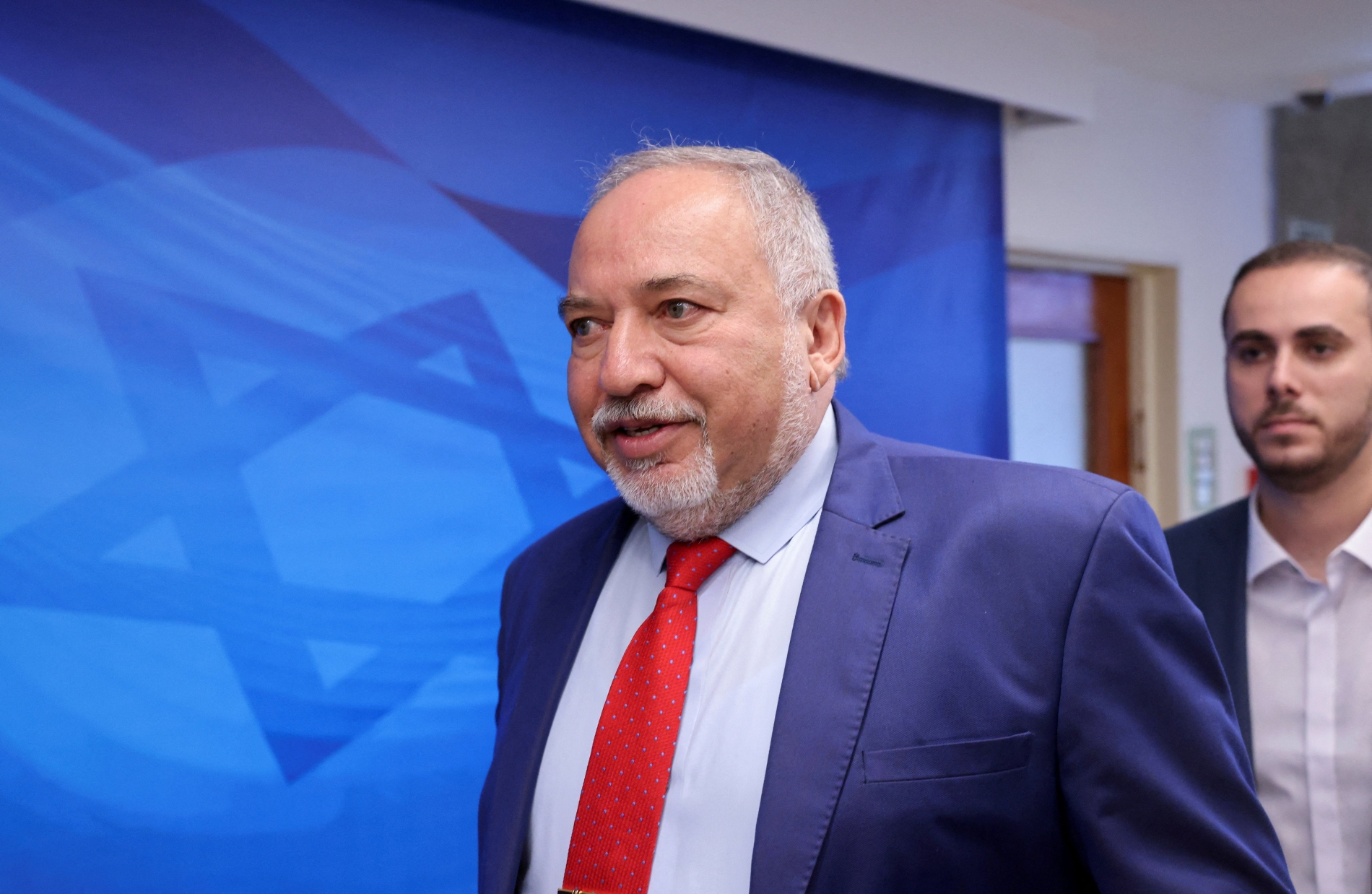
Challengers Naftali Bennett and Avigdor Lieberman both called it a "serious strategic failure," with Lieberman warning that a civilian nuclear program in Saudi Arabia "will end in nuclear weapons and will lead to a crazy arms race throughout the entire Middle East". Yair Lapid said: "I can't explain just how much this is a total failure of Netanyahu... His job is to prevent a Saudi nuclear programme."

Reuters
Former Israeli finance minister Avigdor Lieberman said the US-Saudi nuclear deal "will end in nuclear weapons and will lead to a crazy arms race throughout the entire Middle East".

Benny Gantz, a former army general, called it "a huge, missed opportunity," while Yair Golan warned that granting Saudi Arabia nuclear capability "without a framework of relations with Israel as a condition creates a dangerous reality for the State of Israel".

Trump's pivot

Though Netanyahu refrained from criticising Trump, Israel's frustration was likely relayed to the White House. A day after the signing, Trump took to social media to introduce a dramatic new condition: normalisation. Posting on 23 July, he said Saudi Arabia would have to join the Abraham Accords if the deal was to go ahead, adding that there would be no uranium enrichment at all. He said the arrangements pertained "only to non-military uses such as the ones that Iran and UAE (and others) already have", and that the US "does not oppose non-enriched civilian nuclear facilities".

The American U-turn is likely to stem in part from the backlash, including from within the US. The deal is due to be reviewed by the US Congress, which will have 90 days to study its details. Congress could object, citing the missing Additional Protocol and enrichment provisions.

AFP
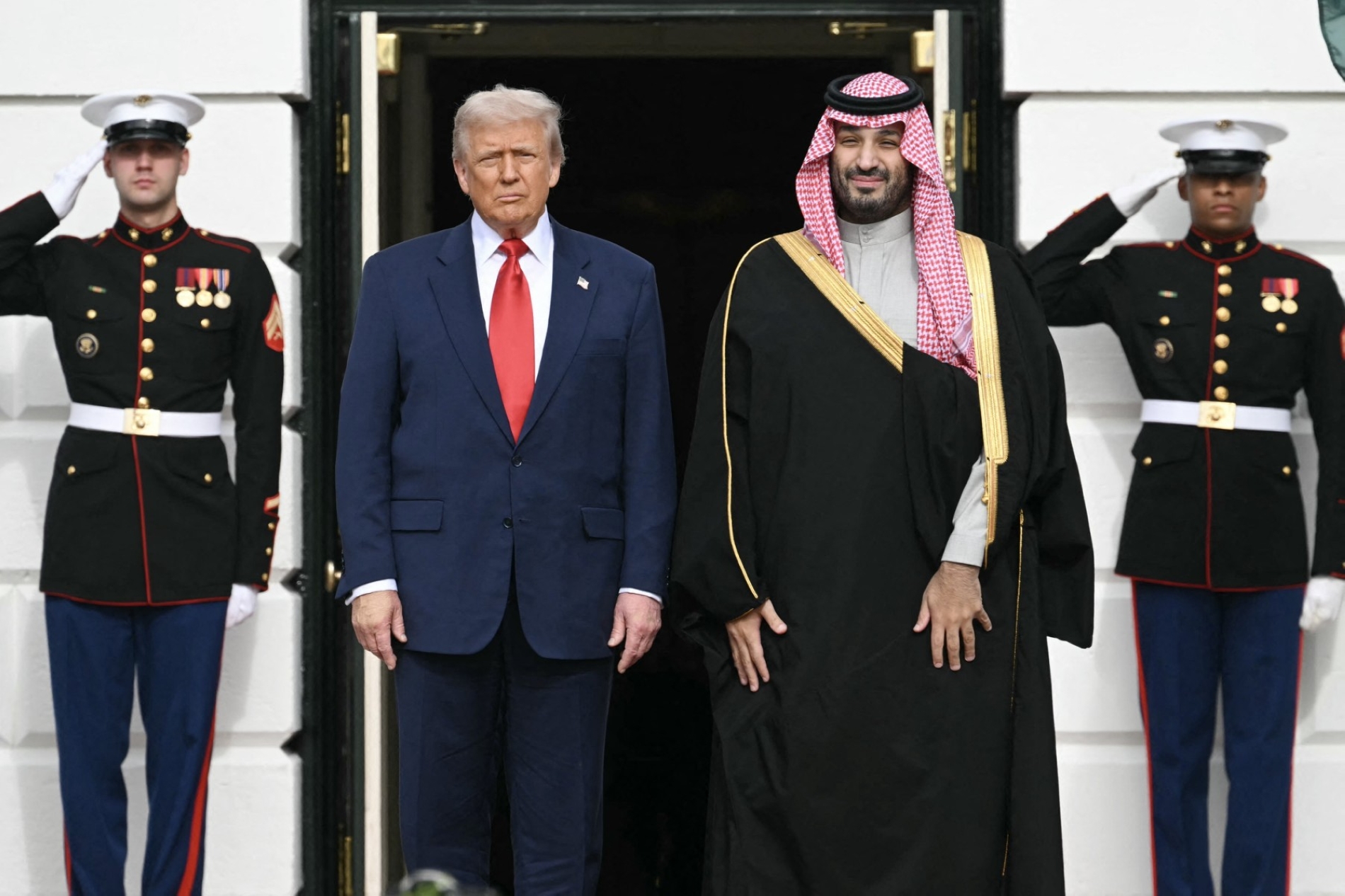
US President Donald Trump welcomes Saudi Crown Prince and Prime Minister Prince Mohammed bin Salman in the South Garden of the White House in Washington, November 18, 2025.

What happens now that Trump has retroactively conditioned the deal on normalisation is unclear. Saudi Arabia has not publicly responded. A deal without the clear support of the President is unlikely to last and may well be rejected by Congress. This lets Israel reshape the agreement, starting with Netanyahu's visit to Washington.

Netanyahu's objectives are to improve coordination with Trump on the Saudi track, secure assurances that a Saudi nuclear programme means normalisation, and above all, to ensure there will be no enrichment on Saudi soil. Notably, he wants all this without committing Israel to a credible pathway to a Palestinian state, despite that being the price Riyadh has historically demanded.

If Netanyahu can extract a Saudi nuclear rollback, and possibly normalisation, while withholding the one concession Riyadh demands, his political opponents may have less to shout about. Given the tensions between Trump and Netanyahu, not least over Iran and Israel's attacks on Lebanon, it would be an impressive conjuring act from an admittedly skilled political magician.

font change