
A generation separates two agreements governing the relationship between Lebanon and Syria, with each concluded under a radically different political order. The 1991 accord was signed at a time when Syria exercised extensive influence over Lebanon; the 2026 agreement post-dated Syria’s long-running father-then-son Assad family regime, with a profound shift in the regional balance of power in between.
The contrast between the two agreements raises fundamental questions about their provisions, the assumptions underlying them, and the relationship each seeks to establish. Foremost among these questions is whether the 2026 accord can lay the foundations for a more balanced partnership, grounded in sovereign equality and mutual interests, after a long period of Syrian influence in Beirut.
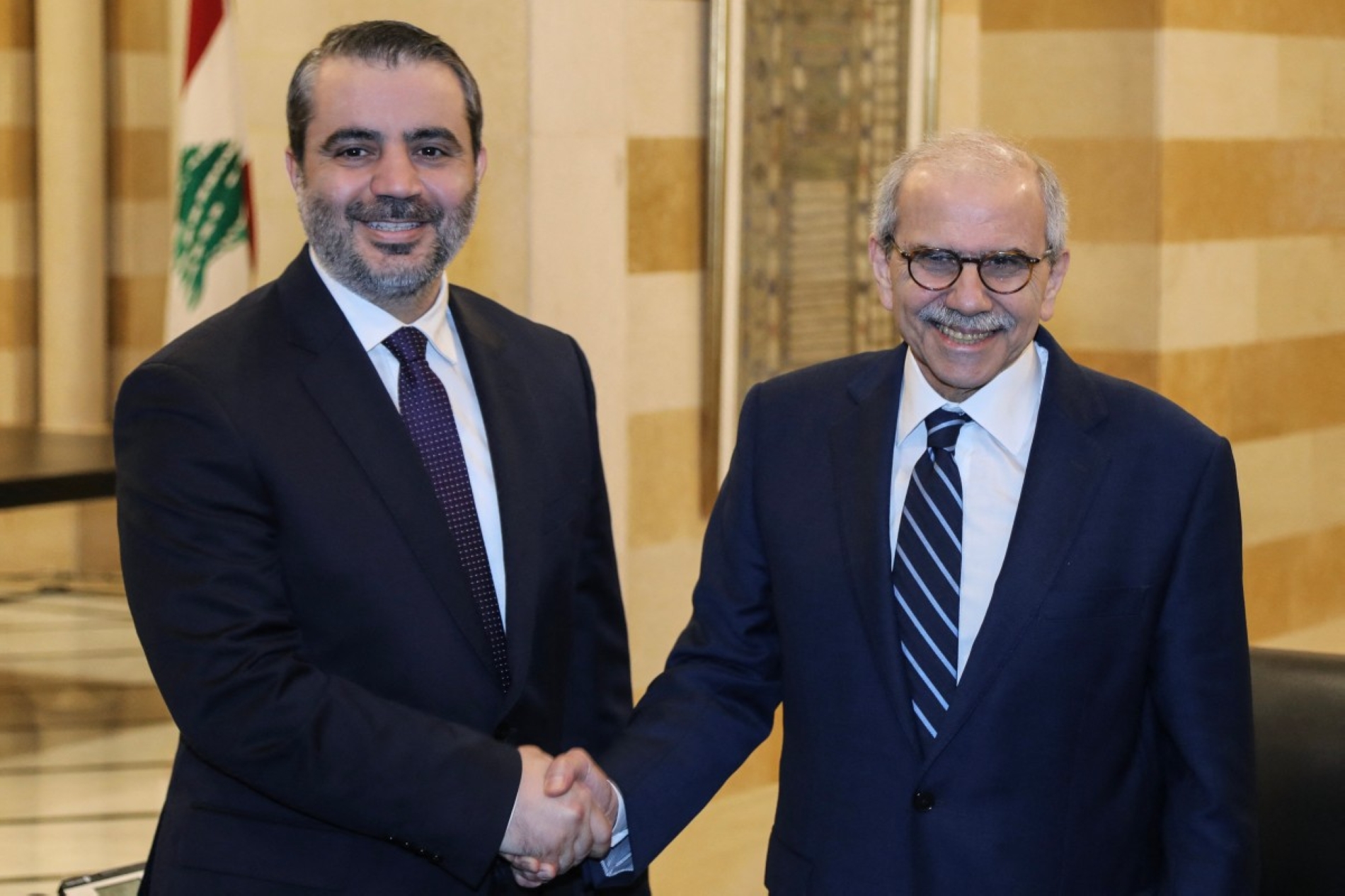
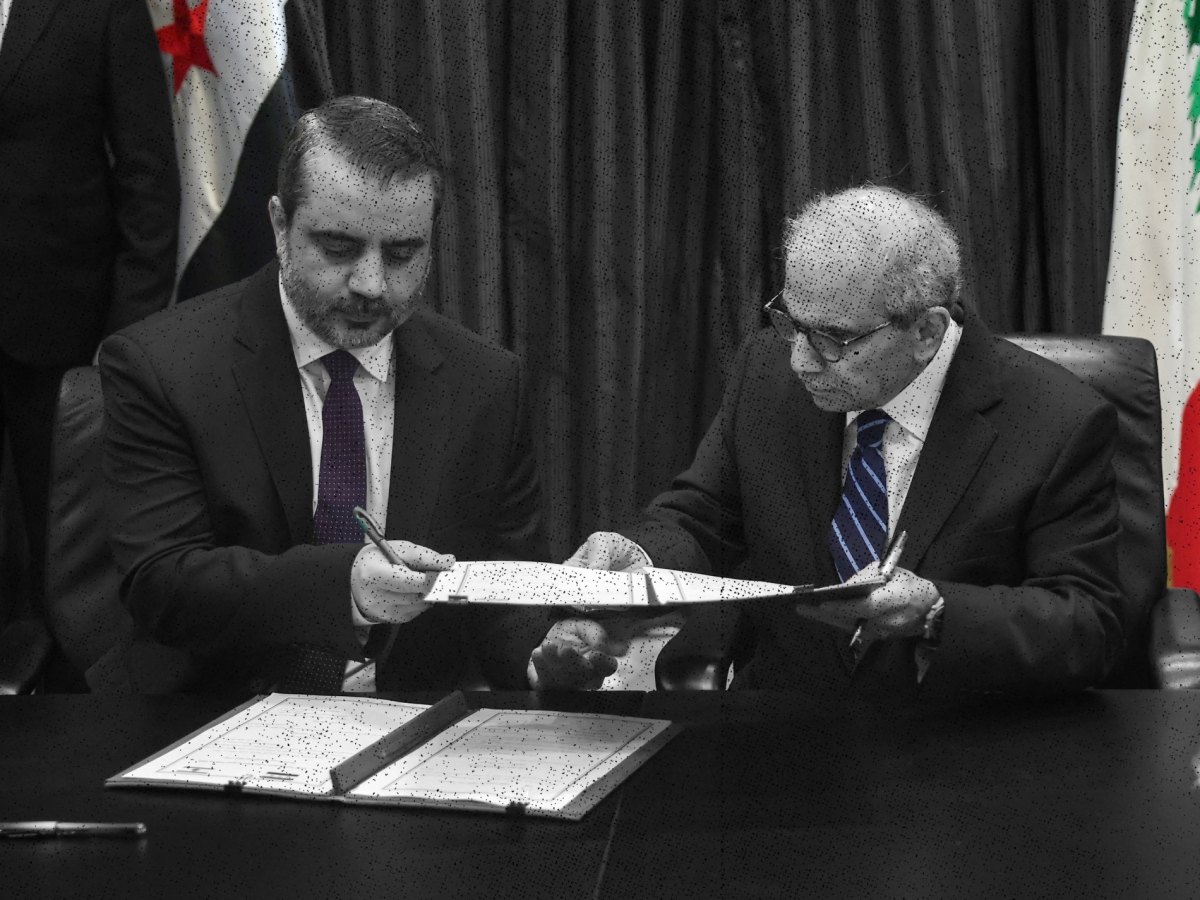
To herald a new era of relations, Syrian Foreign Minister Asaad al-Shaibani visited Beirut last week. At the Grand Serail, he joined Lebanese Prime Minister Nawaf Salam to sign an agreement establishing a Joint Lebanese-Syrian Higher Committee which will prepare agreements and projects covering politics, diplomacy, economics, finance, legal and security affairs.
The agreement rests on a set of declared principles, namely “respect for the sovereignty and independence of Lebanon and Syria; full equality between the two states; non-interference in internal affairs; good-neighbourly relations; respect for international law and the Charter of the United Nations; and the advancement of common interests in the service of both peoples”.
Consolidating influence
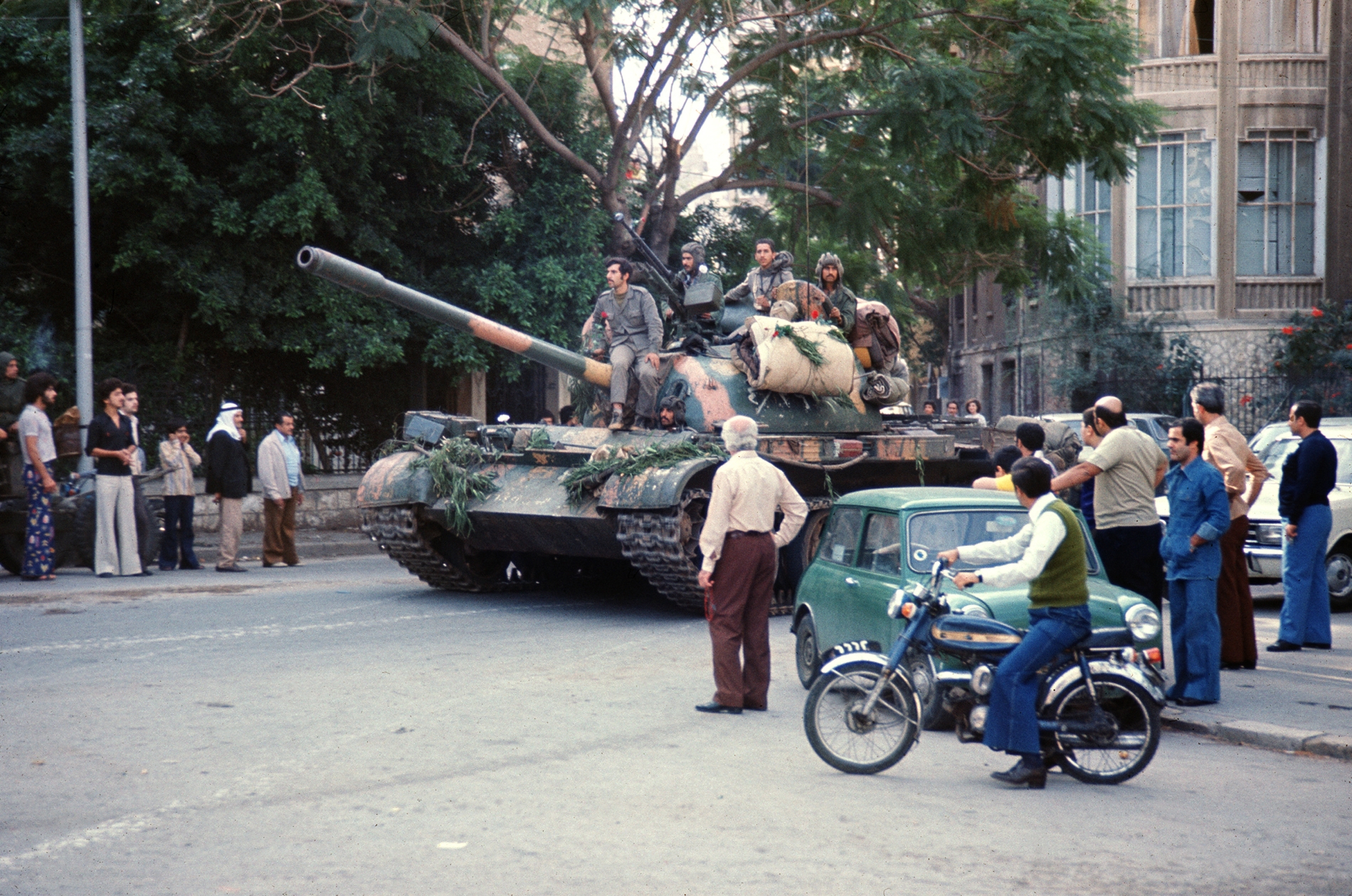
It is a far cry from May 1991, when Lebanese President Elias Hrawi travelled to Damascus to meet Syrian President Hafez al-Assad at the presidential palace to sign the Treaty of Brotherhood, Cooperation and Coordination. This consolidated Syria’s influence in Beirut by establishing the Syrian-Lebanese Higher Council, which comprised Hrawi, Assad, the Speakers of the Syrian and Lebanese Parliament, the two prime ministers, and their deputies.
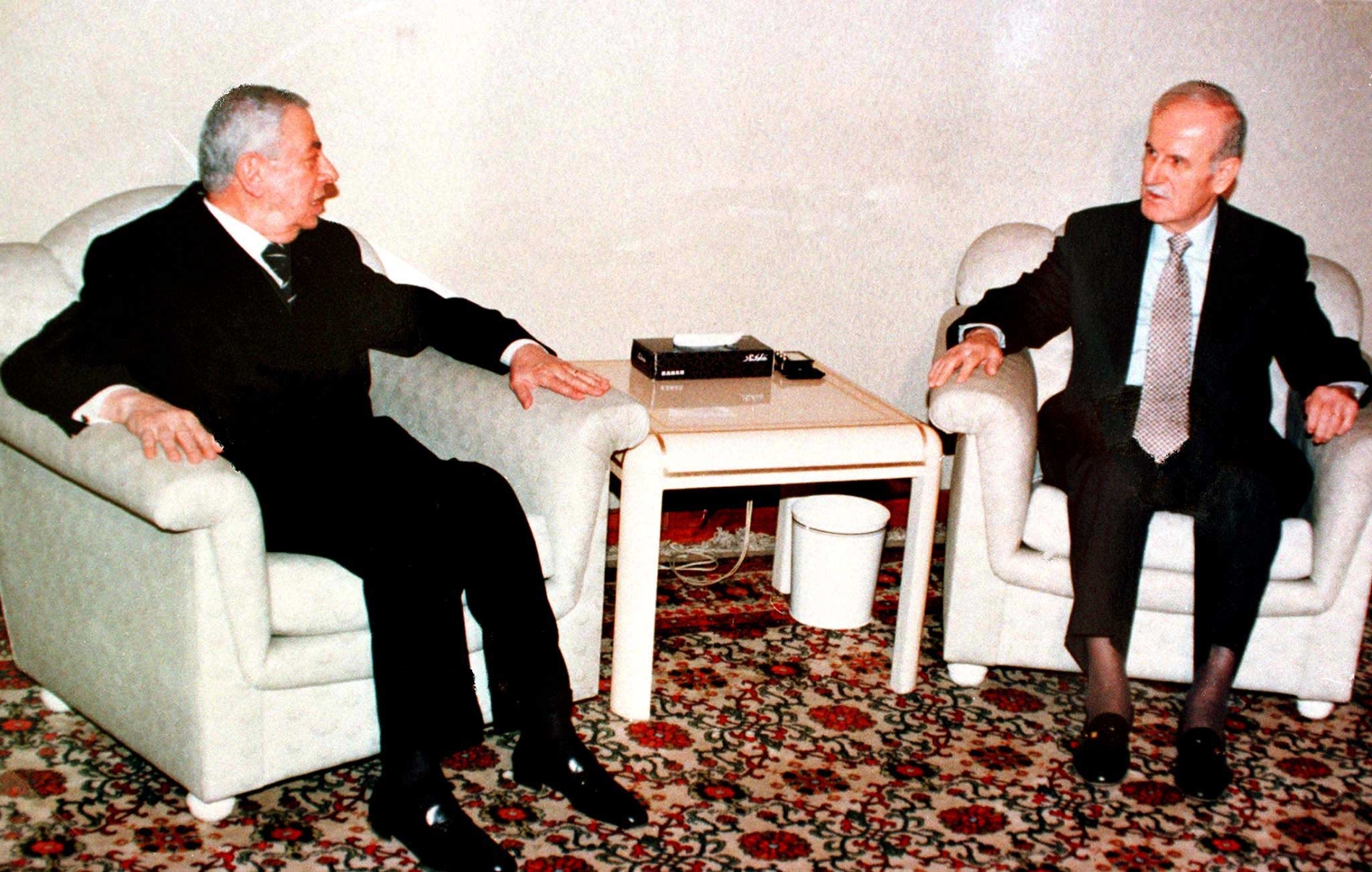
The Council was empowered to formulate political, economic, social policy between the two states and to supervise its implementation. Its decisions were binding within the constitutional systems of both countries. In Beirut, 127 of Lebanon’s 128 members of Parliament approved the treaty. One deputy opposed it, arguing that its provisions were incompatible with Lebanon’s independence and sovereignty.
Speaking on 21 May 1991, the late MP Albert Moukheiber acknowledged its good intentions, but said implementing the provisions (and the political practices associated with them) violated the principles of sovereignty, Lebanese independence, democracy, public freedoms, and the rule of law. Moukheiber concluded by warning that the creation of permanent joint institutions would inevitably deprive Lebanon of the independence of its political decision-making and, ultimately, its sovereignty.
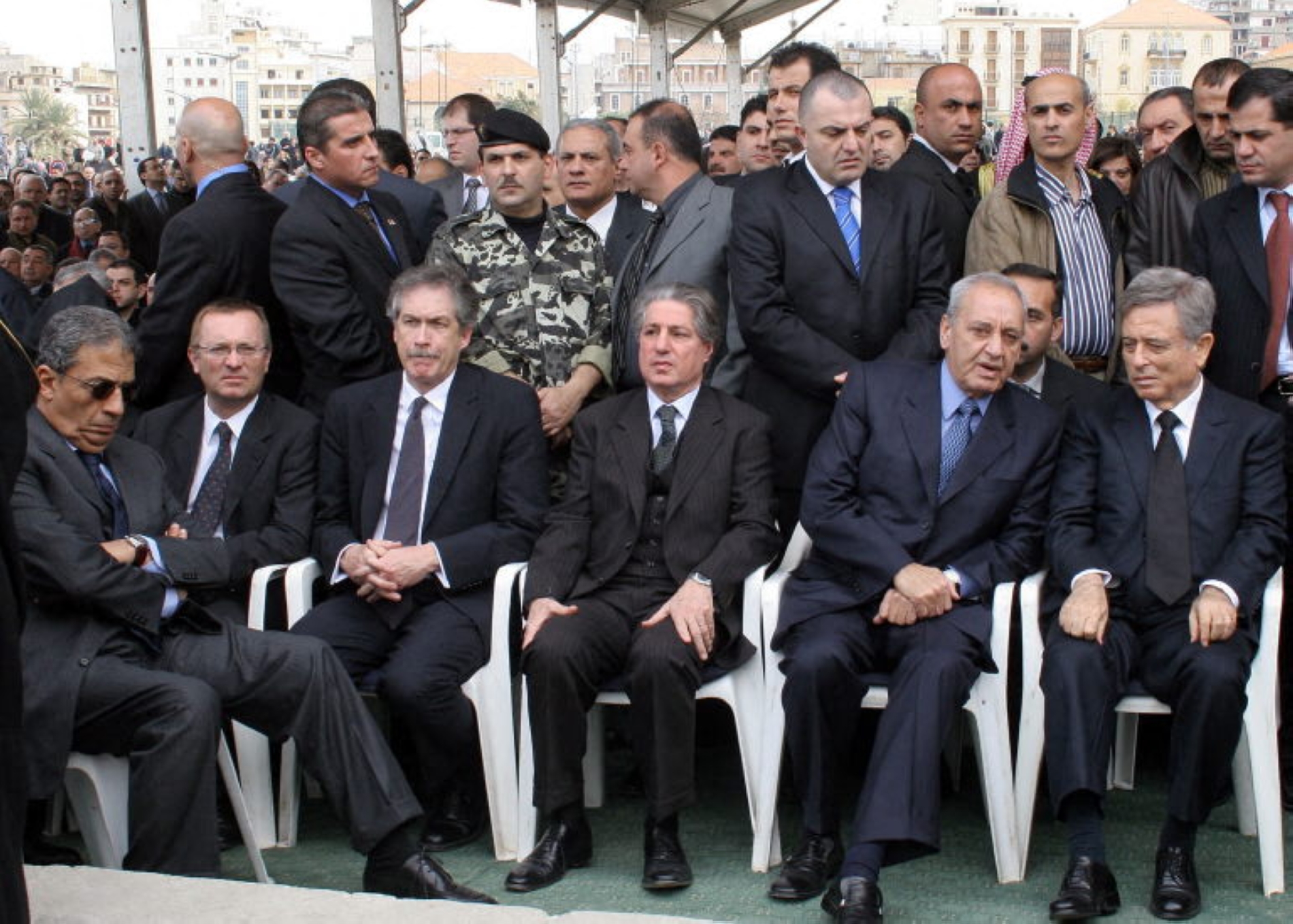
Relations between the two countries deteriorated sharply in 2005 after the assassination of former Lebanese Prime Minister Rafik Hariri, with Damascus seen as being behind the killing. Protests spread throughout Beirut, demanding an end to Syrian tutelage and the withdrawal of Syrian forces from Lebanon. Under mounting international pressure, Syrian soldiers finally withdrew on 26 April 2005, bringing almost three decades of military and political presence to an end.
The withdrawal was widely regarded as the beginning of a new phase. Lebanon wanted to reassess relations with its larger neighbour, establishing diplomatic ties and reviewing the agreements already in force. In 2008, Lebanon secured formal diplomatic relations with Syria, the two states agreeing to open embassies in each other’s capitals.
The continued purpose of the Syrian-Lebanese Higher Council, an institution created during the era of Syrian tutelage, was called into question, but Nasri Khoury, then the Council’s secretary-general, rejected calls for its abolition, arguing that its functions differed from those of the two embassies, particularly in overseeing the implementation of agreements concluded between Lebanon and Syria.
Two different eras
Differences between the 1991 and 2026 accords extend well beyond the political circumstances in which they were signed. The 1991 agreement created a permanent body responsible for coordinating relations between the two countries, whose decisions were binding within their respective constitutional systems, whereas the 2026 agreement creates a committee tasked with overseeing the preparation of agreements and memoranda of understanding between the relevant ministries, whose mandate is grounded in respect for the sovereignty and independence of both states.
Some feel that the 1991 treaty was simply an instrument to give institutional form to Syrian tutelage over Lebanon. They now ask whether the 2026 agreement can establish the foundations of a fundamentally different relationship. Political activist Bechara Khairallah described the new accord as one that moved “from an arrangement based on tutelage towards one founded on equality and genuine partnership”.
Khairallah said: “Equality between Lebanon and Syria runs through all its provisions. The Lebanese side has its own chair, and the Syrian side has its own. Each country appoints the members of its respective committee. In essence, the agreement rests on an equal partnership and mutual respect. The 1991 agreement lacked legitimacy because it was signed under occupation.”
Former Lebanese MP Fares Souaid advised caution, saying: “Before assessing the agreement or comparing it with its predecessor, we must first know precisely what it contains.” The 2026 accord establishes a joint higher body for Lebanese-Syrian relations, Souaid said, “yet the two countries had already established diplomatic representation by 2008”.
Shared interests
Although the new joint higher body may prove highly beneficial, Souaid argued, “it raises an obvious question: is diplomatic representation between the two countries insufficient to manage their shared interests? We must also ask how this body will function, what powers it will possess, which matters will fall within its remit and which will remain the responsibility of the ambassadors.”
Souaid noted that the agreement was signed by the Lebanese prime minister and the Syrian foreign minister, not by officials of equivalent rank. “What we hope for is that the ‘new Syria’ will succeed in rescuing the country and leading it from the oppressive Assad era into a modern and open phase in which Syrian citizens may find freedom and justice. We also hope for the closest possible relations and the highest degree of cooperation and coordination, accompanied by the clearest possible affirmation of sovereignty and independence.”