Why Israel-Türkiye relations have now hit rock bottom

Tel Aviv and Ankara were once so friendly that they shared intelligence and cooperated militarily. Today, they accuse each other of genocide and limit trade. Where next for these two regional rivals?

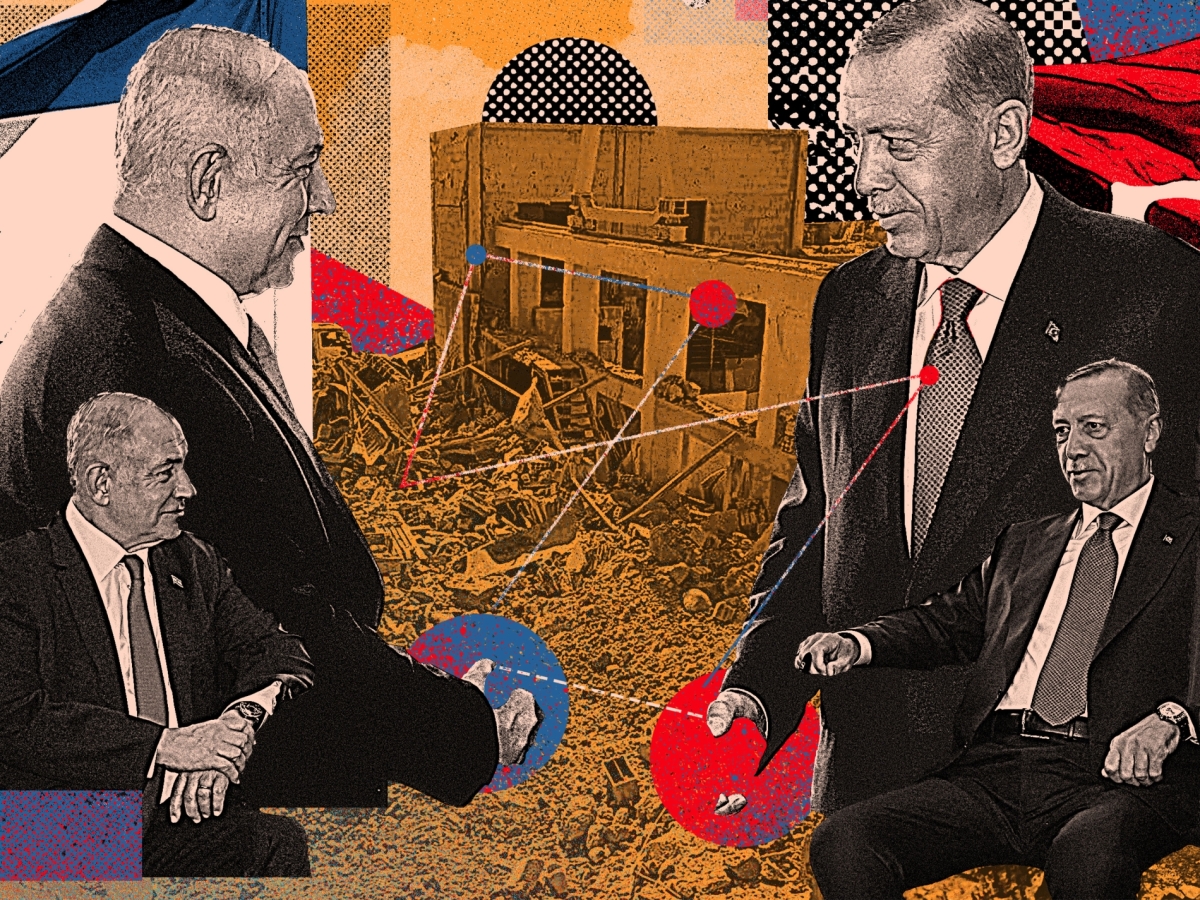
Relations between Ankara and Tel Aviv were once good. Today, they are fractured.
Eduardo Ramon
Relations between Ankara and Tel Aviv were once good. Today, they are fractured.

Why Israel-Türkiye relations have now hit rock bottom

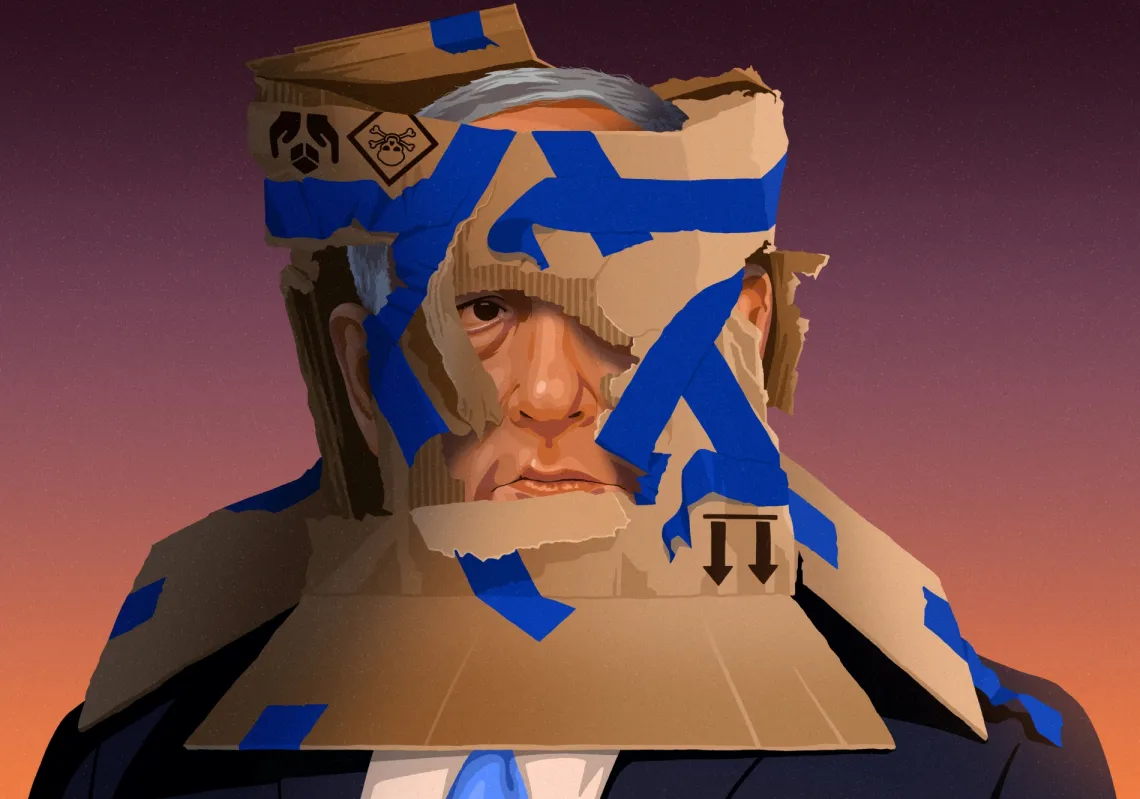
In late June, Israel’s government moved to formally recognise the Armenian genocide at the hands of the Ottomans, ending decades of official hesitation. Needless to say, it does nothing for Israeli-Turkish relations, which have nosedived in recent years, with major disagreements over Gaza being a particularly sore point.

Turkish officials denounced the recognition as political and accused Israel of trying to deflect attention from its war against Palestinians, whereas Israeli officials presented it as a delayed moral and historical correction. For most, it signalled that Jerusalem no longer sees any strategic value in holding back for Ankara’s sake. Strategic constraints had discouraged such a move for decades, but they have now largely disappeared.

Shortly after recognising the Armenian genocide, Israeli Prime Minister Benjamin Netanyahu went further, publicly calling for US President Donald Trump not to sell F-35 stealth fighers to Türkiye, which had already suspended trade with Israel, tightened transport restrictions, backed legal action against Israel in the international courts, and made anti-Israel rhetoric a centrepiece of its regional posture. As such, Israel’s recognition of genocide did not so much create the rupture as confirm its depth.

Once good friends

For much of the 1990s, Israel and Türkiye were among the closest strategic partners in the Middle East. They cooperated militarily, shared intelligence, and shared a concern about regional threats, especially from Syria and armed non-state actors. That partnership gave both sides regional leverage and helped anchor Türkiye more firmly in the Western security orbit, but the relationship began to change after Recep Tayyip Erdoğan and the Justice and Development Party (AKP) came to power in 2002. It meant that political Islamists were now in power in an overtly secular state.

Tensions rose further after the 2010 Mavi Marmara incident, when Israeli commandos boarded a Gaza-bound ship carrying Turkish activists, killing nine and injuring 30, with several Israeli personnel also injured. A limited normalisation effort in 2022 showed that pragmatic cooperation was still possible, but it was shallow at best, with a deep underlying mistrust between the two leaderships. In October 2023, Israel’s war in Gaza in response to the 7 October attacks against southern Israel soured relations overnight.
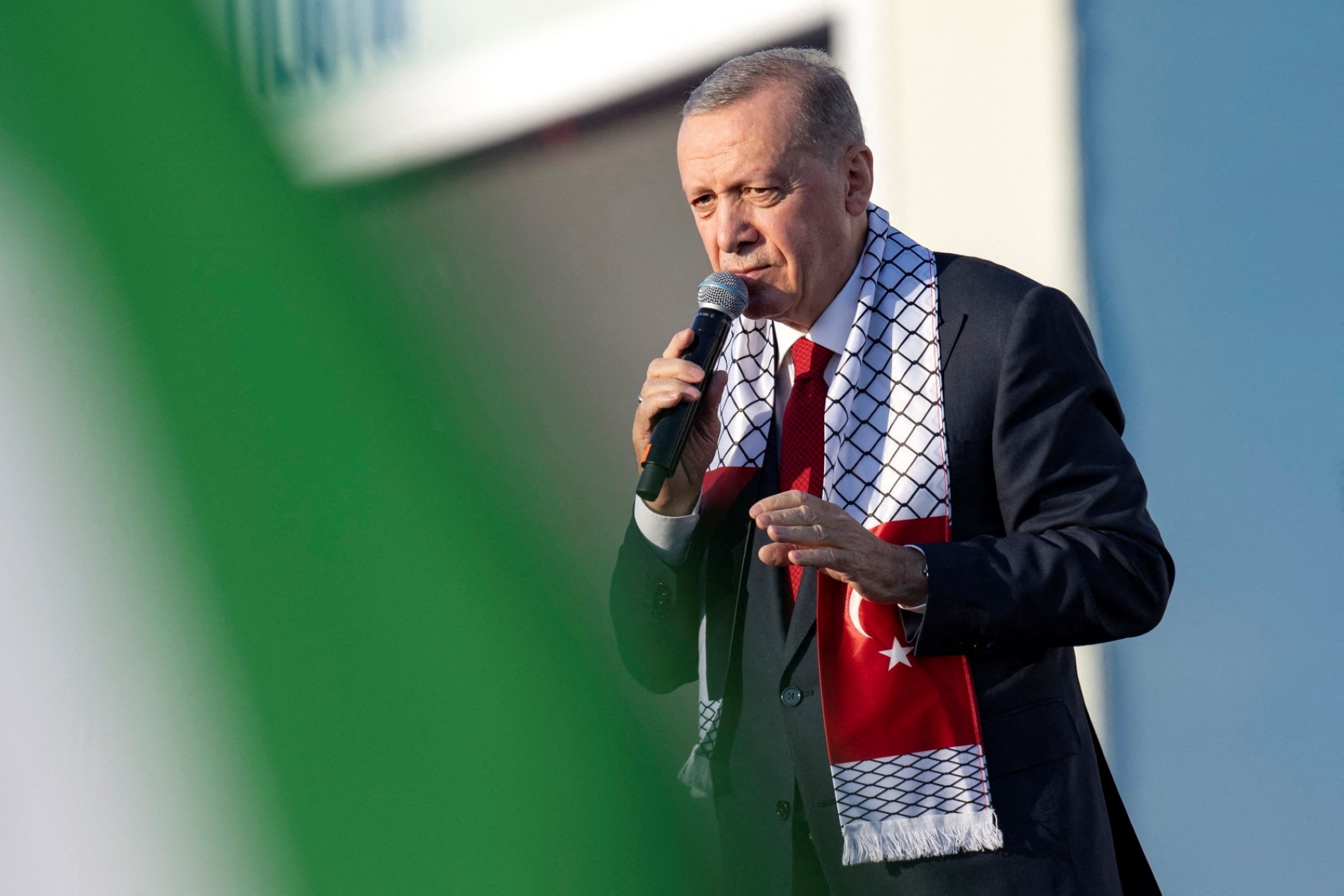
AFP
Turkish President Recep Tayyip Erdogan at a rally organised by the AKP party in solidarity with the Palestinians in Gaza, in Istanbul on 28 October 2023.

Erdoğan was publicly confrontational towards Israel, even praising Hamas members as “mujahideen” while comparing Israel’s conduct in Gaza to Nazi crimes. In April 2024, Türkiye imposed export restrictions on a wide range of products headed to Israel. A month later, it suspended all trade with Israel, a relationship previously worth about $7bn a year. From Israel’s perspective, Türkiye had evolved from a difficult partner to an openly hostile regional actor willing to use rhetoric, economic, and legal measures.

Regional rifts

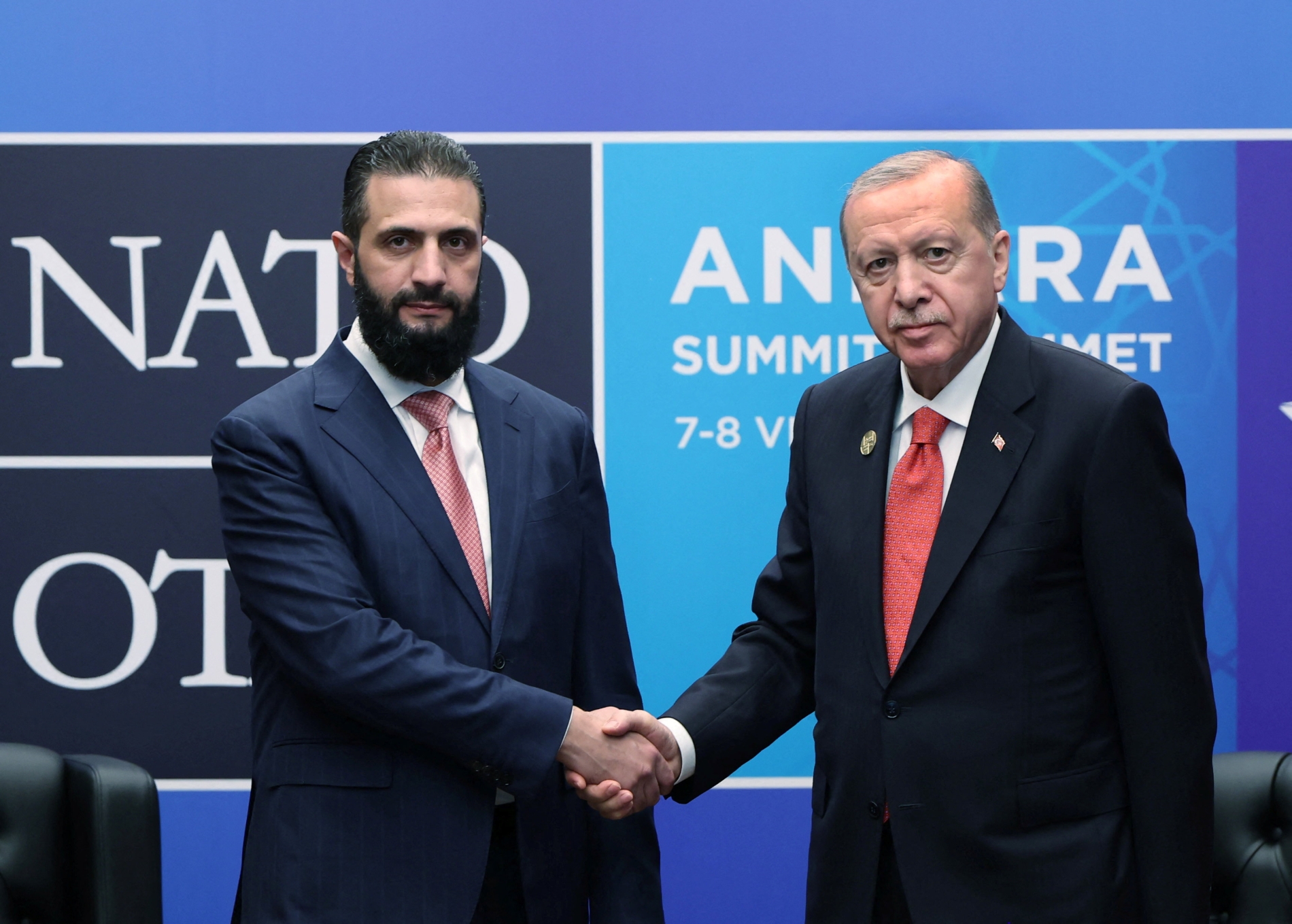
Tensions have gradually escalated since 2023, from a war of words to physical action against each other’s interests, including in Syria. Tel Aviv distrusts the new leaders in Damascus, but US President Donald Trump has warmed to Syrian President Ahmed al-Sharaa, a former jihadist whose Idlib-based forces ousted Bashar al-Assad in December 2024. Israel is also concerned that Washington is cozy with Ankara, despite the United States and Türkiye both being NATO members.
Türkiye has suspended trade, tightened transport restrictions, backed legal action against Israel in the international courts, and made anti-Israel rhetoric a centrepiece of its regional posture

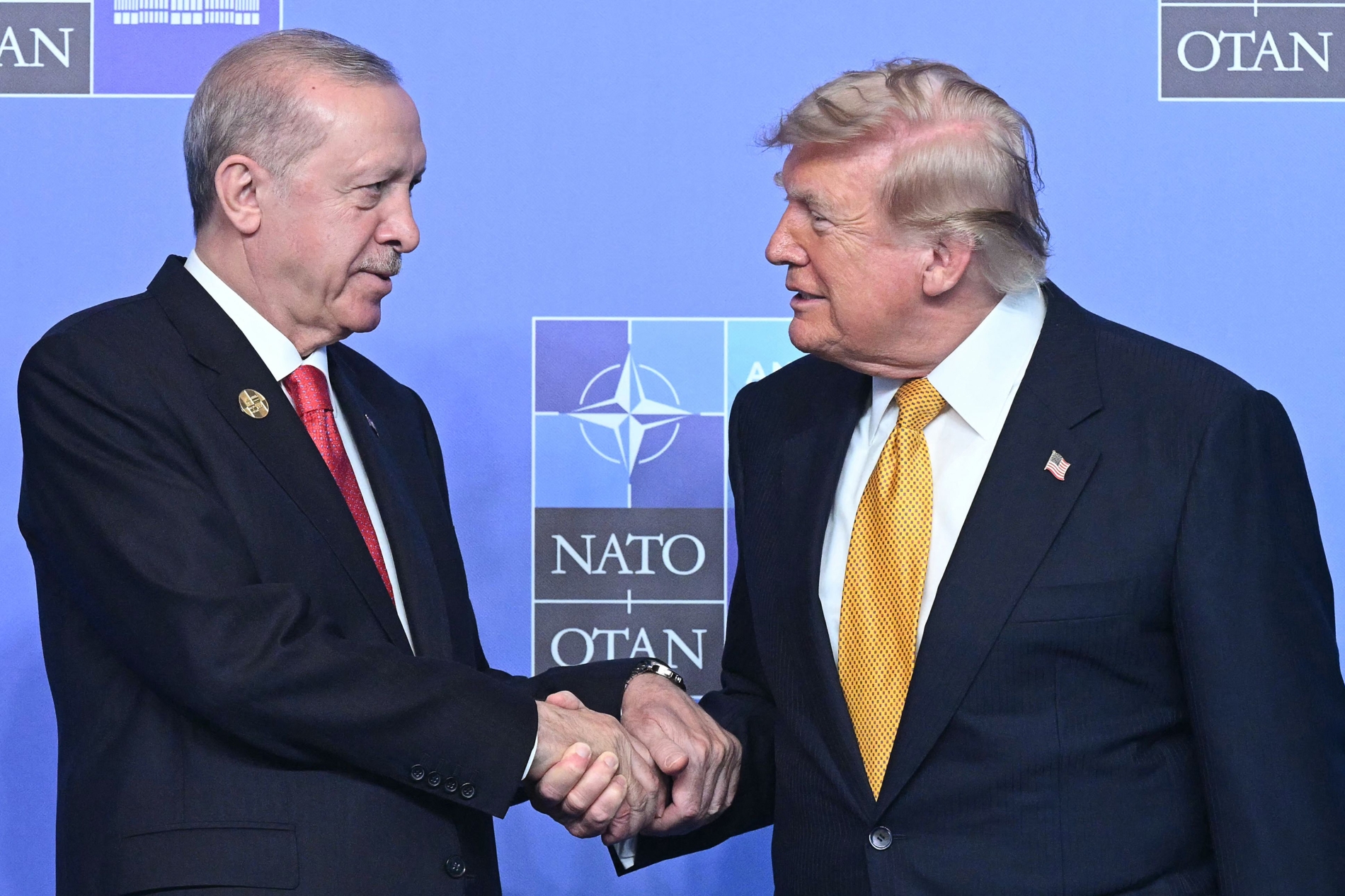
A rift emerged between Ankara and Washington when Türkiye bought an advanced Russian air defence system, which led to its expulsion from the F-35 fighter jet programme. The White House also disliked Erdoğan's support for Hamas and his purging of political opponents, but Trump's re-election put relations back on track, calling the Turkish leader a "good friend" and a "tough guy".

Trump's efforts to mend ties with Russia, also made things easier for Ankara. Trump has hinted that he could ignore prior sanctions against Türkiye and sell it F-35s. This has caused concern in Tel Aviv, where Israeli commanders want to maintain the upper hand in their military technology. Israel was equally dismayed that the United Arab Emirates may get F-35s as part of its sign-up to the Abraham Accords.

To Israel's surprise, even Türkiye's vocal opposition to the war against Iran has not led to a response by President Trump, who lambasted European allies for the same thing. US envoy to Syria Tom Barrack has been criticised by some Israeli figures as being too friendly towards Erdoğan and al-Sharaa, the latter having taken a pragmatic posture towards Israel (even though his stance is not reciprocated).

Trading barbs

Some reports suggest that Türkiye was behind the torpedoing of a US idea to arm Kurdish groups in western Iran as part of a plan to overthrow the Iranian regime. Tel Aviv is now increasingly worried about Ankara's growing influence in the region, particularly its ties with the new Syrian government.

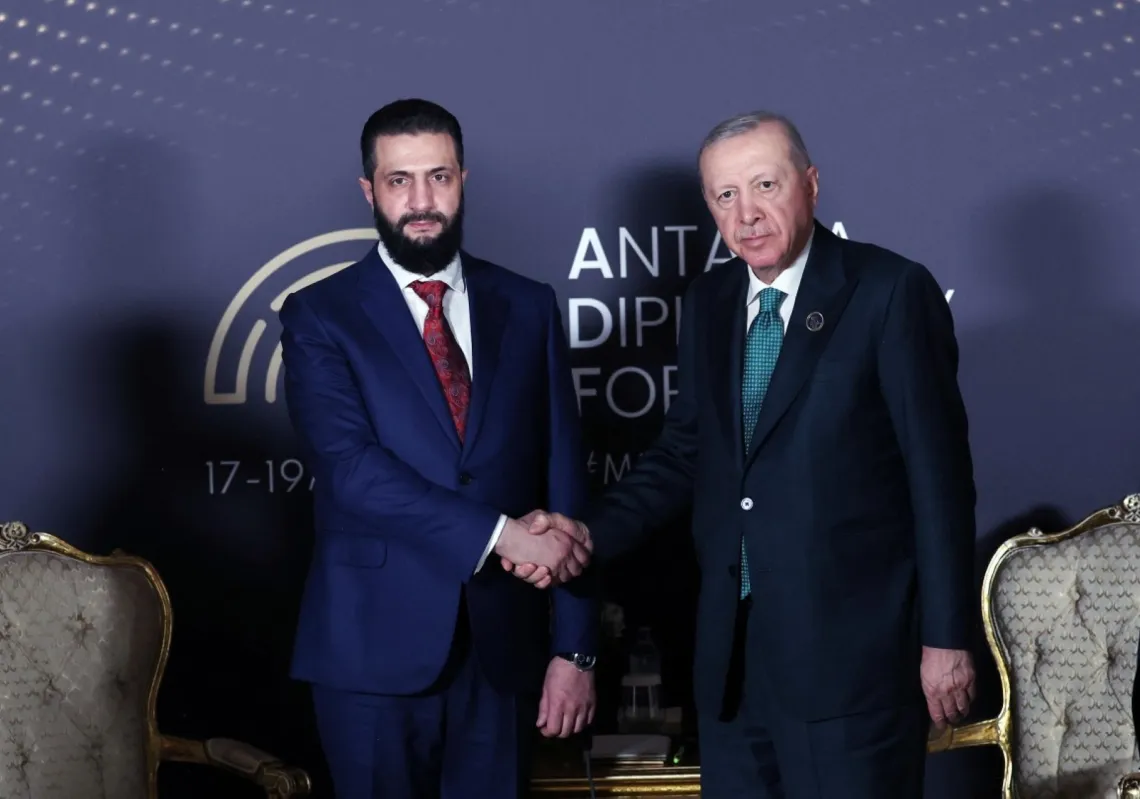
Murat Cetinmuhurdar via Reuters
Turkish President Tayyip Erdogan (R) with Syrian President Ahmed al-Sharaa during a bilateral meeting alongside the NATO leaders summit in Ankara on 8 July 2026.

Israel alleges that Ankara sponsors a "disinformation" campaign against it, Foreign Minister Gideon Sa'ar criticising Türkiye for promoting "false narratives against Israel". Several Turkish-tied outlets have stepped up their criticism of Israel. Though the criticism is not new, it is increasingly broadcast in English, perhaps with a view to Israel's declining popularity in the United States.

Erdoğan's political longevity is a factor in Israeli thinking. In many ways, Israel had avoided taking more extreme measures against Türkiye in the hope of rekindling its relationship with Ankara, and in the belief that the anti-Israel rhetoric was merely a feature of a passing "Erdoğan era". But the Turkish president looks set to stay, despite facing growing opposition at home, and despite the Turkish constitution limiting presidents to two five-year terms (he is halfway through his second).

The Turkish leader, 72, has weathered a military coup, an emboldened opposition, a devastating earthquake, and a set of regional conflicts that put pressure on Türkiye's foreign policy, while cementing his presidential power, sidelining the parliament, winning recent elections, and having his most popular challenger imprisoned. If Erdoğan is here to stay, this escalates the Türkiye-Israel rivalry.

Not worth the effort

Trump counts both countries as important allies and has helped keep a lid on their antagonism, pouring cold water on suggestions that they may come to blows. Yet with Türkiye-US ties visibly resilient, Israel is leaning towards more dramatic action. Its recognition of an Armenian genocide can be read as Tel Aviv sounding the drums. The cabinet decision still requires Knesset approval, but Israeli reporting indicates broad support at the top of government, including from Prime Minister Benjamin Netanyahu.

Saul Loeb / AFP
Turkish President Recep Tayyip Erdogan (L) with US President Donald Trump during the NATO Summit in Ankara on 8 July 2026.

If it passes, it will mark the point at which Israel concluded that preserving room for future accommodation with Türkiye was no longer worth the effort. Türkiye can escalate in response, including with a further diplomatic downgrading, but its most important tools have already been used, which is why the recognition decision looks less like the start of a crisis than the culmination of one.

The larger question now is whether this becomes a durable feature of regional politics or whether a future leadership change in Israel reopens the door for normalisation. For now, the answer is clear: a relationship that once joined two major regional powers in a strategic alignment has been reduced to accusations, lawsuits, and symbolic retaliation.

font change