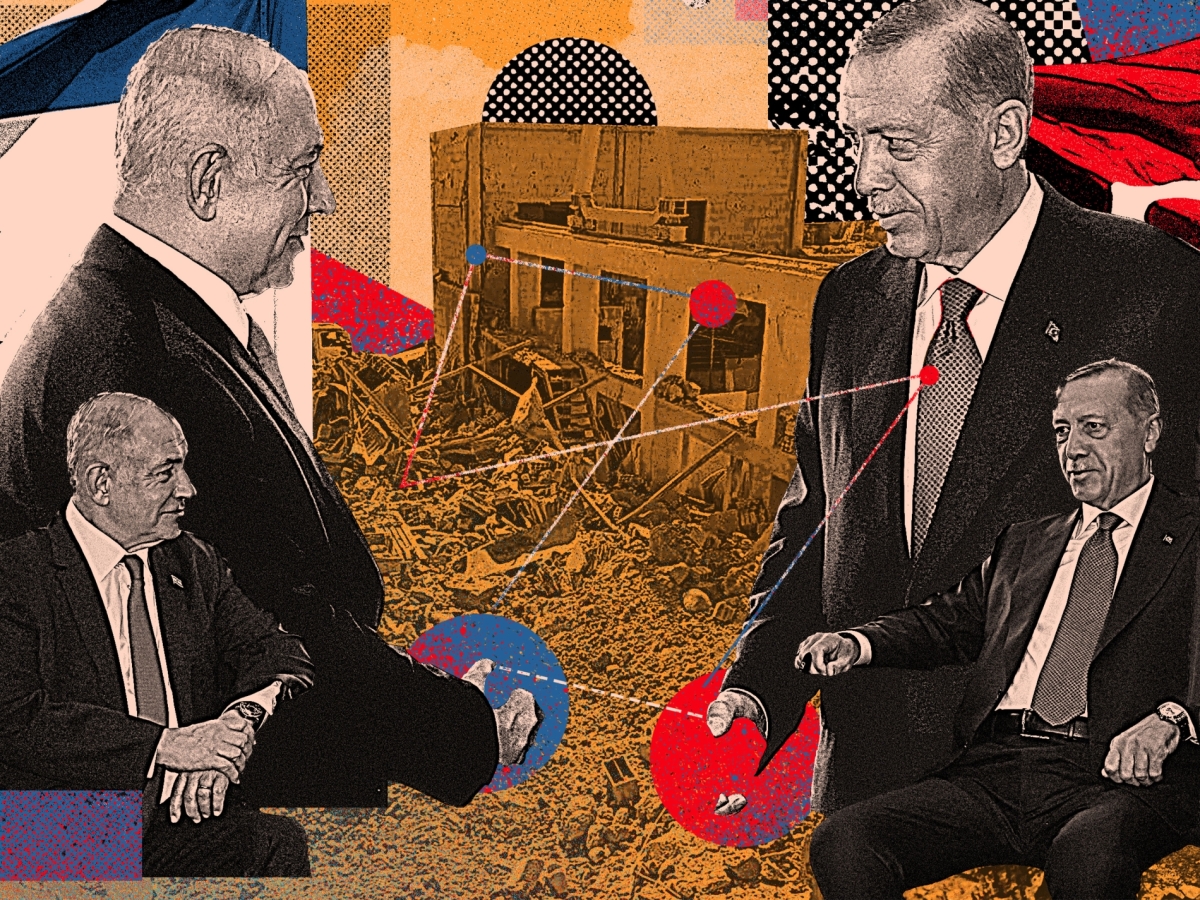

In late June, Israel’s government moved to formally recognise the Armenian genocide at the hands of the Ottomans, ending decades of official hesitation. Needless to say, it does nothing for Israeli-Turkish relations, which have nosedived in recent years, with major disagreements over Gaza being a particularly sore point.
Turkish officials denounced the recognition as political and accused Israel of trying to deflect attention from its war against Palestinians, whereas Israeli officials presented it as a delayed moral and historical correction. For most, it signalled that Jerusalem no longer sees any strategic value in holding back for Ankara’s sake. Strategic constraints had discouraged such a move for decades, but they have now largely disappeared.
Shortly after recognising the Armenian genocide, Israeli Prime Minister Benjamin Netanyahu went further, publicly calling for US President Donald Trump not to sell F-35 stealth fighers to Türkiye, which had already suspended trade with Israel, tightened transport restrictions, backed legal action against Israel in the international courts, and made anti-Israel rhetoric a centrepiece of its regional posture. As such, Israel’s recognition of genocide did not so much create the rupture as confirm its depth.
Once good friends
For much of the 1990s, Israel and Türkiye were among the closest strategic partners in the Middle East. They cooperated militarily, shared intelligence, and shared a concern about regional threats, especially from Syria and armed non-state actors. That partnership gave both sides regional leverage and helped anchor Türkiye more firmly in the Western security orbit, but the relationship began to change after Recep Tayyip Erdoğan and the Justice and Development Party (AKP) came to power in 2002. It meant that political Islamists were now in power in an overtly secular state.
Tensions rose further after the 2010 Mavi Marmara incident, when Israeli commandos boarded a Gaza-bound ship carrying Turkish activists, killing nine and injuring 30, with several Israeli personnel also injured. A limited normalisation effort in 2022 showed that pragmatic cooperation was still possible, but it was shallow at best, with a deep underlying mistrust between the two leaderships. In October 2023, Israel’s war in Gaza in response to the 7 October attacks against southern Israel soured relations overnight.
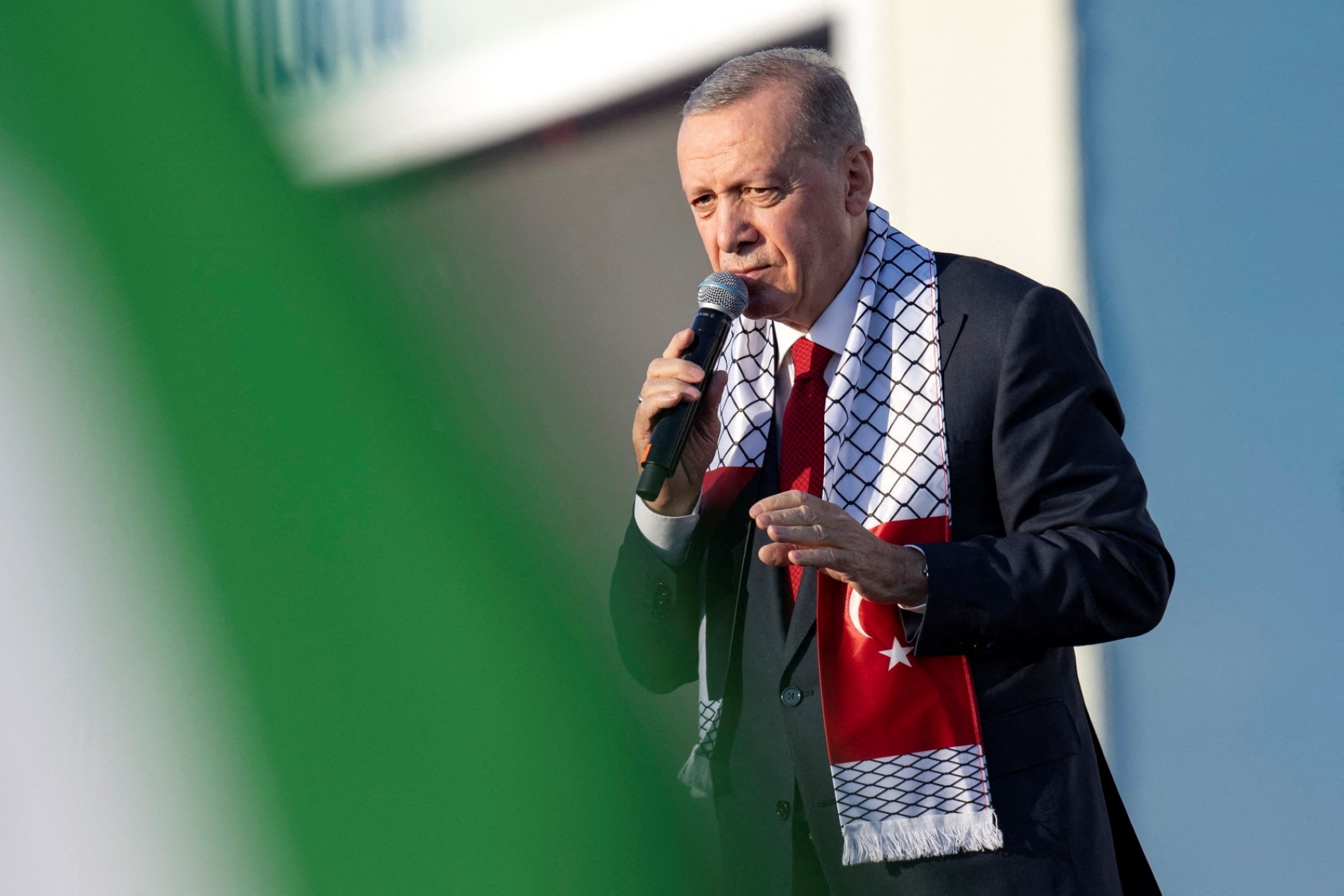
Erdoğan was publicly confrontational towards Israel, even praising Hamas members as “mujahideen” while comparing Israel’s conduct in Gaza to Nazi crimes. In April 2024, Türkiye imposed export restrictions on a wide range of products headed to Israel. A month later, it suspended all trade with Israel, a relationship previously worth about $7bn a year. From Israel’s perspective, Türkiye had evolved from a difficult partner to an openly hostile regional actor willing to use rhetoric, economic, and legal measures.
Regional rifts
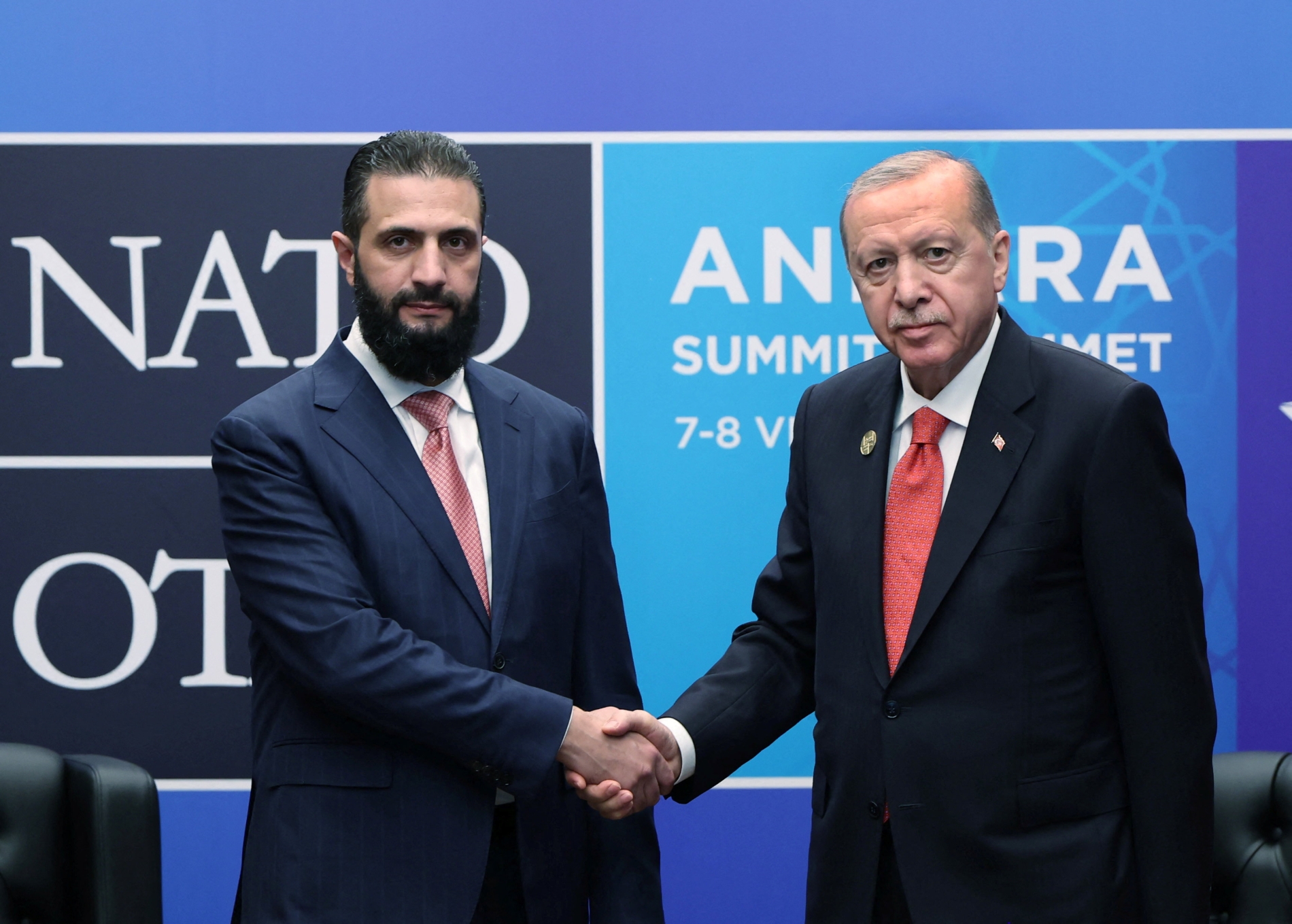
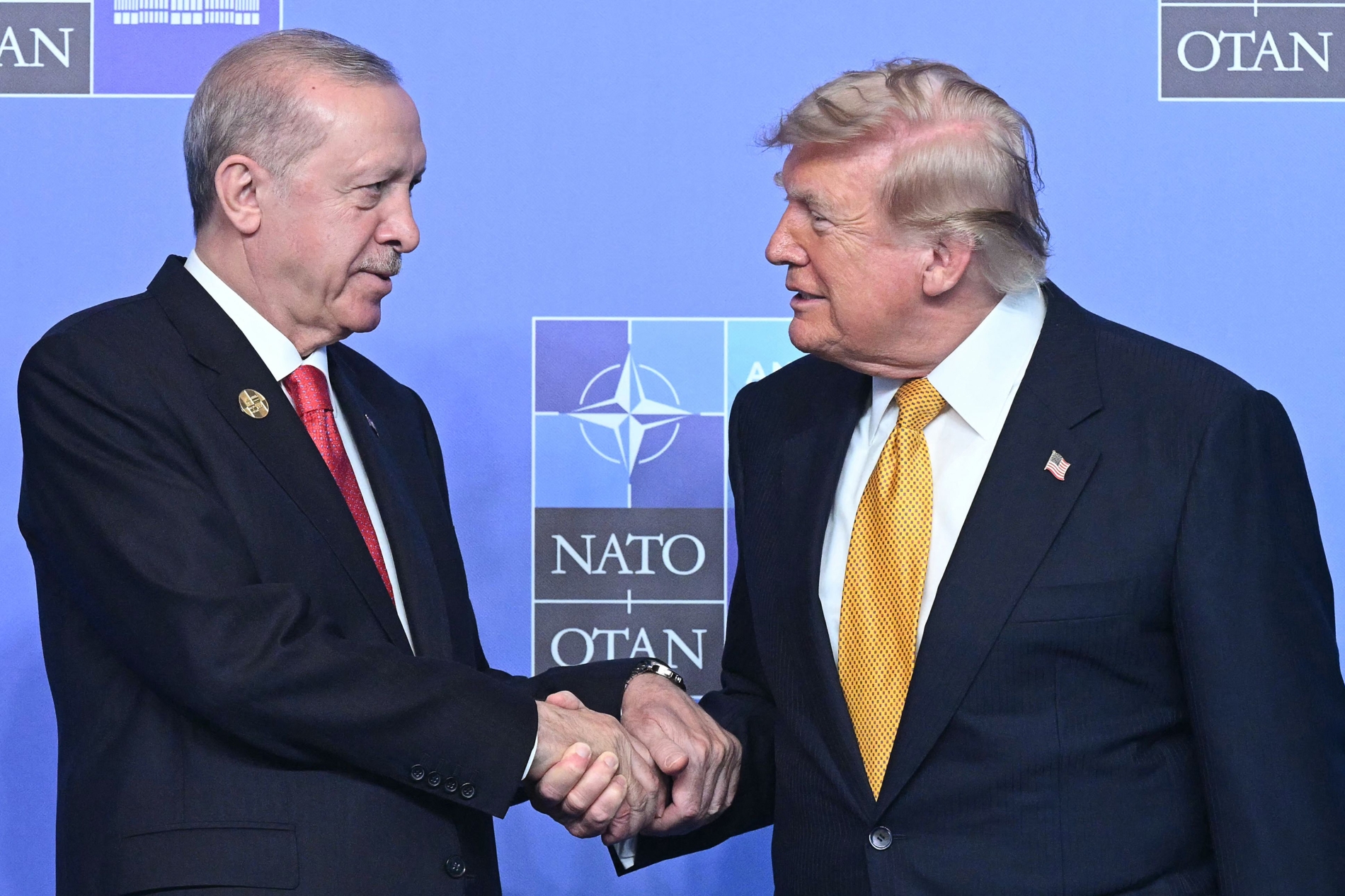
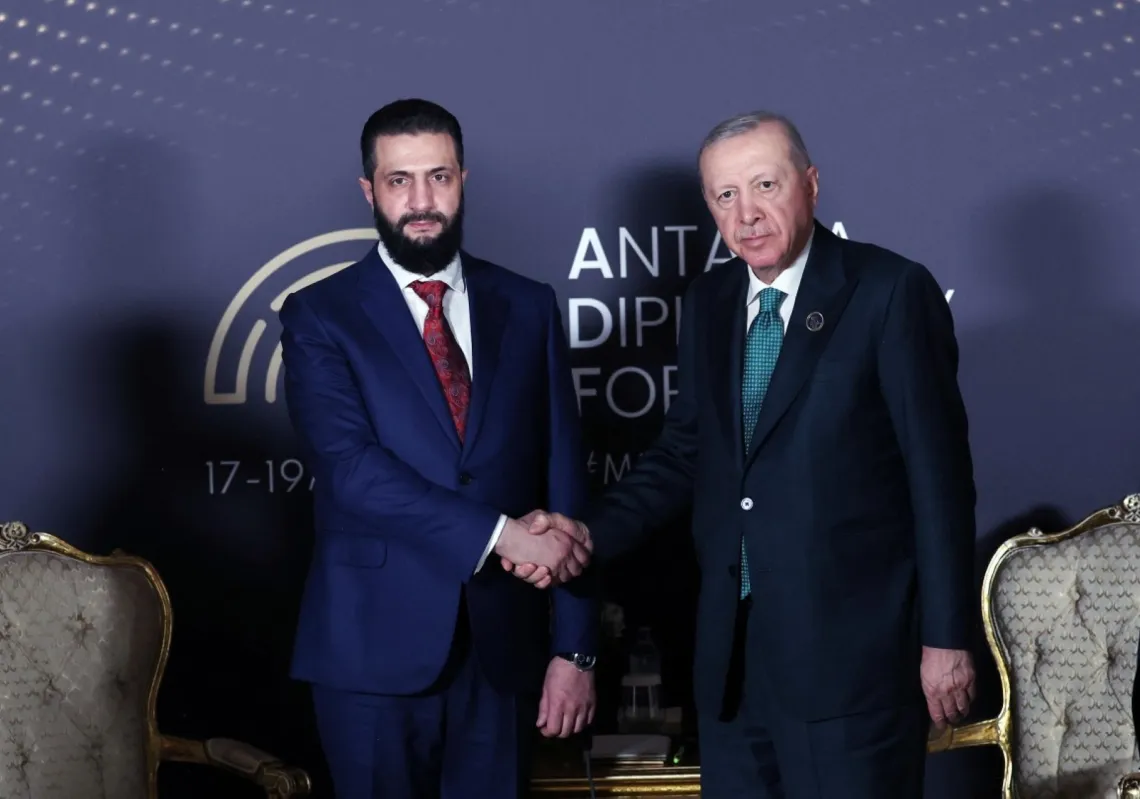
Tensions have gradually escalated since 2023, from a war of words to physical action against each other’s interests, including in Syria. Tel Aviv distrusts the new leaders in Damascus, but US President Donald Trump has warmed to Syrian President Ahmed al-Sharaa, a former jihadist whose Idlib-based forces ousted Bashar al-Assad in December 2024. Israel is also concerned that Washington is cozy with Ankara, despite the United States and Türkiye both being NATO members.