Fighting in the Gulf renews focus on the Strait of Malacca

Once a port at the entrance to the Strait of Malacca, Singapore is now a hub for managing risk in international trade. There are broader lessons for countries dependent on energy flows

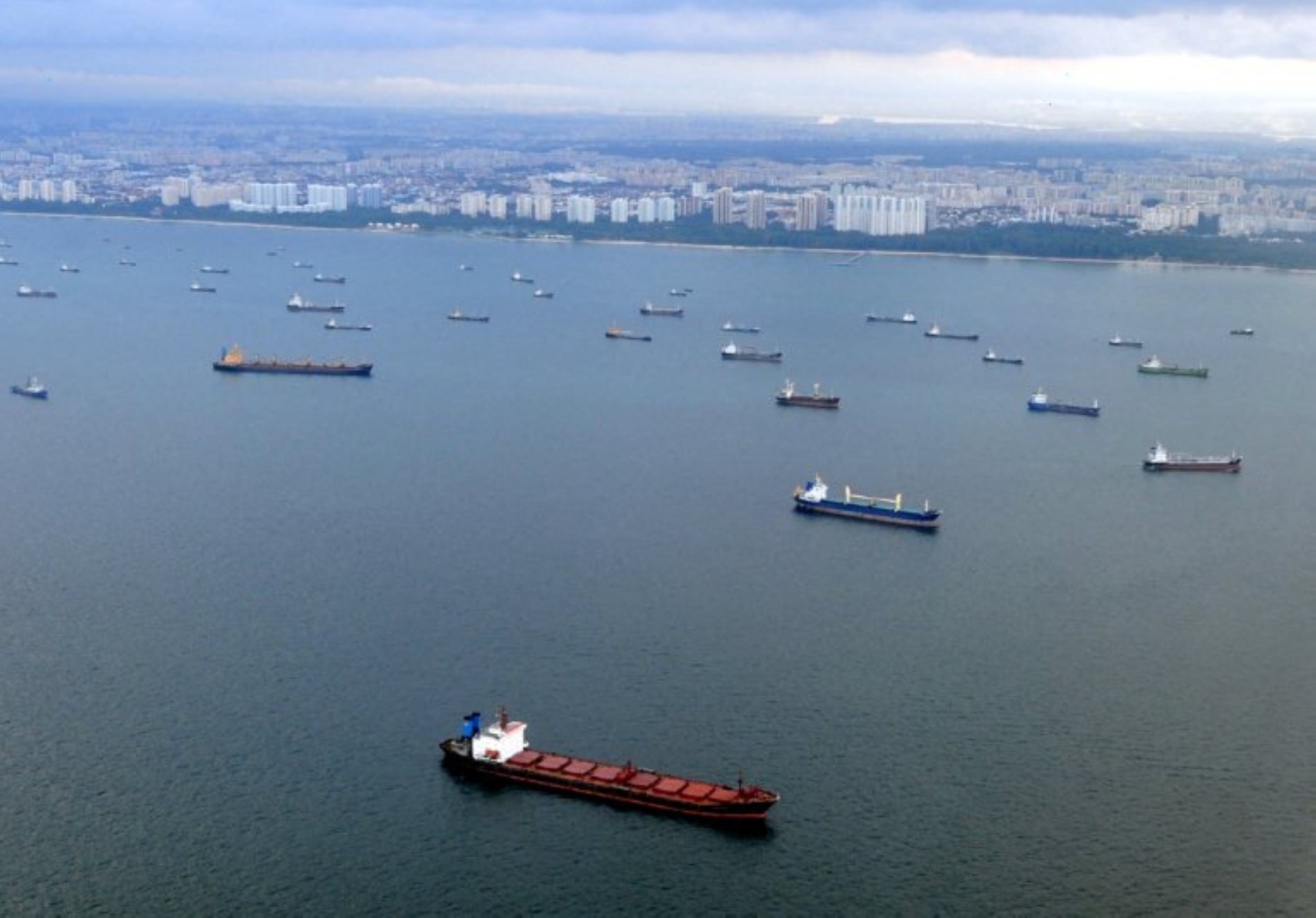
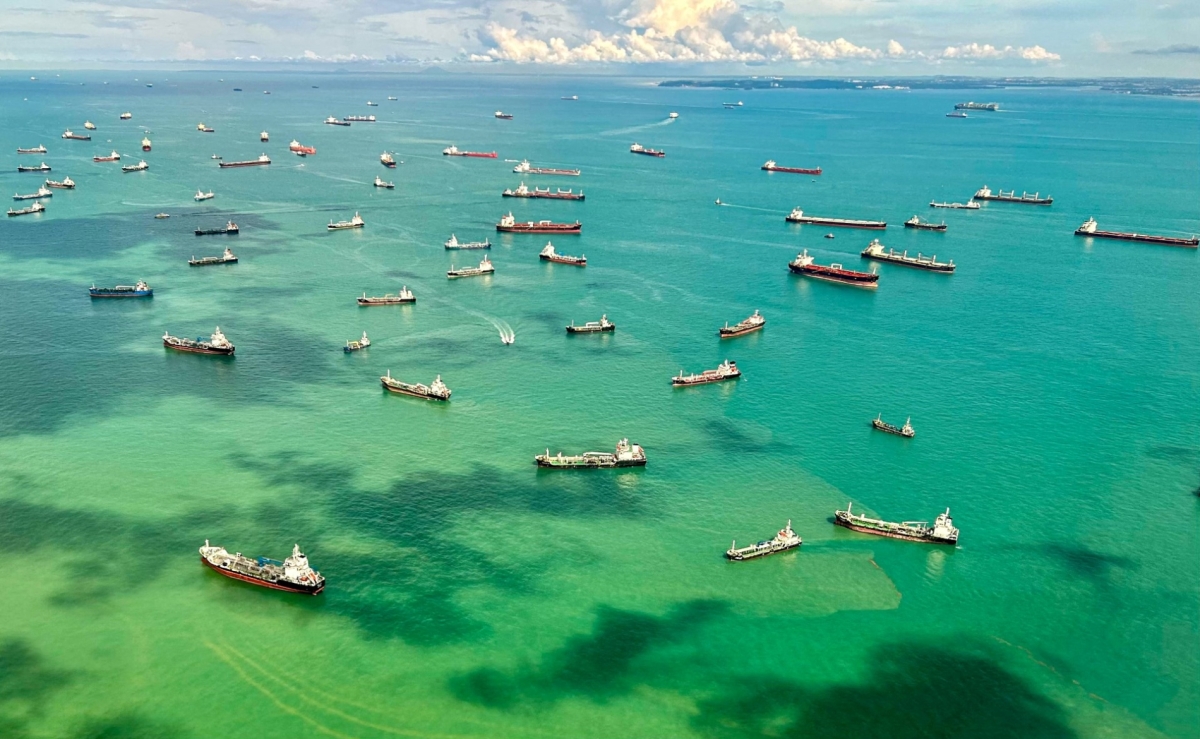
Cargo ships docked along the strait in Singapore on April 7, 2025.
AFP
Cargo ships docked along the strait in Singapore on April 7, 2025.

Fighting in the Gulf renews focus on the Strait of Malacca

Few countries have used their geography like Singapore. Since independence in 1965, it has used its position at the southern entrance to the Strait of Malacca not simply to move cargo, but to build an ecosystem around the trust that keeps commerce functioning.

After the Covid-19 pandemic, the Russia-Ukraine war, disruption in the Red Sea, and recurring tensions around the Strait of Hormuz, investors and shipping companies are asking not only which route is shortest, but which route is safest, so trust has become a strategic commodity, and Singapore is now an important centre for managing maritime trade risk.

Singapore’s recent joint initiative with Indonesia to strengthen security in the Strait of Malacca reflects this shift. By reaffirming freedom of navigation and closer security coordination, both countries sent a message that markets increasingly want to hear: key maritime routes must remain open, predictable, and secure.

Gulf energy, Asian demand

The Strait of Malacca links the Arabian Gulf with Asia’s largest centres of energy demand. Oil and gas bound for China, Japan, South Korea, Singapore, and other East Asian economies pass through it, making it one of the world’s most critical maritime chokepoints. The US Energy Information Administration estimates that crude oil and petroleum product flows through the strait averaged 23.2 million barrels per day (bpd) during the first half of 2025, equal to 29% of all seaborne oil trade.

By that measure, Malacca has become the world’s busiest oil chokepoint by maritime flows. Widely cited estimates also suggest that up to a quarter of global maritime trade passes through it. However, its greatest strength is also its vulnerability. The strait stretches for around 900km and narrows at Phillips Channel, near Singapore, to less than 3km.

Any accident, military escalation, or disruption can quickly raise shipping and insurance costs and delay cargo deliveries. That makes Malacca’s security more than an Asian concern. Most oil tankers moving from the Gulf to East Asia depend on it because it is the shortest and most efficient route; a disruption would affect Gulf energy exporters almost as directly as Asia’s industrial economies.

More important than geography

Geography gives a country an opening; it does not create influence on its own. Singapore’s achievement has been to turn location into a broader ecosystem of financial services, marine insurance, arbitration, digital infrastructure, data management, ship financing, and cleaner alternative marine fuels. Together, these capabilities reduce uncertainty and make risk easier to manage.

The figures show how far this transformation has gone. In 2025, the Port of Singapore handled 44.66 million twenty-foot equivalent units (TEUs). Vessel arrivals reached 3.22 billion gross tonnes, a measure of vessel size rather than cargo weight. Marine bunker fuel sales stood at 56.77 million tonnes, including about 1.95 million tonnes of alternative marine fuels, reflecting Singapore’s push to reduce carbon emissions. What Singapore sells today is not berth space alone; it also sells confidence that trade can continue even when politics becomes turbulent.

Global port

Companies are no longer looking only for ports with available berths; they also want predictable law, round-the-clock port operations, advanced digital infrastructure, reliable arbitration and marine insurance, and fast coordination between government and the private sector.

Singapore’s former prime minister, Lee Hsien Loong, has noted that global trade debates have shifted from free trade and mutual benefit towards security and resilience, as governments place more weight on economic self-protection. Countries, he argued, must prepare for the “storms” that periodically buffet the global trading system rather than assume they are temporary disturbances.
Crude oil and petroleum product flows through the strait averaged 23.2 million barrels per day during the first half of 2025, equal to 29% of all seaborne oil trade

This concern is now central to governments and international institutions. Strategic assessments, including those by the International Institute for Strategic Studies (IISS), argue that resilient supply chains and secure sea lanes are no longer technical issues alone; they are part of economic and geopolitical security. The risks Singapore faces now include piracy, maritime accidents, trade wars, sanctions, cyberattacks, technology restrictions, and climate disruption. Singapore has therefore expanded maritime security to include digital security, data protection, sustainable marine fuels, and AI in vessel traffic management.

Safeguarding trade routes

Maritime security can no longer mean guarding one chokepoint at a time; it increasingly means protecting the full commercial route. The Strait of Hormuz offers the clearest example. Roughly one-fifth of the world's oil supply, or more than a quarter of all seaborne crude oil, passes through it, depending on the method of calculation, but protecting trade does not end once cargoes leave Hormuz.

AFP
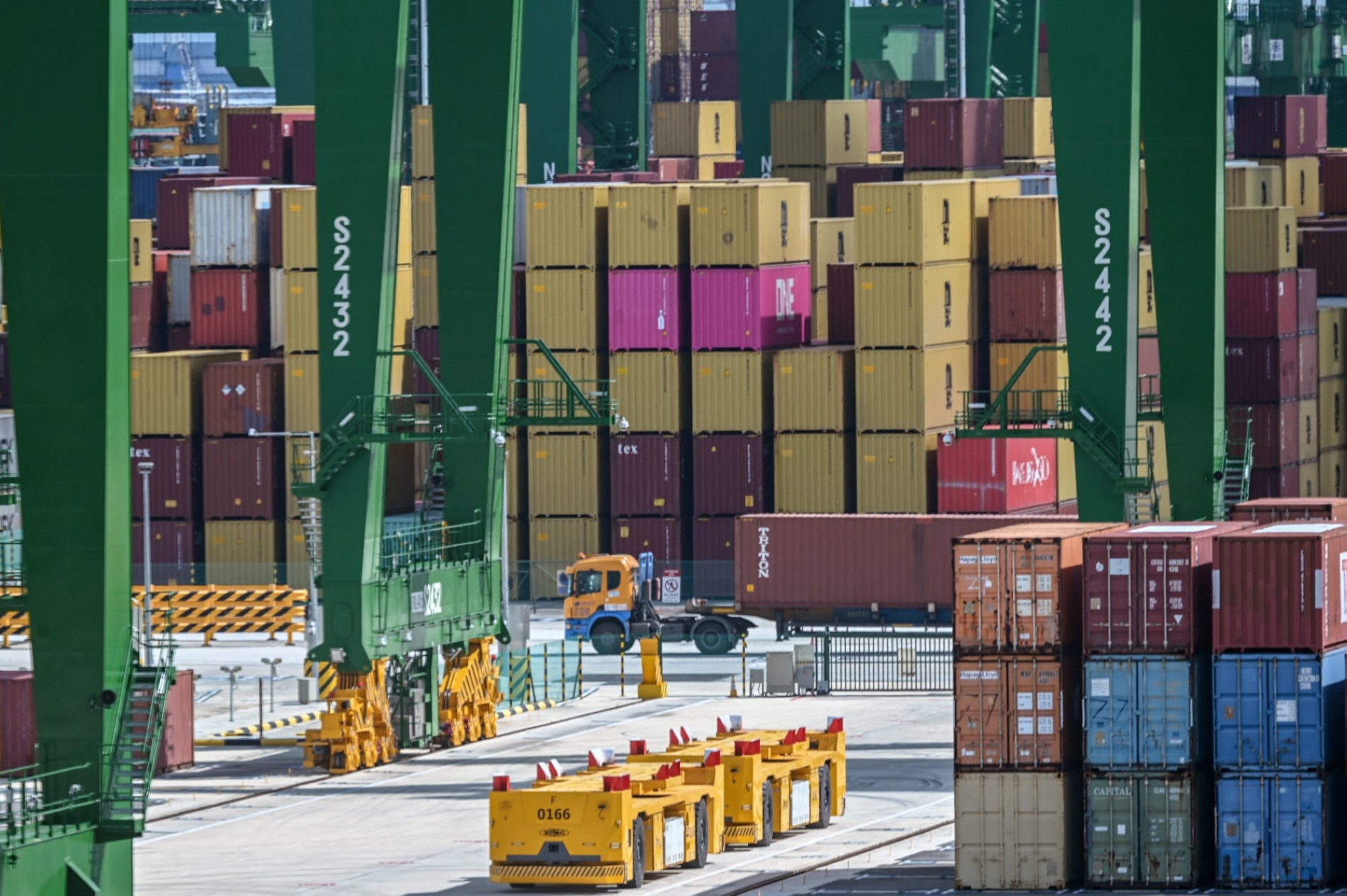
Stacks of containers at PSA Tuas Port terminal in Singapore on May 27, 2024.

Their value also depends on reaching Asian ports through the Indian Ocean and the Strait of Malacca on schedule and at predictable cost. In practical terms, Hormuz and Malacca are two links in the same chain. A disruption in either one pushes up insurance premiums, forces ships onto longer routes, lengthens transit times, and eventually feeds into higher energy and commodity prices. This is why many increasingly see the Indian Ocean as an interconnected security space.

Connected maritime security

IISS assessments suggest that the chokepoints stretching from Hormuz in the west to Malacca in the east form a single system, where disruption at one point can echo across the commercial network linking the Middle East with East Asia. That does not mean countries with a stake in this trade should expand their military presence in south-east Asia. A more useful approach is to build partnerships that manage risk: intelligence sharing, early-warning mechanisms with the littoral states bordering Malacca, investment in ports and storage, clean marine fuel projects, and cooperation in insurance, reinsurance, and broader risk management.

Technology belongs in that agenda too. AI, big data analytics, smart port systems, and maritime cybersecurity are now part of modern maritime security. Singapore can claim experience in port management, maritime services, digitalisation, and logistics planning. Still, its model faces pressure.

Reuters
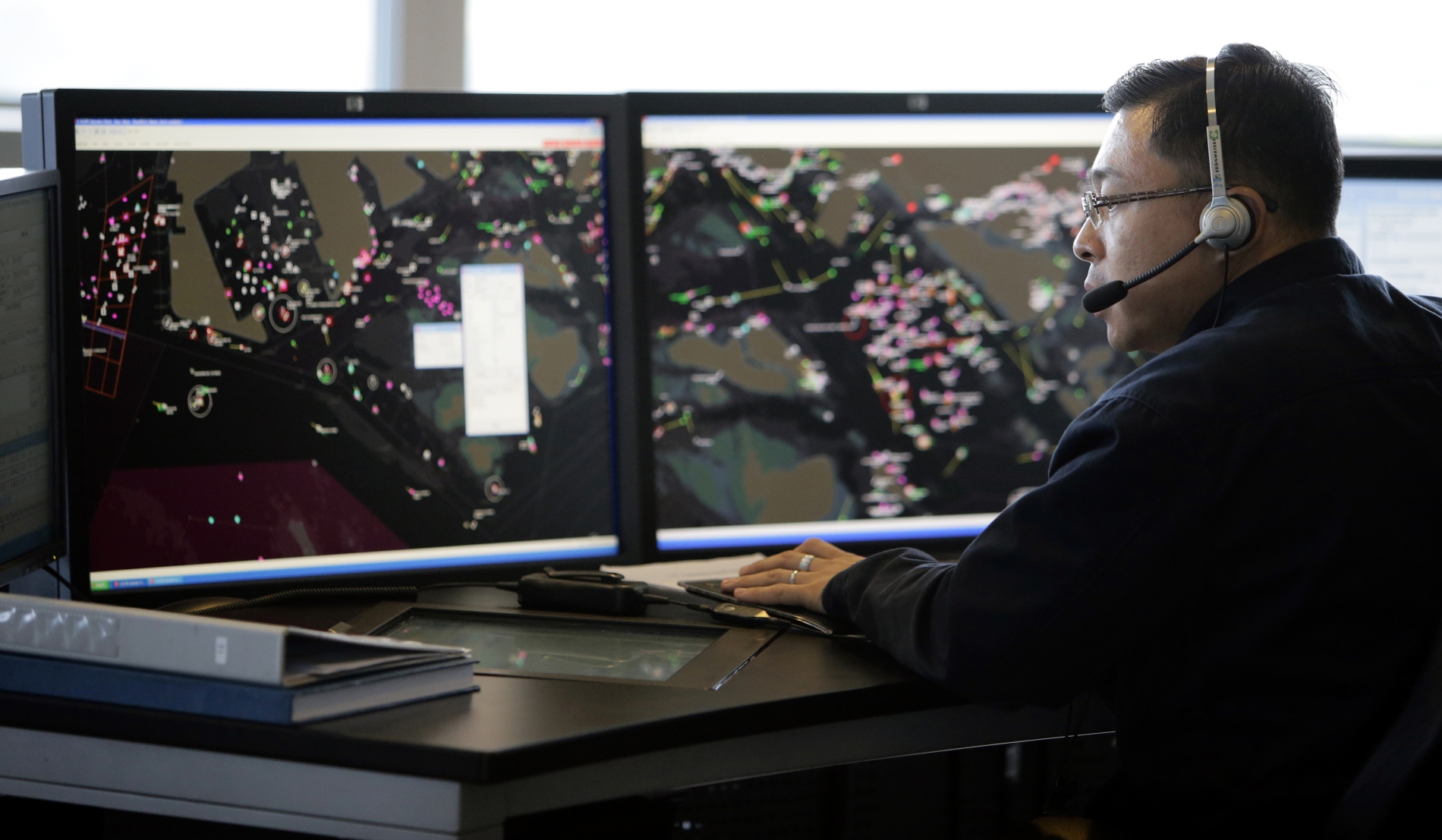
Maritime security now includes digital security, data protection, sustainable marine fuels, and AI in vessel traffic management.

Traffic through Malacca has reached record levels, while US-China competition and tensions in the South China Sea have sharpened the region's geopolitical edge. Thailand is also examining its proposed Land Bridge project, which would connect its Indian Ocean and Pacific coastlines through ports, railways, and motorways. If it succeeds, it could partially reduce dependence on Malacca.

Recent studies suggest that the Straits of Malacca and Singapore cannot be secured by naval patrols alone. They also require constant risk management, information sharing, coastal-state coordination, investment in technology, and the ability to reduce operational vulnerabilities before they become crises.

Beyond the strait

The point is not to shift attention from one strait to another; it is to widen how we think about maritime security. Energy and goods do not move through isolated chokepoints, but rather long corridors that depend on ports, services, insurance, data, and political stability. In the coming years, cooperation with Singapore, Indonesia, and Malaysia in maritime security, digitalisation, logistics, insurance, and information sharing may become part of a broader strategy for protecting trade and energy flows between the Middle East and Asia.

AFP
Ships anchored along the coast of Singapore at the mouth of the Strait of Malacca.

Like banks that preserve confidence in the financial system, Singapore aims to perform a comparable function in the trading system by managing risk, strengthening reliability, and turning stability into an economic asset it can export.

As Asia becomes the main centre of global demand for energy and commodities, trade security can no longer be understood as the defence of a single chokepoint. It depends on a wider network of sea lanes, ports, services, and partnerships. Cooperation with the states bordering these corridors may therefore become central to the economic security architecture shaping Asia's energy trade in the future.

font change