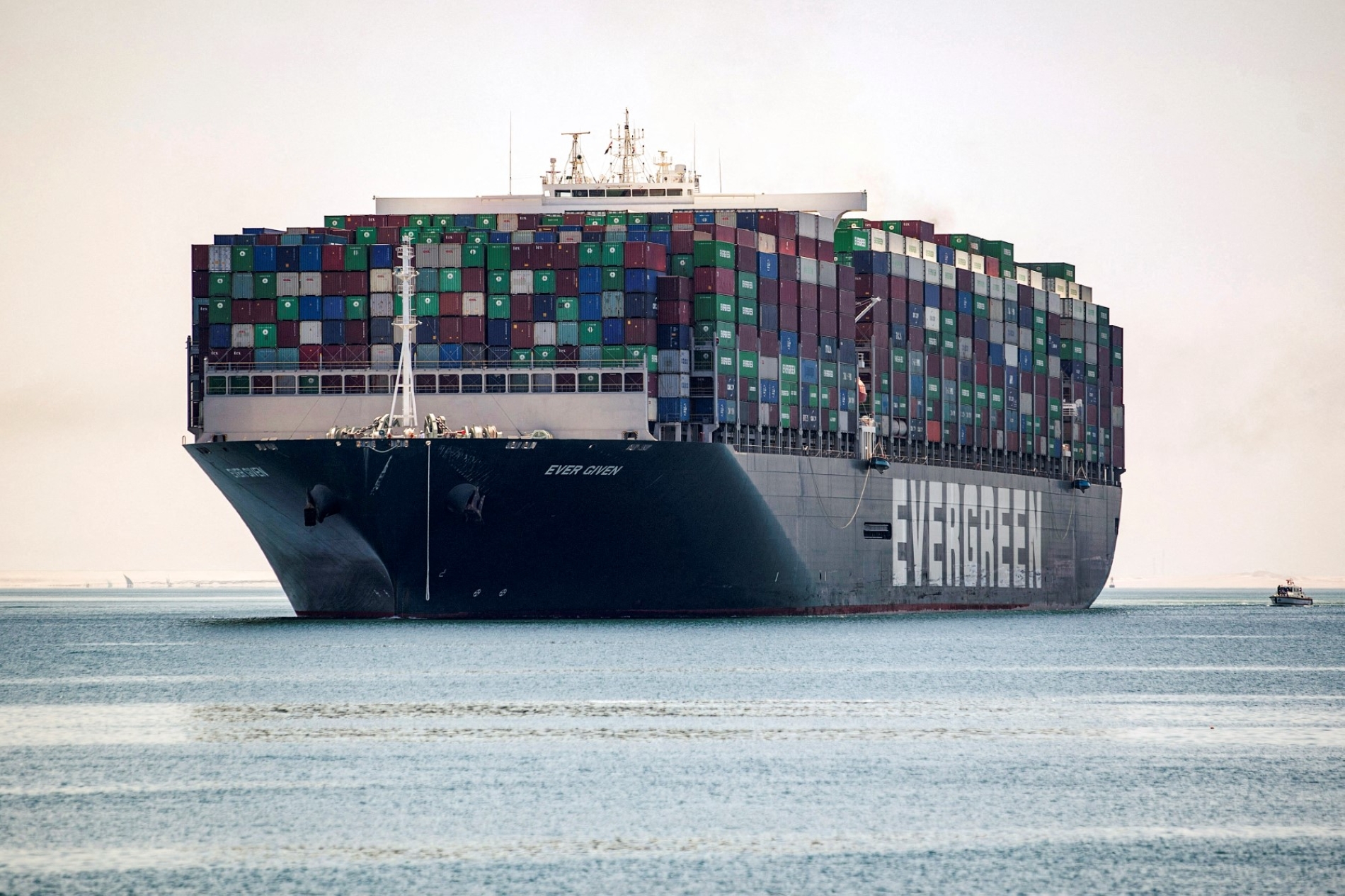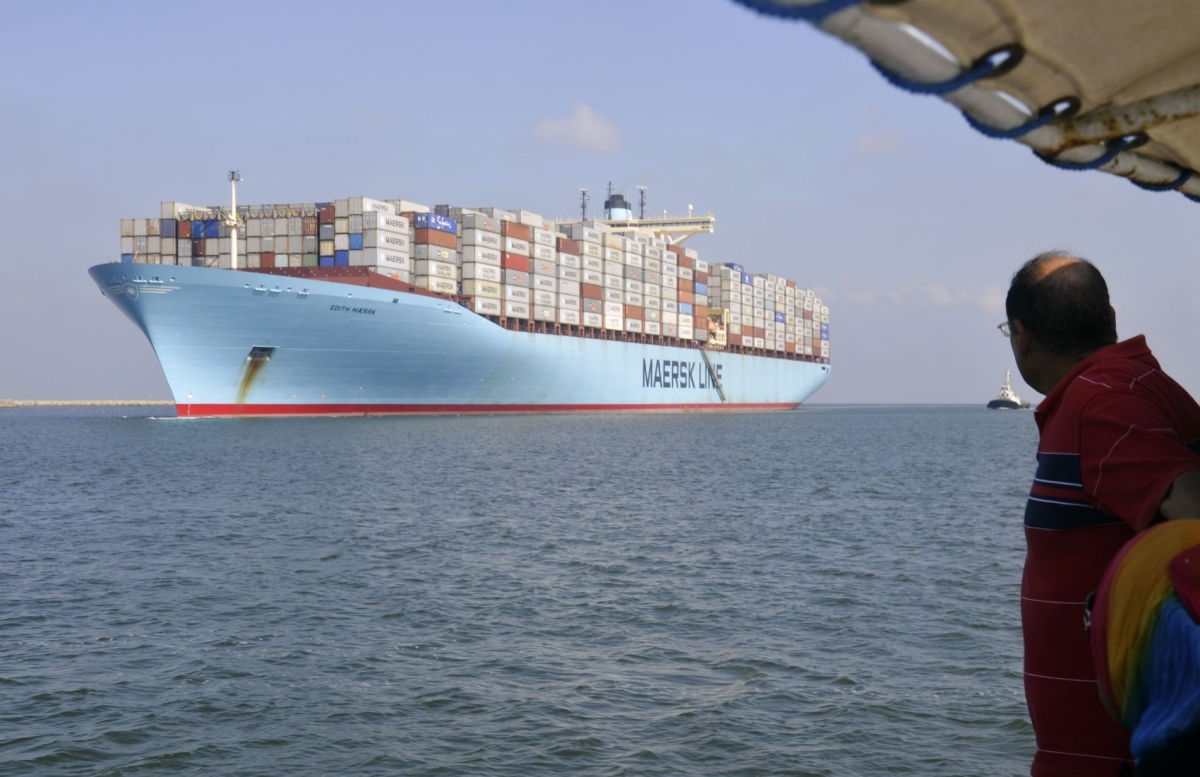

A decision by two big shipping firms to once again sail through the Suez Canal follows several months in which global trade has been affected by the US-Iran war and Iran’s closure of the Strait of Hormuz, which acts as a gateway to the Arabian Gulf.
A.P. Moller-Maersk A/S and Hapag-Lloyd AG said this month that they would redirect a service with China using Egypt’s eponymous canal, which connects the Mediterranean Sea to the Red Sea, and which would normally carry around 12% of the world’s trade, including goods between Asia and Europe. Both firms were among those to avoid using the canal after war broke out in Gaza in October 2023, detouring around Africa instead, increasing shipping costs worldwide.
“This change marks another step towards a gradual return to the trans-Suez corridor,” Maersk said in a statement on 13 July announcing the resumption of its WAF6 service, which connects the Middle East, Mediterranean and West Africa. On 9 July it said it would resume its Middle East-to-US East Coast service through the Suez Canal too.
Increasing traffic
The war in Gaza led to attacks on Western shipping by Yemen’s Houthi militia, an Iranian proxy. These attacks centred around the Bab al-Mandab Strait, the narrow waterway that acts as a gateway to the Red Sea. The attacks slashed Suez Canal traffic (and therefore revenue) by more than half. In recent weeks, however traffic has increased. The number of tankers passing through in April registered a 28% year-on-year increase, according to official Egyptian data.
The drawn-out dispute and disruption over the Strait of Hormuz between the US and Iran seems to have had an impact on firms using the Suez Canal. Unverified reports suggest that Tehran has charged ships up to $2mn for safe passage through the Strait of Hormuz, attacking vessels that do not comply, while Washington has responded by attacking tankers trying to reach Iranian ports. A brief ceasefire was broken last week, and on 13 July US President Donald Trump suggested that he would charge firms 20% of their cargo for providing safe passage through Hormuz.
Renewed violence has brought shipping in Hormuz to a near complete halt in recent days, so attention has turned to the Red Sea where that can act as an alternative. Houthi attacks on ships have effectively ceased, which has encouraged shipping companies to return to using the Suez Canal to bypass Iran. The canal “is turning out to be an unexpected net beneficiary” of the Iran war, said Mohamed Abu Basha, head of macroeconomic analysis at investment bank EFG Hermes, speaking to Bloomberg.
The effects of war
More Russian oil exports through the Suez Canal has also contributed to the recovery of the waterway, according to commodities analysts. “Russia has increased crude exports following the intensifying Ukrainian drone attacks on its refineries, diverting more crude from the domestic market to international buyers,” said Muyu Xu, a senior crude oil analyst at Kpler, speaking to Al Majalla. “Much of these exports are transported to Asia on Suezmax and Aframax tankers, for which the Suez Canal remains the most efficient route.”
Saudi Arabia has been rerouting up to seven million barrels of oil per day (bpd) via an East-West pipeline linking its oil fields in the Eastern Province to the port of Yanbu on the Red Sea. Reuters reports that Riyadh wants to expand capacity for other Gulf nations. However, most of this crude is “destined for Asia, and therefore does not require transit through the Suez Canal,” said Xu. For oil heading to Europe or the US, “only a relatively small share has transited the canal... The rest either sailed around the Cape of Good Hope or has been discharged at Egypt’s Ain Sukhna, transported via the SUMED pipeline to Sidi Kerir, then reloaded onto tankers for onward shipment.”
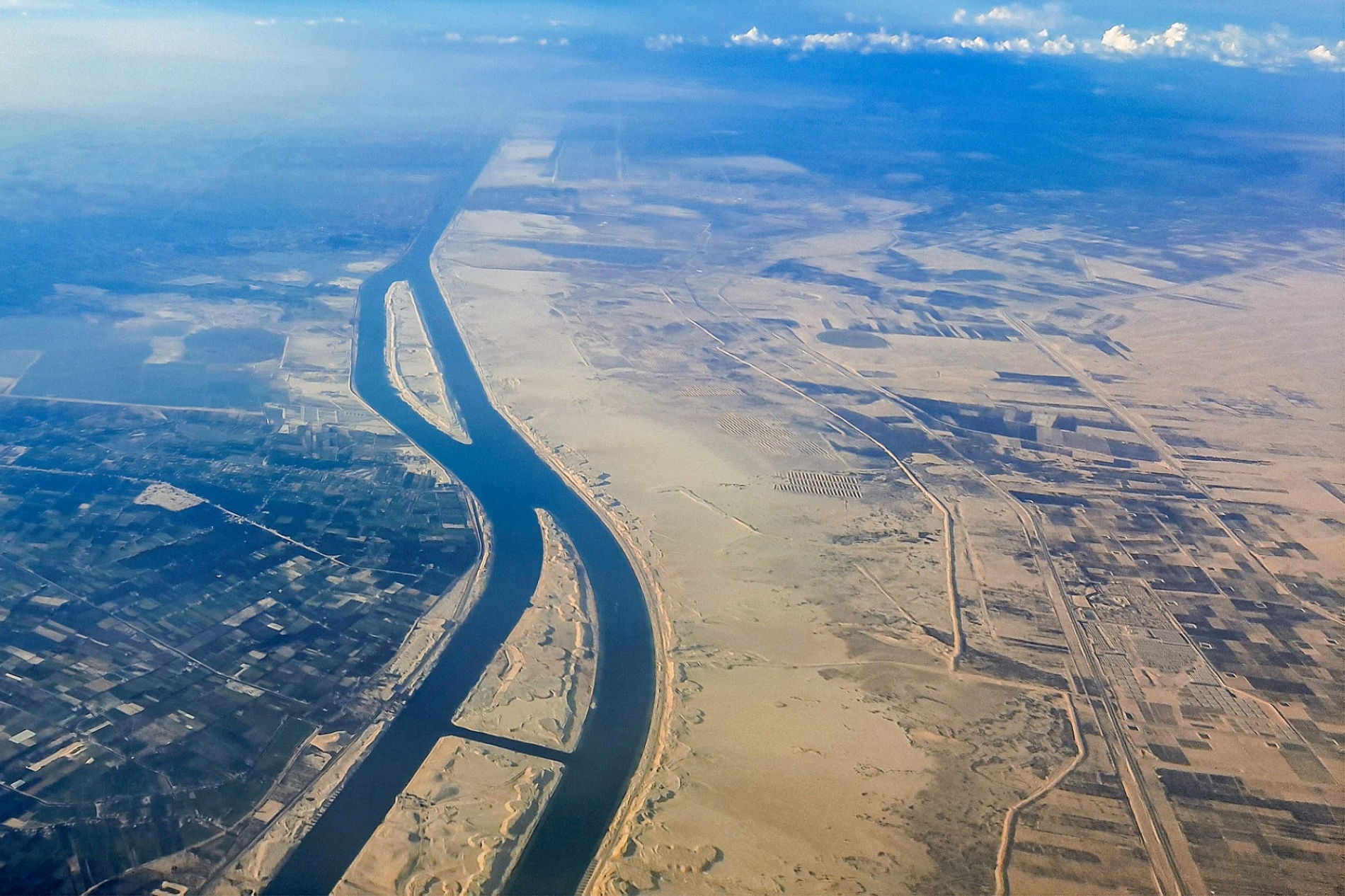
For Egypt, the Suez Canal is a key source of hard currency, specifically US dollars, which the import-dependent North African nation needs to fulfil its international obligations, including debt servicing. The waterway raked in nearly $9.4bn in the 2022/23 financial year, before the Houthis’ strikes cut traffic. Increasing canal usage benefits Egypt financially and revitalises the logistics sector in the region.
Red Sea opportunities
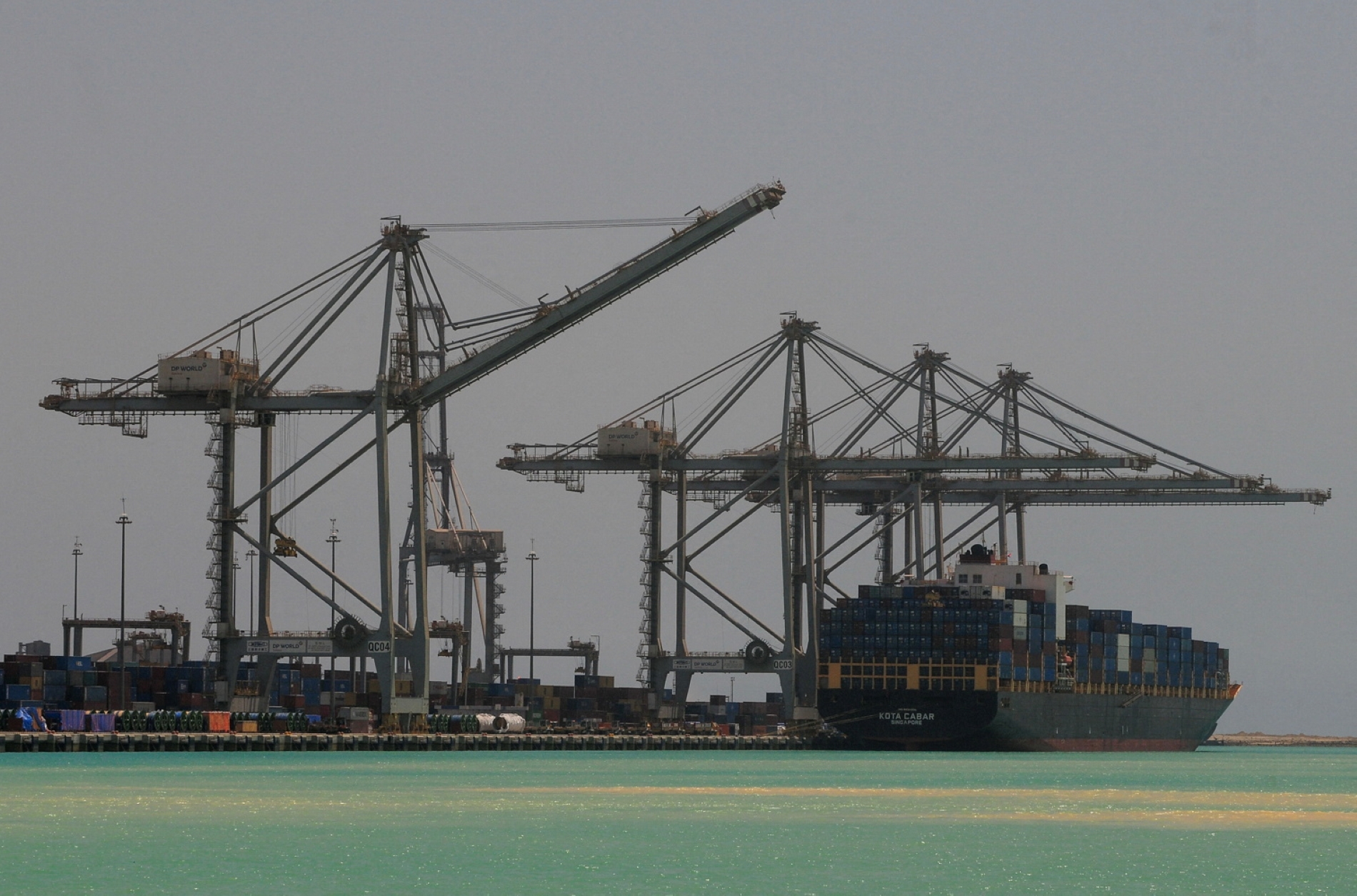
Saudi Arabia’s ports of Jeddah and King Abdullah “have opportunities to benefit from a recovery of Suez Canal traffic and of shipping traffic in the north of the Red Sea, with lower safety risks than ports located further south,” said Philip Damas of Drewry Supply Chain Advisors. MSC (Mediterranean Shipping Co), the world's biggest shipping firm, is being urged to introduce a Europe-Gulf route using Jeddah and King Abdullah ports.