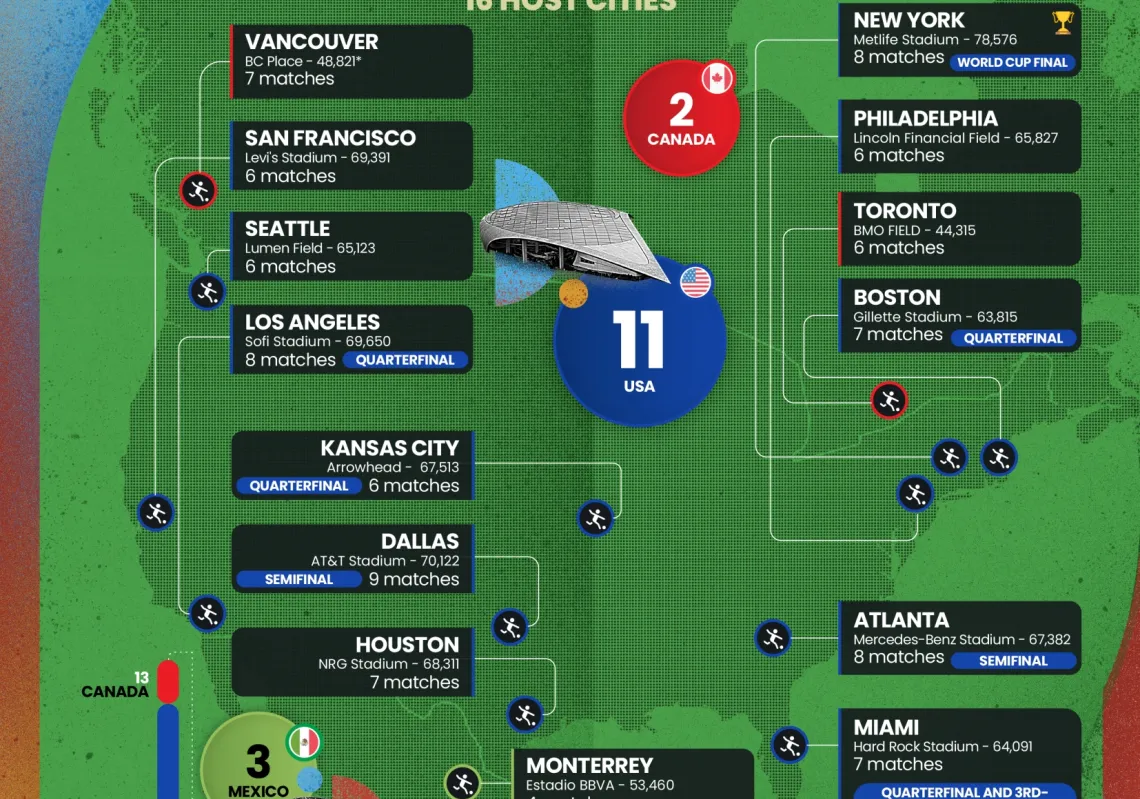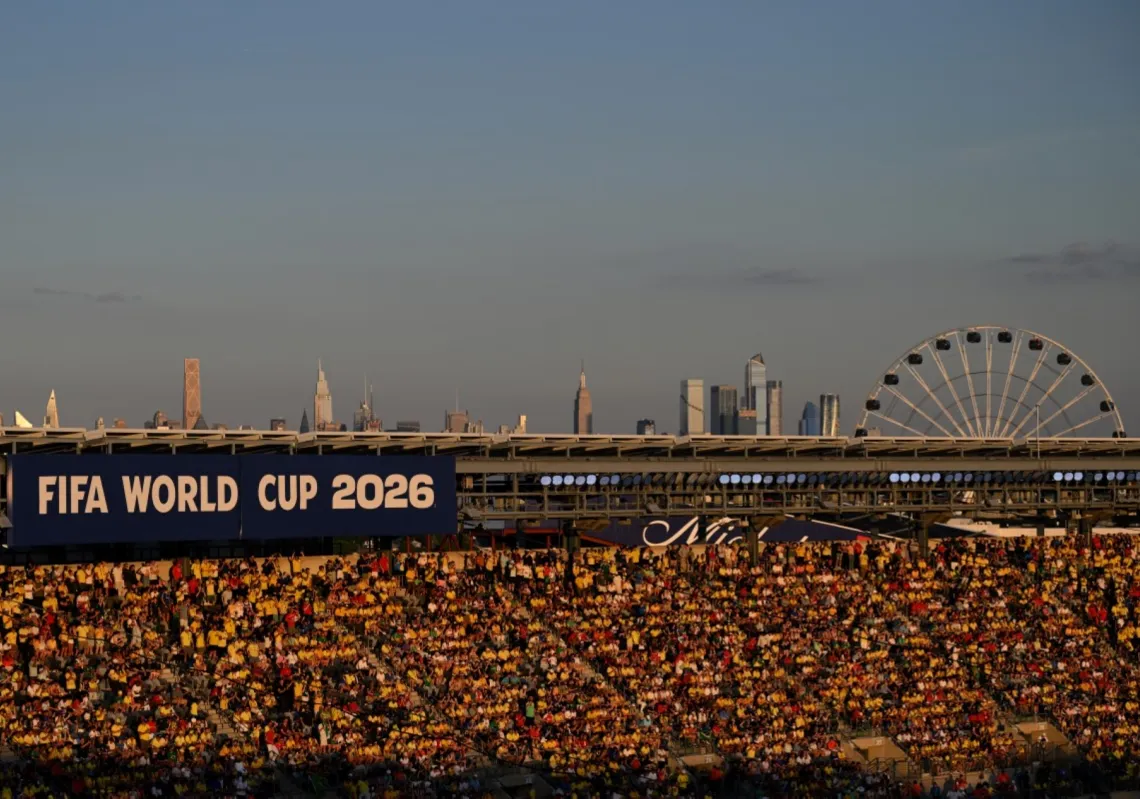

Football may well be the people’s opiate. Few spectacles rival it for drama or debate, as evidenced by this year’s FIFA World Cup, hosted jointly by Mexico, the United States, and Canada. With the elation and heartbreak comes spending. Whereas once fans crossed deserts, now they cross oceans to watch matches. For many, it comes before work, food, and sleep.
Speaking at the World Economic Forum in Davos in January, FIFA President Gianni Infantino said the World Cup brings the planet to a standstill. The 2026 tournament “will unite peoples and cultures, help drive global economic growth, create jobs, and deliver lasting social benefits to local communities,” he said. “In a world growing more divided, we need moments that bring us together in celebration and peace... to celebrate football in an atmosphere of harmony.”
The balance sheets look harmonious, too. Infantino cited a study by FIFA and the World Trade Organisation showing that the tournament could generate $80bn in global economic output, contribute almost $41bn to global GDP (gross domestic product), and create around 824,000 jobs. A giddy 2025 study by the consultancy Kearney projected that the global sports market would reach $602bn by 2030.
During the 2024-25 season, the 20 highest earning European clubs generated revenues of more than $14bn, the highest figure ever recorded in Deloitte’s Football Money League. As the World Cup organiser and rights holder, FIFA expects to generate $13bn in revenue this financial cycle (2023-26), a 72% increase over the previous four years. That has been driven primarily by the newly expanded men’s 2026 World Cup, as well as the 2023 Women’s World Cup in Australia and New Zealand and the launch of the Club World Cup in its new format.
The Guardian reported that the 2026 World Cup will be the most commercially lucrative sporting event in the history of Britain’s ITV network, executives describing it as “a six-week summer Super Bowl” for the television advertising market. Kelly Williams, ITV’s managing director for commercial affairs, said advertising revenues for the World Cup were 30% higher than those achieved during Euro 2024. “We’re looking at six weeks of enormous audiences, rather than a single match,” she said.
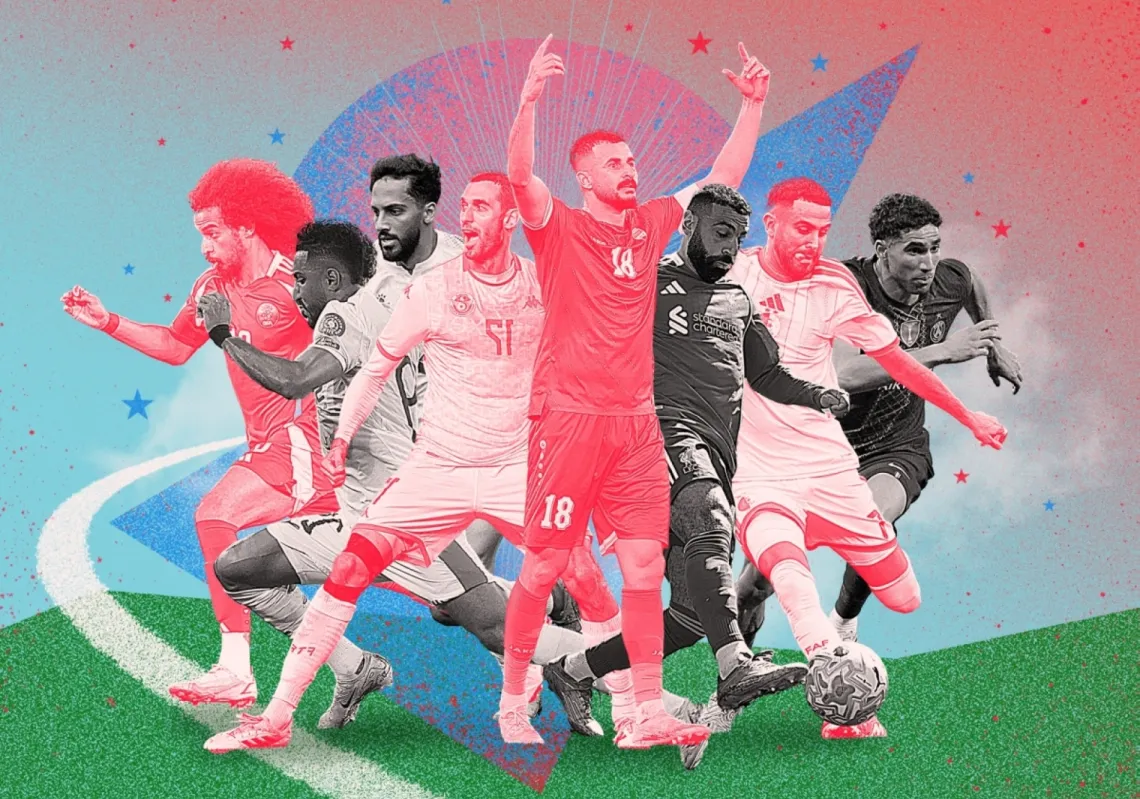
There are 48 teams competing in the tournament this year, compared to the traditional 32, meaning that there are 104 matches instead of 64. Supporters of the eight Arab teams participating (Egypt, Morocco, Algeria, Tunisia, Saudi Arabia, Iraq, Jordan, and Qatar) number in the tens of millions worldwide, since the combined population of these states exceeds 300 million, rising to an estimated 523 million when diasporas are included.
Arab supporters therefore carry significant numerical and commercial weight, and contribute substantially to tournament revenues, given the higher-than-average spending power of the Gulf states in particular. Even though the time difference can be a full 12 hours, millions have stayed awake into the early hours to watch the games live. According to a report by Al Mashhad, early morning matches are not deterring viewers, who instead adjust their routines. Egypt’s Information and Decision Support Centre found that 84% of Egyptians are modifying their schedules for the 2026 World Cup.
Economic window
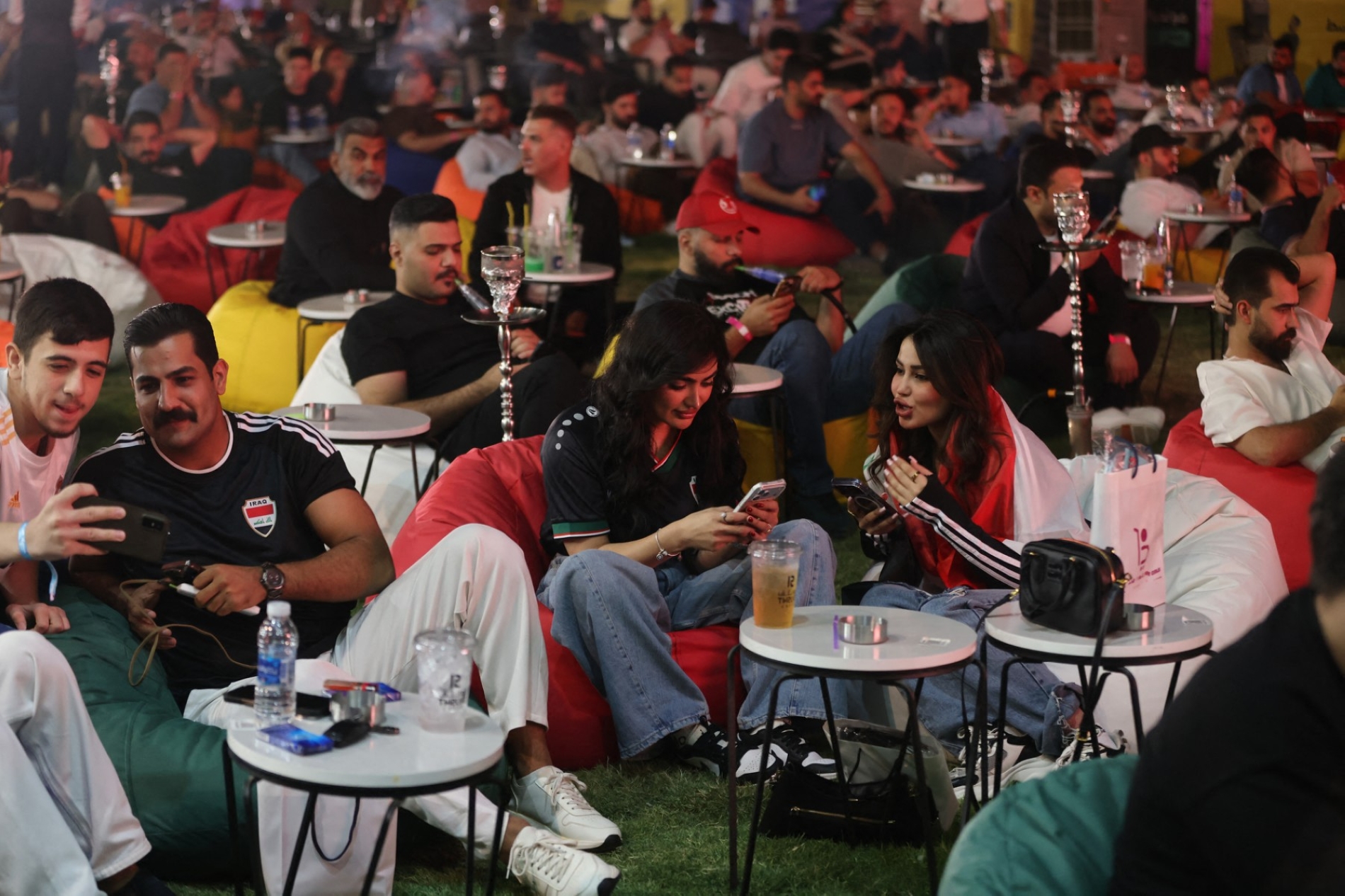
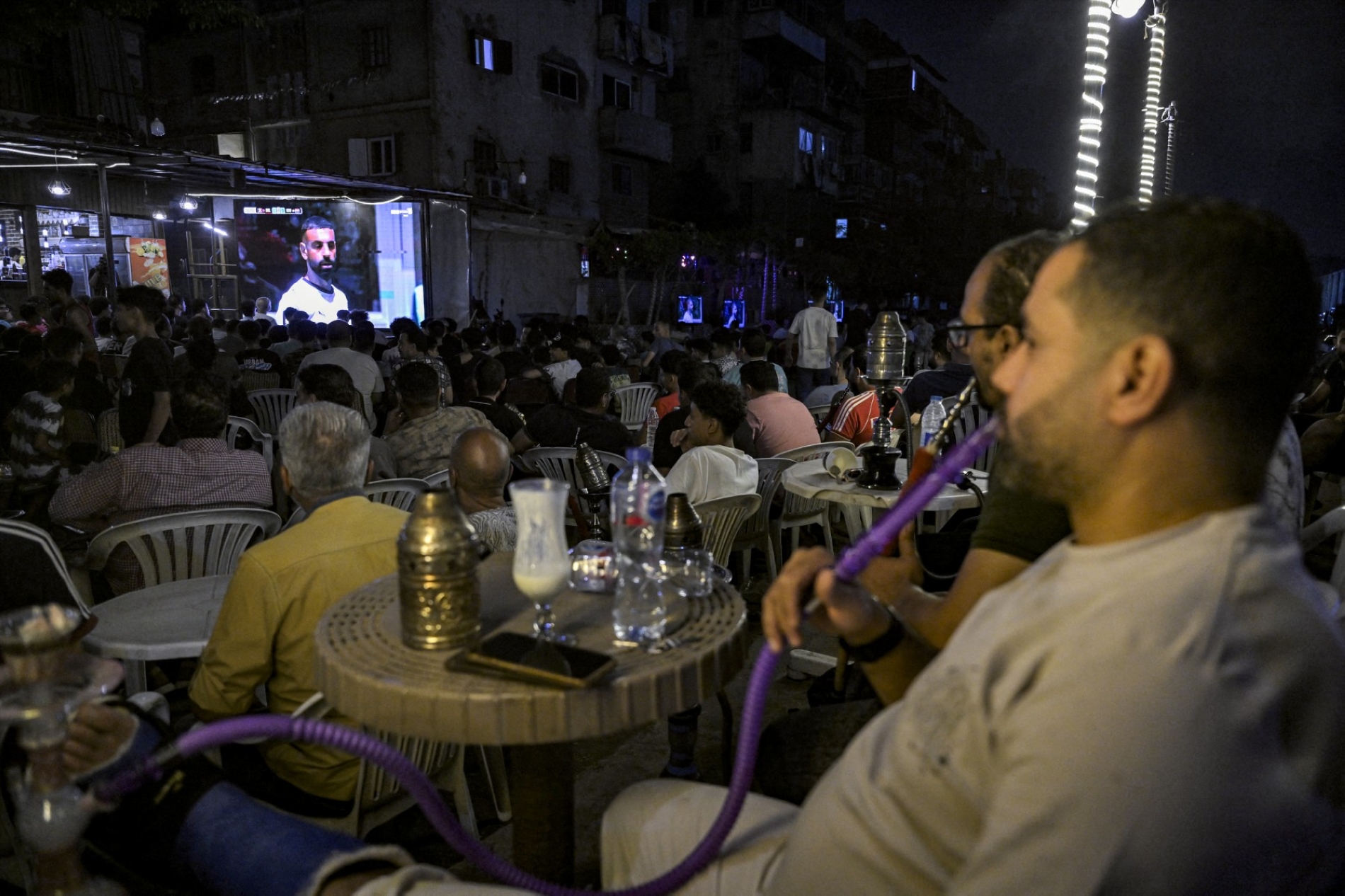
While these late-night match times may reduce family viewing at home, they have opened a new economic window for cafés and restaurants as gathering spots for football fans to gather at dawn. This is fuelling demand for out-of-hours hospitality services, pushing cafés to rethink their business model, extend their hours, introduce group packages, create special suhoor and snack menus, and organise competitions and score prediction games.
Establishments have adopted innovative ideas such as 'football suhoor' and fans' breakfasts. In Saudi Arabia and the United Arab Emirates, hospitality venues have already installed additional screens, expanded viewing areas, and introduced offers designed to turn match-watching into a full social experience. The surge has been felt in adjacent sectors, including food delivery apps, snack shops, coffee outlets, and even transport services, as tournament nights become a new peak in the region's economy.