US envoy meets Kurdish leaders to smooth relations

Tom Barrack travelled to Erbil to meet representatives from Iraq and Syria to discuss Kurdish-American cooperation and the need to tackle pro-Iranian militias

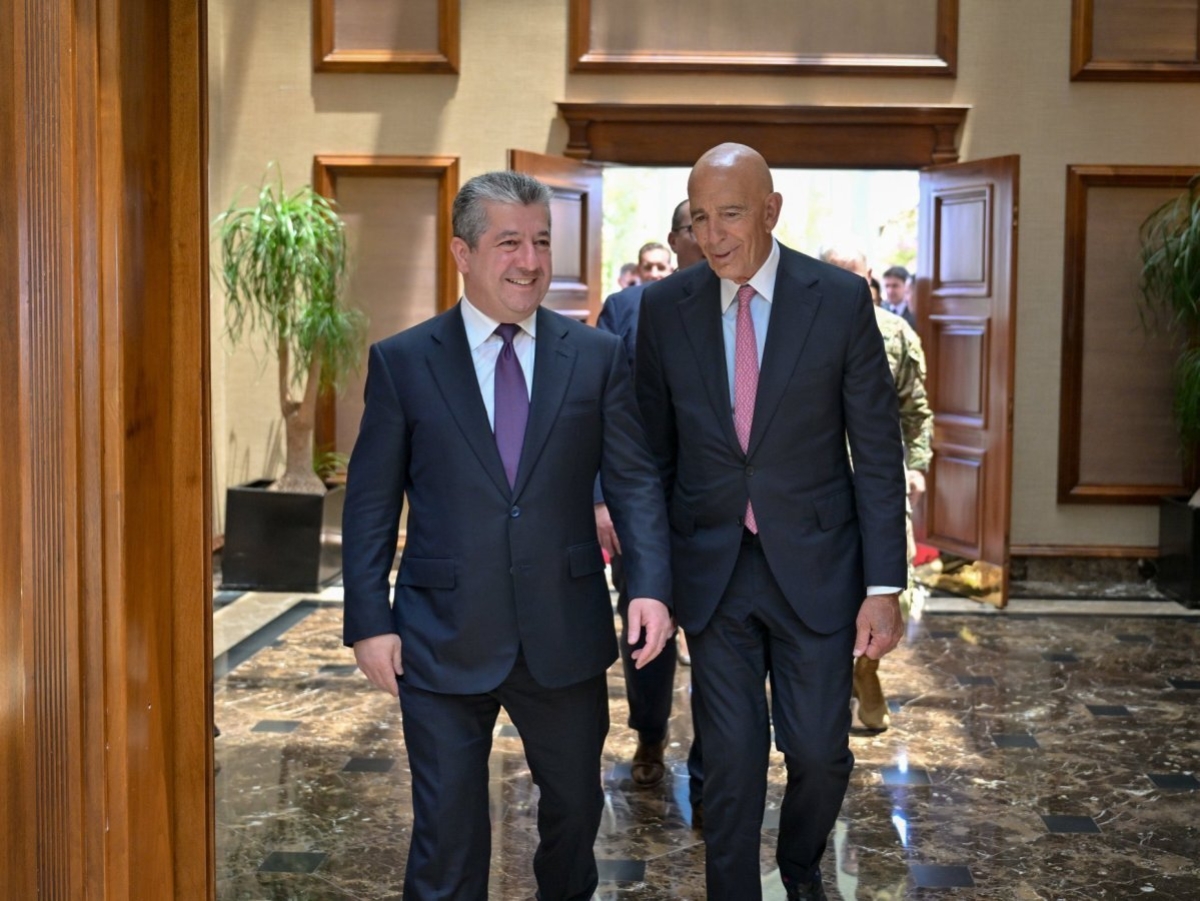
US Envoy to Syria Tom Barrack met Kurdistan Region Prime Minister Masrour Barzani in Erbil on 16 June, 2026.
Tom Barrack via X
US Envoy to Syria Tom Barrack met Kurdistan Region Prime Minister Masrour Barzani in Erbil on 16 June, 2026.

US envoy meets Kurdish leaders to smooth relations

Senior US envoy Tom Barrack has held a series of meetings with Kurdish leaders from Iraq and Syria in Erbil, the capital of the Kurdistan Region of Iraq. Barrack, a friend of US President Donald Trump with a broader Middle East brief, discussed the political landscape in both countries and the broader regional situation as American negotiators meet their Iranian counterparts in Pakistan and Switzerland to end the war.

Barrack’s visit comes amid growing tensions between Washington and Kurdish factions. Trump has repeatedly voiced frustration with the Kurds, accusing them of receiving American weapons but failing to use them against Iran—a charge Kurdish leaders deny. According to a well-placed Kurdish political source, the Kurds told Barrack that they want to work with the US administration but that American demands could not exceed Kurdish capabilities or upset the delicate balance of their relations with neighbouring countries and regional partners.

Barrack met Kurdistan Region Prime Minister Masrour Barzani, then Patriotic Union of Kurdistan (PUK) leader Bafel Talabani, followed by a trilateral session with Kurdistan Region President Nechirvan Barzani and Syrian Democratic Forces (SDF) commander Gen. Mazloum Abdi. Earlier, Nechirvan Barzani convened a broader meeting with Syrian Kurdish political figures. Barrack wrapped up his visit with an extended discussion with Kurdistan Democratic Party (KDP) leader Masoud Barzani. Throughout, he was accompanied by US Chargé d’Affaires Joshua Harris, White House diplomat Zahra Bell, and other American diplomats and military officials.

Al Majalla understands that Barrack raised several main issues as he reaffirmed Washington’s commitment to its Kurdish partners, saying he would liaise directly with President Trump to clear up any misunderstandings. The Kurdish leaders outlined their positions and concerns with some US proposals, notably any attempt to equate the disarmament of Iranian-backed Iraqi militias with the status of the Kurdish Peshmerga.

On the formation of a new Kurdistan Regional Government—now nearly 20 months after parliamentary elections—Barrack pressed both major parties to show flexibility and reach a deal. After the meeting, Prime Minister Masrour Barzani reiterated the need for the Kurdistan Parliament to convene as soon as possible. Sources close to Bafel Talabani said he told Barrack that the prolonged delay was undermining the legitimacy and credibility of the current government. Barrack said the smooth functioning of Kurdish political institutions would dictate America’s partnerships there.

Barrack laid out Washington’s broader vision for Iraq based on the dismantling of armed factions aligned with Iran and pursuing political and security policies independent of Tehran. He urged the Kurds to work with the new federal government in Baghdad. Kurdish leaders explained the longstanding disputes between Erbil and Baghdad and offered support for the new government of Ali al-Zaidi, provided it resolves outstanding issues in line with the Iraqi constitution.
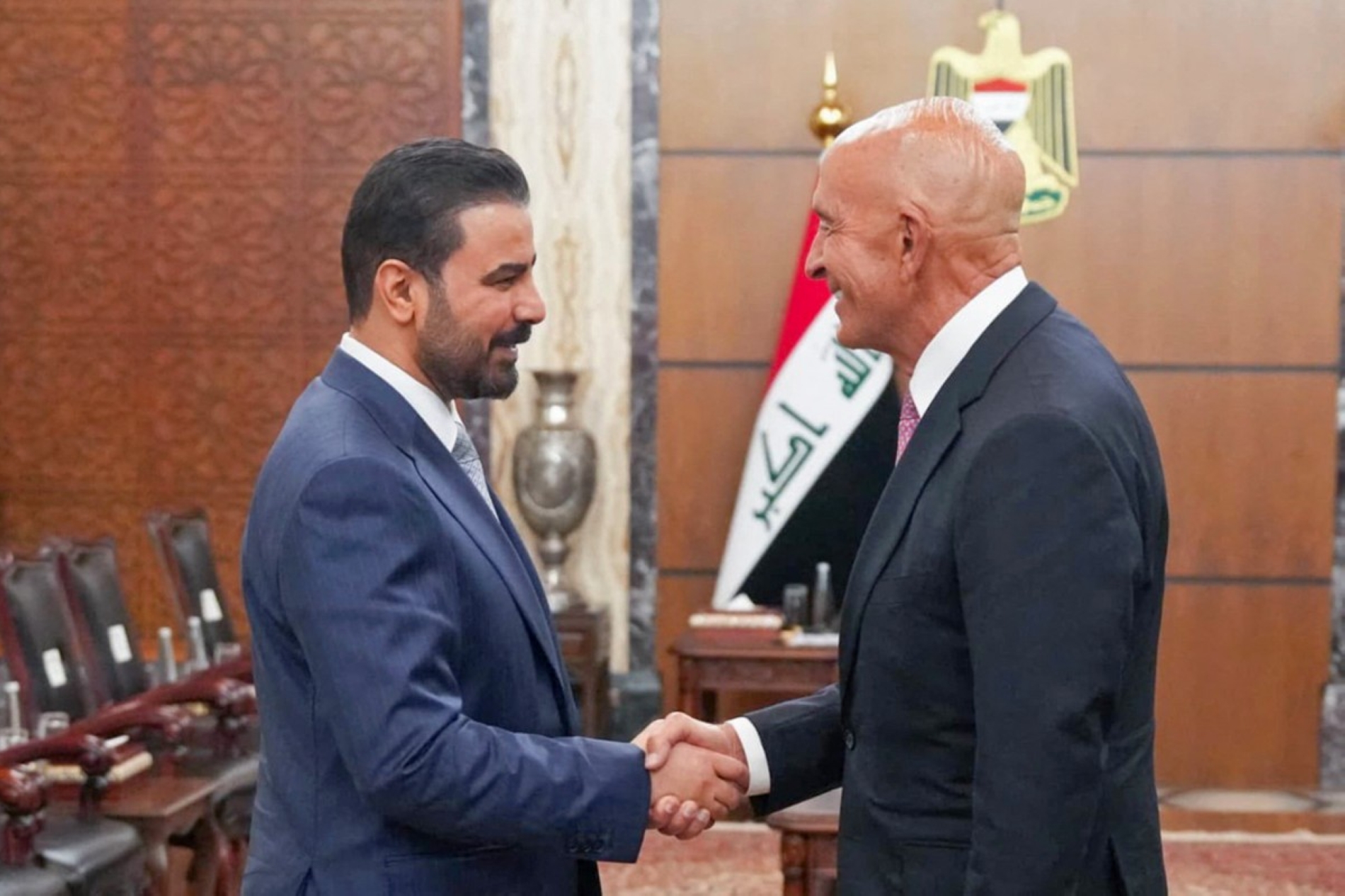
AFP
Iraq's new Prime Minister Ali al-Zaidi (L) meeting with US Special Envoy for Syria and Ambassador to Türkiye Tom Barrack during his visit to Baghdad on 15 June 2026.

Tackling Iran

The Kurdish leaders asked Barrack to help prevent misunderstandings, particularly over the future of the Peshmerga (Kurdish fighters) and regional security forces, which they described as legitimate constitutional institutions fundamentally different from Iran-aligned militias.

On the US-Iran agreement, Barrack expressed hope that Tehran would honour its commitments to the benefit of the region. The Kurdish parties voiced full support for the deal, their desire for regional peace, and their policy of neutrality.
US demands to take on pro-Iran militias could upset the delicate balance of their relations with neighbouring countries and regional partners.

Kurds to Tom Barrack

Finally, Barrack discussed Syria with Nechirvan Barzani and Mazloum Abdi. The SDF commander outlined plans for integrating the SDF and the Autonomous Administration into Syrian state institutions. Barrack welcomed the progress made under the 29 January 2026 agreement between Syria's interim government and the SDF, calling for intensified cooperation to overcome remaining obstacles. He reiterated Washington's support for peace and stability in Syria.

In a statement after the meeting, President Nechirvan Barzani said: "We stressed the importance of dialogue and mutual understanding to reach a lasting solution. I affirmed the need to protect the rights of Kurds and other components in Syria, and renewed the Kurdistan Region's support for efforts to resolve conflicts and strengthen security and stability."

Significance of meetings format

Yildiz Farman, a researcher specialising in Kurdish affairs, told Al Majalla that the US administration now views the Kurds as an autonomous regional actor—both within their respective countries and collectively across the wider landscape. "The format of the Erbil meetings is significant," she said. "In Baghdad, Barrack met only the Iraqi prime minister. In Erbil, he met with several senior Kurdish officials and leaders from both Iraq and Syria. This was essentially an American-Kurdish dialogue, conducted without strong regional pushback."

Farman noted that Washington has repeatedly recognised the Kurds' importance during regional upheavals in Syria and Iraq. "US decision-makers understand that they cannot manage the Kurds solely through the fragile and often biased institutions of Baghdad or Damascus. The Kurds remain influential players in these countries and have historically leaned toward American positions, even if recent US policy has left them disappointed."

She outlined some emerging features of future US-Kurdish relations in the coming months and years. Washington sees the Kurds as a dependable partner precisely because they are one of the region's most vulnerable actors. While the US avoids ironclad commitments, it consistently signals strong interest in maintaining ties.

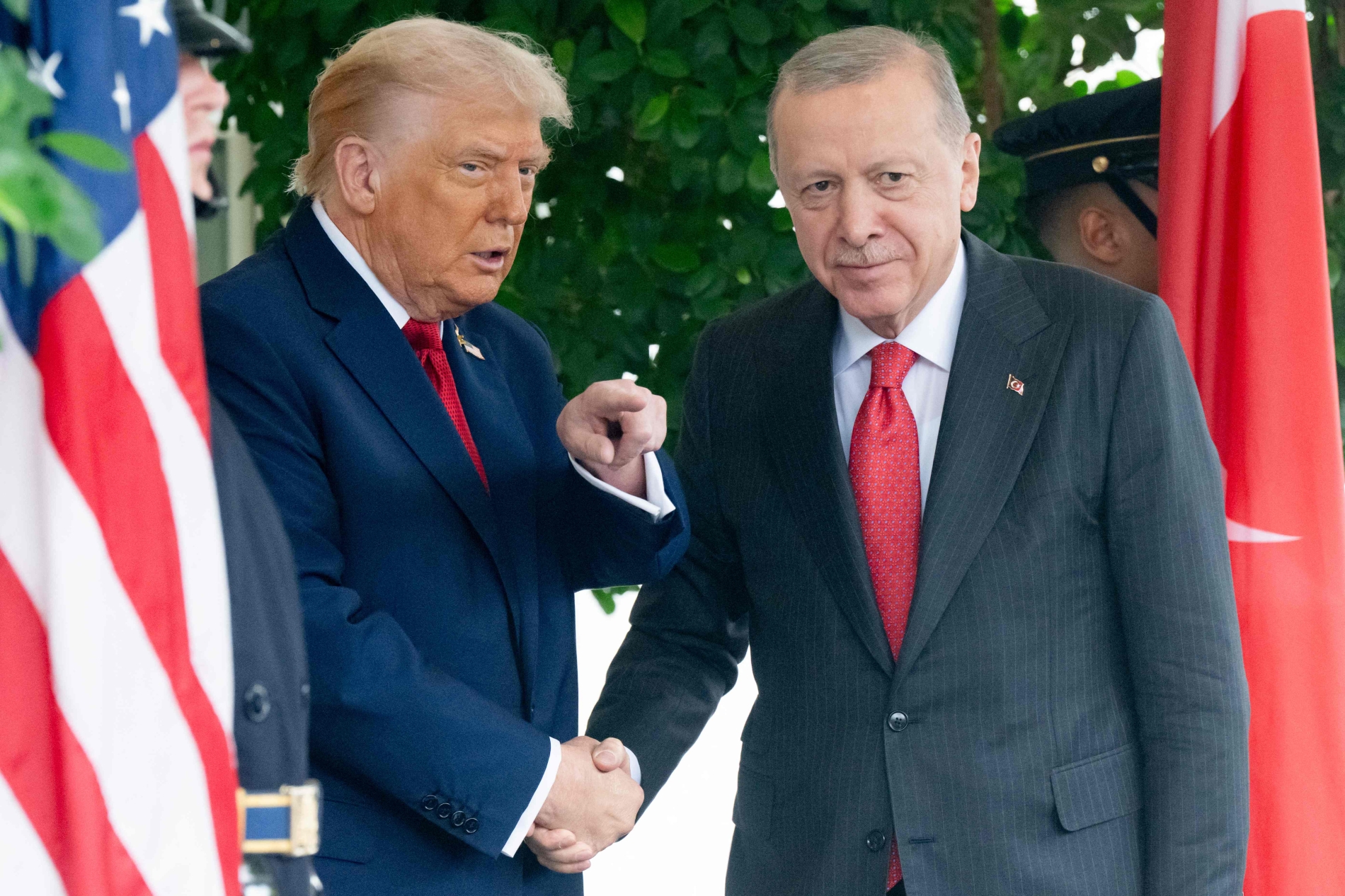
SAUL LOEB / AFP
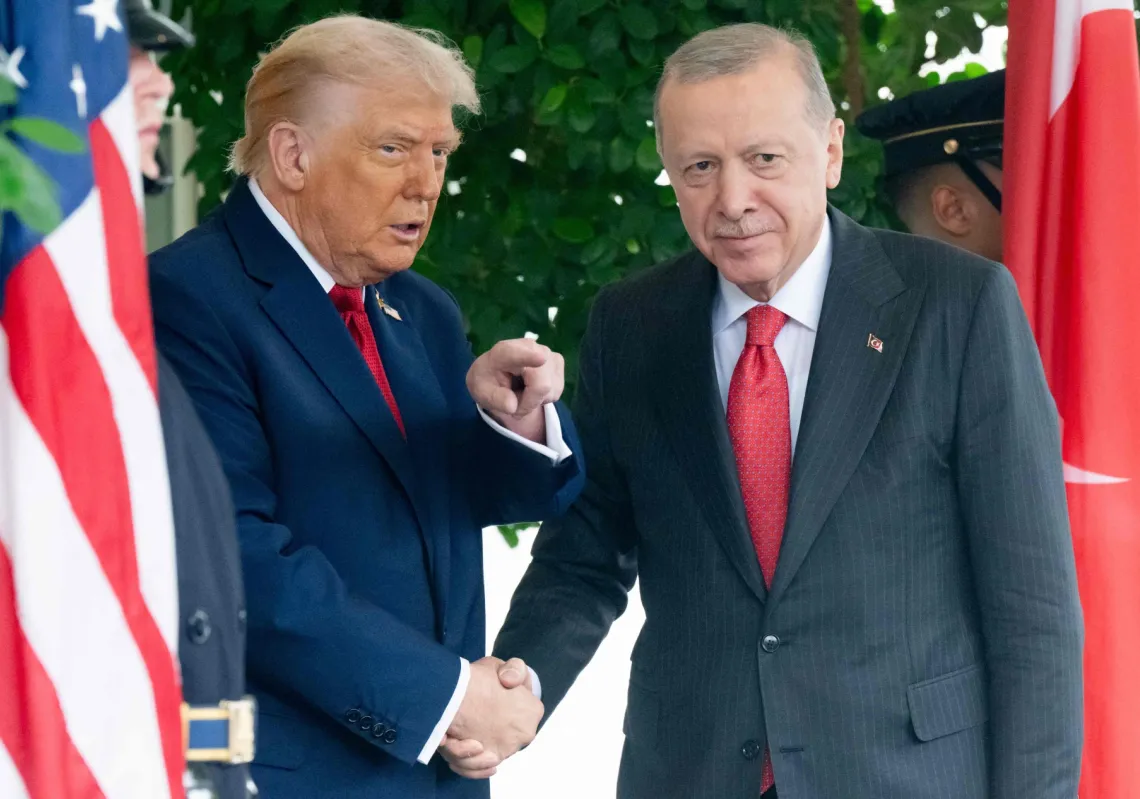
US President Donald Trump greets Türkiye's President Recep Tayyip Erdogan as Erdogan arrives at the White House in Washington, DC, on September 25, 2025.

Still, America must balance this relationship against its broader interests with regional states—especially Türkiye. A counter-current exists in Congress and among some European allies that views closer engagement with the Kurds through a moral and strategic lens, as a means to cultivate reliable partners.

However, relations between the Kurds and the United States have cooled in recent months. Many Kurds think American policy in Syria is an abandonment, while President Trump has publicly expressed disappointment, claiming that the Kurds failed to act with US-supplied weapons despite repeated high-level contacts.

Observers on both sides believe that the relationship will endure, not least because the Kurds have no credible regional or international alternatives to America at a time when neighbouring states are united in limiting Kurdish ambitions. For Washington, in an unstable region where Iran may renege on its nuclear commitments, where Israel is increasingly adventurous, and where Türkiye faces its own internal strains, the Kurds are tested and relatively dependable allies.

font change

Related Articles