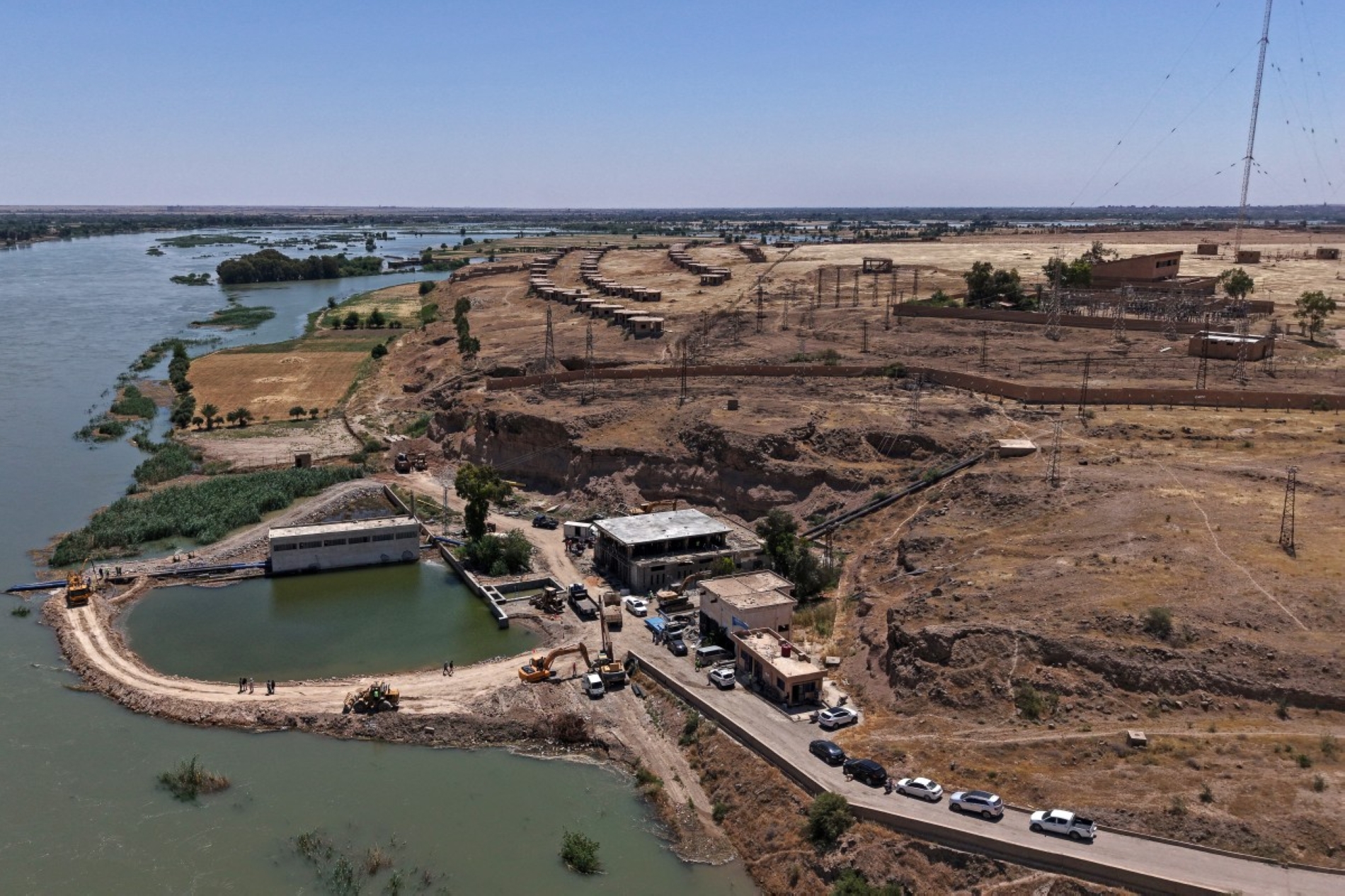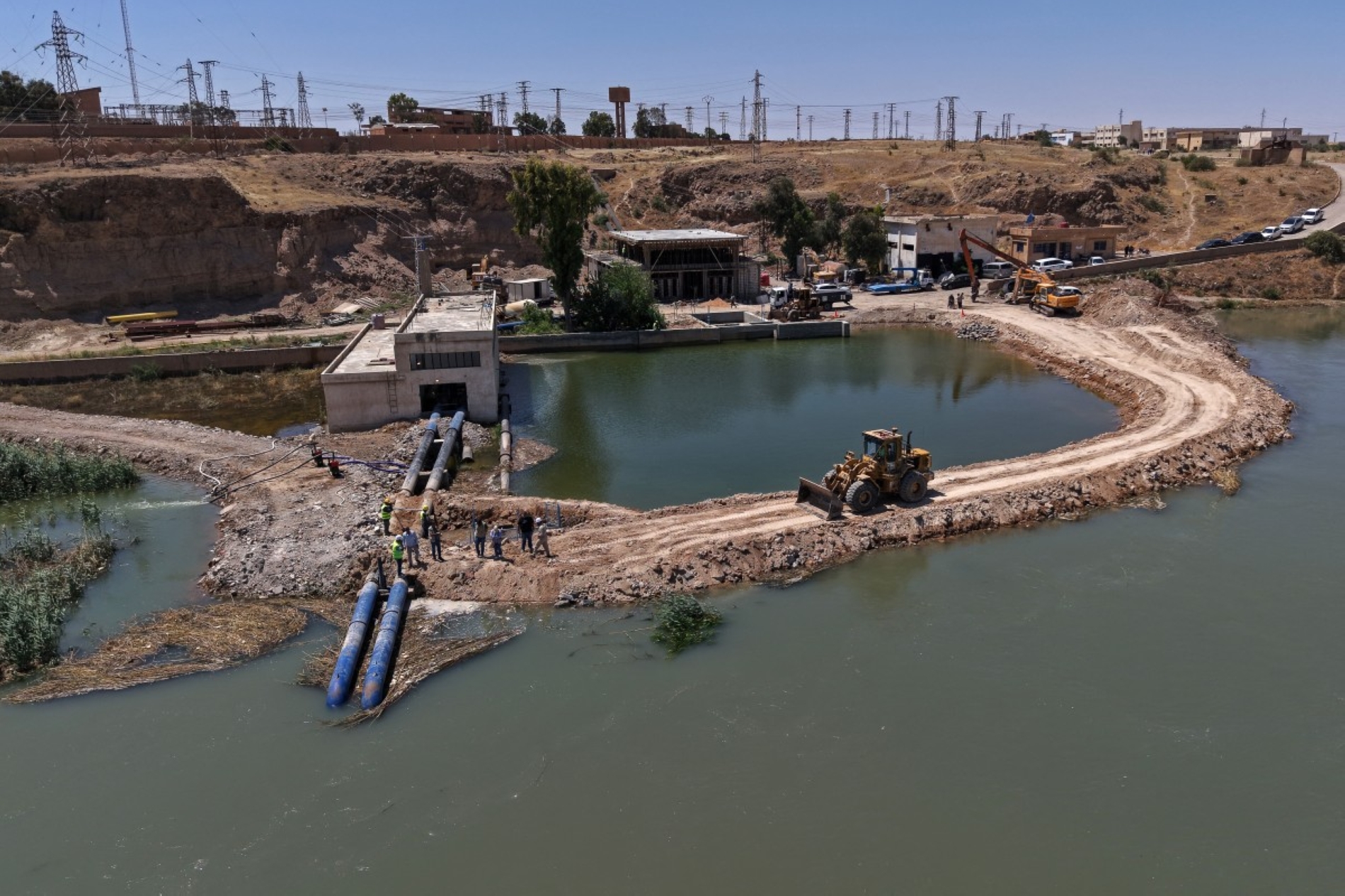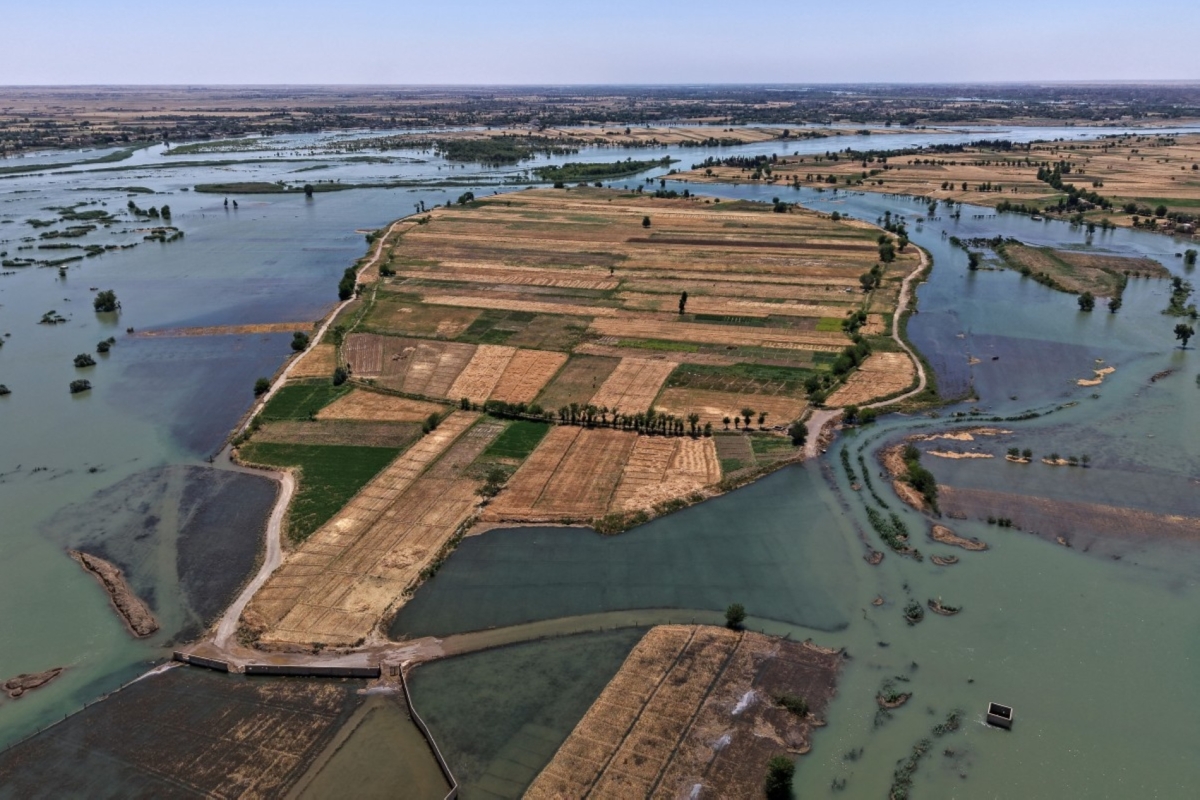

Severe flooding at the end of May in Deir ez-Zor and Raqqa has understandably been described as a disaster. Water levels rose quickly, overwhelming infrastructure, disrupting public services and damaging agricultural crops. Several drowning incidents were also reported. But the flood was not only an act of nature. Weather conditions filled the river; poor planning and weak coordination turned rising water into a crisis.
What eastern Syria has seen is the consequence of a river system managed without adequate safety margins, and of a relationship with Türkiye that remains too unequal and poorly coordinated to protect downstream communities. The emergency response that followed helped reduce the worst effects and should be acknowledged. But response is not prevention. It can save lives in the moment, but it cannot substitute for planning, early warning, technical competence or effective coordination over a river shared across borders.
Recovery must now be the priority. But the larger question is whether the state will treat this episode as a warning or as an isolated incident to be forgotten once the roads reopen, the pumps restart, and the immediate danger passes. The answer will shape more than next year’s water season. It will show whether the government and its institutions can anticipate risk, coordinate under pressure and protect communities before crisis turns into damage.
The flooding followed weeks of rising water levels along the Euphrates, driven mainly by heavy seasonal rainfall. What first looked like a welcome recovery in the river’s flow soon became a threat to communities built along its banks, as water pushed into homes, farmland and key service facilities.
The impact was particularly severe in Deir ez-Zor. Emergency officials said 83 water stations went out of service, while 16,870 dunams of agricultural land were flooded. Areas including al-Kharita, Hajin, al-Tabni and Muhaimida were among the hardest hit.
Raqqa suffered less damage than Deir ez-Zor, but several areas still recorded serious losses. The Greek camp, Huwayjat al-Sawafi and Kadro al-Ahbash were among the affected locations. The damage was not limited to housing. Floodwater also reached agricultural land, pumping stations, fish farms and other facilities.