Preventing the next Euphrates flood

Last month's floods exposed gaps in coordination and governance. Addressing them now will determine whether the next rise in the river becomes a managed risk or another costly emergency.

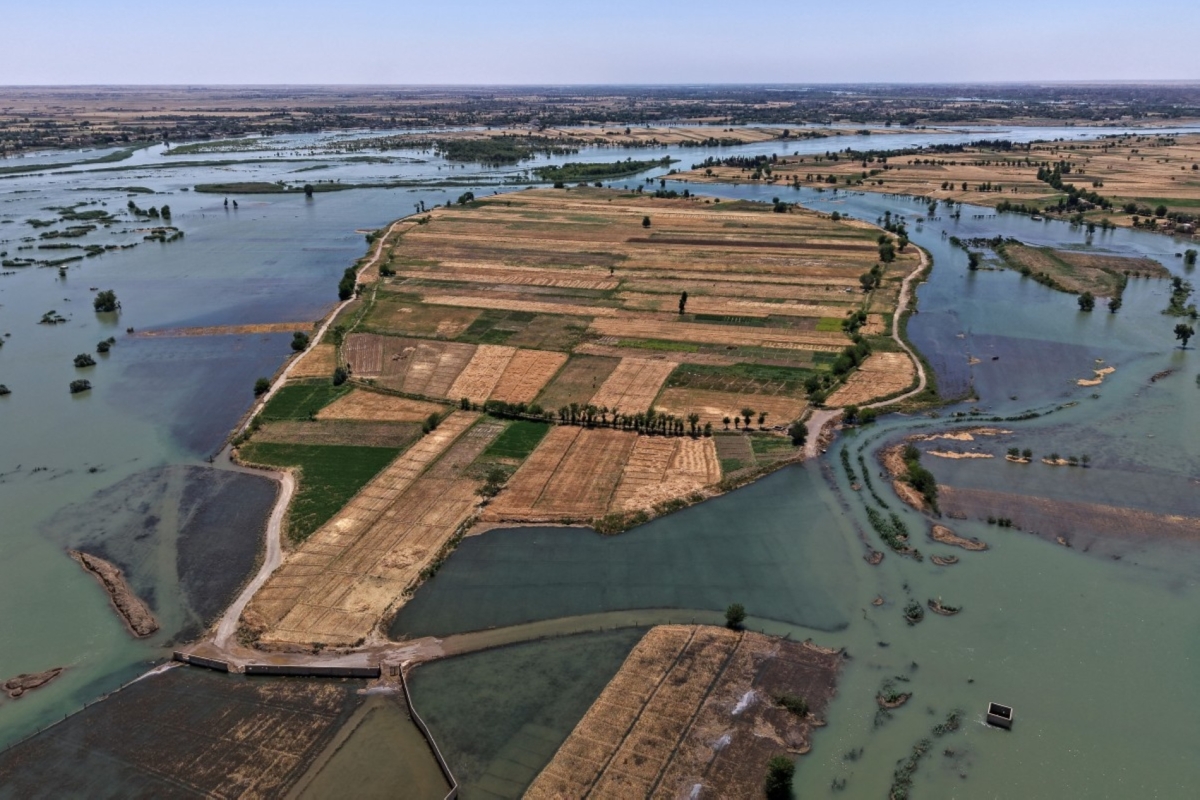
This aerial photograph shows an inundated area in Syria's Deir ez-Zor province on 31 May 2026, following recent flooding as water levels from the Euphrates River rise.
BAKR ALKASEM / AFP
This aerial photograph shows an inundated area in Syria's Deir ez-Zor province on 31 May 2026, following recent flooding as water levels from the Euphrates River rise.

Preventing the next Euphrates flood

Severe flooding at the end of May in Deir ez-Zor and Raqqa has understandably been described as a disaster. Water levels rose quickly, overwhelming infrastructure, disrupting public services and damaging agricultural crops. Several drowning incidents were also reported. But the flood was not only an act of nature. Weather conditions filled the river; poor planning and weak coordination turned rising water into a crisis.

What eastern Syria has seen is the consequence of a river system managed without adequate safety margins, and of a relationship with Türkiye that remains too unequal and poorly coordinated to protect downstream communities. The emergency response that followed helped reduce the worst effects and should be acknowledged. But response is not prevention. It can save lives in the moment, but it cannot substitute for planning, early warning, technical competence or effective coordination over a river shared across borders.

Recovery must now be the priority. But the larger question is whether the state will treat this episode as a warning or as an isolated incident to be forgotten once the roads reopen, the pumps restart, and the immediate danger passes. The answer will shape more than next year’s water season. It will show whether the government and its institutions can anticipate risk, coordinate under pressure and protect communities before crisis turns into damage.

The flooding followed weeks of rising water levels along the Euphrates, driven mainly by heavy seasonal rainfall. What first looked like a welcome recovery in the river’s flow soon became a threat to communities built along its banks, as water pushed into homes, farmland and key service facilities.

The impact was particularly severe in Deir ez-Zor. Emergency officials said 83 water stations went out of service, while 16,870 dunams of agricultural land were flooded. Areas including al-Kharita, Hajin, al-Tabni and Muhaimida were among the hardest hit.

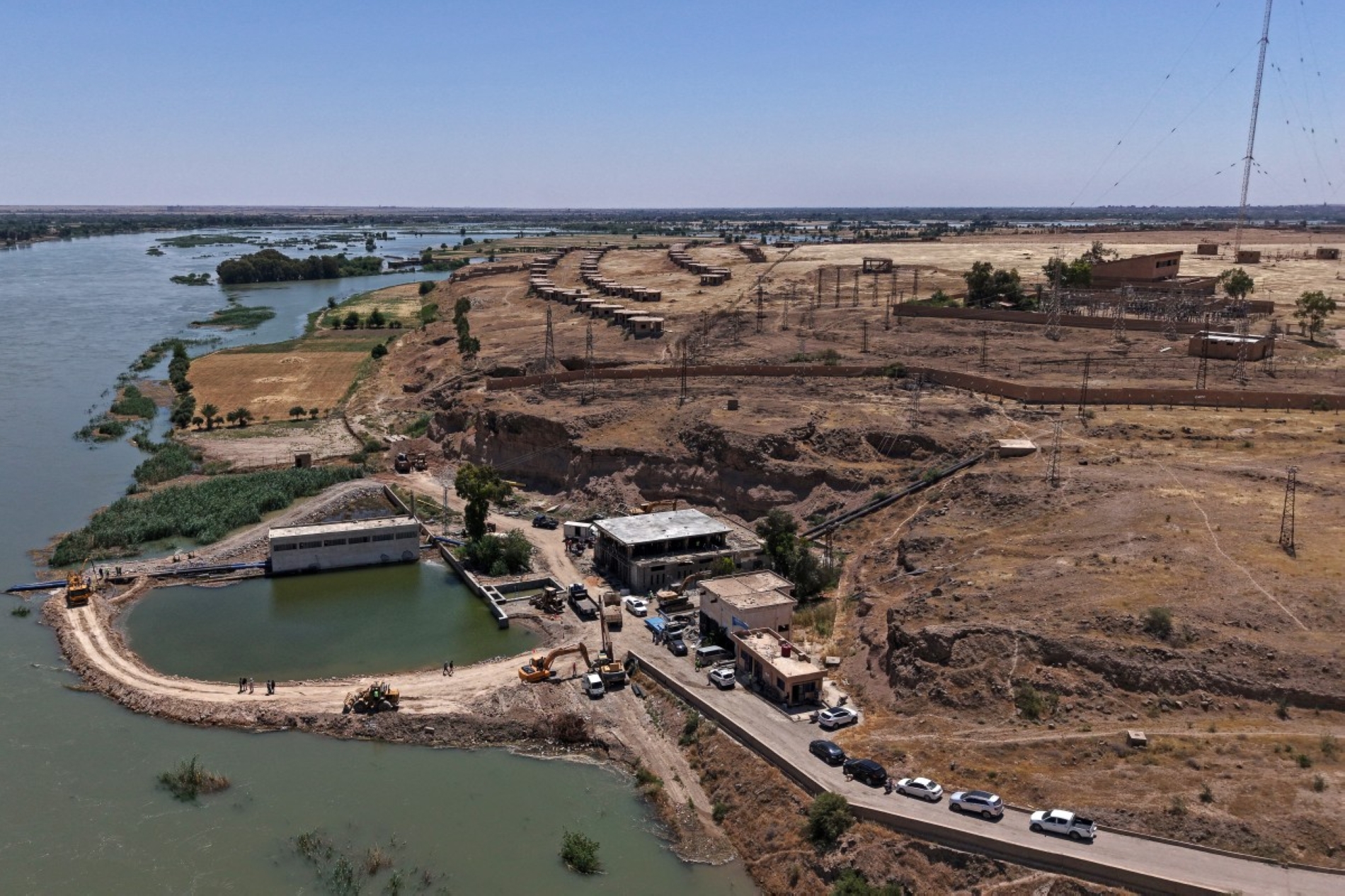
Raqqa suffered less damage than Deir ez-Zor, but several areas still recorded serious losses. The Greek camp, Huwayjat al-Sawafi and Kadro al-Ahbash were among the affected locations. The damage was not limited to housing. Floodwater also reached agricultural land, pumping stations, fish farms and other facilities.
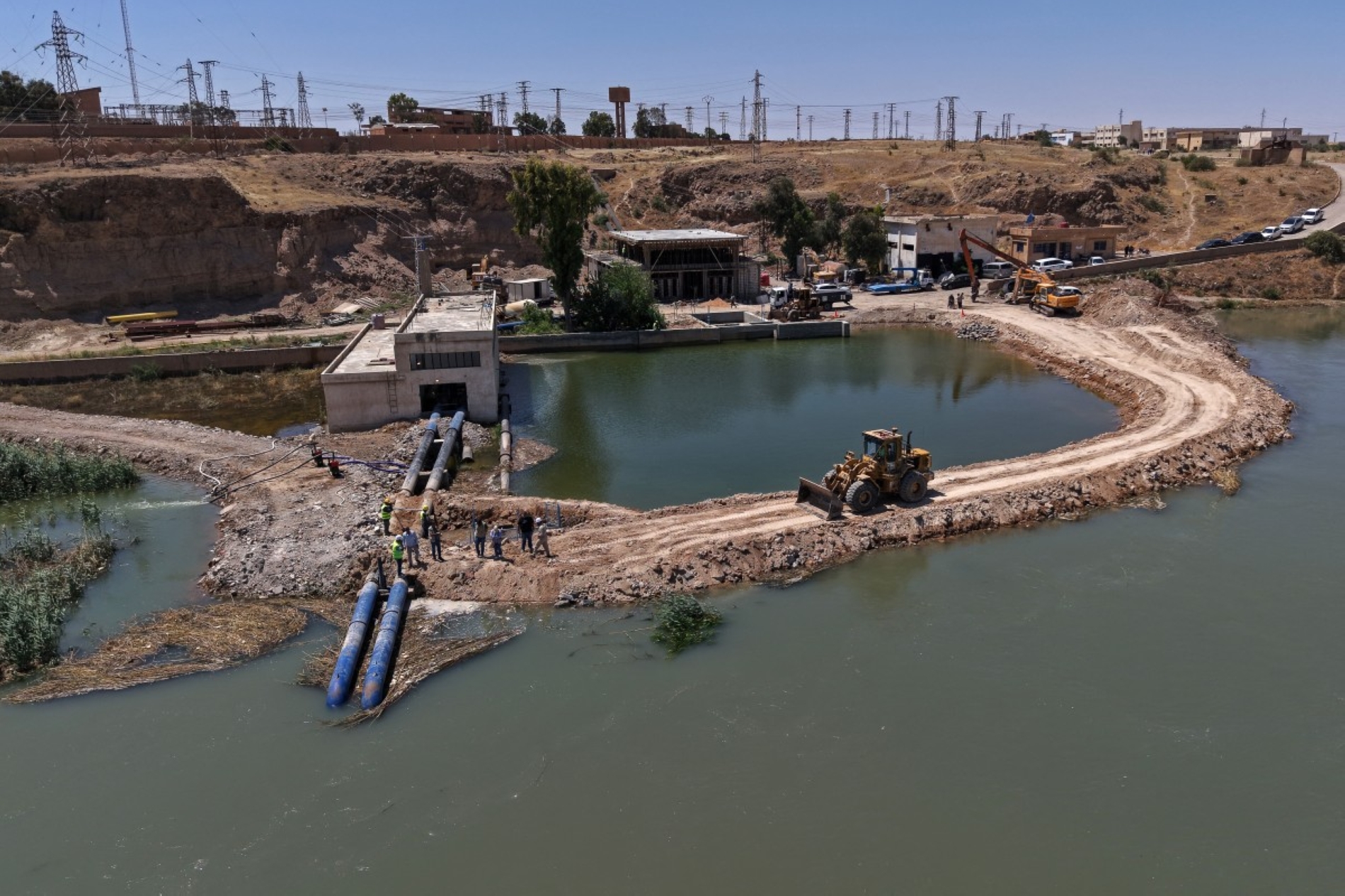
The flood was not only an act of nature. Weather conditions filled the river; poor planning and weak coordination turned rising water into a crisis.

For residents, the crisis quickly became personal. Thousands of people were forced to leave homes near the river, many of which were later damaged. Farmers lost crops just as the agricultural season was expected to provide some relief. Several crossings became unsafe or unusable, further isolating communities already struggling with weak services and limited transport links.

A swift and coordinated emergency response helped contain the crisis. Ministries, local authorities and Civil Defence teams worked through a joint operations room, reinforced embankments, deployed rescue teams and water tankers, inspected vulnerable points and supported evacuations. Technical teams also removed mechanical and electrical equipment from threatened stations and monitored dozens of water and irrigation facilities along the river.

That response mattered. Without it, damage to essential services would likely have been wider and the risk to life higher. But emergency mobilisation cannot hide the deeper problem. The flood was contained late because the risk was managed late.

BAKR ALKASEM / AFP
This aerial photograph shows an inundated area in Syria's Deir ez-Zor province on 31 May 2026, following recent flooding as water levels from the Euphrates River rise.

Too little, too much

Official statements pointed to a lack of timely warning from Türkiye. Energy Minister Mohammad al-Bashir said Ankara's notice about rising Euphrates levels came late, leaving downstream authorities with limited time to prepare. As the upstream state, Türkiye controls the main gates of the Euphrates before the river enters Syria. This gives Ankara significant influence over the timing and volume of water releases, as well as the warning process around them. Coordination with Turkish authorities later helped reduce flows to more manageable levels, but only after the risk to downstream communities had already become urgent.

The issue goes beyond this flood. Under the 1987 Türkiye-Syria protocol, Türkiye committed to maintaining a minimum average flow of 500 cubic metres per second at the Syrian border and to exchanging technical data. But the framework remains limited. It does not set a ceiling to prevent dangerous over-discharge, nor does it include a binding notification timetable that reflects the time downstream authorities need to respond. It also lacks a third-party dispute mechanism.

As a result, Syria faces two linked risks: sudden excess flows during wet periods and long-term shortages during drought. Syrian and rights-monitoring sources have repeatedly reported that flows into Syria have fallen far below the 500 cubic metre threshold in previous years, in some cases dropping below 200 cubic metres per second.

Too little water undermines irrigation, electricity generation and drinking-water supplies. Too much water, released without adequate warning, threatens homes, farmland and infrastructure. Both problems reflect the same imbalance. Syria remains exposed to upstream decisions without sufficient warning, enforceable guarantees or shared water-management planning.

The flood was a consequence of a river system managed without adequate safety margins and of a relationship with Türkiye that remains too unequal.

Managed too late

The external factor is more visible, but it is not the whole story. Syria was not facing an unknown threat. Rivers and dams always require active management, especially during exceptional rainy seasons. Strong governance is meant to do more than respond to difficult conditions. It should anticipate them, plan for them and reduce their impact before they become crises.

That did not happen in Syria. Reservoirs were already close to their limits before the latest increase in discharge from Türkiye. Storage levels had exceeded 98.5%, leaving little room to absorb additional water without threatening safety margins. Despite improved ties with Ankara, Syrian officials do not appear to have proactively sought detailed information on expected flows or to have strengthened coordination in advance.

The result was a double failure. Authorities were neither sufficiently informed about Türkiye's releases nor equipped with enough spare reservoir capacity to regulate the sudden increase. Much of the water entering from Türkiye therefore had to be passed quickly through Syrian dams rather than managed gradually.

This is not merely a technical detail. It is a planning failure. When reservoirs approach maximum storage before external releases are fully anticipated, emergency management begins where risk management should have started.

It also points to deeper institutional weaknesses in Syria's transition. Since the beginning of the transition, appointments in some key institutions have reportedly prioritised loyalty and trust over technical competence. This has increased reliance on reactive decision-making and trial-and-error administration, producing policy failures with direct public costs.

The impact has been amplified by the sidelining or removal of experienced technocrats who were part of the Assad era. Political appointments are not unique to Syria. But in sensitive sectors such as water management, loyalty cannot substitute for technical capacity. Without experienced professionals, clear chains of command and a culture of risk management, institutional weakness becomes a public safety threat.

BAKR ALKASEM / AFP
This aerial photograph shows an inundated area in Syria's Deir ez-Zor province on 31 May 2026, following recent flooding as water levels from the Euphrates River rise.

A warning, not an exception

The irony is hard to miss. After years of drought, failing irrigation and fears that the Euphrates was disappearing, the return of water should have been a blessing. Instead, weak governance turned it into another crisis. What should have helped recovery deepened suffering because the system was unprepared.

This will not be the last test. Climate change is making extremes more common: longer droughts, heavier rains and faster shifts between scarcity and overflow. For Syria, the Euphrates flood should not be treated as an exception. It is a preview of the risks ahead.

The government must act now to prevent a repeat. Damascus should publish a transparent assessment of what happened, including the performance of each responsible institution. Without that review, the same failures will remain buried in the system, waiting for the next rainy season.

Syria also needs to move from crisis management to risk management. That means stronger safety standards, better technical oversight, clearer public communication and real accountability when warnings are missed. It also means pursuing a renewed water arrangement with Türkiye that includes real-time hydrological data, binding warning periods, shared seasonal forecasts, minimum and maximum operational thresholds, and a third-party dispute mechanism.

Syria should not treat preventable crises as inevitable disasters. The Euphrates flood exposed serious gaps in planning, coordination and governance. Addressing them now will determine whether the next rise in the river becomes a managed risk or another costly emergency.

font change

Related Articles