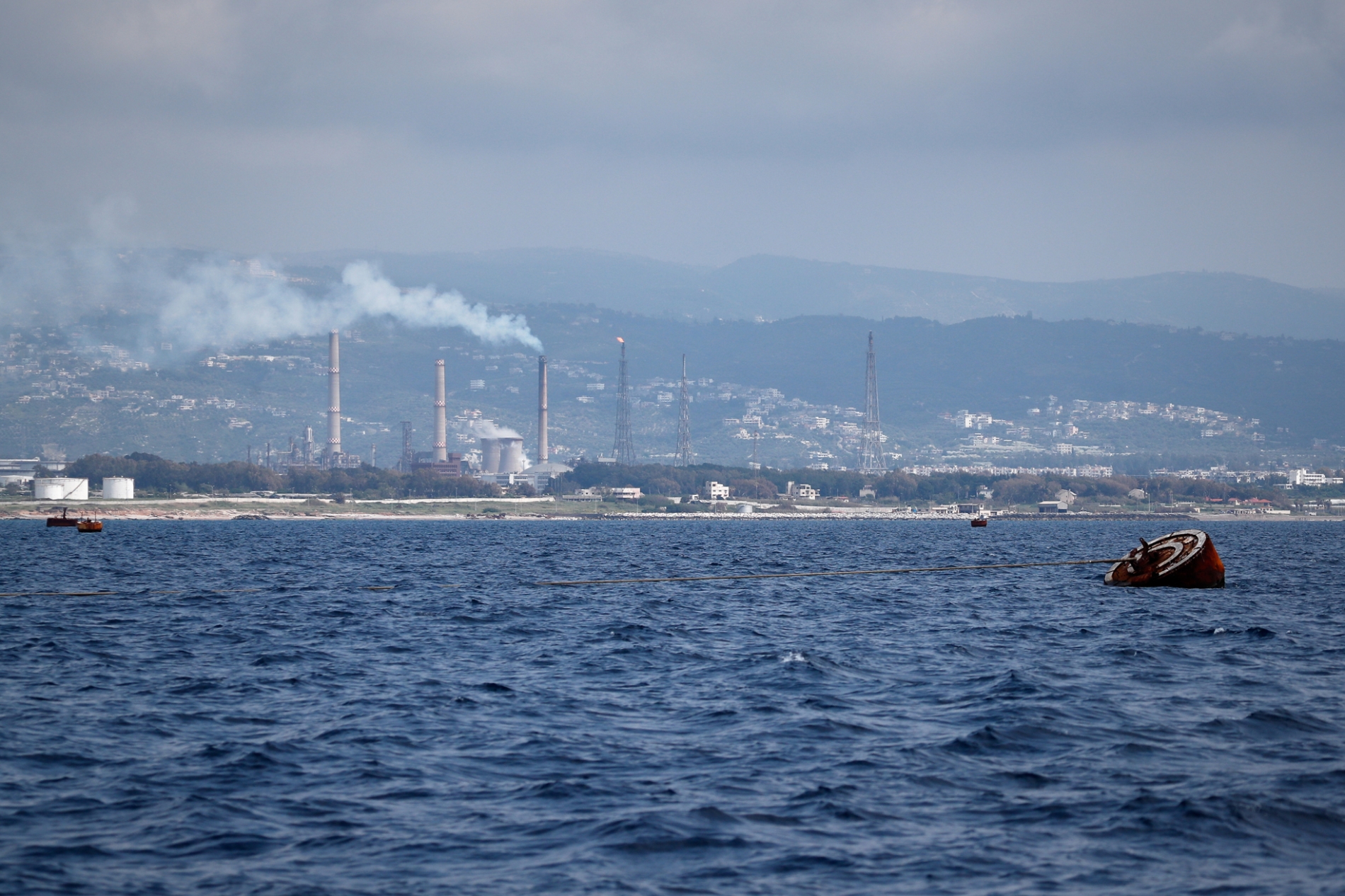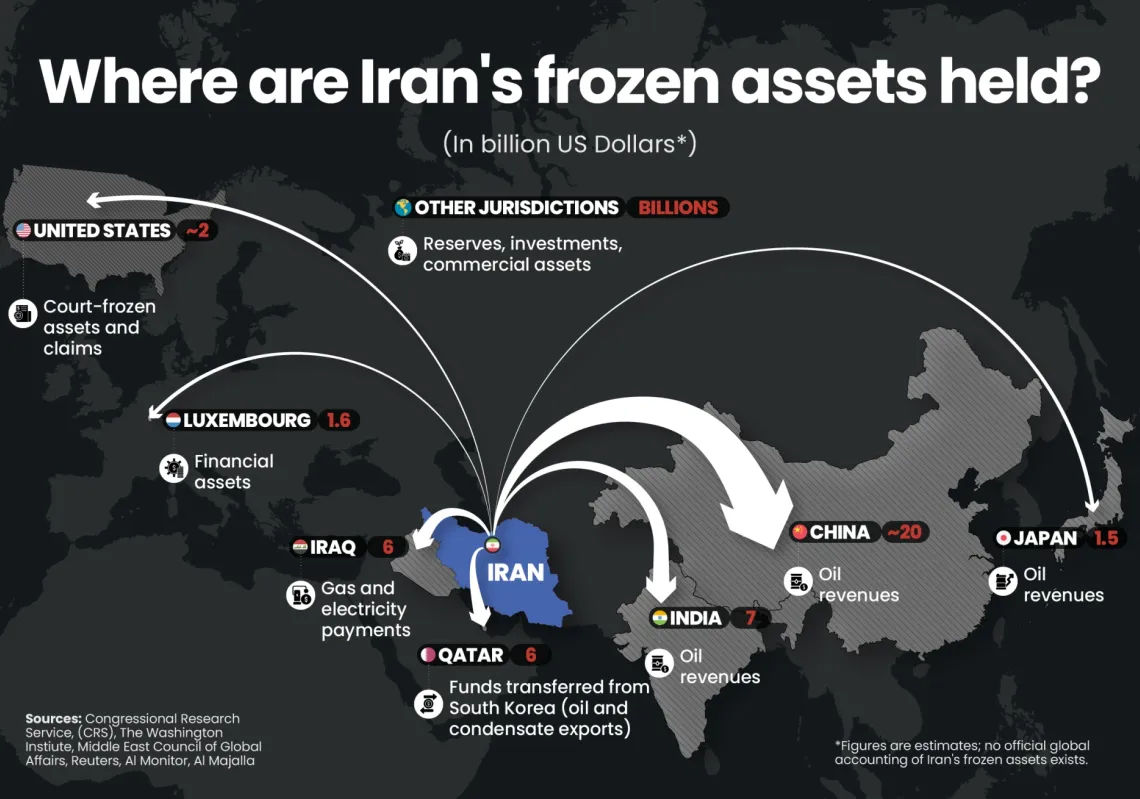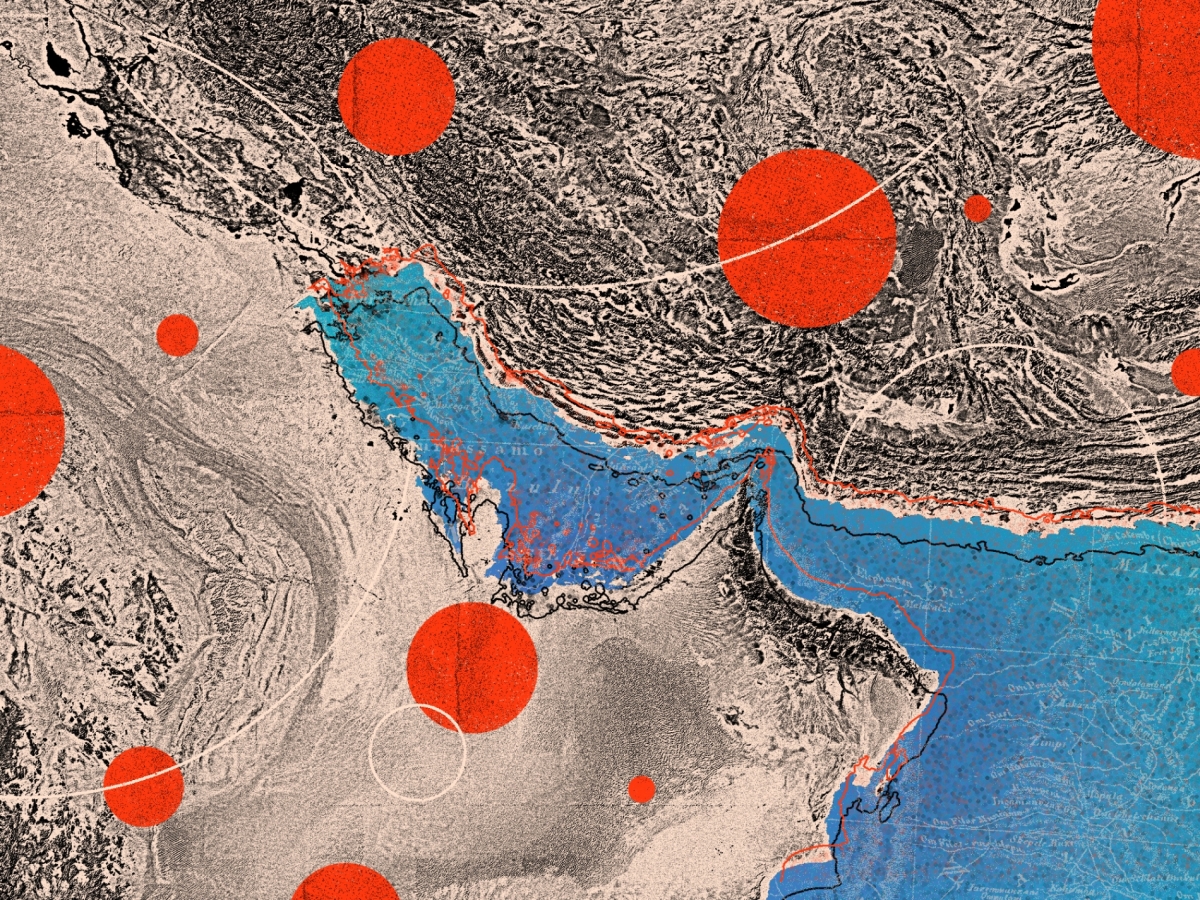

The Strait of Hormuz, the geopolitical chokepoint at the heart of the US-Israeli war on Iran, reopened on 18 June, but the effects of its 15-week closure will reverberate across the world for months, if not years. The blockade of the strategically important strait—initially by Iran, then by the US in a counter-blockade—has led to a wide range of changes to freight markets and global trade routes. These will not be reversed upon the waterway’s long-awaited reopening.
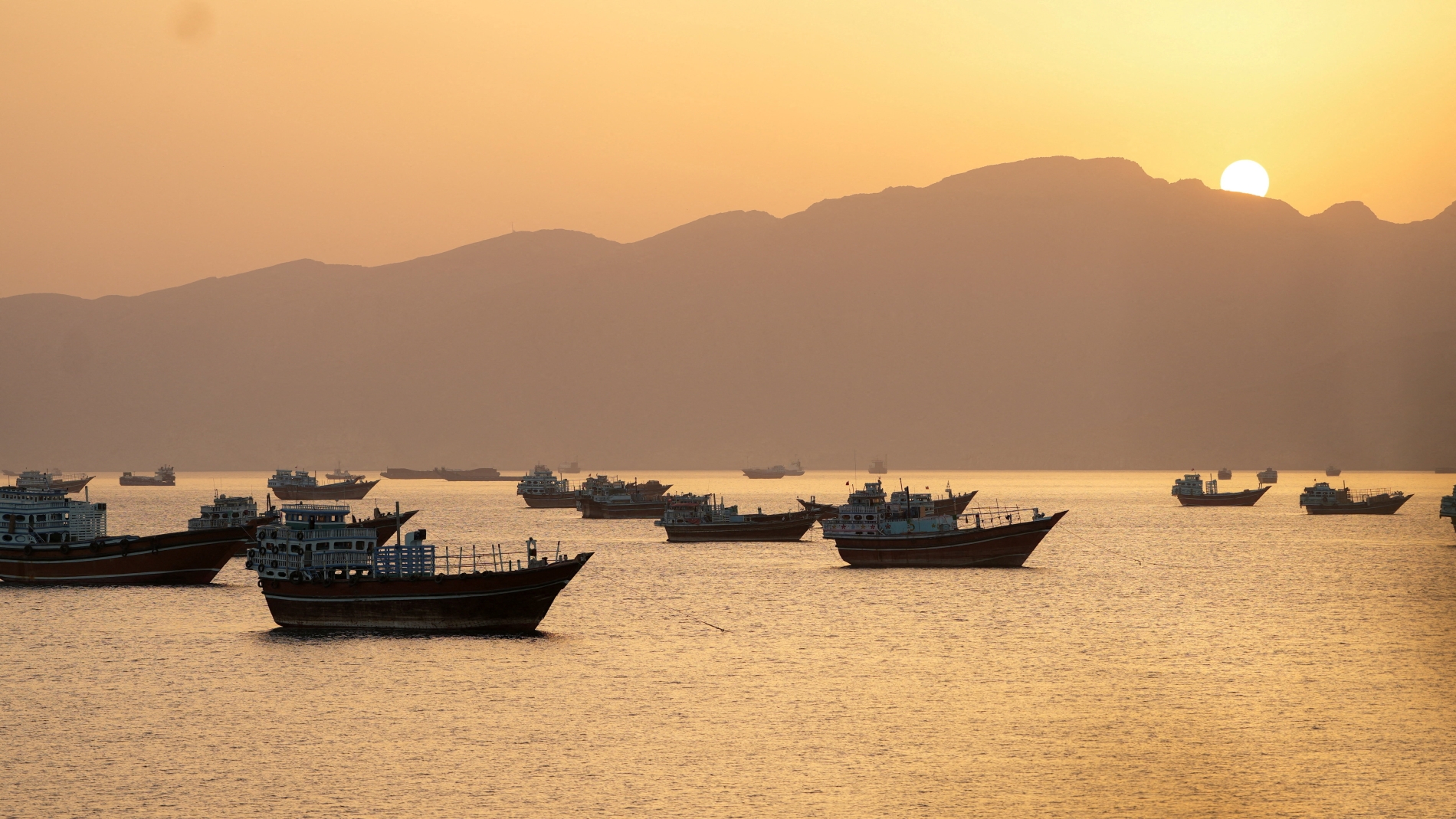
The 33-39 km wide strait, which connects the Arabian Gulf to the Gulf of Oman and the wider Indian Ocean, was effectively closed from 28 February, when the US and Israel launched a pre-emptive attack on Iran.
Nearly a fifth of the world’s oil and gas shipments pass through the strait. Its closure, therefore, sent energy prices soaring, driving up the cost of everything from petrol and airline tickets to plastics, food production, and consumer goods. According to the recently struck but fragile peace deal between Washington and Tehran, unrestricted shipping is allowed through the strait, easing pressure on the global economy.
Misplaced assumption
But whether this will restore the pre-war status quo remains to be seen. Many of the world’s major shipping firms have stated they will not return to using the strait until peace reigns and transit procedures are well established. “There is a clear, misplaced assumption that people expect shipping to return to normal immediately,” said Gisele Widdershoven, the founder of maritime and energy advisory firm Blue Water Strategy. “Global and regional shipping companies do not operate on political announcements. All of them only operate on risk assessments, insurance availability, crew safety, and commercial certainty.”
Even if the agreement holds, said Widdershoven, which is questionable, it will take several months rather than several days for shipping patterns and supply chains to return to normal. The 60-day memorandum of understanding signed by Washington and Tehran does not include Israel.
Since the beginning of the crisis, shipping operators have rerouted vessels, adjusted schedules, relocated assets, secured alternative storage locations, and signed new logistics agreements, explained Widdershoven. “These decisions are not reversed overnight,” she added.
Iran has sought to assert greater control over navigation through the strait, while the US has insisted on maintaining freedom of navigation through what it regards as an international waterway. This longstanding point of contention is one that the agreement may soon prove insufficient to resolve.
During the war, Tehran charged ships between $1.5mn and $2mn for safe passage through the strait. Vessels that did not comply were attacked, despite a global outcry. In response, Washington imposed its own blockade, attacking any tankers attempting to reach Iranian ports, further compounding disruption to shipping in the Arabian Gulf.
Search for alternatives
This led to a search for alternative routes. Some seaports, including the Port of Fujairah and Khor Fakkan in the UAE, and Yanbu on Saudi Arabia’s Red Sea coast, tried to fill the gap, handling unprecedented cargo volumes as shipping companies scrambled to bypass the strait. Infrastructure construction was stepped up, including the UAE’s fast-tracking of a second pipeline from Abu Dhabi to Fujairah, and investments were channelled towards land and air cargo operations.
The economies of the Arabian Gulf, despite their dependence on hydrocarbon exports, derived little benefit from the surge in oil and gas prices triggered by the conflict. Instead, they found themselves among its principal casualties. The closure of the Strait of Hormuz disrupted the route through which much of the region’s energy exports traditionally pass, forcing governments and businesses to seek alternative pathways to global markets and accelerating investment in new transport and logistics infrastructure.
“The Hormuz closure demonstrated something many governments and corporations had long understood but often ignored,” said Widdershoven. “To be extremely dependent on a single maritime chokepoint creates unacceptable strategic risk.” As a result, energy companies increased investment in storage facilities closer to their customers, reducing their exposure to disruptions along critical shipping routes.
Structural change
“Historically, global trade has prioritised efficiency,” she added. “The Hormuz crisis has shifted priorities toward resilience. That is a structural change. The importance of resilience could become the main dealbreaker in the future. What we are witnessing is not the replacement of Hormuz, because that is impossible. We are seeing the emergence of parallel systems designed to reduce vulnerability.”
The parallel systems to which Widdershoven refers are already taking shape. Across the Gulf and beyond, governments and businesses are investing in alternative export routes, storage facilities, and logistics networks designed to reduce dependence on the Strait of Hormuz. Saudi Arabia, for example, has long prepared for the possibility of a blockade, constructing an East-West pipeline linking its oil fields in the Eastern Province to the Red Sea port of Yanbu. In the UAE, ADNOC has accelerated construction of a second West-East crude oil pipeline to the Port of Fujairah and is also considering a separate pipeline for refined products to the emirate.