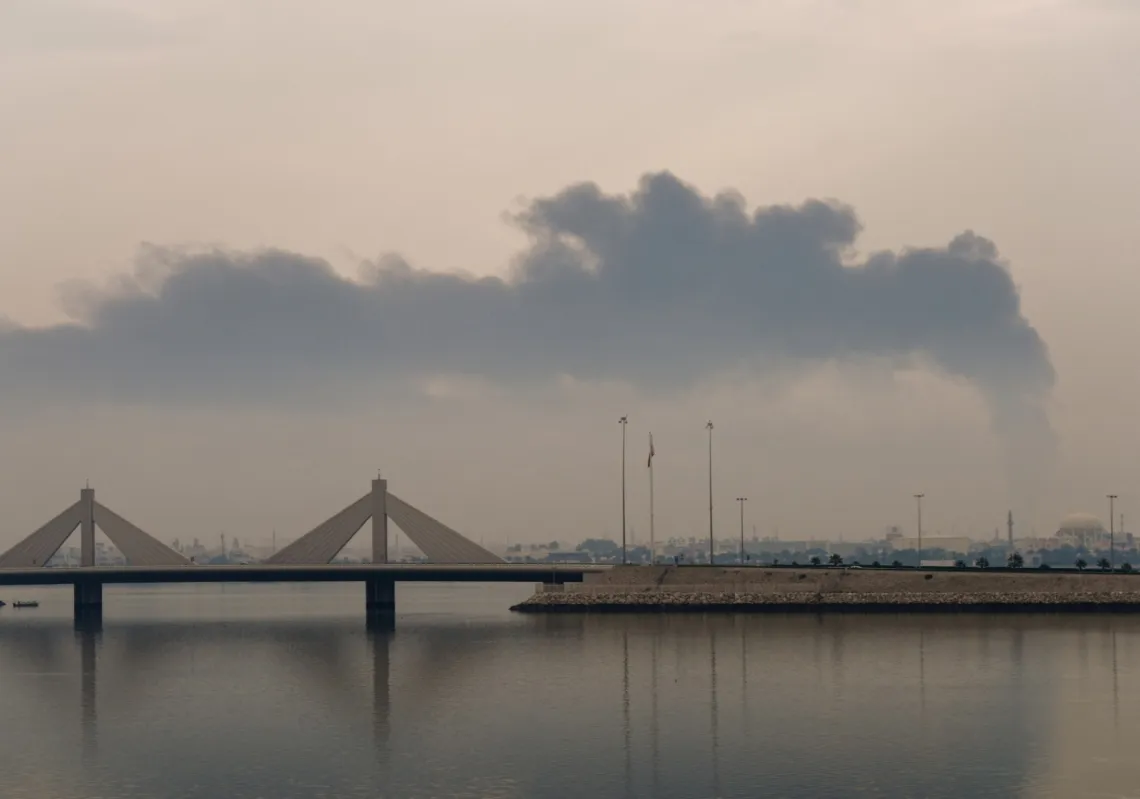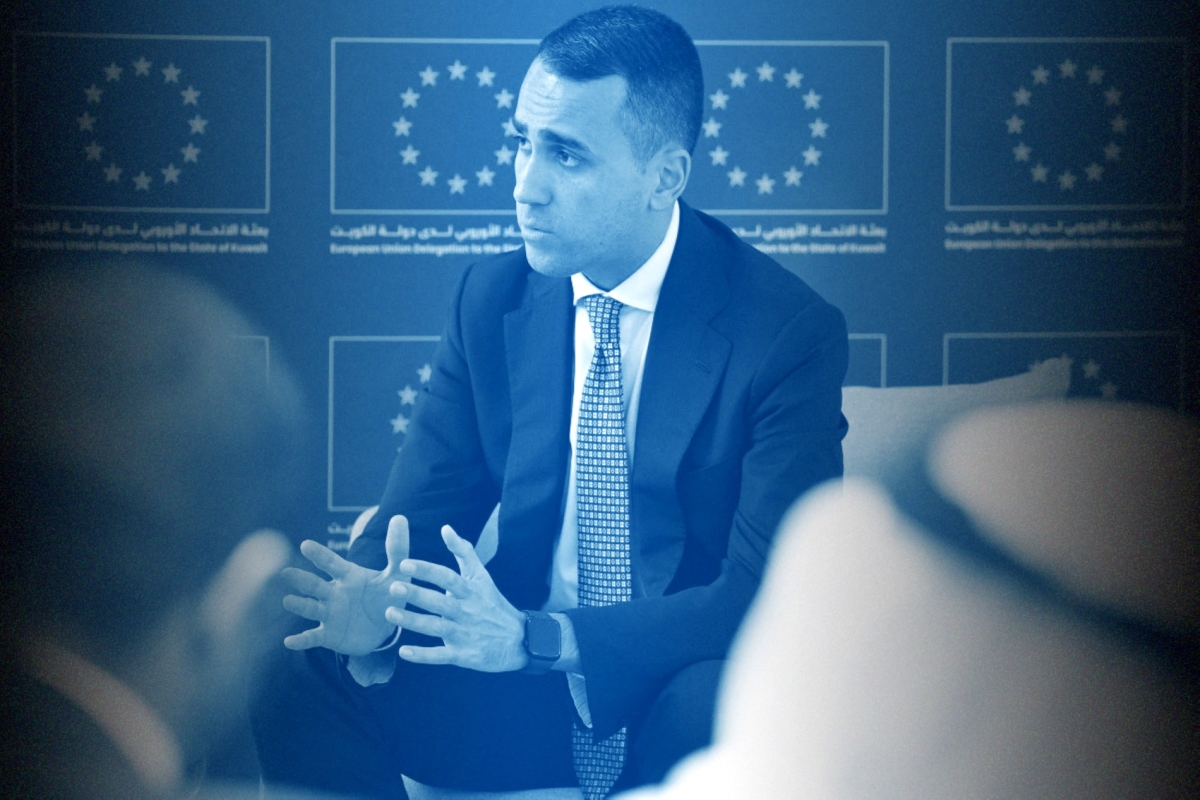

European Union Special Representative for the Gulf, Luigi Di Maio, brings to this interview a firsthand account of how Brussels has responded to the US-Iran war since the US and Israel attacked Iran on 28 February—a crisis that has placed Gulf states under direct threat and forced the EU to clarify both the scope and the limits of its engagement in the region's security.
A former Italian deputy prime minister and foreign minister, Di Maio has travelled extensively across the GCC capitals since the conflict began, coordinating European diplomatic efforts amid considerable regional uncertainty. In this conversation with Al Majalla, he outlines the concrete steps the EU has taken in support of its Gulf partners—from convening emergency ministerial meetings and backing UN Security Council resolutions to deploying naval missions in the Red Sea, while being candid about the structural constraints of an organisation without a unified defence architecture.
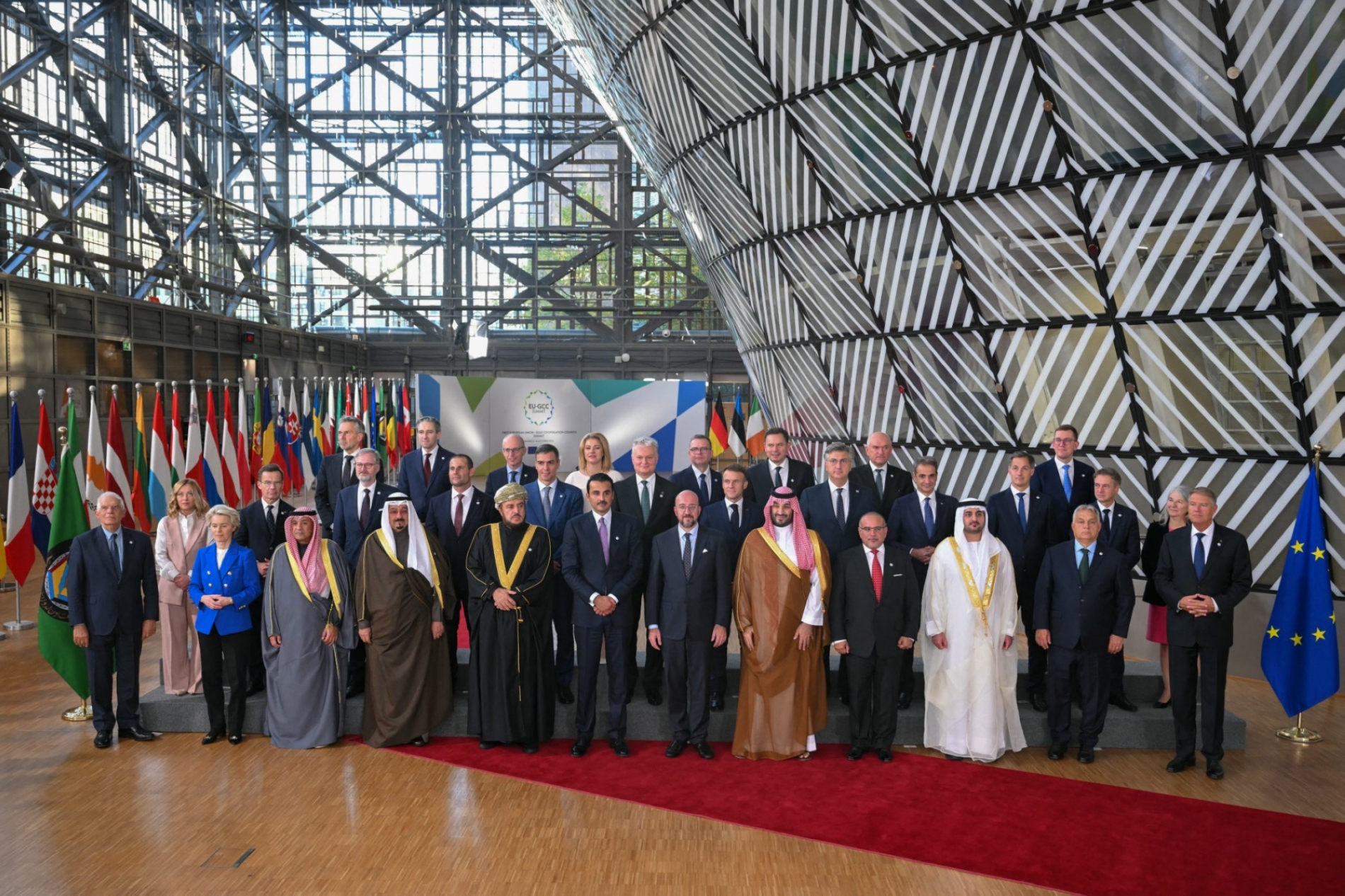
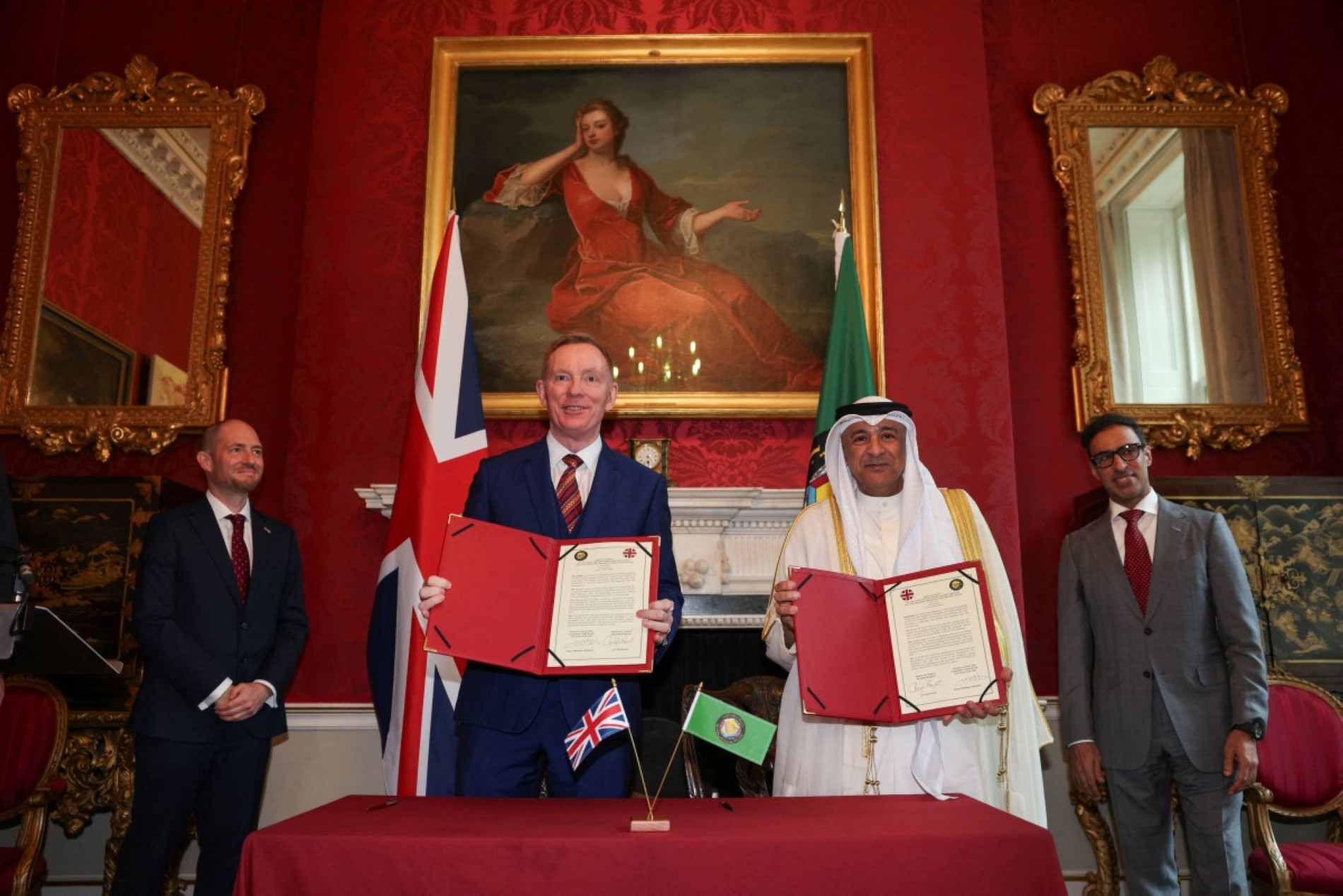
He also addresses the EU's diplomatic role on the Iranian nuclear file, the prospects for a region-led mediation process, and the long-delayed EU-GCC free trade agreement, which both sides have committed to reviving following their first-ever leaders' summit in Brussels in October 2024. Throughout, Di Maio makes the case for a deepening strategic partnership between Europe and the Gulf that extends well beyond trade.
This is the interview.
The latest escalation between Iran and Israel, after a fragile truce, raises the question: what kind of concrete support is the EU delivering to the Gulf?
Since the beginning of this war, European public opinion has been firmly supportive of our GCC friends, who were attacked in an unjustifiable manner by Iran. The EU convened an emergency meeting of EU-GCC foreign ministers, issuing a final statement affirming the right of GCC states to self-defence under Article 51 of the UN Charter. I then personally travelled the region to show solidarity, visiting each GCC capital, and was subsequently joined by both the EU High Representative for Foreign Policy and the President of the European Council.
Beyond symbolic solidarity, several EU member states provided bases, equipment, and in some cases military personnel in line with their bilateral defence partnerships. At the UN level, all 27 EU member states unanimously supported Resolution 2817, presented by Bahrain. We also fully support the ongoing US-Iran mediation, and I agree with President Trump that these attacks must stop.
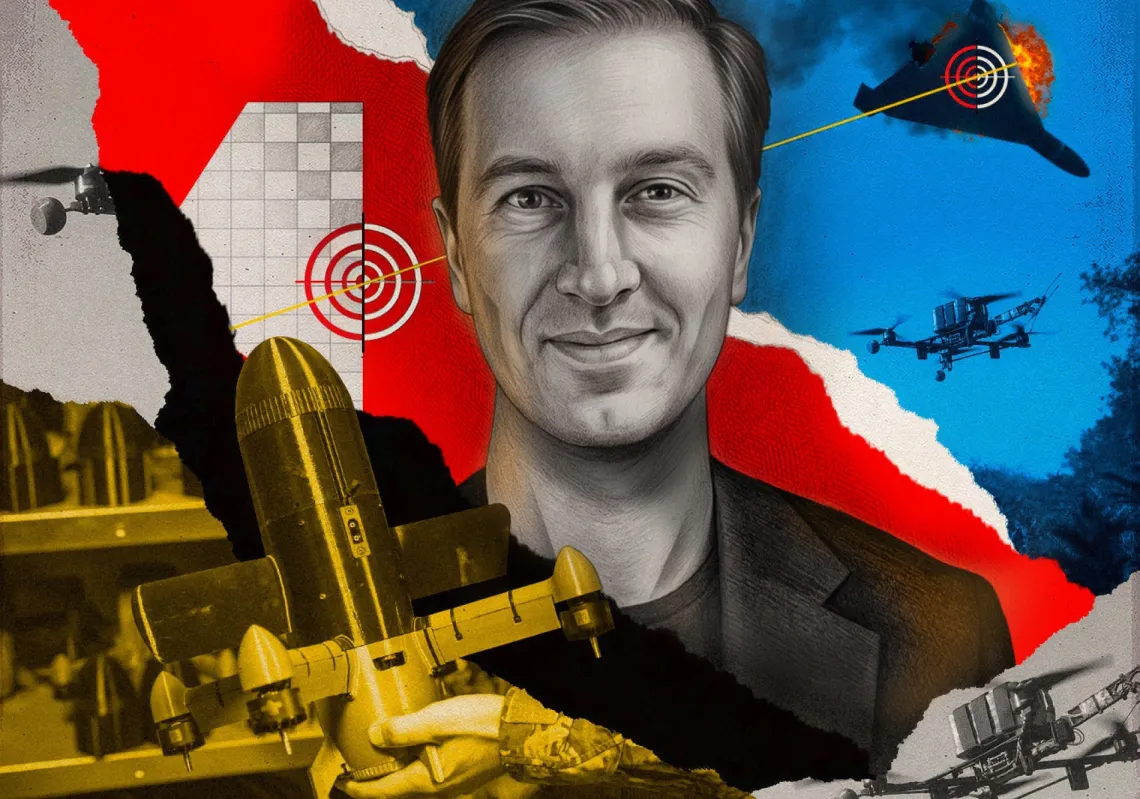
Some would point to Ukraine as a model. Ukrainian President Volodymyr Zelensky came to the Gulf and offered concrete expertise in countering Iranian drones. Are we talking about a similar defence deal or initiative from the EU side?
The EU does not have a European army, a unified defence system, or a single defence industry—that much is clear. But EU member states have already acted bilaterally, and it is worth noting that much of the Ukrainian drone-defence equipment now helping Gulf countries was developed in partnership with industries in EU member states.
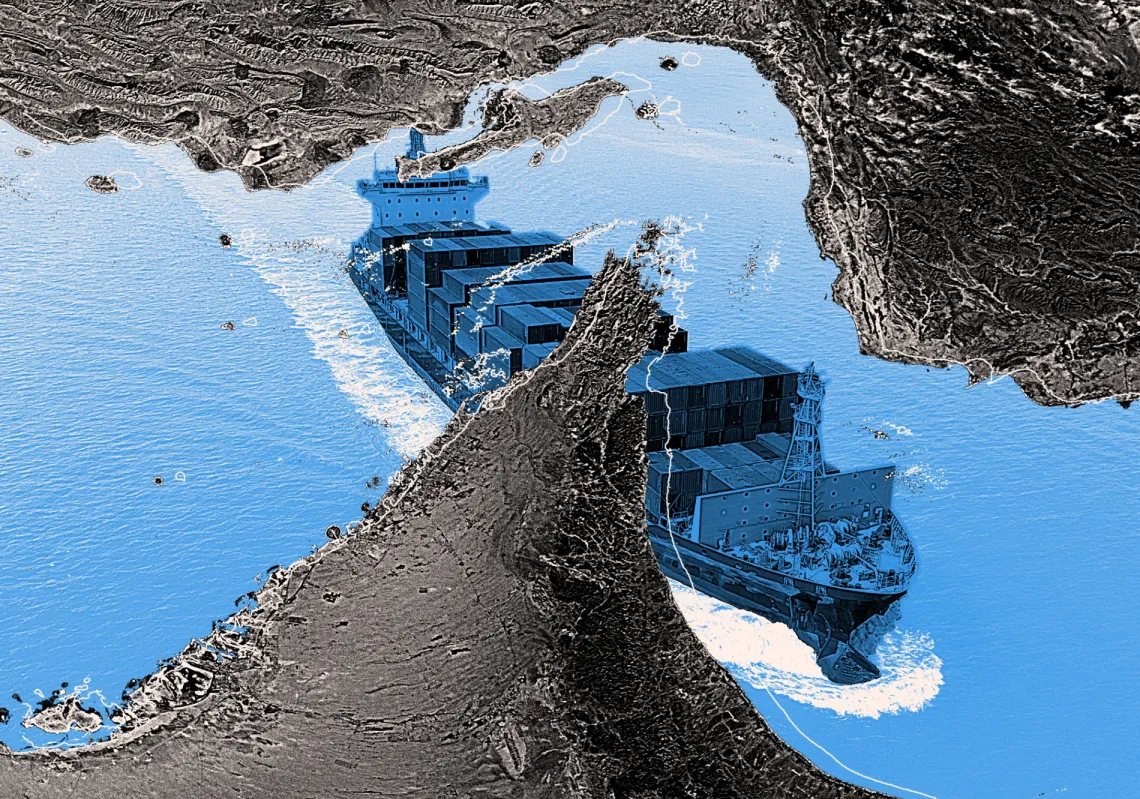
More structurally, the EU is currently negotiating a strategic partnership agreement with each GCC country individually, and each has submitted a letter expressing interest in including defence and security as a core chapter. In the shorter term, the EU has deployed two naval missions in the region—EU Aspidis, which defends commercial vessels from Houthi attacks in the Red Sea, and EU Atalanta. Both regions also share the same primary security partner in the United States, and our goal is to cooperate more as US allies, not to replace Washington.