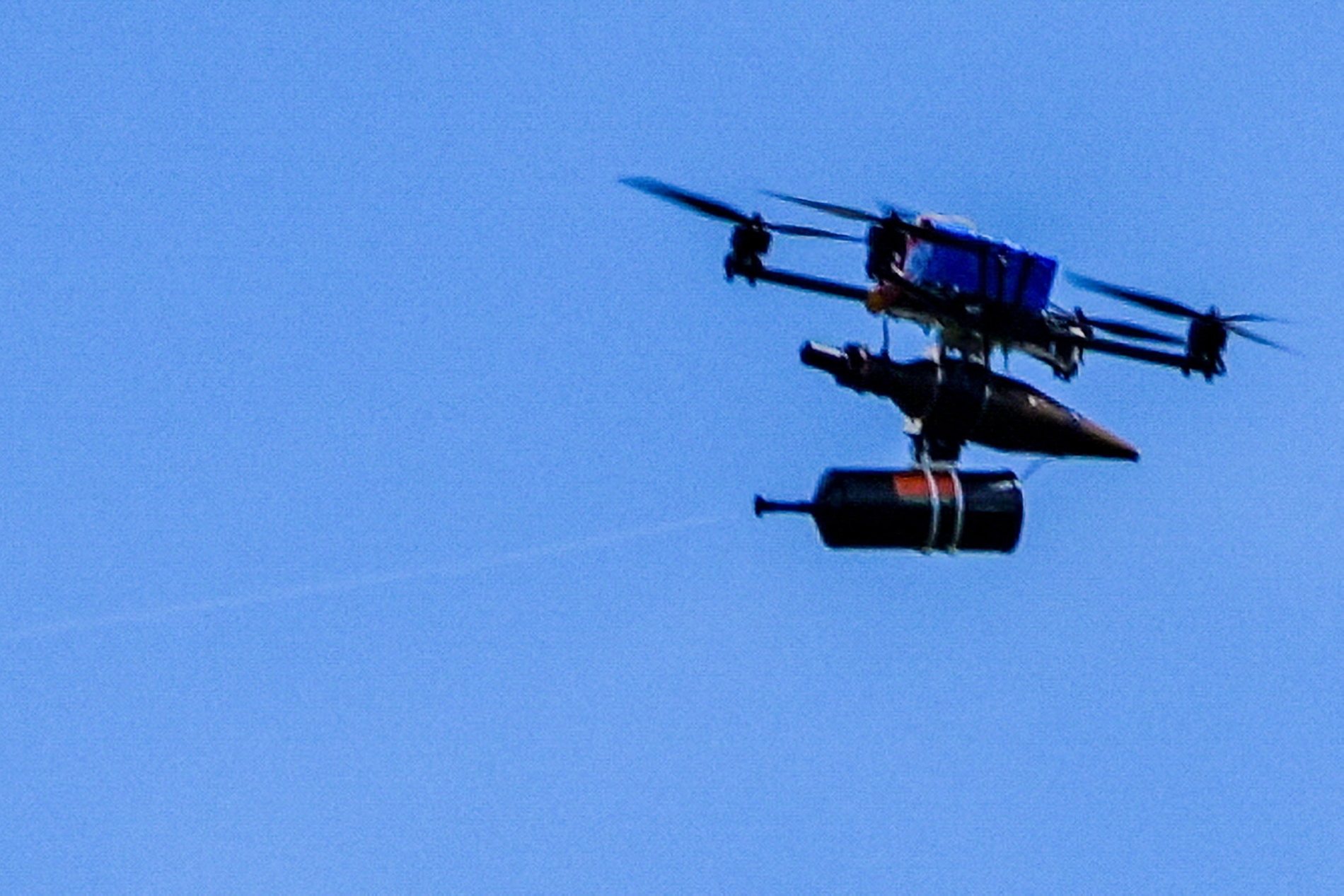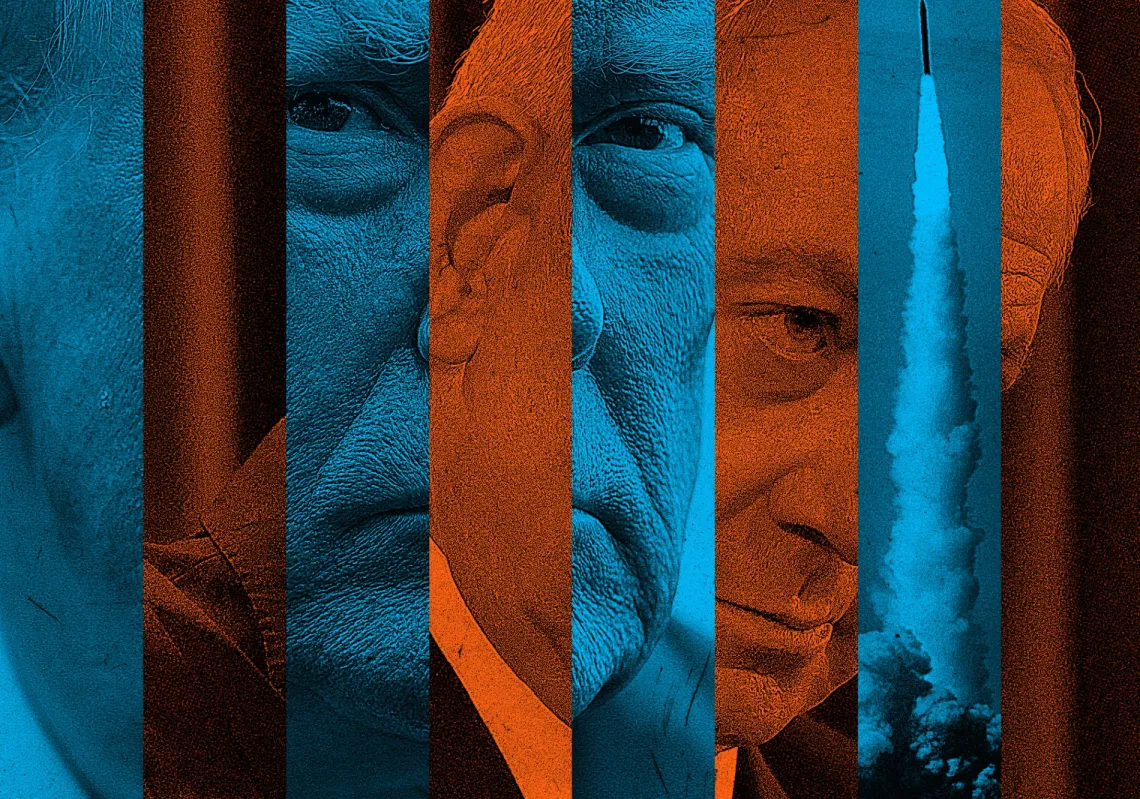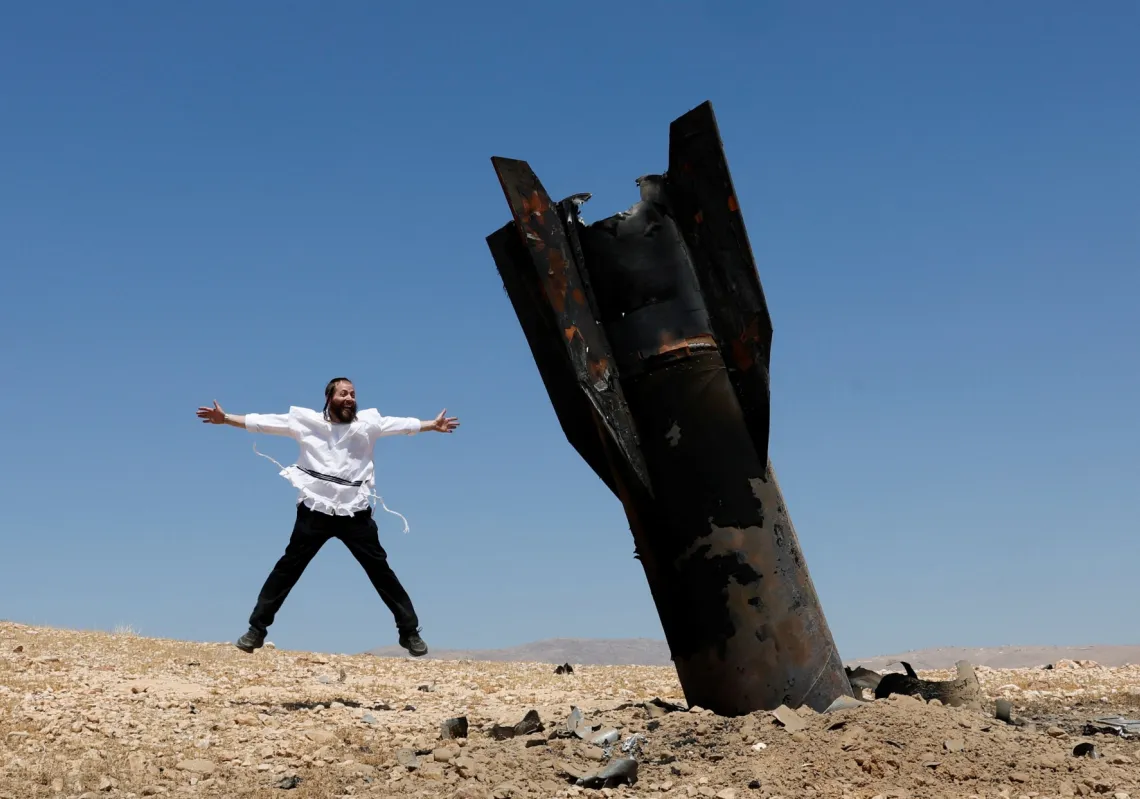

For some 12 hours on 7 June, fighting between Israel and Iran flared up as the two yet again traded missiles and air strikes. Then a tenuous calm was restored as Donald Trump, rather unconvincingly, insisted that “both sides, Israel and Iran, are looking to do an immediate CEASEFIRE?" The American president does not want to see a renewal of the war that America and Israel fought together against Iran for 40 days, which led to an unresolved blockade of the Strait of Hormuz and a spike in global energy prices.
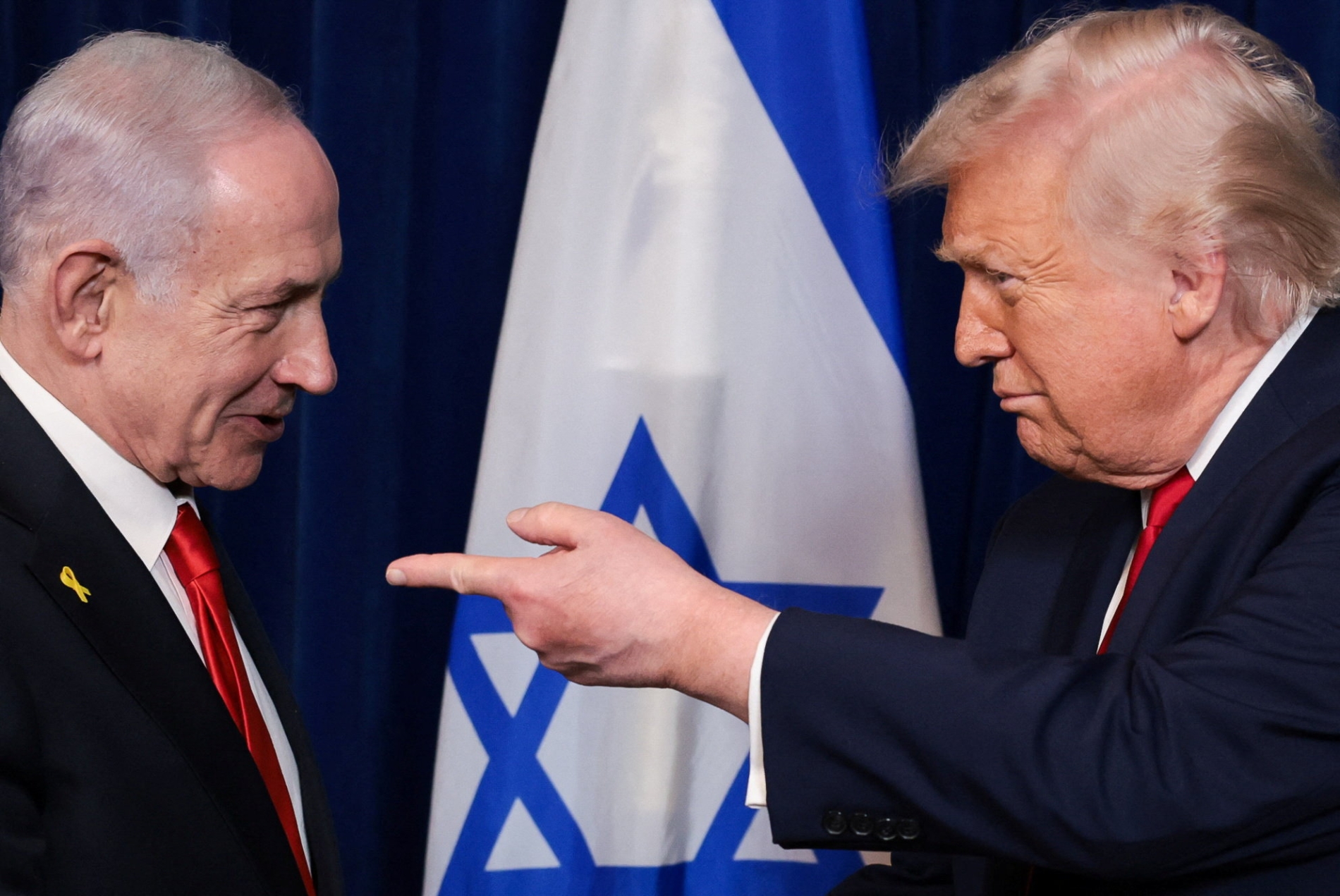
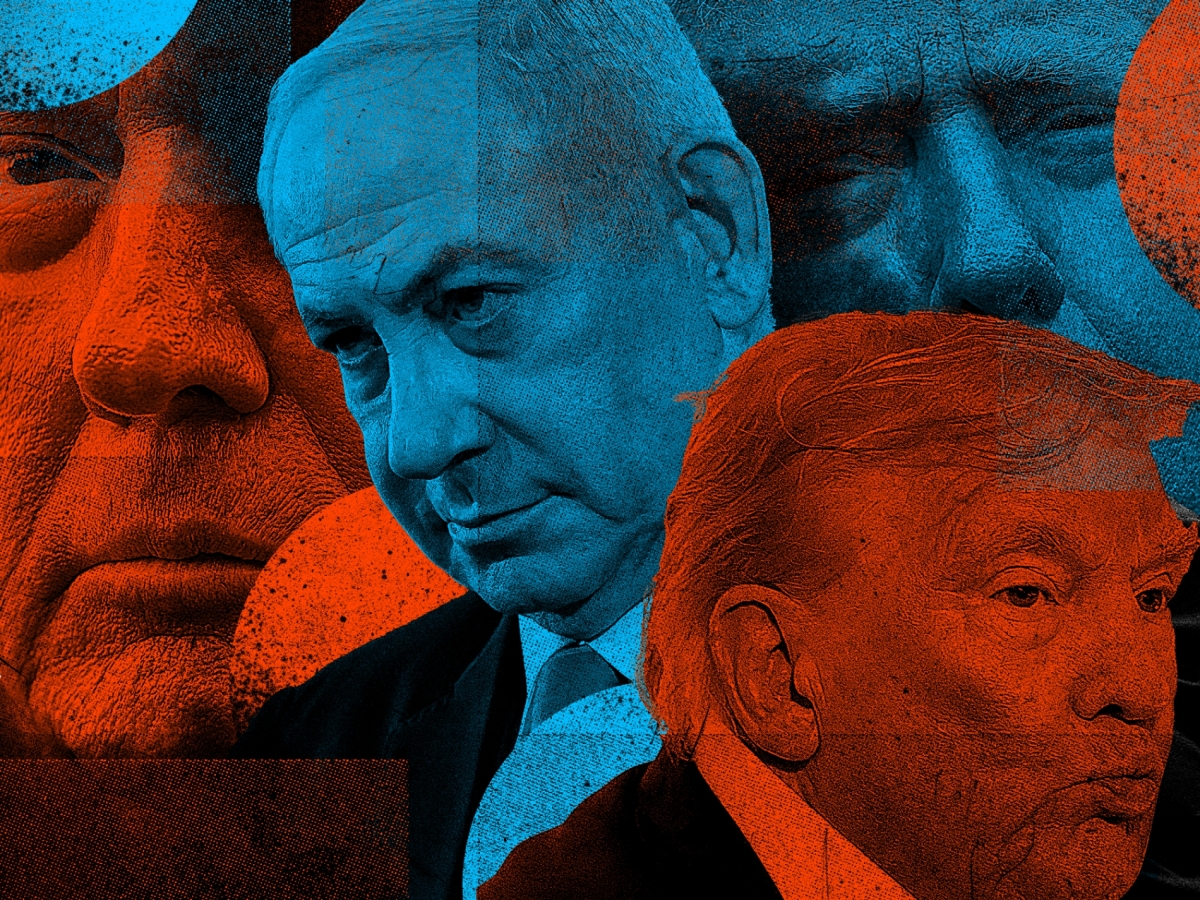
The temporary resumption of hostilities highlighted Mr Trump’s twin failures in controlling his Israeli ally and cajoling Iran to accept a lasting truce. Benjamin Netanyahu, Israel’s prime minister, has now defied the president twice in rapid succession. First, on 7 June Israel attacked Beirut, Lebanon’s capital, bombing what it claimed were offices of Hezbollah, the Shiite militia that is Iran’s most powerful regional proxy. Less than a week earlier Mr Trump had imposed a limited ceasefire on Israel and Hezbollah that prohibited Israel from striking Beirut. Israel claimed its bombs were responding to Hezbollah rocket attacks.
Iran then sprang to Hezbollah’s defence, firing a salvo of 11 missiles towards northern Israel, but failing to cause any damage. Mr Trump thought this was enough, telling a reporter at Axios he was “going to call Netanyahu right now and tell him not to strike back”. Instead, Israel’s prime minister ignored the president’s instructions for a second time. Israeli fighter jets launched ballistic missiles at Iran, and Iran struck back.
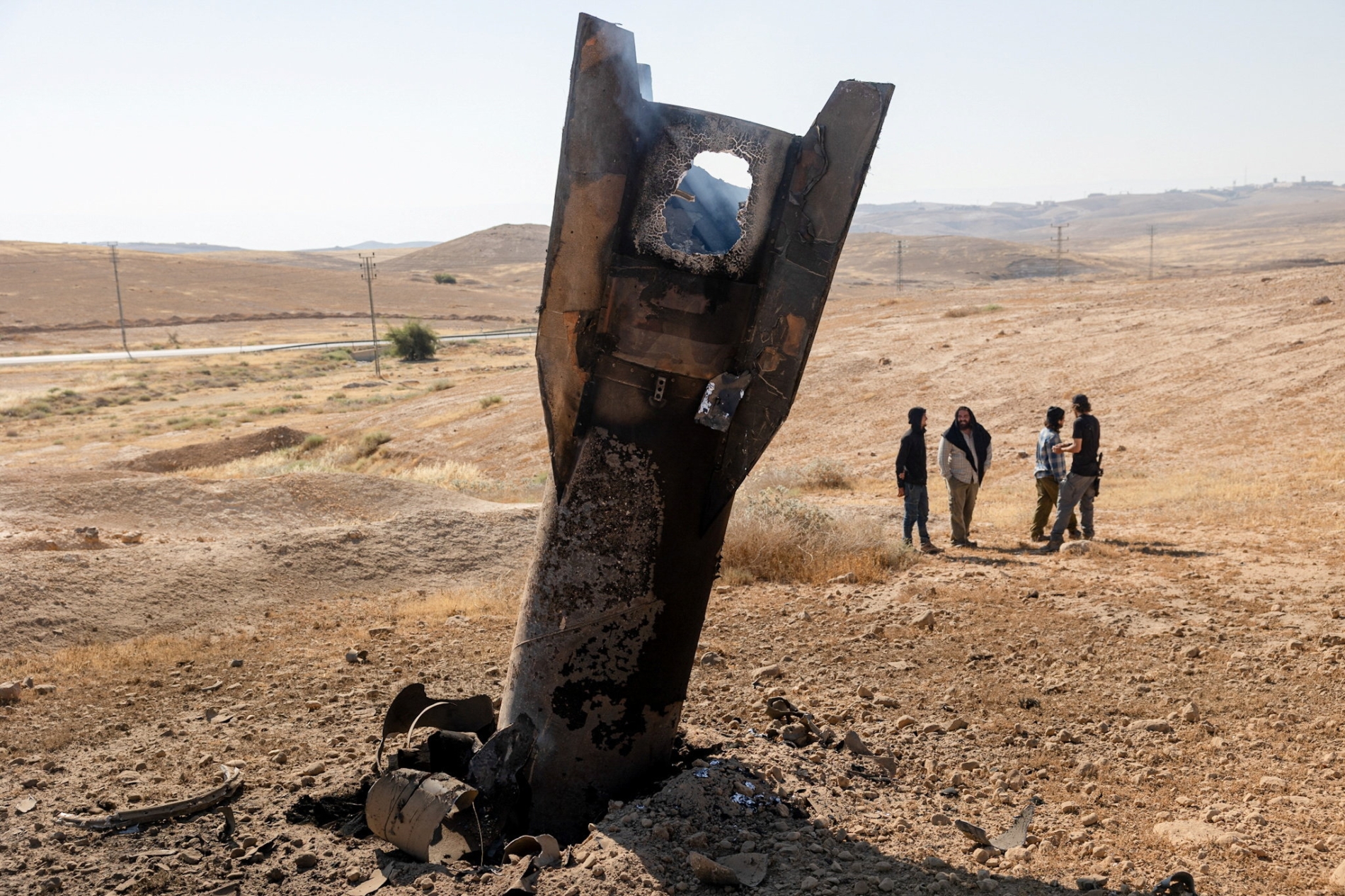
Both countries have now made their point. Iran is unwilling to abandon Hezbollah, which it helped found in 1982 and in which it has invested billions of dollars. The militia remains one of the most important means through which it can project power regionally. Israel, which now occupies a swathe of southern Lebanon, is determined to keep battering it. For decades the two countries fought a shadow war in which direct attacks were taboo. Today, both are prepared to resume firing and risk another conflagration to prove a point.
All this leaves Mr Trump with a dilemma. He has already tried and failed to impose ceasefires on Israel, in both Lebanon and Iran. He has frozen it out of the negotiations with Iran that are being brokered by Pakistan and other intermediaries. But leaving his partner-in-war out in the cold has not worked. After Iran’s latest salvo, the president claimed that Mr Netanyahu would have no choice but to accept any deal he reaches with Iran: “I call all the shots. He doesn’t call the shots,” he told the Financial Times. And yet Mr Netanyahu kept shooting.