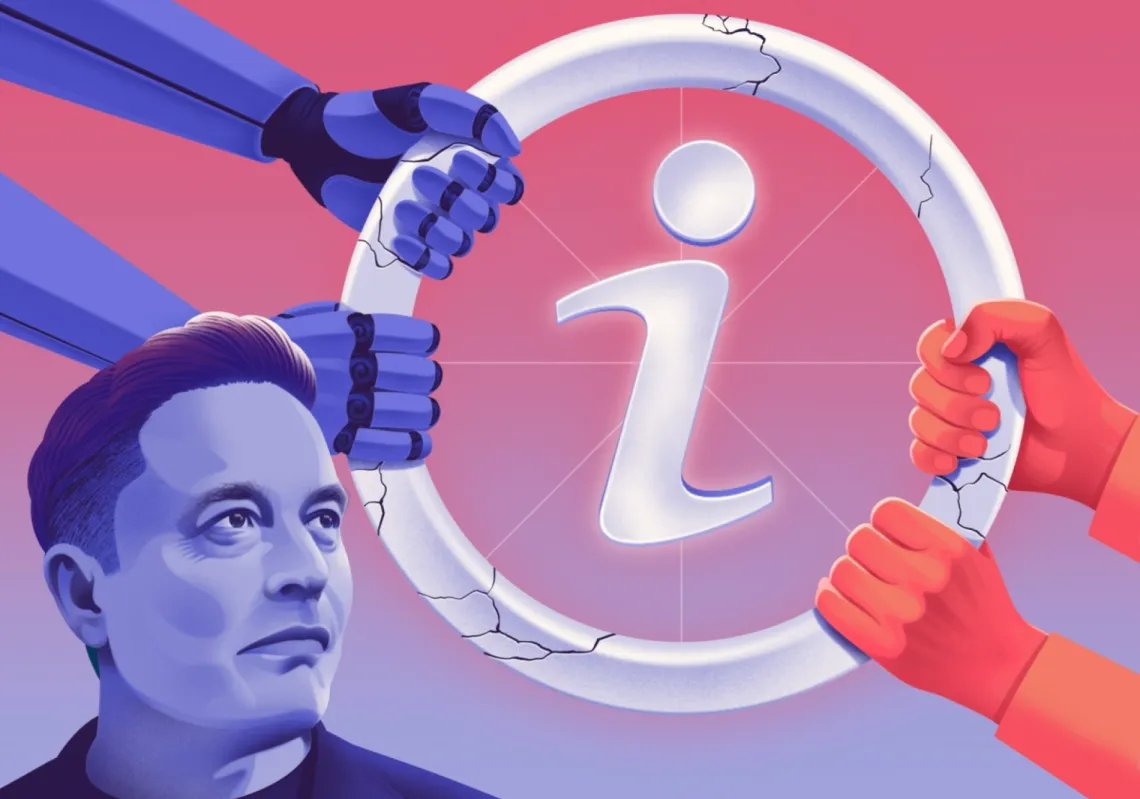

Only months ago, Elon Musk was treating Anthropic as both a moral and commercial adversary. He mocked the company in public, derided its name, and dismissed its direction as a contradiction of the human-centred values it claimed to champion.
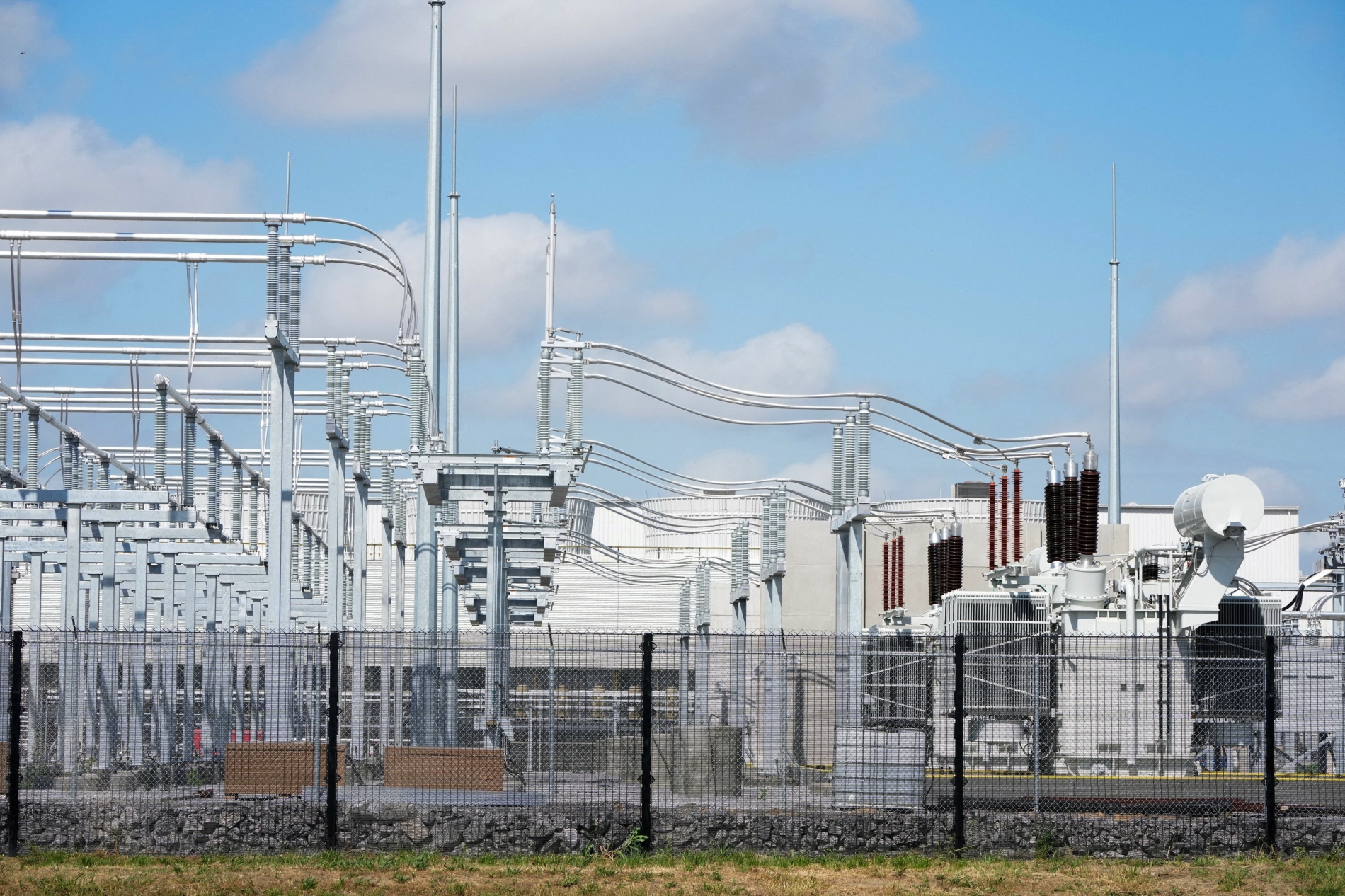
Today, Anthropic is buying vast computing capacity from him through xAI, drawing on the Colossus 1 facility in Memphis, a site equipped with more than 220,000 Nvidia graphics processing units (GPUs) and over 300 megawatts of power. Both sides have reached the same conclusion: the AI market has become too tight, too resource-hungry, and too strategically constrained for old rivalries to dictate business decisions.
Claude, Anthropic’s flagship model, has become one of ChatGPT’s strongest competitors, particularly in coding and enterprise work. Its success, however, has created a new problem: demand is now rising faster than the company can expand the computing power required to sustain it. Users want higher limits, companies want reliability and speed, and Anthropic needs data-centre capacity, chips, and electricity at a pace the market cannot easily provide. In this environment, Musk has emerged as the owner of precisely the infrastructure Anthropic needed.
For Musk, the deal is about more than leasing computing power. It is an attempt to prove that xAI can be more than just a firm building a model like Grok. It can become an infrastructure platform for the AI industry itself. Even if Musk does not win the race to build the smartest model, he can still profit from the race to run those models. Whoever controls the chips, the power, and the data centres can sell to everyone, including yesterday’s critics.
The scale of the agreement has also come into sharper focus. Reports suggest that Anthropic will pay xAI around $1.25bn a month to use Colossus capacity until May 2029. That figure moves the deal far beyond a temporary fix for a capacity crunch. It marks a long-term commitment and underscores how computing power itself has become the central battleground of the AI market.
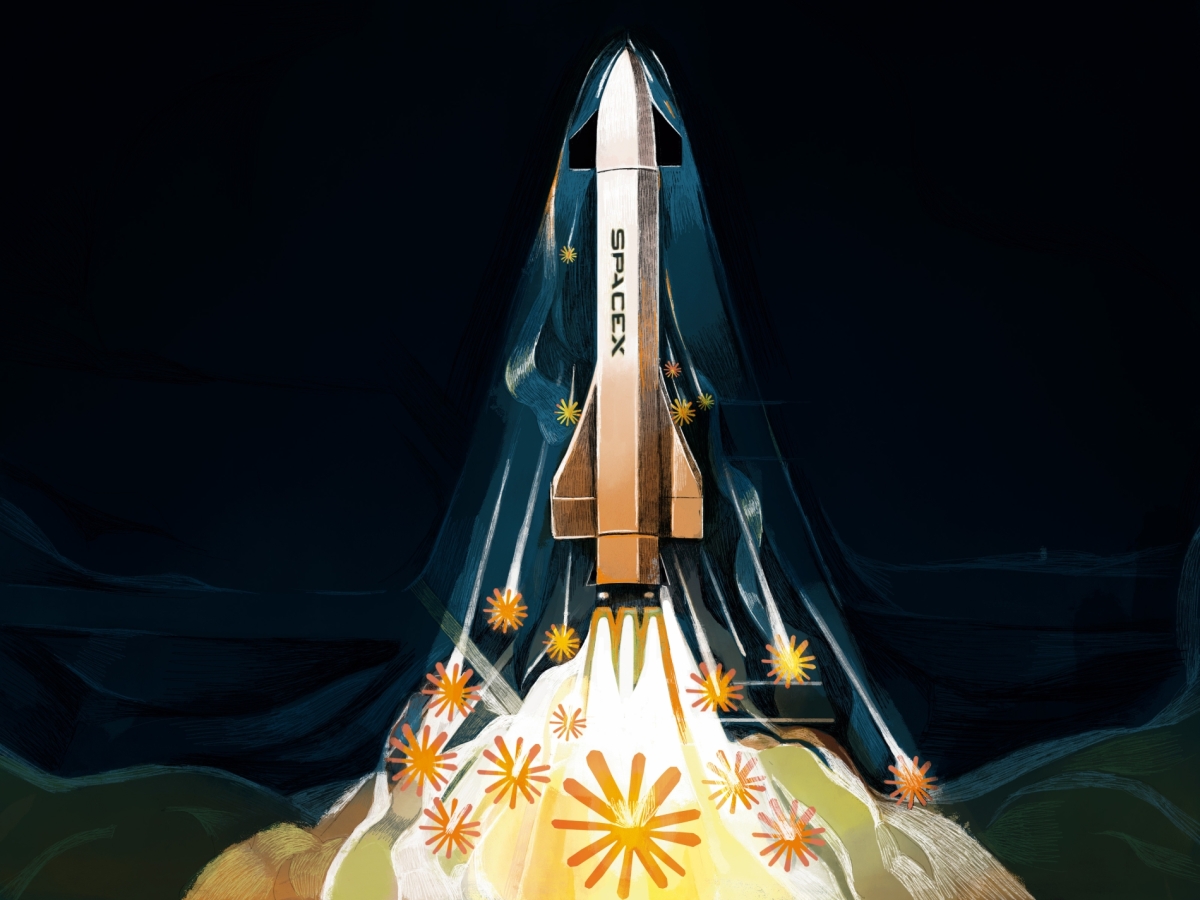
The story also extends beyond a data centre on Earth. Anthropic has shown interest in orbital data centres, shifting part of AI computing into space, with potential capacities measured in gigawatts. The idea serves both sides. Anthropic is seeking a long-term escape from energy and compute bottlenecks, while Musk aims to make space a natural extension of his AI ambitions. The question is no longer simply who owns the smartest model, but who owns the factory that runs it.
Why Anthropic needed Musk
The strain was clearest in capacity restrictions. Before the deal, Anthropic had been tightening usage limits during peak hours, particularly between 5am and 11am Pacific Time. Around 7% of users were affected, especially Pro subscribers who depend on Claude for long, intensive tasks. The percentage may appear small, but it matters commercially: this group includes developers, professionals, and firms that use Claude as part of their daily workflow, not as an occasional experiment.
The greatest pressure came from Claude Code. Programming is rarely a brief question-and-answer exchange. It involves long files, extended contexts, code review, repeated modifications, and the operation of intelligent agents within the project itself. Claude Code, therefore, consumes far more computing power than is required for ordinary use. Anthropic had been relying on a usage limit system built around a five-hour window. After the SpaceX deal, the company announced that it would double Claude Code limits for Pro, Max, Team, and Enterprise users, remove peak-hour restrictions for Pro and Max users, and substantially raise API limits for Claude Opus models.
The broader numbers explain why Anthropic was pushed towards such an arrangement. The company says its projected annual revenue has exceeded $30bn, up from around $9bn at the end of 2025. The number of enterprise clients spending more than $1mn a year on its services rose from more than 500 in February to more than 1,000 in nearly two months.