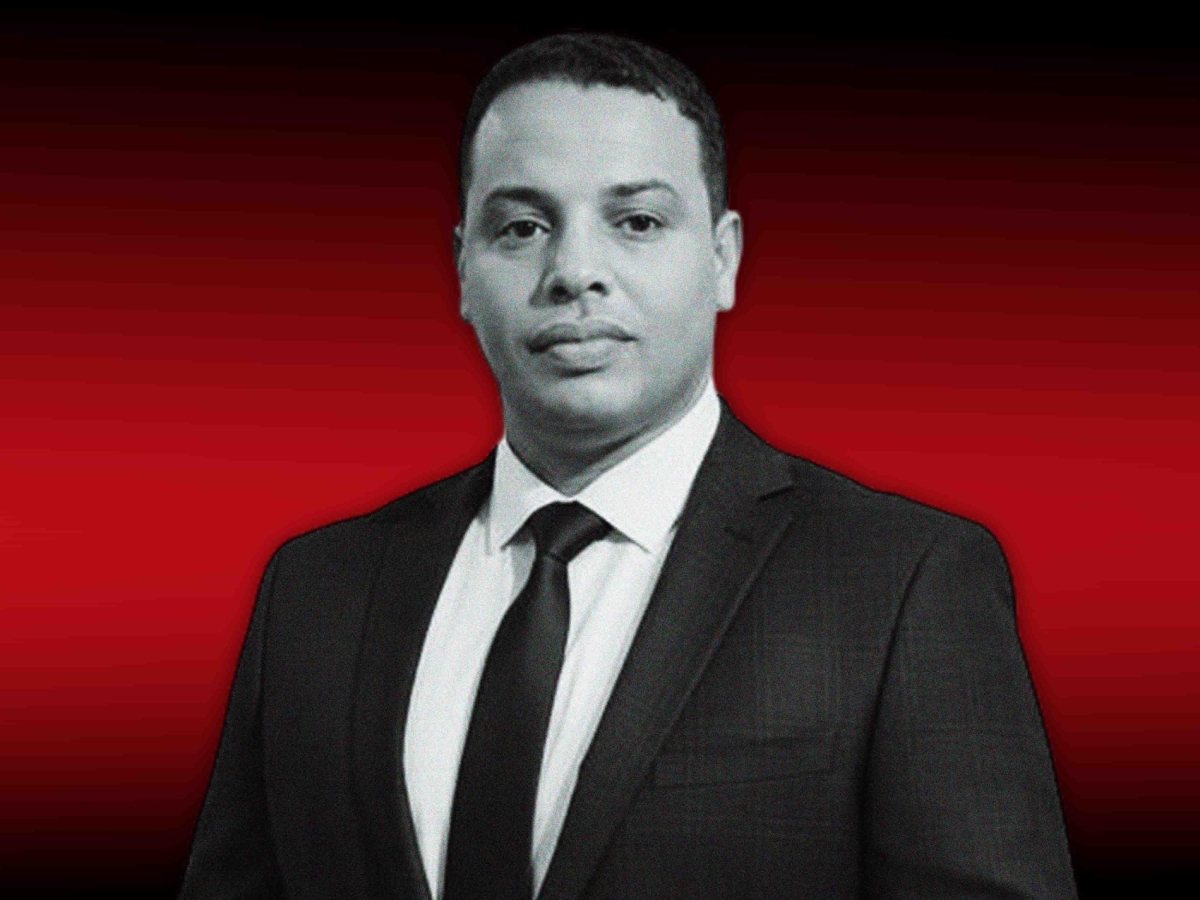

In nearly ten books devoted to rhetoric, narrative and poetics, Moroccan scholar Mustapha Rajwan has explored how texts persuade, imagine, and generate meaning. In his work, he has examined narrative, rhetoric, and dialogue, as part of his wider focus on language, reason, and capacity, with reference to the great Greek thinkers such as Plato, Socrates, and Aristotle.
His latest book is Plots and Characters: The Rhetorical-Argumentative Approach to the Arabic Novel. This won him the Sheikh Zayed Book Award in the Young Author category at its 20th edition in 2026. It was the latest distinction, having already won the Al-Babtain Prize for Poetic Creativity for best book in poetry criticism, along with awards in linguistic studies, poetry criticism, and children’s literature. He spoke to Al Majalla. Here is the conversation:
How does your book Plots and Characters approach rhetoric as a vital instrument for reading modern narrative?
When we speak of ‘the rhetoric of narrative,’ we are not referring primarily to the categories of classical Arabic or Aristotelian rhetoric, such as concision, metaphor, argumentation and antithesis. These components may be summoned whenever the narrative text under study calls for them.
The rhetorical approach deals with the familiar narrative components known to classical narratology, such as the beginning, character, point of view, narrative vision and narrator, yet it approaches them from its own perspective. Classical approaches tended to concentrate on a single element: the text, the author, the reader, or the context.
The rhetorical approach considers all these elements through their interaction. It studies the choices an author makes in seeking to affect an implied reader, in a given context and towards a given end. In its realised form, the narrative text is designed to influence the readers the author has in mind.
Authors choose textual elements to elicit responses from their readers: to draw them into the fictional world and to move them emotionally, ethically, and intellectually. The rhetorical approach also holds that narrative advances through the text via textual dynamics, while advancing in parallel through the reader’s responses via readerly dynamics, with the reader functioning as one of narrative’s driving forces.
What theories and foundations did you rely on when establishing a dialogue between the Arabic rhetorical heritage and Western critical thought in the same book?
The rhetoric of narrative is rooted in a long rhetorical tradition. Indeed, in its earliest formulations, literary criticism approached narrative through rhetoric. The discussion begins with Plato, in The Republic and Ion, and develops through Aristotle’s Poetics, a work far more attentive to the rhetoric of narrative than common assumptions allow. The neo-Aristotelians later revived Aristotle’s poetics and joined it to rhetoric.
Wayne Booth’s seminal The Rhetoric of Fiction appeared in the 1960s; Seymour Chatman then helped consolidate the rhetorical approach to narrative through a series of important interventions, before it reached fuller articulation with James Phelan and Peter Rabinowitz.
Argumentation forms part of the rhetorical approach to narrative. I returned to Hazim al-Qartajanni’s ideas on the use of argumentation in reading Arabic poetry, shaped as they were by Aristotle’s Rhetoric. These figures share a return to Aristotle, from which each developed a critical vision suited to reading the genres of his own age with new critical instruments.
You have said that your book forms part of a larger research project and that you will soon publish a new book within the same project. What is the nature of this project, and what is your ambition for it?
Rhetoric and criticism are part of a larger project: interpretation. I cannot imagine a great reading that is not interpretive. Nor can I imagine writing that does not belong to a project animated by the restlessness of the question. At times, I sharpen the theoretical tools; at others, I read the texts. Tools were created to serve texts, and the greatest service one can render to a text is to interpret it, to breathe life into it anew each time.
Which texts?
All of them: old and new, poetry and prose, every kind of narrative, the Koran, and all the productions of culture.
In your view of contemporary literary production, has Arabic rhetoric declined from the heights it once occupied in earlier eras?
Comparison is a perilous trap, and an injustice to the new rhetoric. Arabs are naturally inclined, in almost every field, to look back with longing at a venerable past.
Classical Arabic rhetoric performed its role in keeping with the questions of its age, its temperament, and its literary and discursive genres. Arabic rhetoric today has its own remarkable vitality. The new Arabic rhetoric retrieves the old, revives it, and reveals its hidden energies. The debt between them is deep and reciprocal.
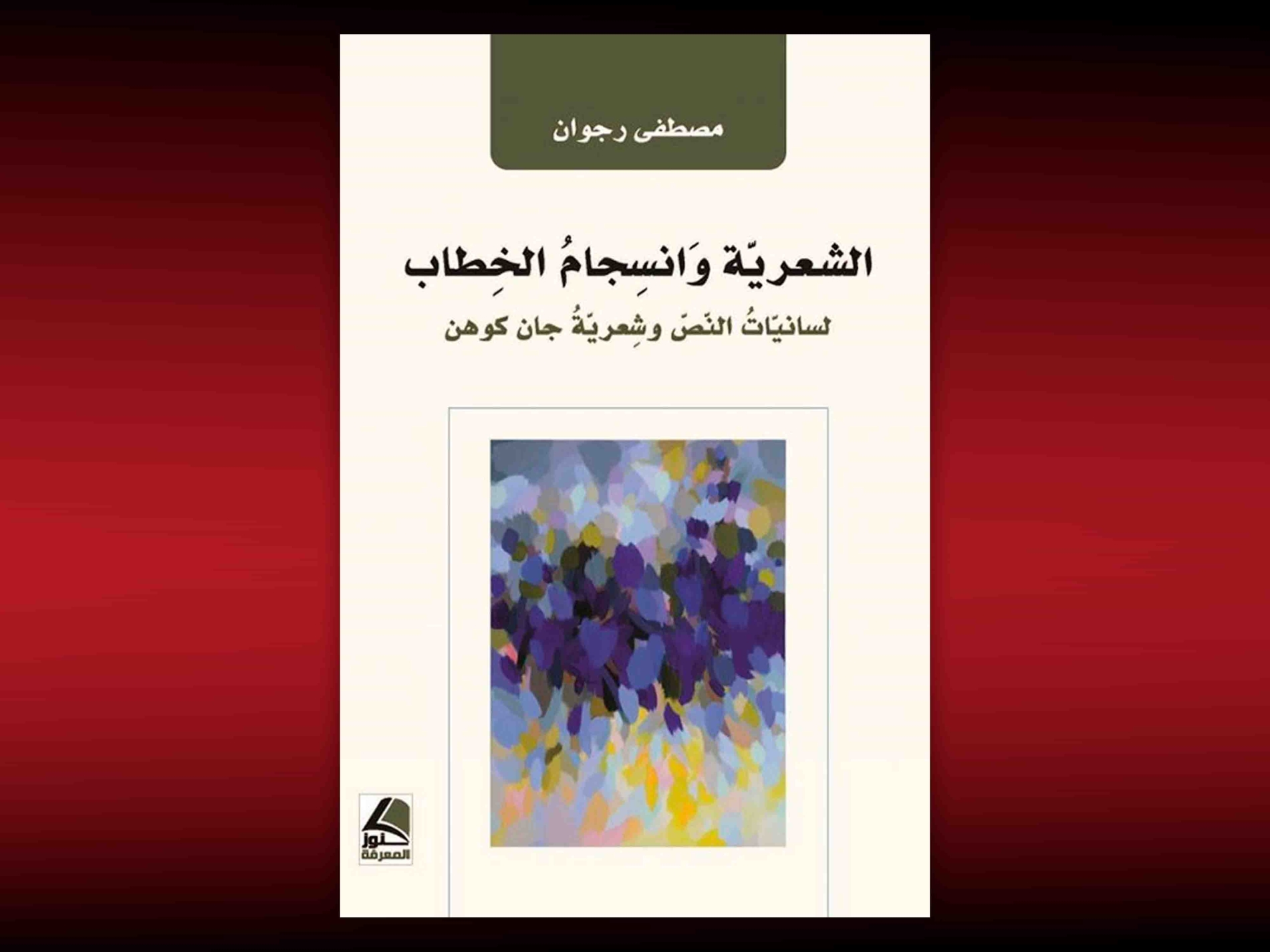
Why did you choose to address the experience of the French philosopher and poet Jean Cohen in your book Poetics and the Coherence of Discourse?
At the time, I was reading about text linguistics and the concepts of cohesion and coherence. I had read the linguistic foundations usually applied to simple texts drawn from everyday life, yet I was troubled whenever I encountered studies that arbitrarily applied the mechanisms of text linguistics to poetic texts, merely for the sake of applying the tool.