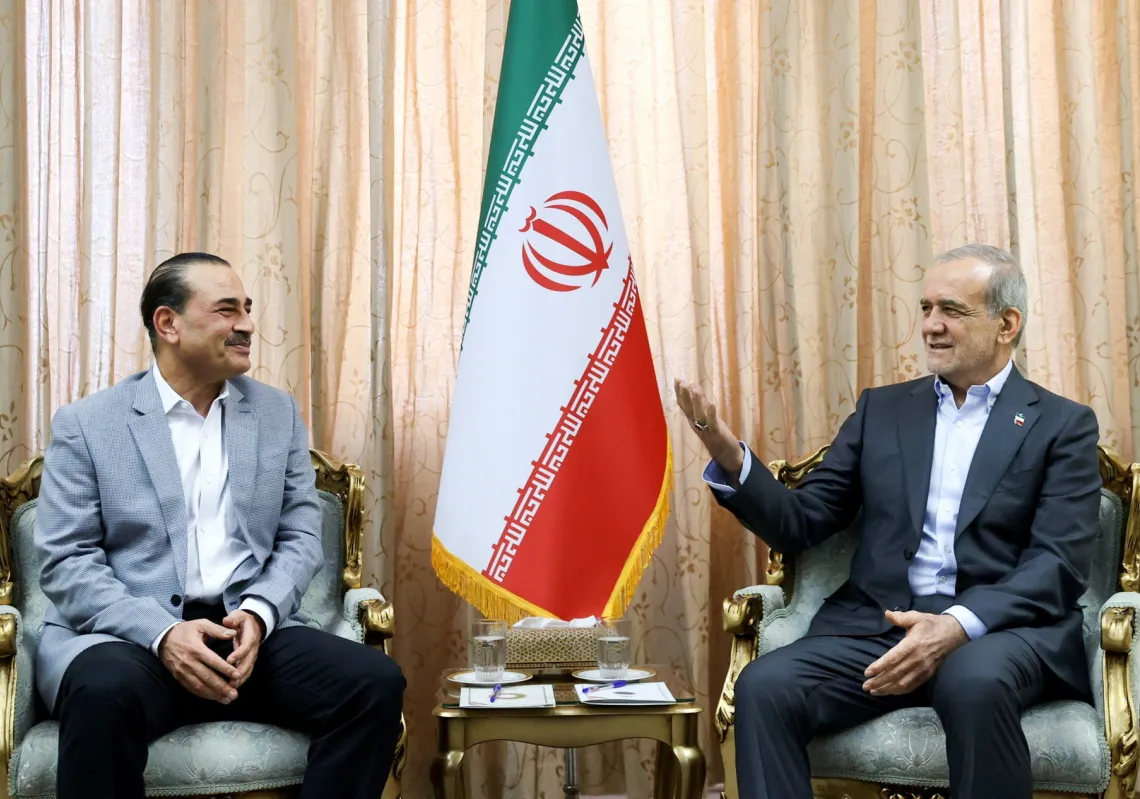

Deal or no deal? That has been the central question looming in the standoff between Iran and America since a fragile ceasefire was announced on 8 April before being extended indefinitely by US President Donald Trump weeks later. There has been a flurry of diplomacy, leaks, and mixed messages about the US-Iran talks mediated by Pakistan and, most recently, Qatar.
Barbara Leaf, a former top State Department official for the Middle East, described the confusing back-and-forth of this past weekend as a “cacophony of discord”. It is difficult to know if this diplomacy might produce results or whether this is just a temporary pause before another round of war, but the mounting economic damage in both Iran and around the world is incentivising the participants, as are threats of further damage to regional infrastructure such as energy production sites and desalination plants. These high costs help explain why the belligerents have not slipped back into war.
Trust and confidence
Performative diplomacy by America and Iran adds to the confusion. The total absence of trust and confidence between the two main parties is the fundamental stumbling block. It is near impossible to achieve a lasting diplomatic deal on key issues that have plagued the relationship for decades, such as Iran’s nuclear programme, its missiles, and its support for regional partners like Hezbollah and the Houthis, along with Iran’s own demands for sanctions relief and the release of its frozen assets. Since March, there has been another factor, too: Iran’s control over the strategic chokepoint of the Strait of Hormuz. Combined, it makes the diplomatic agenda daunting.
Within this, commentators churn out predictions and analysis based on partial information, mostly generating more heat than light and reinforcing past battlelines in the policy and political debates. In America, new fractures surfaced, including a caustic public exchange between Trump’s first-term Secretary of State Mike Pompeo and Trump’s current White House communications director Steven Cheung. The former criticised a possible US-Iran deal based on its rumoured contents, prompting the latter to issue a less-than-courteous reply.
Changing reality
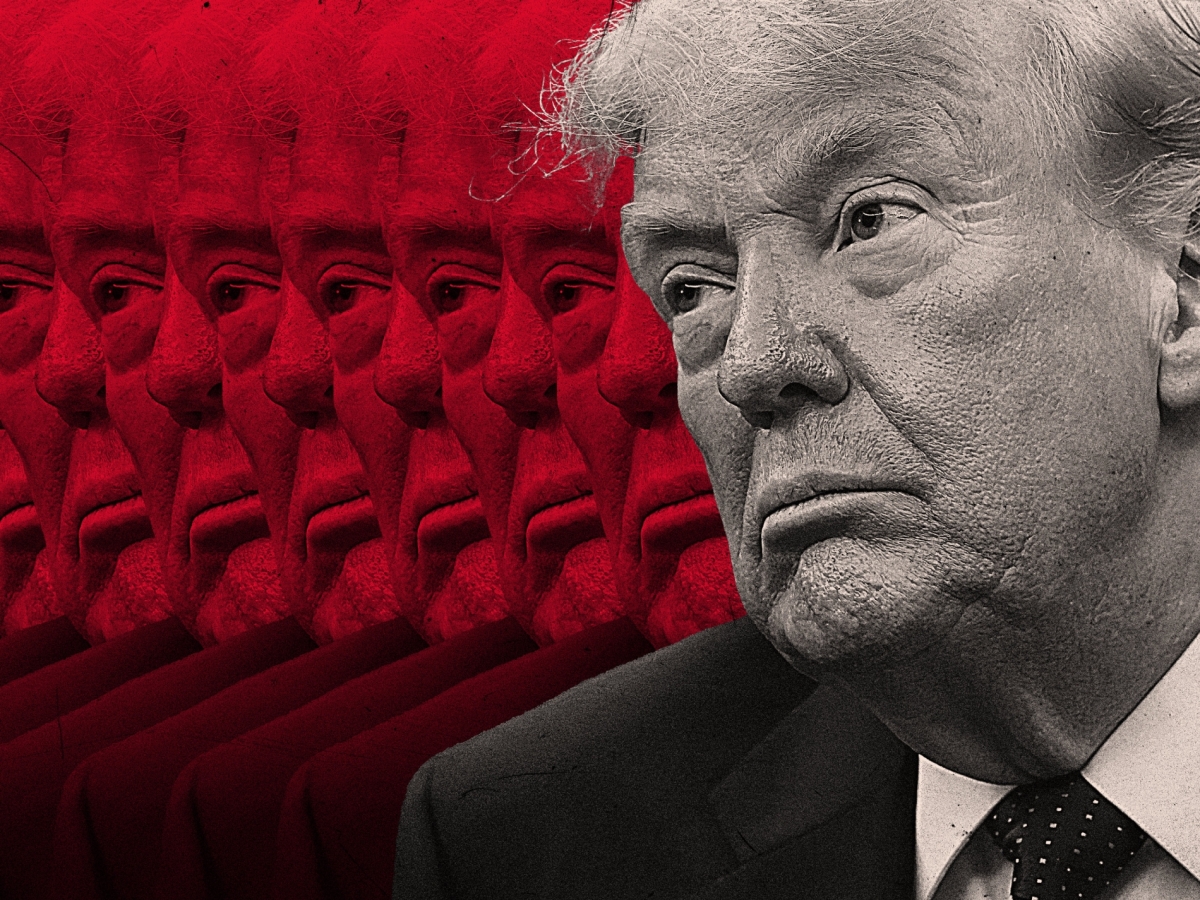
Most analysts are waiting to see what transpires, with some observers like American Prof. Daniel Drezner suggesting that there is “really no point in further analysing any Iran deal until the actual details are published”. The often outlandish statements emanating from both the Iranian regime and the Trump administration do not help. Powerful leaders can seek to change reality with their words and this invites inaccuracy. This is never truer than with Donald Trump, who uses performative diplomacy such as bold assertions or confrontational threats to achieve results.