Britons seem fed up with establishment parties after Labour's disastrous performance in this week's local elections, and the Tories' similar failure two years ago
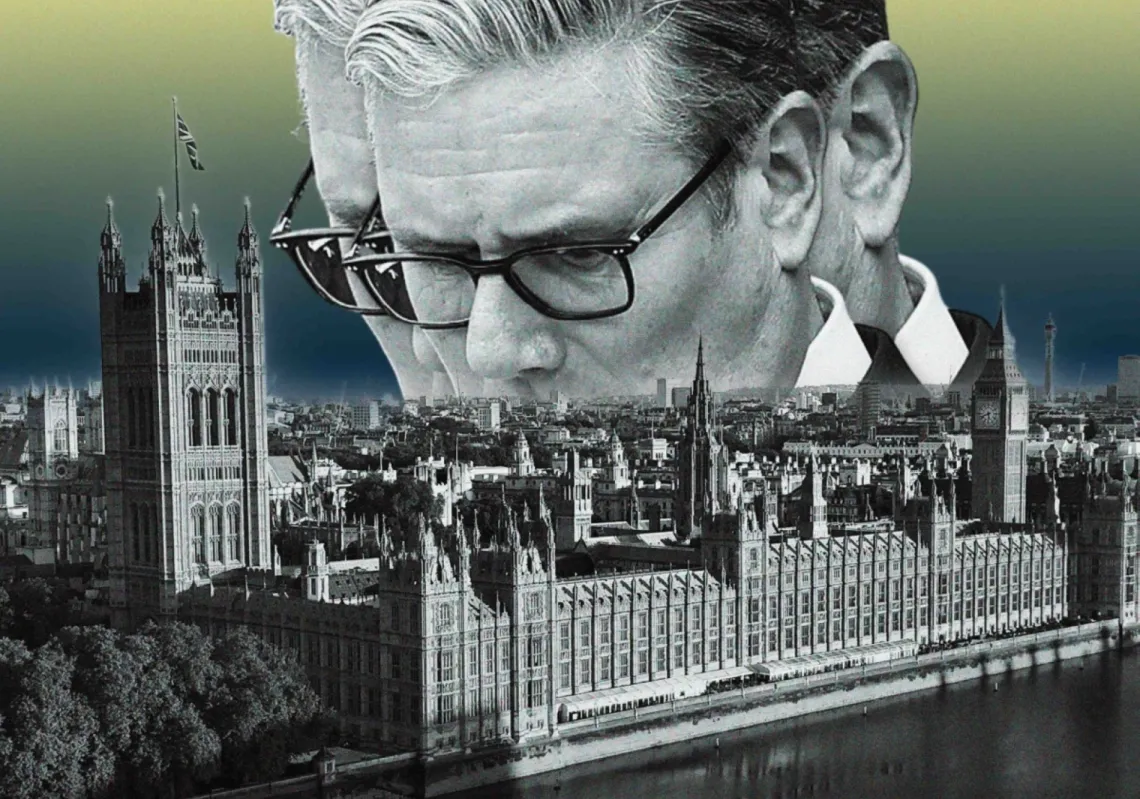
The catastrophic defeat suffered by the UK’s ruling Labour Party in this month’s local elections has not only raised doubts about Prime Minister Sir Keir Starmer’s ability to remain in office.
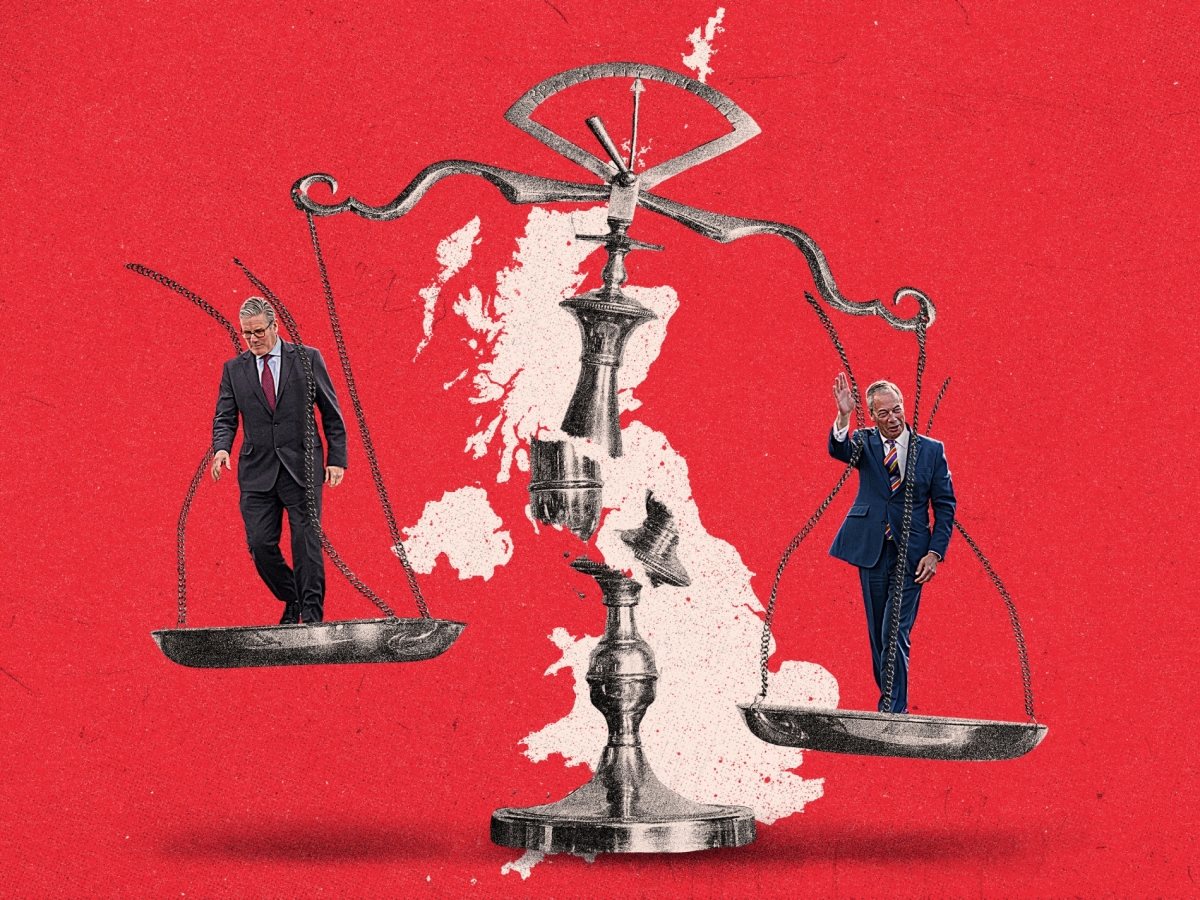
The scale of the defeat has prompted concerns that the result could spell the end of the two-party system that has dominated British politics for decades, with the rival Conservative and Labour parties seemingly unable to secure sufficient votes to form a government.
The two-party arrangement, which many constitutional experts believe is a vital component in maintaining stable government in the UK, now faces its biggest ever threat after both Labour and the Conservatives saw their standings significantly diminished as a host of new parties emerged to challenge the UK’s long-established political orthodoxy.
By far the most striking development from the local election results was the emergence of Nigel Farage’s Reform party as the biggest winner in terms of new seats gained throughout the country, while Starmer’s ruling Labour party was roundly rejected by voters across England, Wales and Scotland.
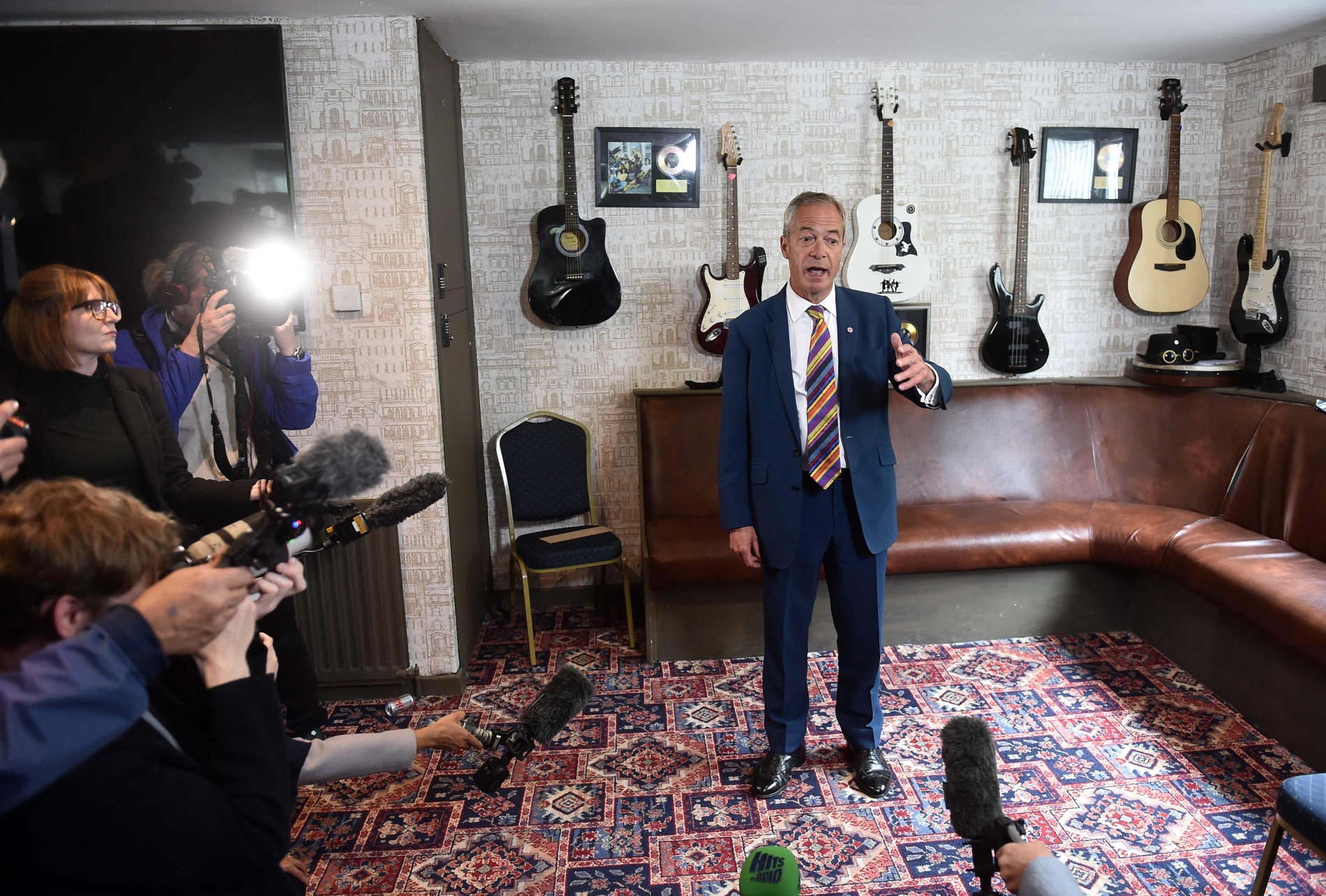
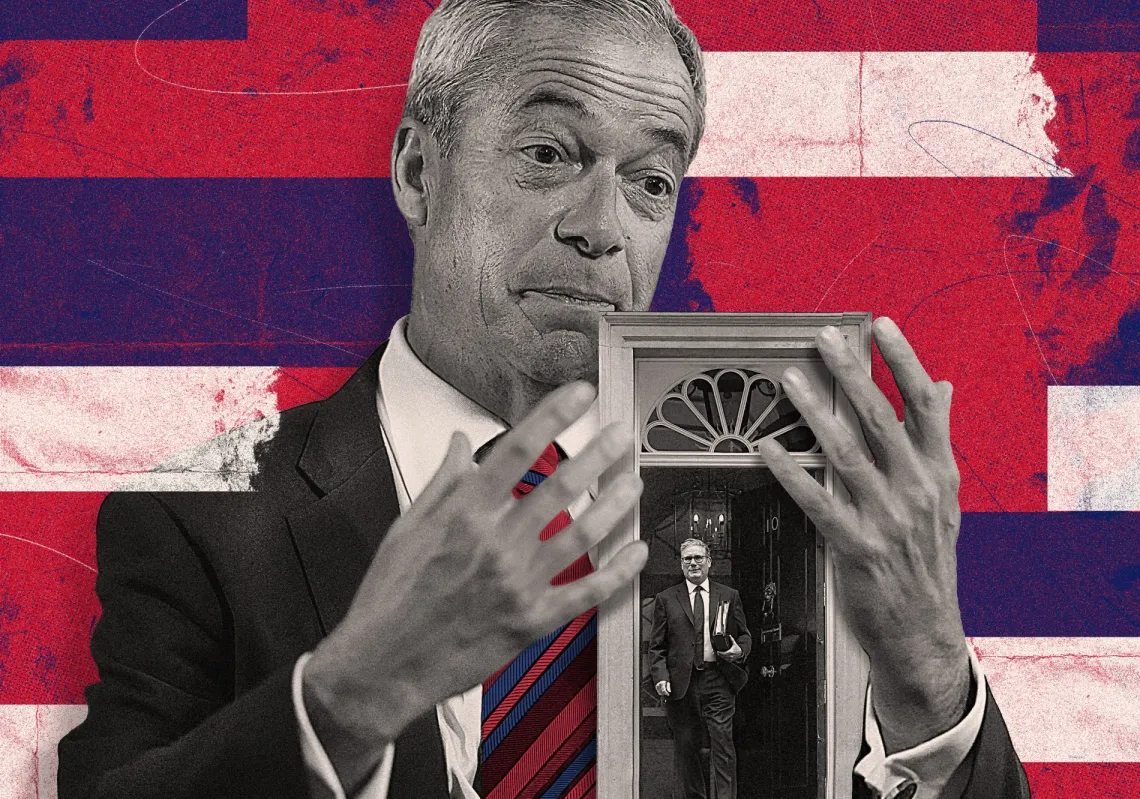
Reform UK leader Nigel Farage speaks at the Dam Bar & Grill in St Helens, north west England, on 8 May 2026, as votes continue to be counted following local elections.
Apart from Reform, other minority parties that did well included the Greens, which took control of a number of councils, especially in London, the pro-independence Scottish National Party, which looks set to be the dominant force in the Scottish parliament, and the Welsh Nationalist Plaid Cymru, which seized control of the Welsh Senate, of Senedd, from Labour, which has been the dominant force in Welsh politics for a decade or more.
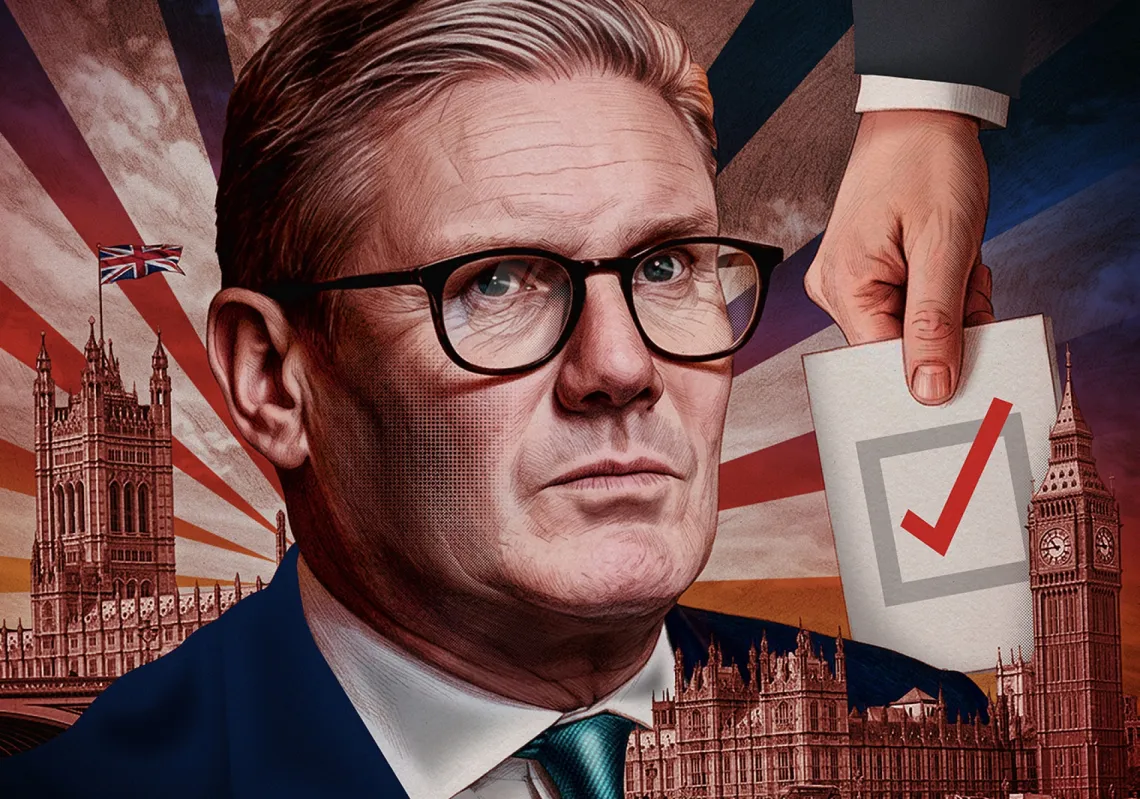
As Sir John Curtice, one of the UK’s foremost political analysts, commented after the local election results in early May, the outcome has confirmed that Britain has entered an unprecedented era of multi-party politics. Curtice pointed out that if the local election results were replicated at the next UK general election—which is due in 2029—Reform would come first with 26% of the vote, while the Greens would finish second with 18%. The Conservatives and Labour would be left with just 17% each, reducing them both to the status of fringe parties
Local election results have confirmed that the UK has entered an unprecedented era of multi-party politics.
Sir John Curtice, UK political analyst
Compare this with the result of the 2024 general election, when around three in five people voted either Conservative or Labour, and it is clear a remarkable change is taking place within the established structure of British politics.
Reasons for decline
Many factors have contributed to the decline in the standing of both the Conservatives and Labour, but the most powerful reason so many ordinary voters are ending their traditional allegiance to the two main political parties is a general disillusionment with the country's political elite, which they believe is not delivering benefits for ordinary people.
Falling living standards, the failure of successive governments to curb illegal migration and a number of high-profile political scandals have prompted them to look for new parties that offer a different approach.
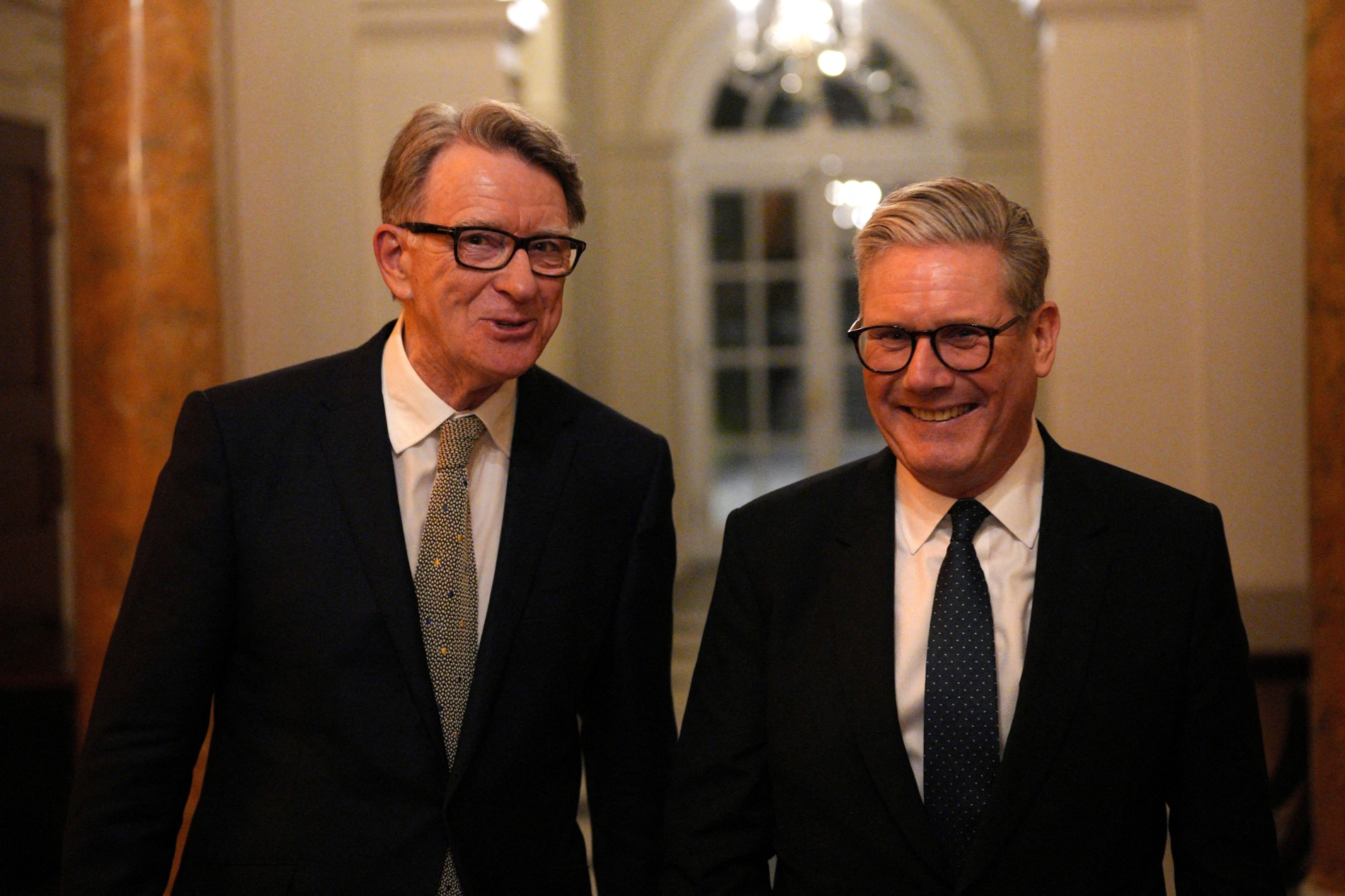
UK Prime Minister Keir Starmer talks with UK ambassador to the United States Peter Mandelson during a welcome reception at the ambassador's residence on 26 February 2025, in Washington, DC.
For Starmer, who came to office two years ago promising to clean up British politics, his involvement in the botched appointment of Lord Peter Mandelson as the UK's Ambassador to Washington has severely damaged his personal popularity.
While these seismic shifts in British voters' voting intentions illustrate Starmer's difficulty in clinging to office, the prime minister's own unconvincing performance has contributed to the growing clamour among Labour backbenchers for him to stand down.
Despite Starmer making what was hailed as a make-or-break speech just days after Labour suffered its worst electoral defeat in decades, the demands for Starmer to leave office showed no sign of abating.
Starmer has already narrowly avoided becoming involved in a leadership contest after Catherine West, the Labour MP for Hornsey and Friern Barnet and a junior Foreign Office minister until she was sacked in the reshuffle last year, responded to Labour's crushing defeat by launching a leadership challenge.
While she later withdrew her challenge, she nevertheless called for the process to begin, with Starmer facing a proper challenge for the party's leadership this year, writing to colleagues asking them to call on Starmer to set events in motion so a new leader can be elected in September.
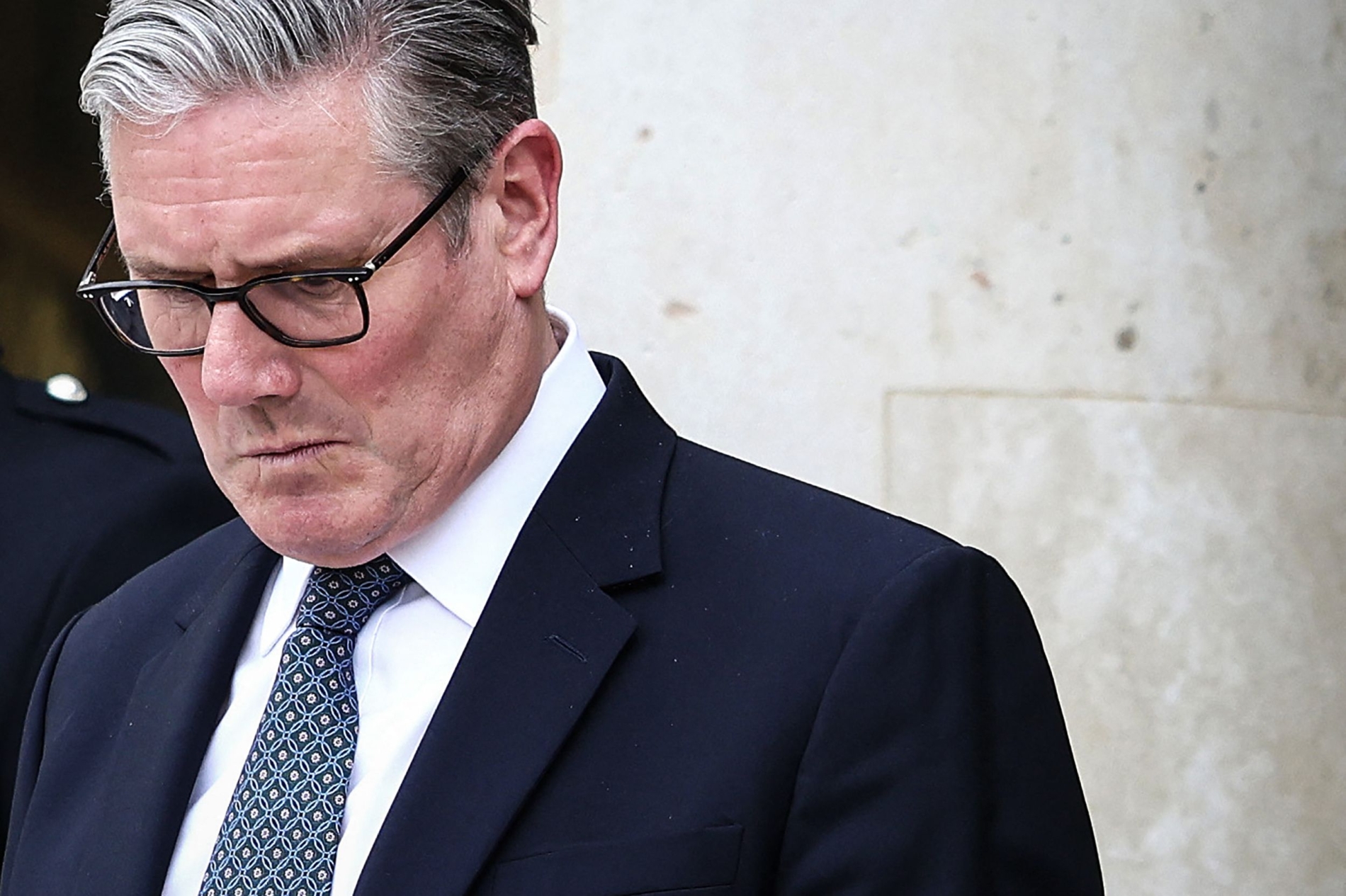
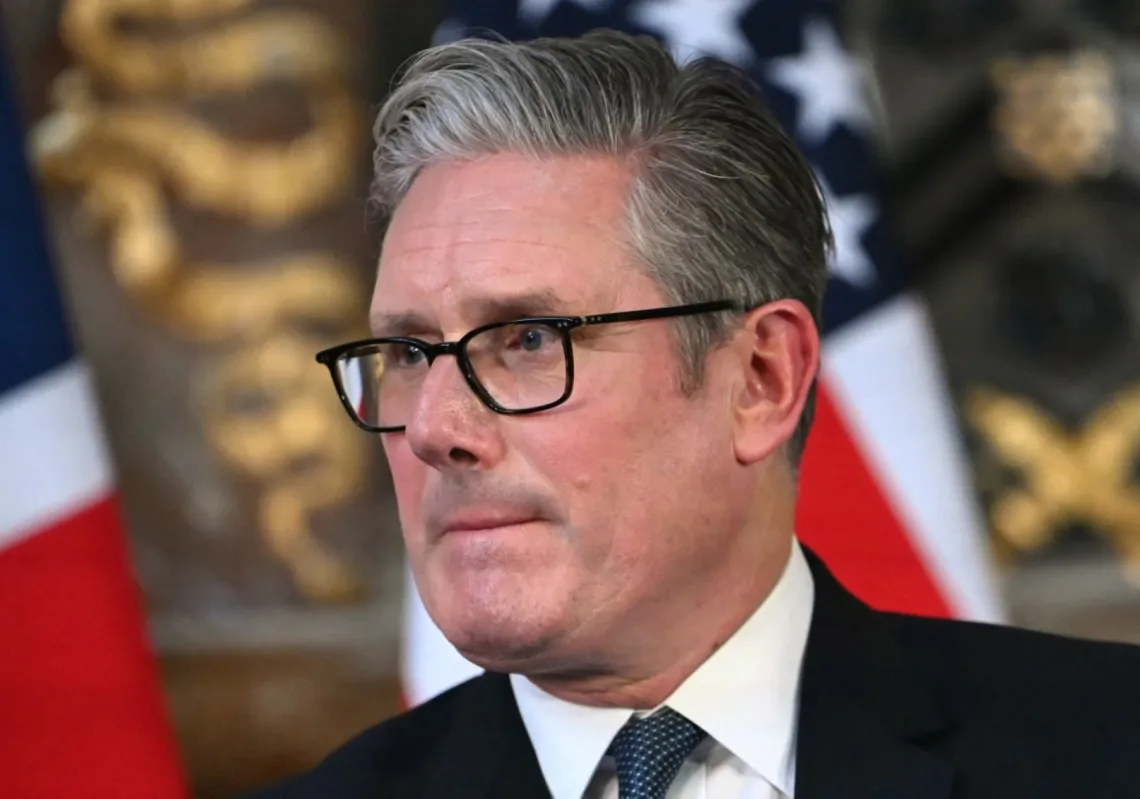
Britain's Prime Minister Keir Starmer reacts as he prepares to leave the Elysee Presidential Palace in Paris on 17 April 2026.
What next?
Whether this process results in Starmer's removal, though, is another matter entirely, as the Labour rulebook makes it notoriously difficult to unseat a party leader: none has been formally ejected in the UK in the postwar period, though some, including Tony Blair, have resigned under pressure from their own MPs.
According to the rulebook, a candidate seeking to replace a sitting leader must secure the written support of 20% of the parliamentary party, which is currently 81 MPs. But even if a rival candidate were to secure the required number of parliamentary backers, there are no guarantees that the bid would succeed, not least because Starmer has promised to stand again if a contest is forced, meaning the challenger or challengers would have to take on the prime minister directly. Labour MPs would then vote on who should lead the party and be prime minister.
Other options for removing Starmer would be for the majority of MPs to write to the prime minister asking him to step aside gracefully, rather than sparking a gruelling election contest, while the British leader's position would become untenable if the majority of his cabinet colleagues informed him that he no longer enjoyed their backing. This was the tactic employed by the Conservatives when they forced Prime Minister Margaret Thatcher from office in 1990.
Starmer's determination to remain in power, despite the constant criticism his leadership is attracting from all sides of the political divide, has surprised both supporters and opponents alike. The British leader's survival instincts were very much to the fore when he convened his first Cabinet meeting following the local election results, amid expectations that he would face direct calls from senior government ministers to resign.
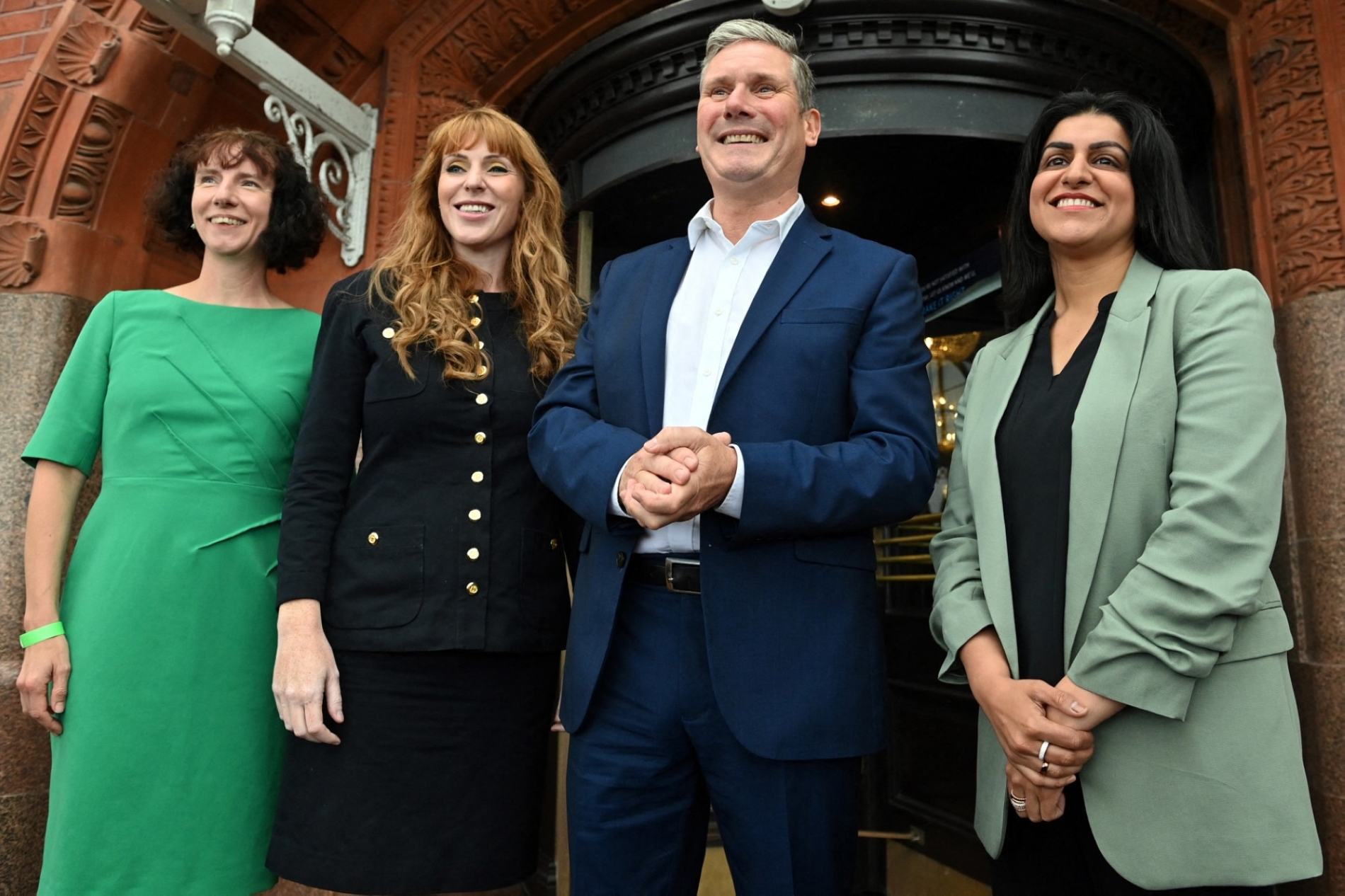
Britain's main opposition Labour Party National Campaign Coordinator Shabana Mahmood poses on the opening day of the annual Labour Party conference in Brighton on September 25, 2021.
This followed calls made by Home Secretary Shabana Mahmood for Starmer to set out a timetable for his resignation, with other senior ministers, such as Foreign Minister Yvette Cooper, reported to be making similar calls.
In the event, Starmer denied ministers the opportunity to raise the issue at the meeting, instead insisting that they concentrate on the likely implications of the Iran conflict for the British economy.
Amid the mainstream parties' growing unpopularity, a host of new parties are emerging to challenge the UK's long-established political orthodoxy.
Unlikely to survive
Nevertheless, with dozens of Labour MPs calling on Starmer to either resign or set out a timetable for his eventual departure, there is a general expectation in Westminster that it is now a question of when, not if, Starmer will face a leadership challenge this year. The political crisis has now reached the point where most Labour MPs believe Starmer will not survive as Labour leader for long enough to fight the next election.
Indeed, the only reason Starmer has not faced a direct challenge yet is that two of his most prominent rivals, former deputy leader Angela Rayner and Manchester Mayor Andy Burnham, are, for different reasons, not in a position to launch a leadership bid. Rayner is still involved in a tax dispute, which means she cannot stand before it is resolved, while Burnham needs to be elected as an MP before he can mount a challenge.
Health Secretary Wes Streeting, who is also seen as a potential replacement, is the only candidate who may openly declare a leadership challenge, but there are questions about whether he has enough support among sitting Labour MPs for his bid to succeed.