How Europe helps keep Hezbollah in business

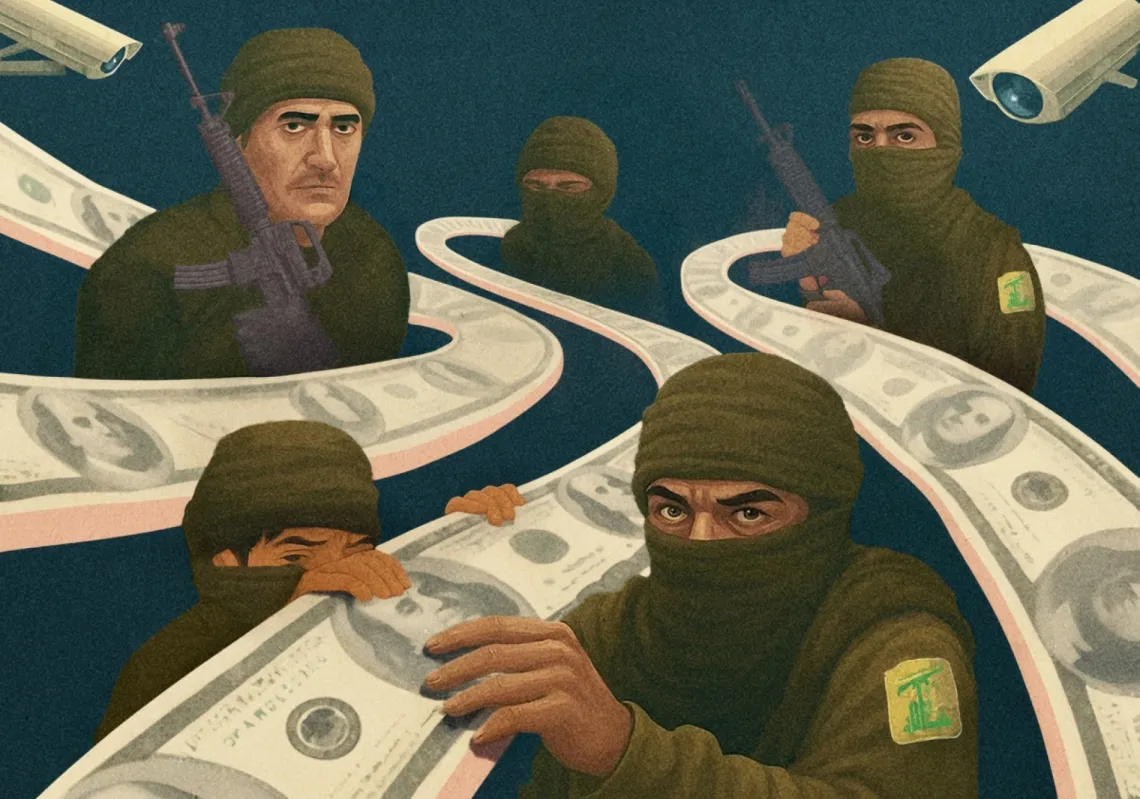
Europe is a key money-laundering hub for the funds Hezbollah generates worldwide and a central node in the trade routes through which those funds are moved and disguised

Eduardo Ramon

How Europe helps keep Hezbollah in business

Hezbollah can lose fighters, commanders, territory and access and still survive if its money survives. That is the uncomfortable lesson Europe should draw from the group’s recent setbacks, as shown in “The Financial Operations of Hezbollah in Europe,” a major recent report by this author, published by the Austrian Documentation Centre on Political Islam.

The war with Israel in 2023–24 weakened Hezbollah militarily and politically. It also reduced Iran’s ability to fund it at previous levels, while changes in Lebanon after the war curtailed some of the privileged access Hezbollah long enjoyed at the country’s port and airport. The fall of the Assad regime in Syria in late 2024 dealt another blow, disrupting an allied environment in which Hezbollah had profited, including through the captagon trade.

Yet none of this has broken the global financial networks that sustain the organisation. US estimates have put Hezbollah’s annual budget at more than $1bn, with around $700mn a year coming from Iran, implying that at least 30% is generated through the group's own illicit and semi-licit activity. Those networks remain active, diversified and deeply embedded in ordinary commerce.

The role of BAC

Hezbollah is not simply a militant organisation that receives illicit finance. It is a sophisticated financial organisation with a dedicated bureau for handling its worldwide criminal and commercial operations. At the centre of that system sits the Business Affairs Component, or BAC, part of Hezbollah’s External Security Organisation and originally established by Imad Mughniyah.

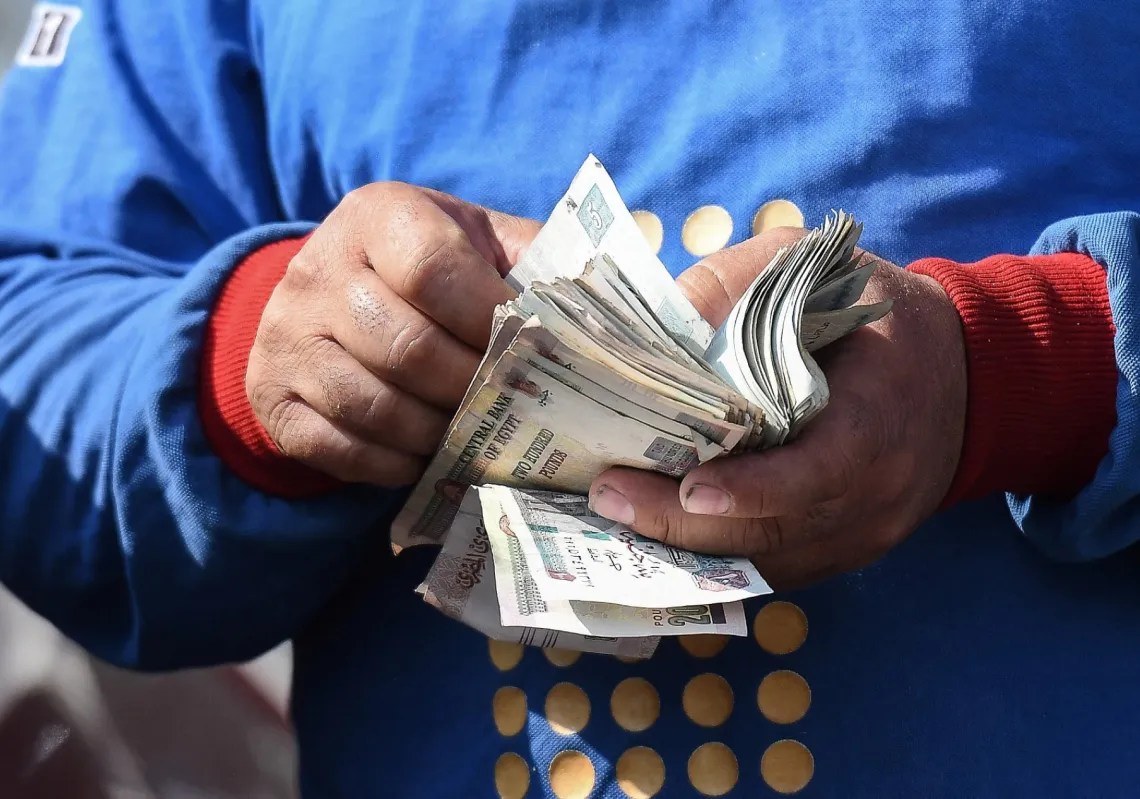
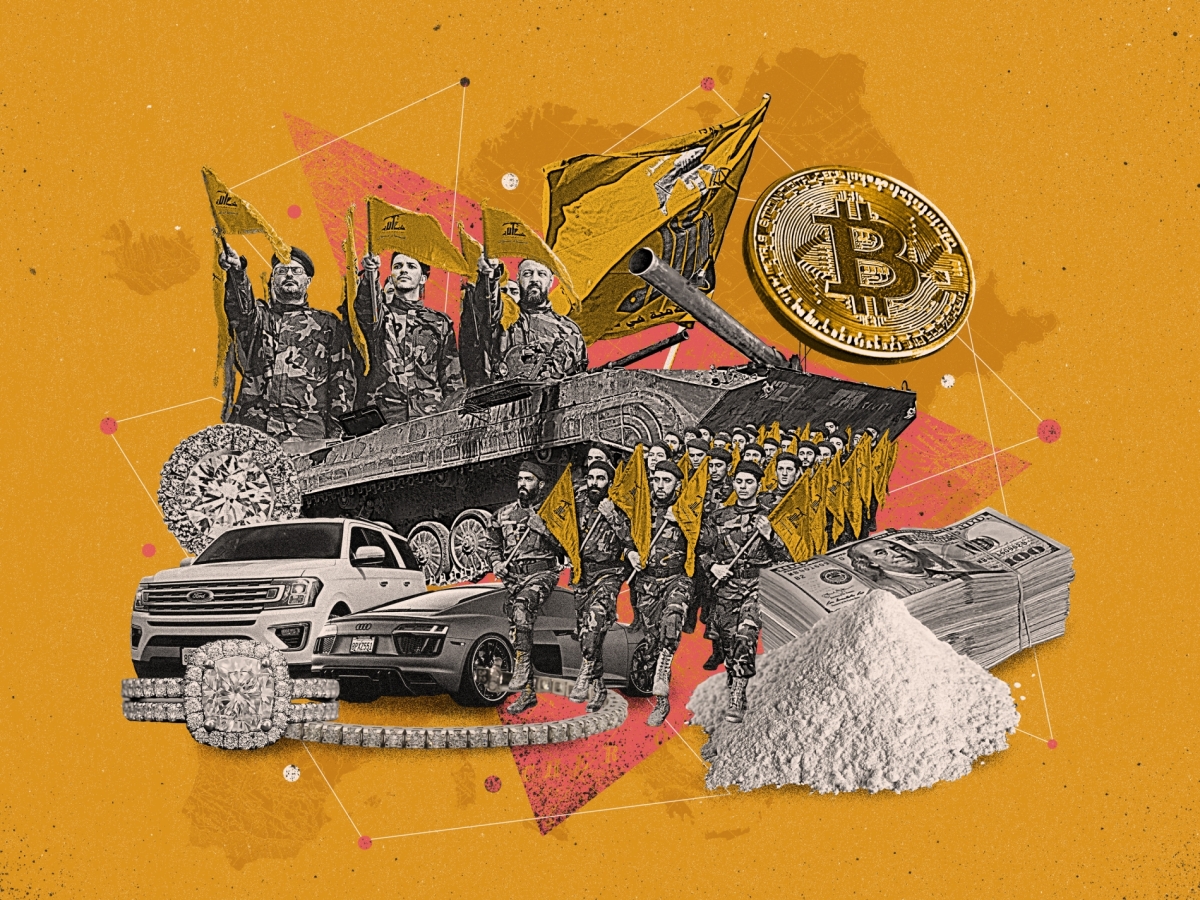
BAC’s role is to connect Hezbollah to international drug and weapons trafficking and money laundering in a systematic way. This is why Hezbollah does not rely only on Tehran or on crude suitcases of cash; it also raises and moves money through the cocaine trade, the trade in second-hand cars and other high-value goods, charities, money-exchange houses, including hawala systems, and now cryptocurrency, with money laundering running through all of those activities.

Its financial strength lies precisely in the fact that much of this does not happen in a hidden underworld entirely separate from legitimate economic life; it happens in the overlap between the legal and the illegal, where an ordinary business transaction, a shipment of goods, or a charitable donation can become part of a system that launders criminal proceeds and sustains a powerful armed group.

For its part, Europe is a key money-laundering hub for the funds Hezbollah generates worldwide and a central node in the trade routes through which those funds are moved and disguised. Europe is useful to Hezbollah for practical reasons: it offers wealthy markets, advanced banking systems, major ports, and sectors in which opacity is often normalised.
REUTERS/Bart Biesemans
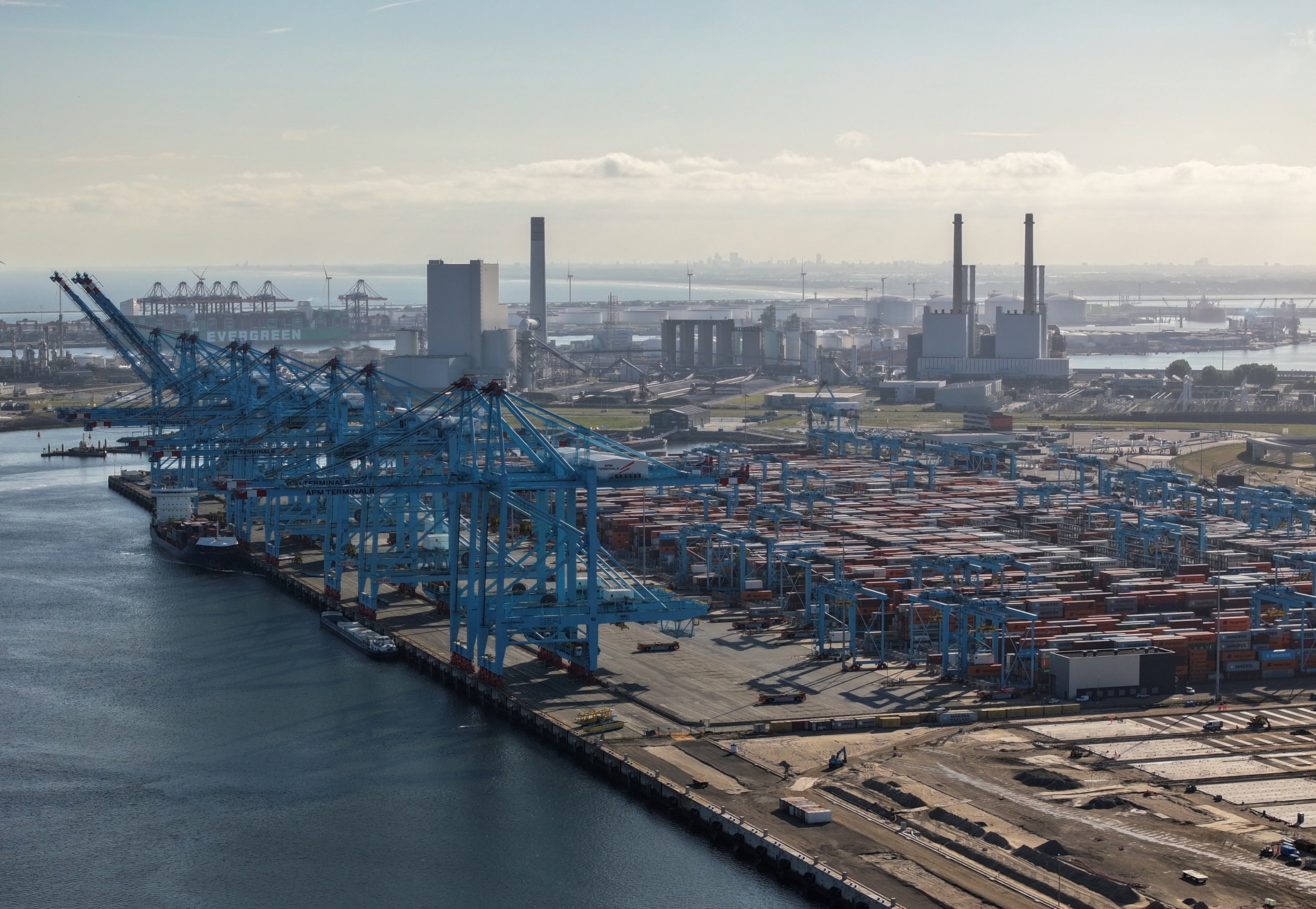
A drone view of the port of Rotterdam, Netherlands, on 9 July 2025.

Drug trade

Hezbollah-linked financial activity has surfaced in countries including Austria, Belgium, France, Germany, Italy, Spain, Switzerland, and the United Kingdom. Rich European economies offer Hezbollah clients for the sale of cocaine. Europe is also a place where the value of items can be disguised for money laundering, goods can be moved across borders with a low risk of inspection, and transactions can be routed through multiple jurisdictions until the original criminal source becomes harder to identify.

Europol estimates that only 2-10% of containers at European ports are inspected. That's an extraordinary vulnerability when one remembers that Hezbollah has used Europe both as an end market and as a transit route: in one case uncovered by Austrian authorities in 2021, a network was preparing to move 30 tonnes of captagon through Europe on its way to Saudi Arabia.
Hezbollah's annual budget is around $1bn with 70% coming from Iran, and the remaining 30% generated through the group's own illicit and semi-licit activity

BAC's Europe-facing operations have often run under the umbrella of the Cedar Network, the most important example of how Hezbollah's international finance works in practice. Exposed by the US Drug Enforcement Administration in 2016 as part of Project Cassandra, the Cedar Network is a Europe-focused BAC structure tied to cocaine trafficking, trade-based money laundering and weapons procurement.

US government documents show that BAC itself was led by Adham Husayn Tabaja and Abdallah Safi al-Din. Tabaja, a Hezbollah financier designated by the United States as a global terrorist, carries a $10mn bounty. Safi al-Din served as Hezbollah's representative to Iran and acted as a key financial interlocutor with Tehran. Under them, Mohamad Noureddine oversaw the movement of money from an office in the Beirut Stock Exchange, coordinating laundering activity across Europe and West Africa, arranging payouts to Hezbollah-linked entities, and handling transfers linked to Colombian traffickers.

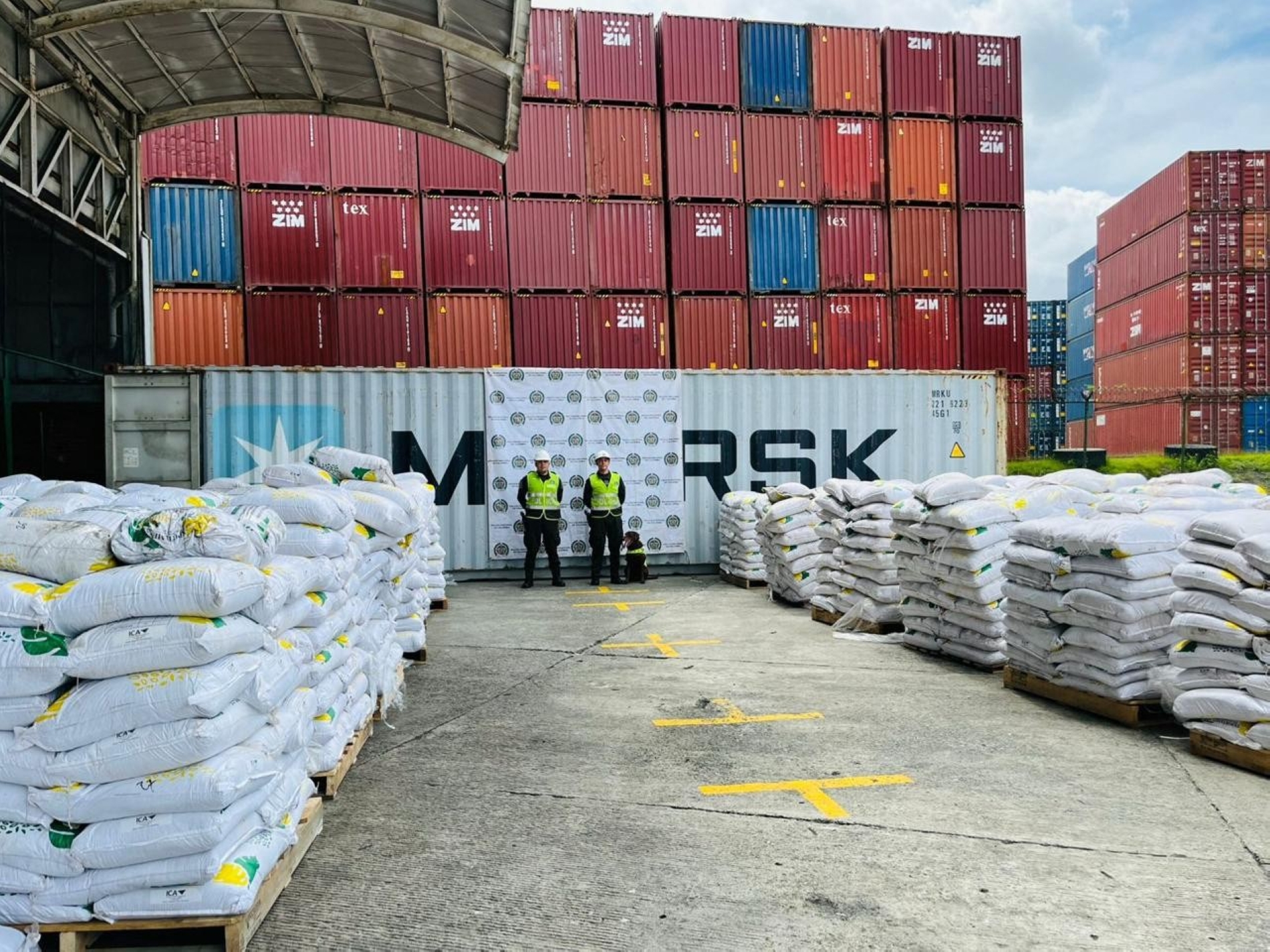
COLOMBIAN POLICE / AFP
Seized cocaine packages totalling 8.2 tons were found hidden in a cargo at the Buenaventura port, Valle del Cauca department, Colombia, on 22 January 2025.

Luxury goods

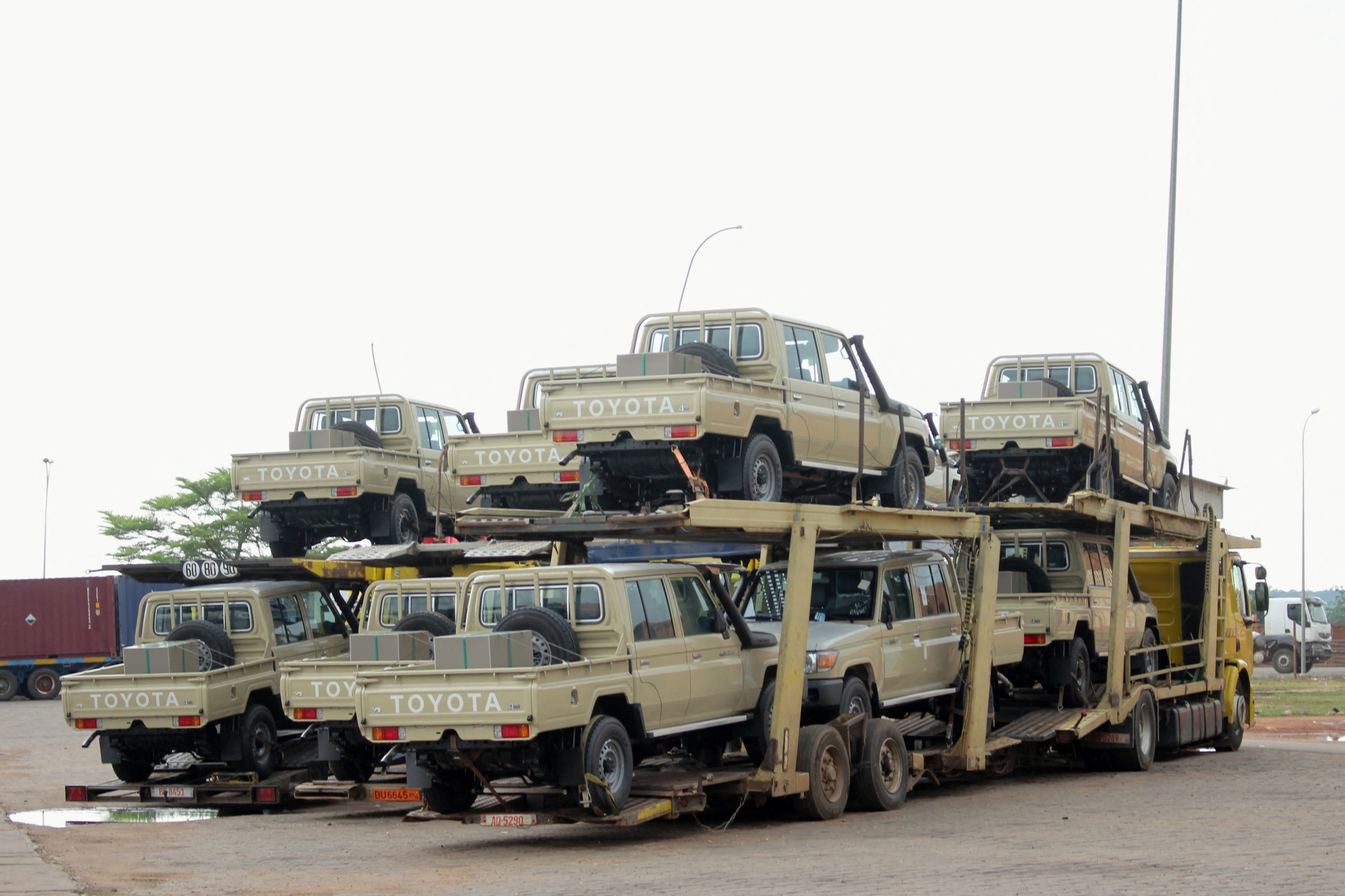
The mechanics of the network show how Hezbollah developed the capacity to operate inside the global criminal ecosystem. Cocaine bought from Latin American cartels was sold in Europe and the United States. The cash generated from those sales was then used in Europe to buy legitimate goods such as luxury cars and watches.

Those goods were exported to West Africa, sold there, and the proceeds were moved onward to Lebanon or elsewhere. Dirty cash thus became normal-looking commerce, then resale revenue, and finally usable funds. Hezbollah took a cut and, in some cases, used part of the money to buy weapons for itself and its affiliates in Syria and Iraq.

In a related law-enforcement action, Operation Cedar, 16 operatives in France, Belgium, Germany and Italy were arrested for laundering money through the international trade in luxury goods. At the height of their activity, the ring was washing about €1mn a week, mostly through Germany, and even offered money-laundering services to other criminal networks in exchange for a fee.

Part of what makes these networks resilient is that they are not just diversified across sectors but also are socially embedded. Hezbollah's financial operations often draw on trusted ideological supporters and long-established Lebanese diaspora networks, and those networks frequently include members of the same family.

This gives the system continuity even when one individual is sanctioned, arrested or otherwise disrupted. Relationships of trust are harder for law enforcement agencies to penetrate. Family members, close associates and business proxies can step in as nominees, intermediaries or couriers, preserving the network's ability to function even under pressure.

The same pattern appears in sectors that many policymakers still do not instinctively associate with terrorism finance. The art market is one of them. Nazem Said Ahmad, a Hezbollah financier sanctioned by the United States and the United Kingdom, used aliases, family members, associates and front companies to hide his role in transactions involving art and diamonds in Europe, Africa, the United States and the Middle East.

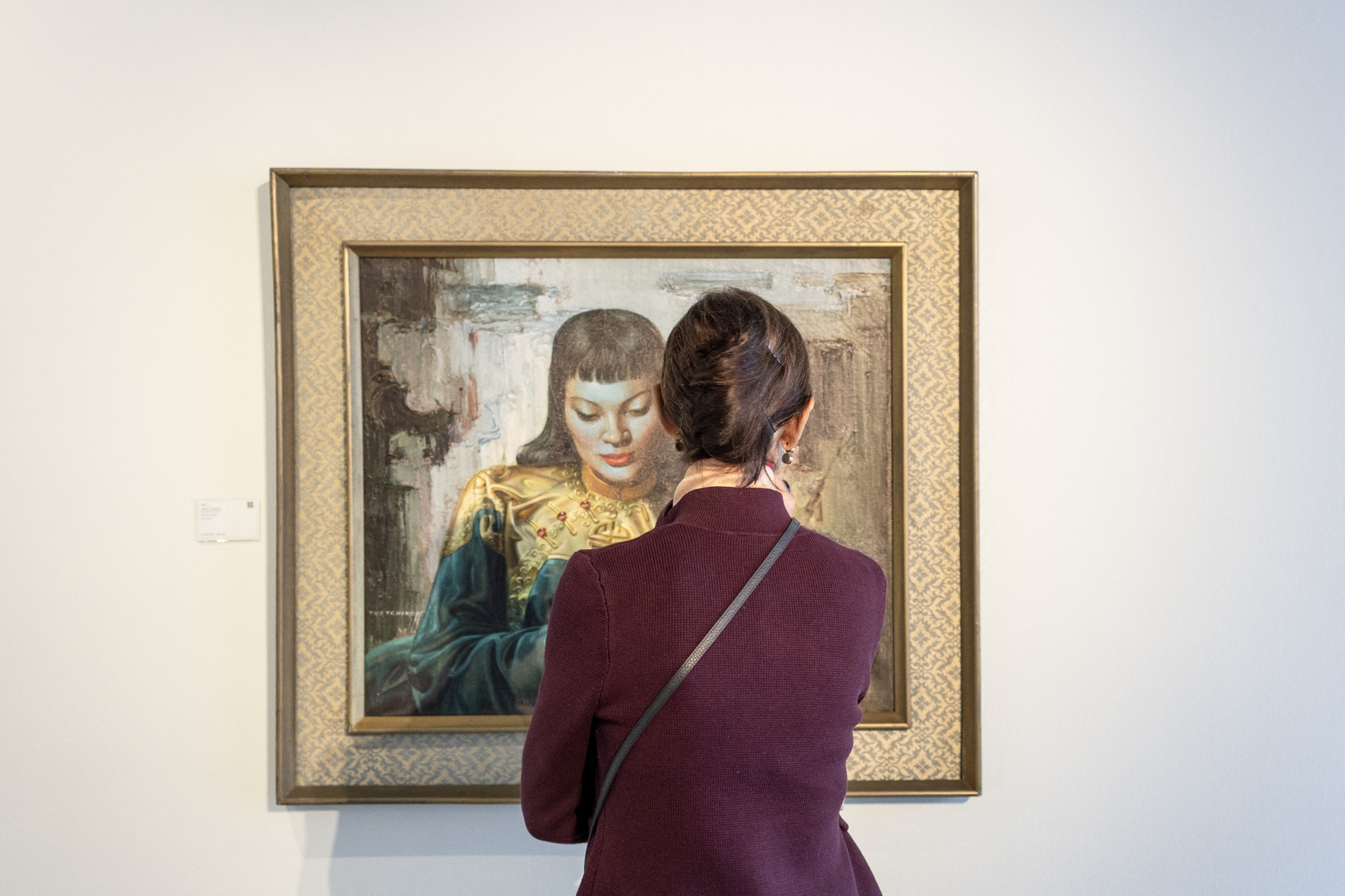
Wikus de Wet / AFP
Russian painter Vladimir Tretchikoff's 'Lady from the Orient' painting in Johannesburg on 23 May 2025, ahead of an auction.

Since 2012, he has been reported to have acquired more than $54mn in art from auction houses, galleries, exhibitions and artists' studios. The significance of this lies in the method. Art is useful for laundering money because prices are subjective, ownership can be obscured, and cross-border transactions often take place under a culture of discretion. A painting can be overvalued or undervalued. The real buyer can be hidden behind a company or a relative. The asset can move internationally with relatively little scrutiny. What appears to be elite global commerce can, in practice, serve as a vehicle for moving and concealing illicit wealth.

Ahmad's children, Firas and Hind, were themselves sanctioned by the United States for helping shield the network from legal exposure and assist in sanctions evasion schemes on behalf of their father. Ahmad's wider network also used proxies and front companies to move diamonds through grading and export channels that helped legitimise their value. According to the report, non-US front companies were used to send 482 diamond parcels, totalling around 1,546 carats, to a US-based grading company before the stones were returned to Lebanon. One 45-carat diamond was valued at $80mn.

Until Europe sees Hezbollah not only as an armed group but also as a financial system, it will maintain the financial resilience that enables its recovery.

This example shows how diamond certification, valuation and cross-border handling can be exploited to normalise assets and obscure the underlying source of funds. Hezbollah's financial activity is not just on the margins of the economy but is also conducted through sectors that pride themselves on prestige and discretion. Europe's weakness here is not merely inadequate policing; it is the assumption that respectable markets are inherently cleaner than they are. Despite being sanctioned, Ahmad remains at large.

Hiding in plain sight also applies to Hezbollah's links to charities in Europe. Charities in Germany and the United Kingdom have been accused of raising or laundering funds for Hezbollah-linked entities. In Germany, the Waisenkinderprojekt Libanon association alone raised $4.5mn in donations between 2007 and 2013 for the Shahid Foundation in Lebanon, which is part of Hezbollah, before it was banned.

Hezbollah's financial fronts can look respectable, rooted in normal civic or commercial life, and can therefore operate in permissive environments for years. This is especially the case in contexts where countries are worried about their policies being perceived as Islamophobic and end up applying too little scrutiny to problematic activities conducted in the name of Islamic charity.

AFP
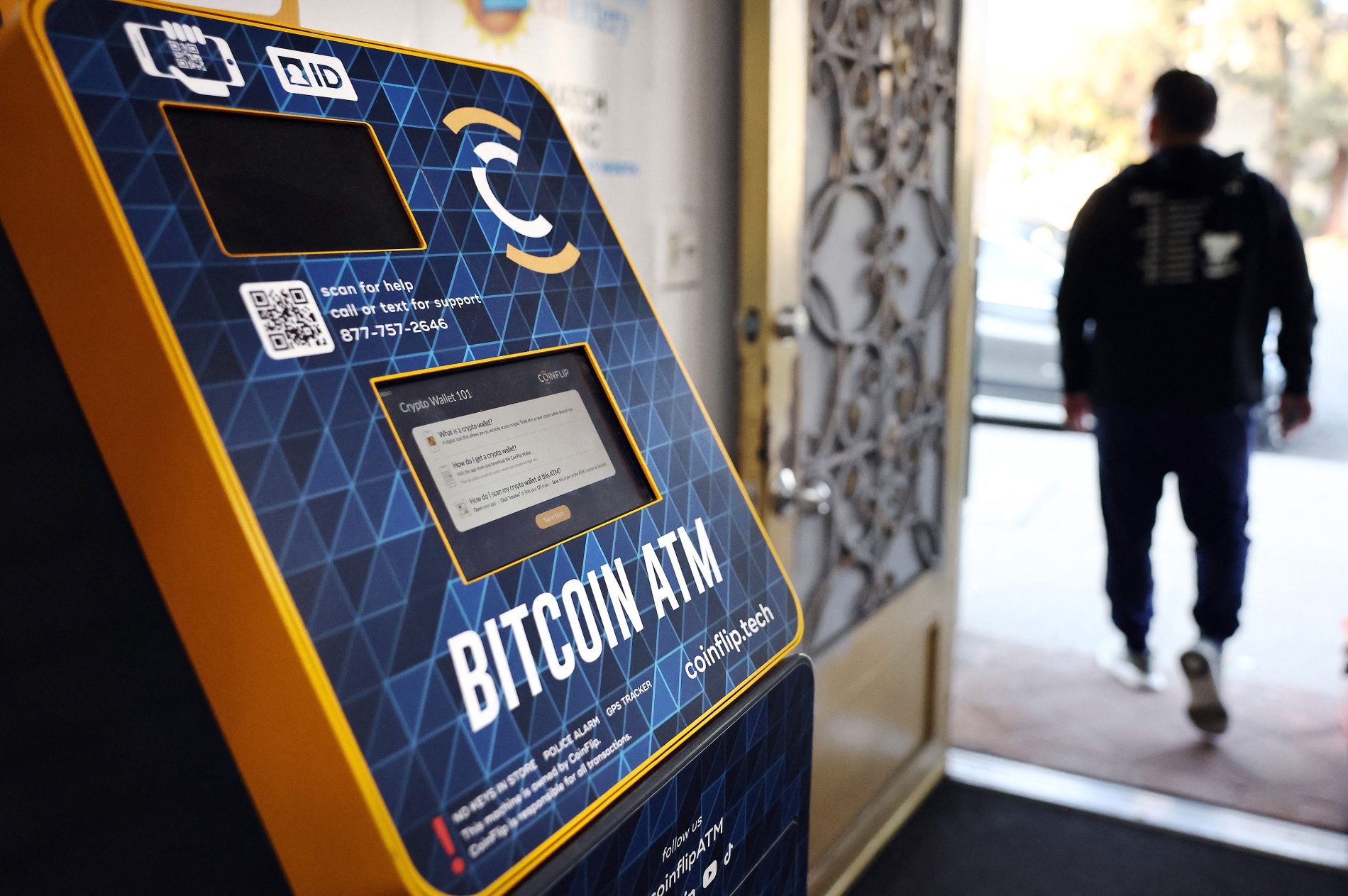
A Bitcoin ATM in Pasadena, California, on 9 December 2024.

Cryptocurrency 

Then there is cryptocurrency, which is becoming another layer rather than a replacement for older methods. Hezbollah has increasingly used the Tron network and the stablecoin Tether, partly because law enforcement is more accustomed to tracing Bitcoin than newer or less scrutinised digital routes.

One key case involved Tawfiq Muhammad Said al-Law, a Syria-based hawala operator who provided digital wallets for Hezbollah and handled transfers linked to Iranian commodity sales. In 2023, Israeli authorities seized $1.7mn in cryptocurrency from 40 wallets tied to this network. Hezbollah is learning to combine old and new: hawala with crypto, front companies with digital wallets, commodity sales with cross-border transfers.

A group that adapts this way is hard to isolate financially. In this, Hezbollah is not alone; many criminal networks worldwide are turning to cryptocurrency to move money. But Hezbollah's use of it shows once again that it is capable of layering new tools onto already resilient systems.

Europe's political response has lagged behind this reality. The most obvious problem is the distinction still maintained in parts of Europe between Hezbollah's "military wing" and "political wing," where only the "military wing" is designated as terrorist. In countries like France, this is often presented as a matter of diplomatic pragmatism, but in practice, it creates an enforcement gap. If only the military wing is proscribed, proving that funds specifically went to that wing becomes crucial but extremely difficult.

REUTERS/Khaled Abdullah
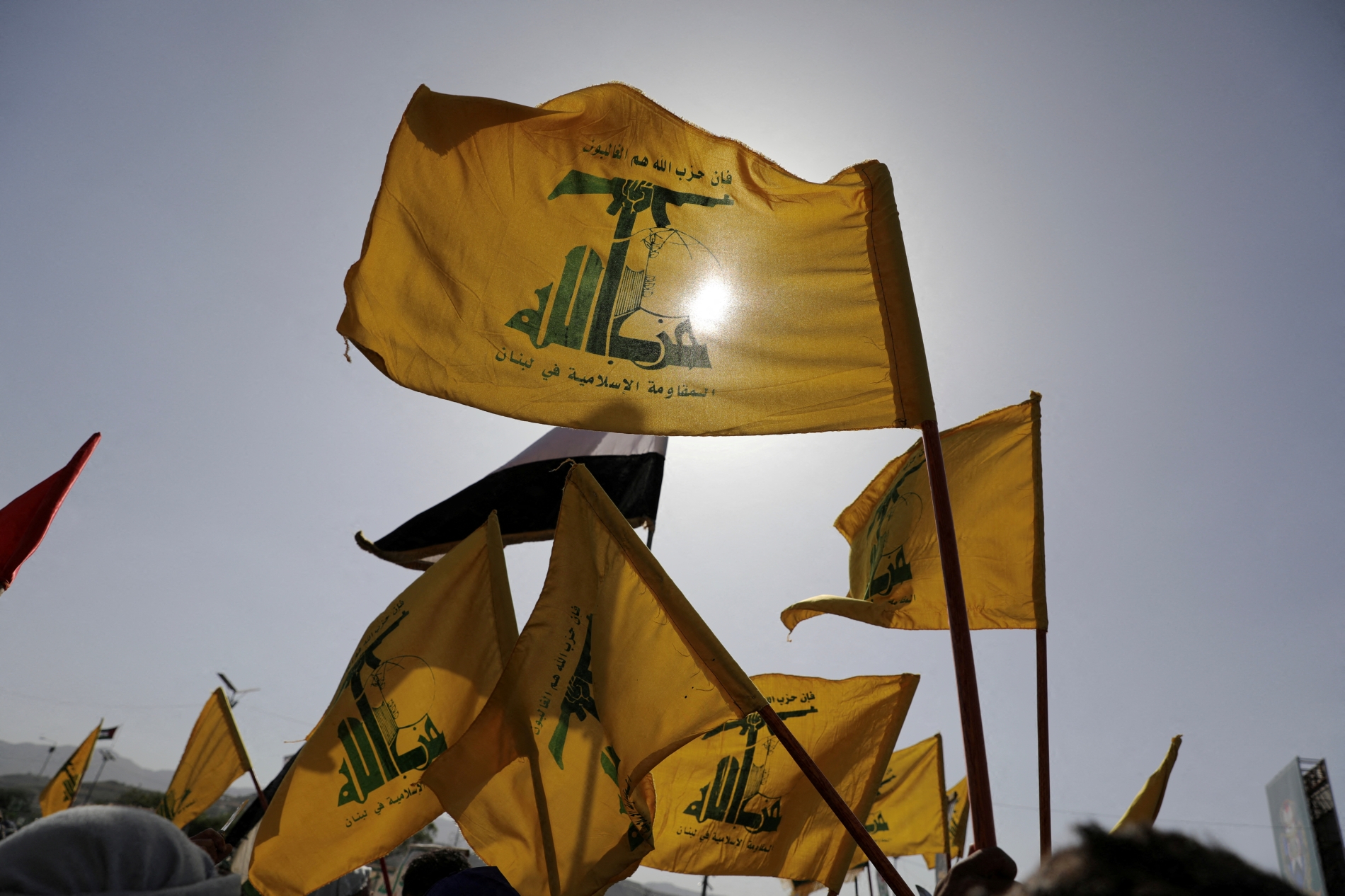
Hezbollah flags flutter as protesters, mainly Houthi supporters, rally to show support to Palestinians in the Gaza Strip and Lebanon's Hezbollah, in Sanaa, Yemen, on 27 September 2024.

Intertwined structures

Europol has acknowledged exactly that problem. Yet Hezbollah's structures are financially intertwined. A donation, business transfer or charitable contribution that enters one part of the system helps sustain the whole. The same issue applies to the designation of Iran's Islamic Revolutionary Guard Corps, whose Quds Force works in tandem with Hezbollah in its worldwide financial operations. The European Union's recent designation of the IRGC gives Europe more tools to disrupt those networks, but the UK remains an outlier, with government promises to designate the IRGC still unfulfilled. This creates an enforcement gap across borders.

That enforcement gap widens further once money moves into permissive jurisdictions. Lebanon remains the crucial black hole. Once funds reach Lebanon, tracing them becomes much harder because of weak oversight, political interference, and Hezbollah's embedded influence within state structures. Lebanon's grey-listing by the Financial Action Task Force in October 2024 reflected those structural deficiencies. The report cites Lebanon's score on the State Capture Index at 80.5 out of 100.

The broader anti-money-laundering system is also weak: less than 1% of laundered money worldwide is seized and frozen in the international financial system. So the problem Europe faces is not just that Hezbollah-linked finance can be generated or laundered on European soil. It is that Europe is one stage in a chain: money is raised or cleaned in Europe, routed through multiple jurisdictions, and then disappears into environments where scrutiny is weaker and political protection stronger.

REUTERS/Coffi Seraphin Zounyekpe
Vehicles that passed through the port of Cotonou for Niger wait, in the border town of Malanville, Benin on 17 August 2023.

Meaningful pressure

If Europe wants to weaken Hezbollah in any meaningful way, it must stop thinking only in terms of rockets, border clashes and regional diplomacy. It has to think about the BAC operative working through the Beirut Stock Exchange, the German car dealership used to buy vehicles with drug money, the resale route through West Africa, the art purchase concealed behind a front company, the family member used as a nominee, the charity that channels money under a lawful veneer, the crypto wallet that sits on top of a hawala network, and the legal fiction that divides one organisation into neat political and military halves.

In other words, Europe must recognise Hezbollah not only as an armed movement but also as a financial system. Until it does, Hezbollah will continue to absorb military losses while preserving the financial resilience that enables recovery. And Europe, however unintentionally, will remain part of the infrastructure that keeps it in business.

font change

Related Articles