
Having spent weeks watching Israel attack Iran, after 2.5 years spent attacking Gaza, Lebanon, Syria, and Yemen, there are signs that Türkiye may now be fundamentally reassessing its security assumptions and plans. Haluk Görgün, who has a senior government position overseeing Türkiye’s defence industries, gave some clues as to how and when he spoke at the International Strategic Communication Summit recently.
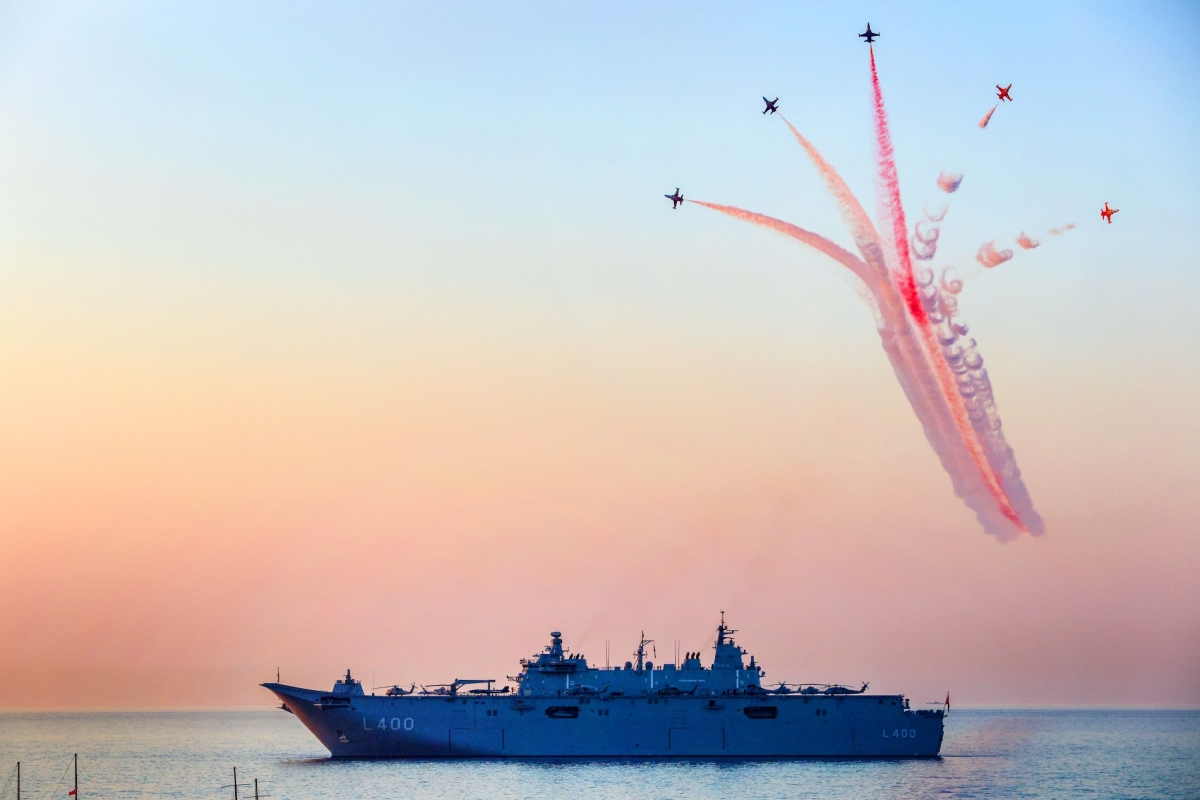
The country’s military strategy now ran along four main axes, he explained. First, information was to be treated as a strategic weapon, a decision that merges defence and communications into a single system. Second, supply chains, production lines, and stockpiles will all now assume the utmost importance. Third, there will be a focus on small, fast, and effective platforms of the kind that have broken the dominance of heavy conventional forces. Finally, continuous communication between the battlefield and the defence industry is now seen as a necessity.
At the summit, Görgün presented figures that revealed a qualitative leap in Türkiye’s defence industry. Domestically-manufactured products now account for more than 80% of the total, compared with no more than 20% just 25 years ago. There are now more than 4,000 Turkish defence firms employing more than 100,000 people, he said. Military sales have risen to $20bn, of which more than half are exports. If the warnings are to be believed, Türkiye may need those weapons and that knowledge.
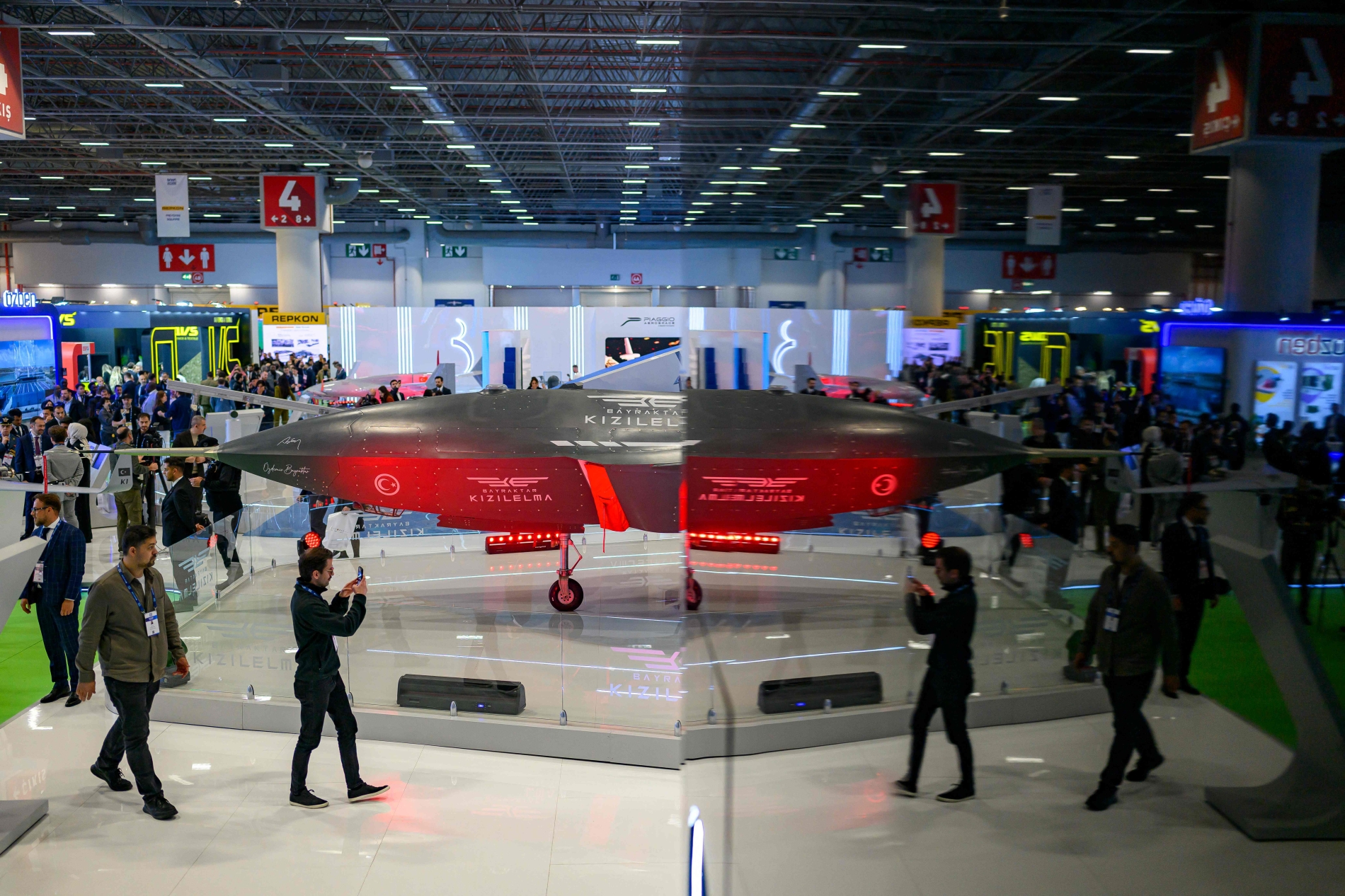
New focus
For years, the country’s traditional defence and security debates focused on subjects such as armed Kurdish fighters or the Gülen movement, but over the past year or so, the sources of concern have shifted markedly, with Israel now taking up much more time and attention. In part, this is a response to a perceived threat. Senior Israeli voices, such as former prime minister Naftali Bennett, first began naming Türkiye as a possible future enemy shortly after Hamas attacked southern Israel on 7 October 2023. Turkish elites now talk about Israeli action and the redrawing of regional maps, warning that Türkiye will not remain immune to these upheavals.
Israeli politicians and strategic research centres have increasingly put Türkiye at the forefront of Israel’s future security challenges. Policymakers in Ankara interpret this as a systematic effort to prepare the Israeli public for a possible confrontation. Israel’s war on Gaza showed that Israel’s previous military approach was now radically different. In the past, Israel would win quickly then rapidly translate that into a political agreement in its favour. Since 2023, however, that approach appears to have been discarded.
Another factor in Ankara’s considerations is the expansion of Israeli operations beyond their traditional boundaries, including against the Houthis in Yemen, against Hezbollah in Lebanon, and against the new Damascus government in Syria, where Israel and Türkiye both have strategic interests. Yet it has been Israel’s war against Iran since 28 February 2026—preceded by its 12-Day War against Iran last year—that marked a turning point in the Turkish political debate.
In Turkish political circles, opinion is divided. Nationalists and conservatives close to the ruling Justice and Development Party (AKP) see the war as evidence of Israel’s ambition of regional hegemony, warning that Türkiye will not be spared its consequences. Supporters of the opposition Republican People’s Party, however, read it differently. They see Washington’s relative restraint—and the nature of the US-Israeli disagreement over war aims—as evidence that Israel’s capacity to act has its limits, reinforcing the importance of Turkish relations with the United States and NATO.
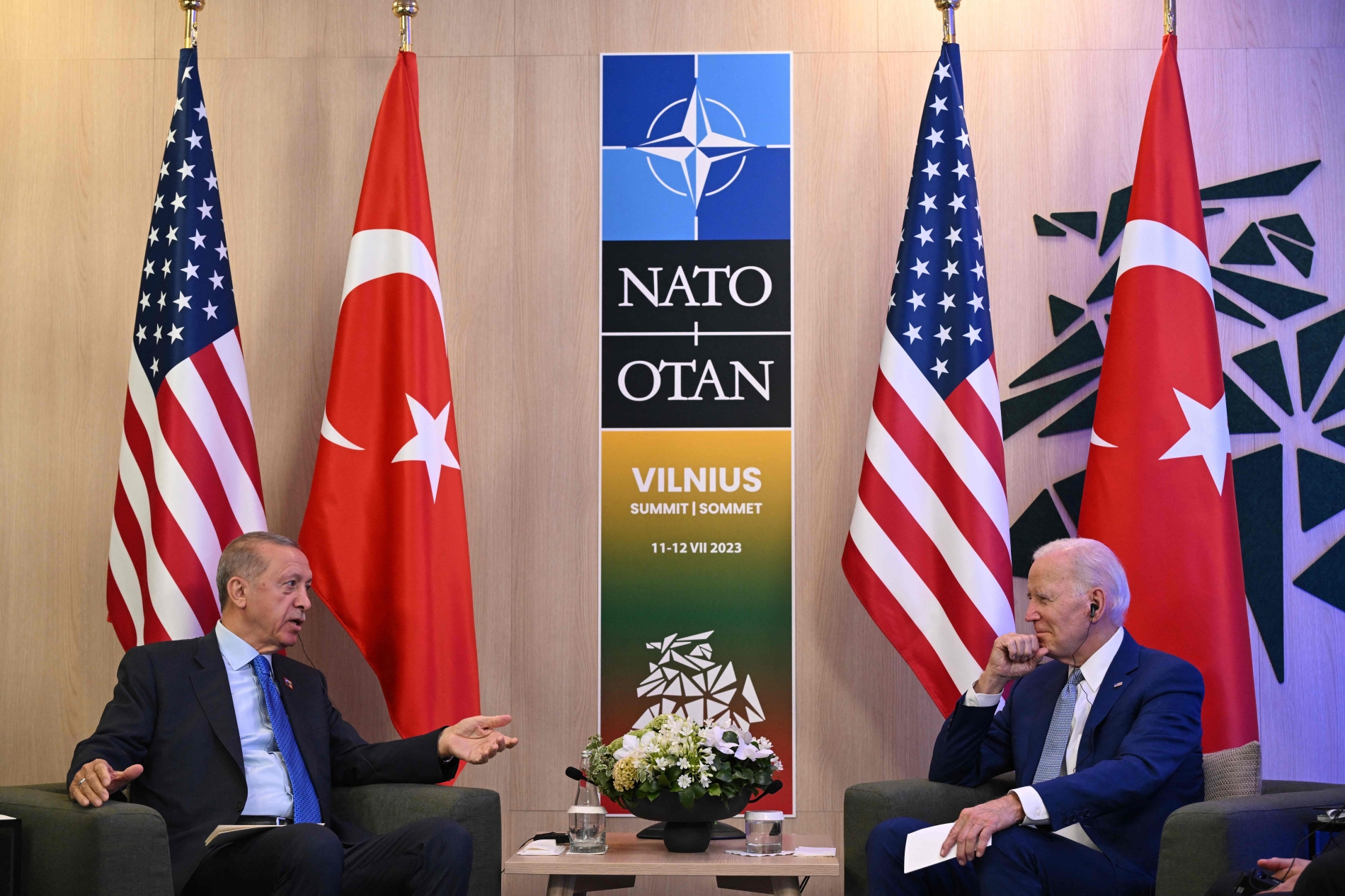
Israeli anxieties
Walid Jalili, a researcher specialising in security affairs at the Euphrates Centre for Studies, believes a durable estrangement between Türkiye and Israel may be emerging, which could one day lead to a military clash. He traces it back to 2002, when AKP was first elected, and the changes that subsequently reshaped Türkiye’s political structure.
“Until then, Israeli doctrine trusted Türkiye as a state with a safe political system controlled by the army and by Kemalist doctrine, which rejected political organisations and ideologies hostile to Israel,” he says. “The arrival of AKP and Erdoğan’s success in restructuring state institutions, including the army, judiciary, and constitution, opened the door to a political populism that regards hostility to Israel as a winning instrument for mobilising conservative and nationalist social bases. This pushed Türkiye out of the zone of safety in Israel’s mind.”