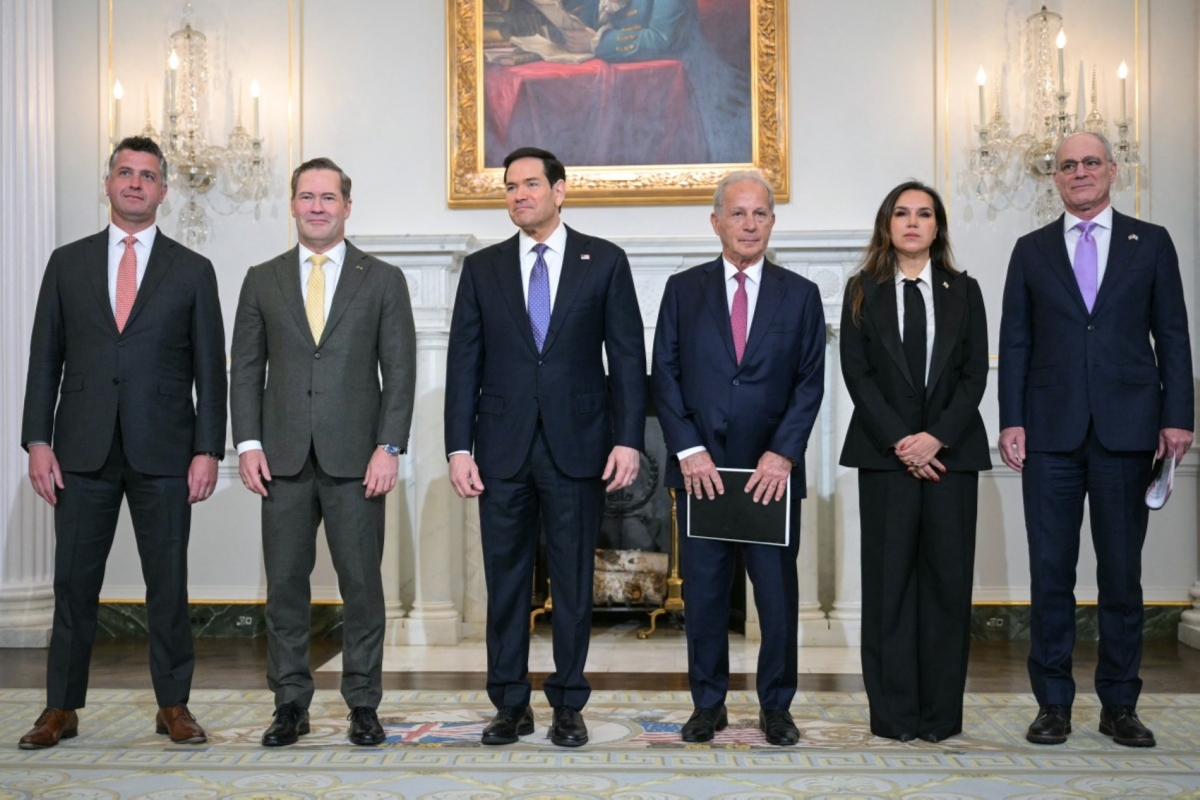

For the first time in decades, Israeli and Lebanese civilian officials sat across a table in Washington and began talking. The discussions—convened in the shadow of a wider war with Iran, mediated by Secretary of State Marco Rubio, and given a 10-day ceasefire window by Donald Trump—are truly historic. The prospect of normalisation between the two states could help secure Israel’s northern front, which has once again flared up in recent weeks despite earlier Israeli claims of victory, while enabling Lebanon to finally extricate itself from the region’s recurring crises and conflicts.
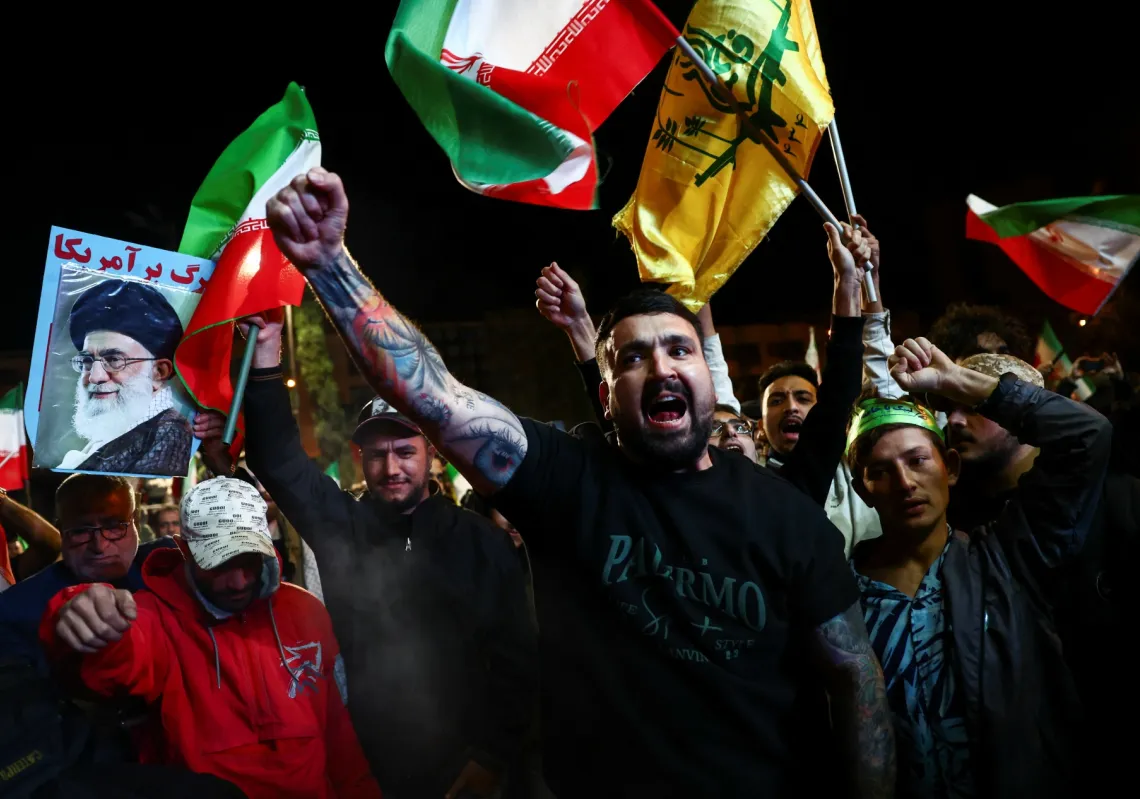
These talks are also, as of today, incomplete and structurally fragile. The central paradox is this: the Lebanese government is at the table. Hezbollah is not. In Lebanon, that gap between the state and the most powerful armed actor within it has historically been the graveyard of previous agreements—and a recipe for violence.
The Lebanese government's willingness to enter direct talks is the more striking and significant development. President Joseph Aoun—elected in January 2026 after a two-year presidential vacuum— has been categorical in his framing. He has called Hezbollah an "armed faction" that has undermined Lebanon's interests and cost its citizens their lives. Prime Minister Nawaf Salam, a former International Court of Justice president and longtime sovereignty advocate, has signalled openness to any negotiation format to end the war. This is not rhetorical posturing. It reflects a genuine, if fragile, reorientation of Lebanon's political centre of gravity.
The motivations are grim but clarifying. Lebanon cannot afford another lost decade. The country has been in economic freefall since 2019, has lived through the Beirut port explosion, a currency collapse, and now a war that has killed thousands and displaced a million. International reconstruction funding—from the Gulf, from Europe, from the IMF— is explicitly conditioned on progress toward Hezbollah disarmament and state sovereignty. Lebanon's new leadership understands that the price of continuing to shelter Hezbollah's military wing is continued exposure to conflict and economic ruin.
That said, Lebanon’s leadership is also acutely aware of the limits of its position. For all the rhetoric, and despite Israel’s relatively successful 2024 campaign, Hezbollah remains Lebanon’s most powerful actor, stronger than the state itself, including the Lebanese Armed Forces (LAF—the country’s relatively small military).
Although the government has taken the unprecedented step of publicly condemning Hezbollah’s military activities and even declaring them illegal, it has little real capacity to curb the group. Hezbollah still fields more fighters and better equipment than the LAF, while Lebanon’s internal political and sectarian balance further constrains state action. President Joseph Aoun, a former LAF commander himself, understands this better than most. He knows that ordering a full-scale crackdown on Hezbollah could easily backfire: parts of the military might refuse to comply, turning any confrontation into a defeat before it had even begun.
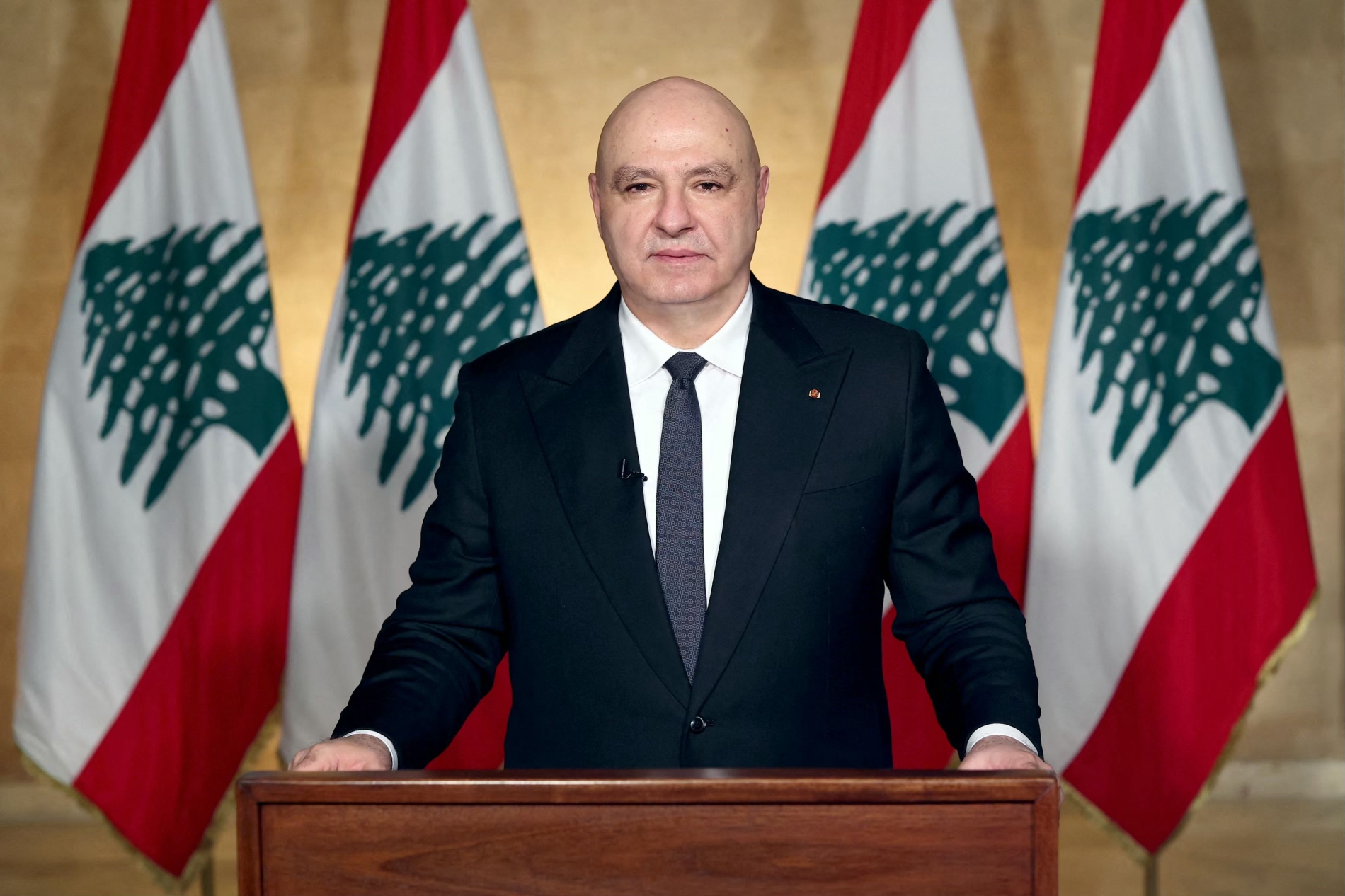
In other words, Lebanon’s leadership enters these unprecedented talks fully aware of the constraints it faces. Even if it were to agree to normalise ties with Israel, it would have little ability, at least for now, to restrain Hezbollah’s activities, especially if the group chose to reject such an arrangement outright.
More than that, if the president and prime minister were to move in ways that directly threatened Hezbollah’s military capabilities or crossed one of its red lines, they could expose themselves to direct retaliation. The 2005 assassination of former Prime Minister Rafik Hariri, for which Hezbollah operatives were later convicted in absentia by the Special Tribunal for Lebanon, remains a stark reminder that the group is willing to eliminate even senior state officials when it sees them as obstacles.