
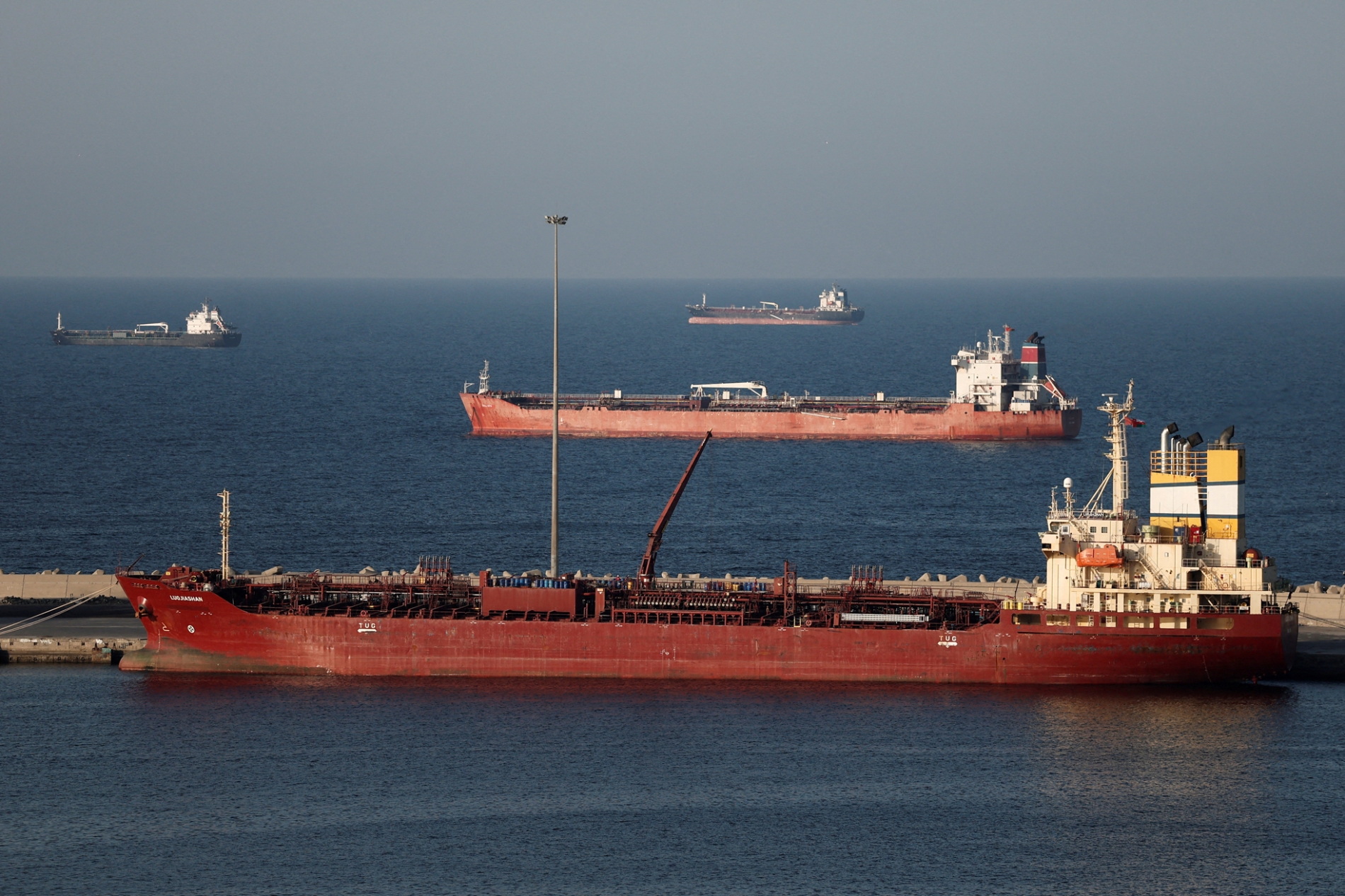
The US-Israeli war against Iran and Iran’s response against the Gulf states affected the very core of the oil and gas sector, prompting several countries to review their energy options. On Tuesday night, a two-week ceasefire was reached, and the Hormuz is supposed to be reopened to traffic, but it's still tenuous, with observers unsure it will hold. Should Hormuz remain closed or face restricted traffic, several African states, including both energy importers and exporters, will be affected.
Countries such as Kenya and Uganda depend heavily on imports, particularly for fuel. For instance, Kenya imported almost 10 million cubic metres of petroleum products in 2024-25, equivalent to around 165,000 barrels per day (bpd). Ghana and Nigeria also import fuel, although both are major crude oil producers. Other exporting states, such as Libya, Angola, and Algeria, face different circumstances.
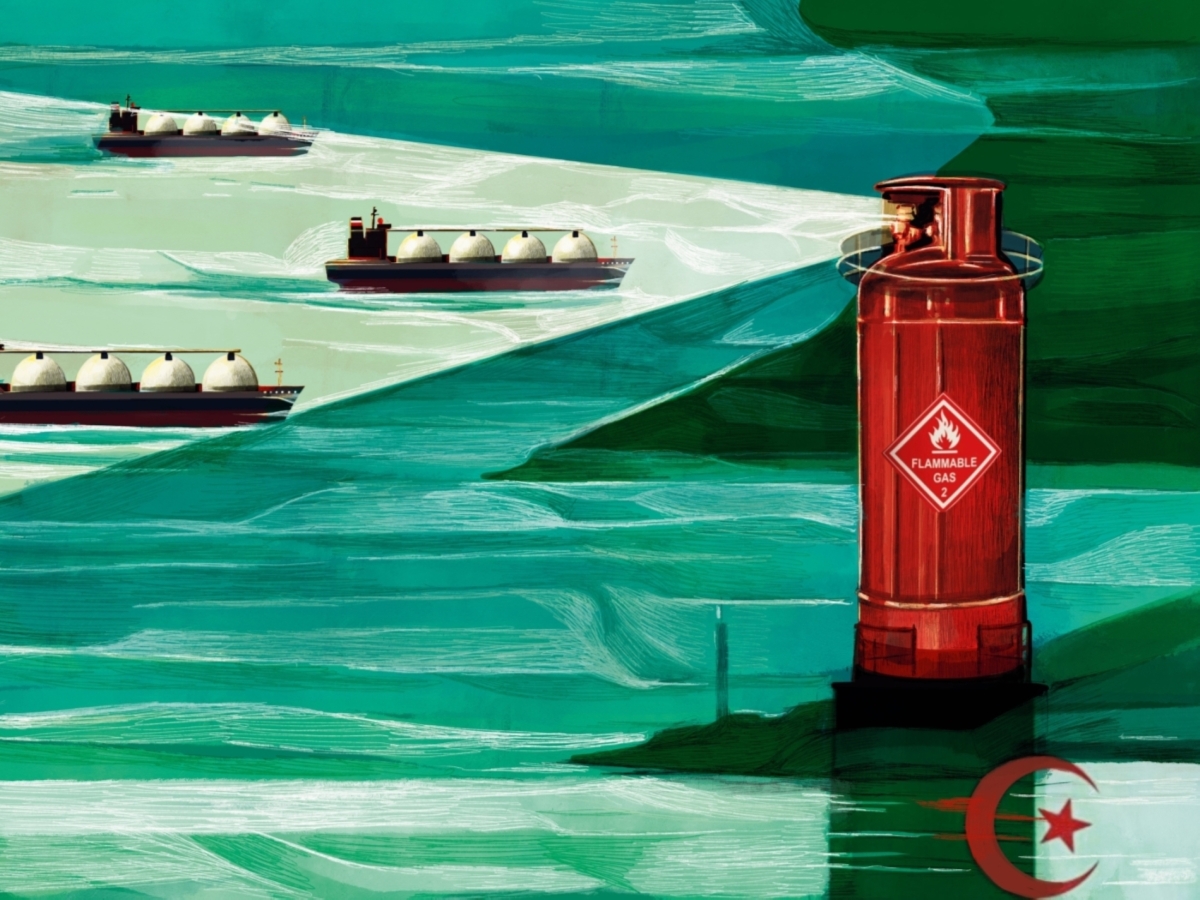
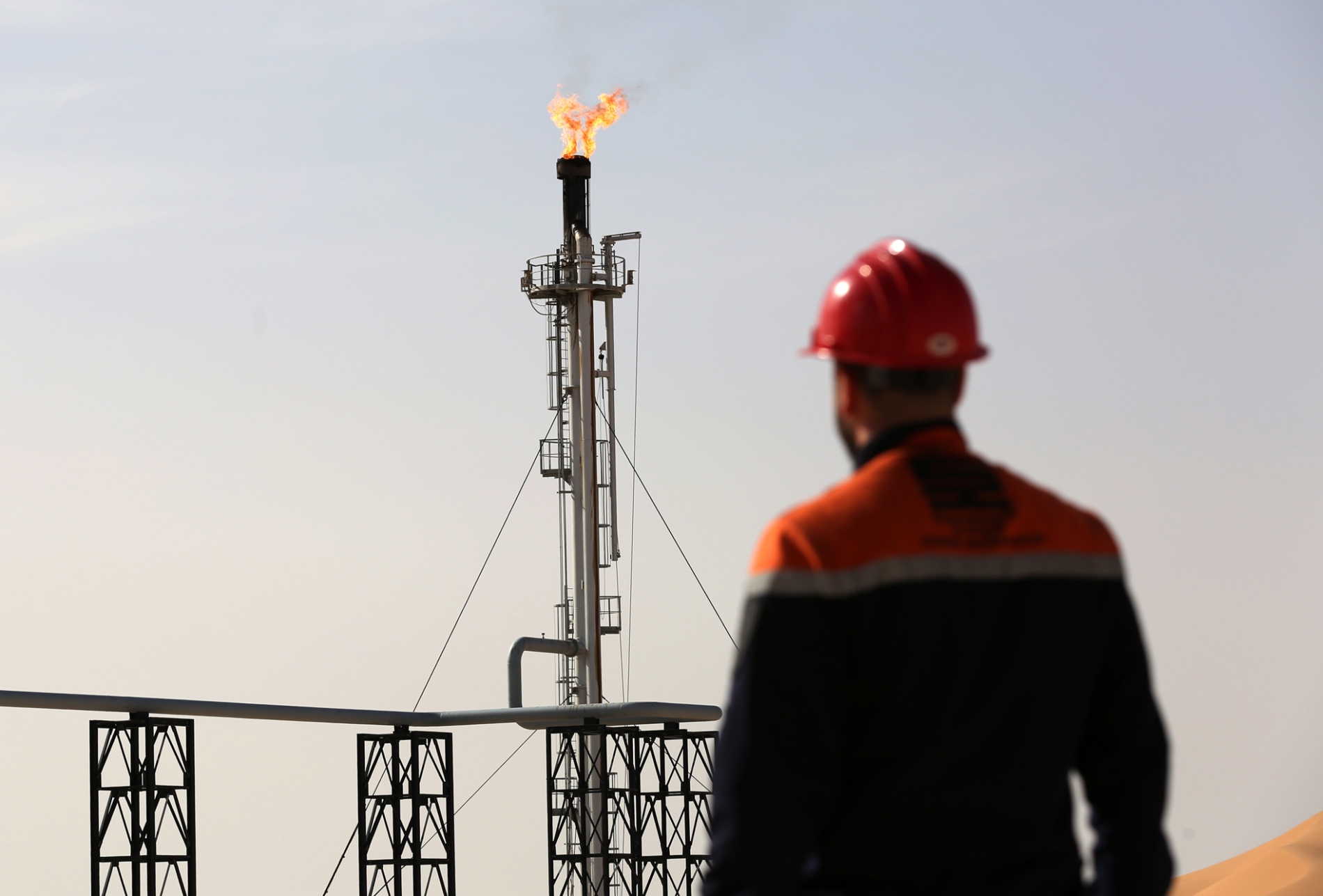
Algeria has become a more reliable partner for energy customers over recent years, as they seek to secure supplies and withstand market volatility in the Middle East. And in the wake of Iran's effective closure of the Strait of Hormuz, and the decline in oil and gas production in certain Gulf states such as Qatar, which has declared force majeure on its long-term liquefied natural gas (LNG) contracts, this interest in Algerian energy grew.
Last week, Italian Prime Minister Giorgia Meloni visited Algeria, a few days after Spanish Foreign Minister José Manuel came. Yet despite the economic gains that Algeria and other African oil and gas exporters reaped from the price spike, there were economic costs as well.
Beneficiary and victim
Khaythar Shnin from the University Centre in Illizi, in Algeria’s east, described it as a “double-edged sword". Speaking to Al Majalla, he said: “Algeria became both beneficiary and victim at once.”
All current indicators suggested that Algeria could secure additional hydrocarbon revenues, said Shnin, implying an improvement in oil income, one of the principal pillars of public budget financing. “This improvement could ease pressure on the public finances, help narrow the budget deficit, and give the state greater capacity to sustain both public and investment spending without recourse to unconventional financing tools.”
Algeria’s 2026 budget law, conversely, forecasts a 2% decline in the country’s hydrocarbon exports this year, with a further 5% decline in 2027 and a 2.7% drop in 2028. Those projections were coupled with expectations that Algeria’s oil revenues would fall to $20.7bn in 2026, $19.9bn in 2027, and $19.3bn in 2028.
The latest monthly data from OPEC showed that Algeria’s oil production rose to 973,000 barrels per day (bpd) in February 2026, up from 967,000 bpd in January. Output last month also came in slightly above the country’s allocated ceiling for the first quarter of this year, set at 971,000 bpd under the plan agreed by eight OPEC+ countries for the gradual unwinding of voluntary production cuts.
The inflow of additional foreign currency could bolster reserves and reinforce the stability of the Algerian dinar, analysts say. This increase will be reflected in the balance of payments through a narrowing of the current account deficit. According to the World Bank, the deficit widened sharply to around $10.5bn, up from $2.9bn in 2024, owing to lower hydrocarbon export prices and volumes and higher imports driven by strong investment demand.
Temporary gains
Shnin thinks higher oil prices “will help generate a temporary surplus and give economic decision-makers in the country greater room to launch—or accelerate—investment programmes in infrastructure, energy transition, and support for productive sectors”. In this way, he said, “the temporary gains associated with rising prices may be turned into a genuine lever for economic diversification”.
Wars increase inflation as supply chains get disrupted, shipping and transport costs rise, and the prices of raw materials and foodstuffs climb on international markets. Since Algeria imports strategic goods such as cereals and industrial materials, it is exposed to what economists call ‘imported inflation’, in which price increases in global markets are passed through to the domestic market. Data from the UN Food and Agriculture Organisation show that Algeria imports up to 14.6 million tonnes of cereal a year.