Should the truce unravel, China has an interest in getting the two sides back to the table, but it would be a difficult task given Tehran's deep mistrust of the US and Israel.
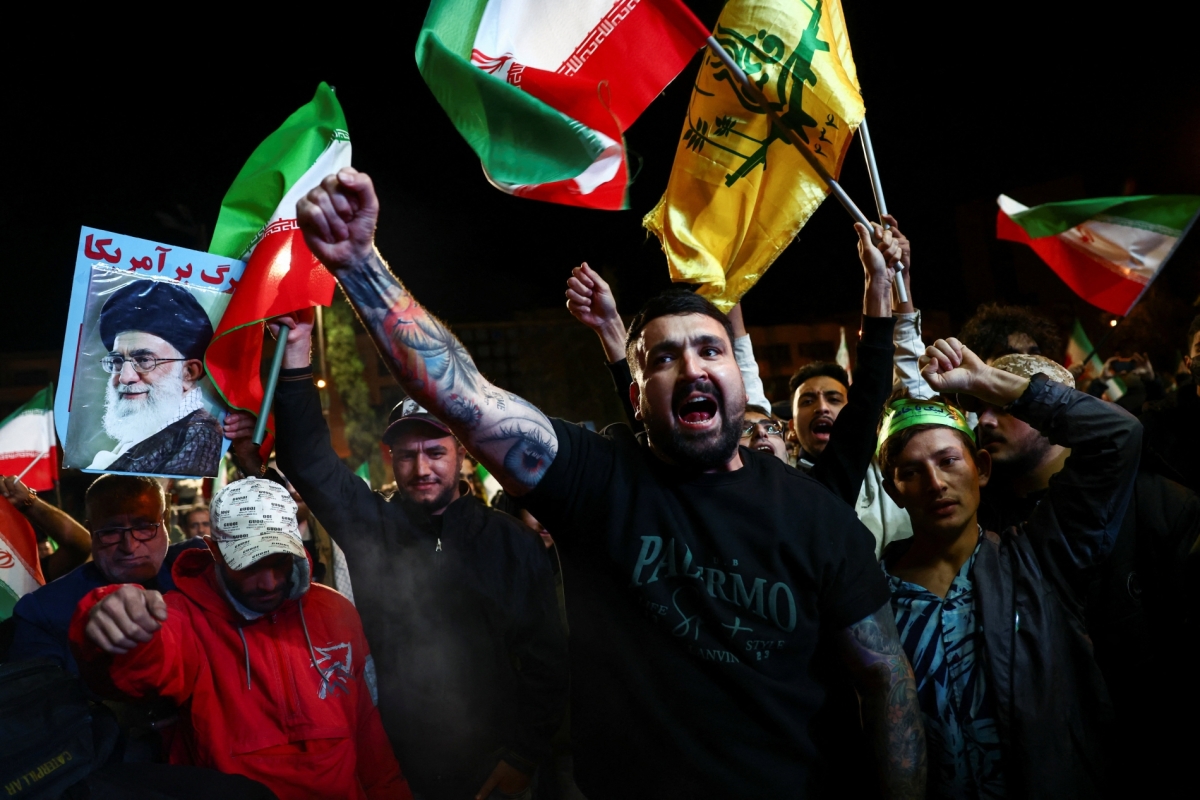
Majid Asgaripour / Reuters
People shout slogans as they gather after a two-week ceasefire in the Iran war was announced, in Tehran, Iran, 8 April 2026.
Although Iran and the US have agreed to a two-week ceasefire—just hours before US President Donald Trump’s deadline to eradicate the Persian civilisation —the truce is unlikely to hold. The US had made its compliance conditional on Iran reopening the Strait of Hormuz, while Iran insists that it will do so only if the waterway remains under its control. But with the US winning the symmetrical war and Iran winning the asymmetrical one, the two countries had essentially reached a standstill. With neither able to defeat the other, this could have been the reasoning behind agreeing to a truce.
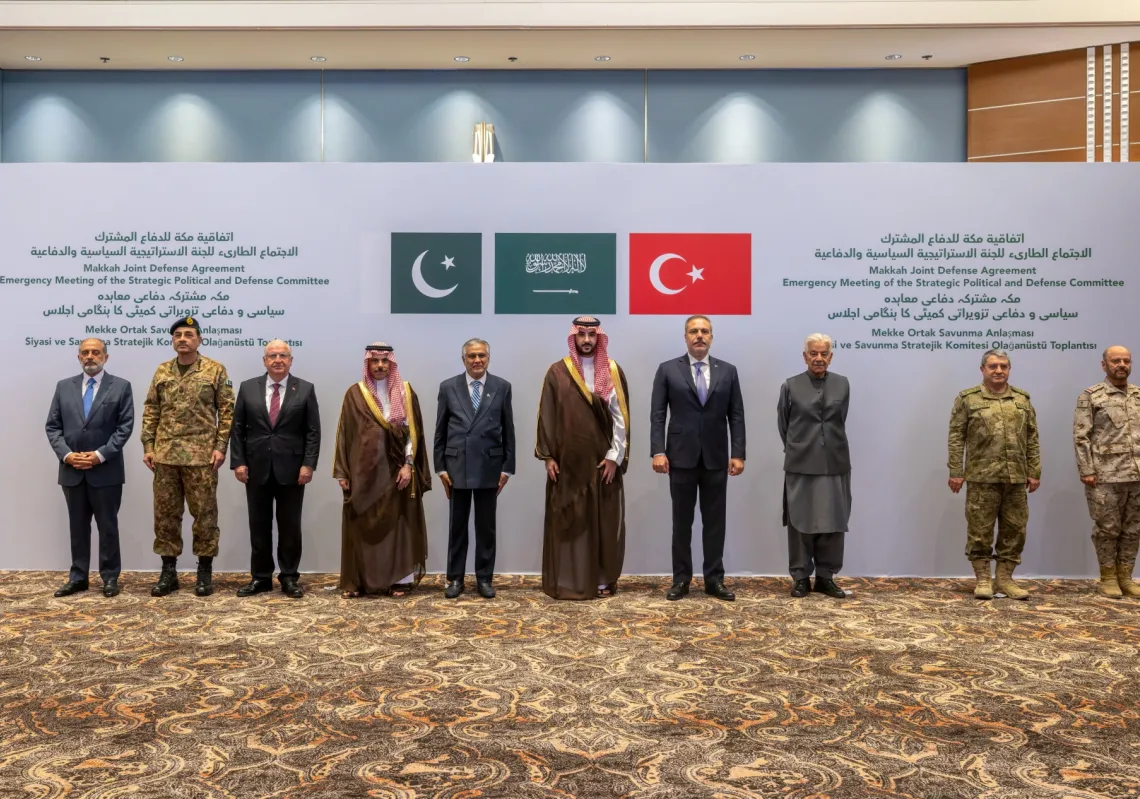
For his part, Trump had been searching for an ‘off-ramp’, conscious of the war’s unpopularity with Americans, even among his supporter base. And for their part, regional actors were also working tirelessly toward a negotiated settlement to the war, with a recent quadrilateral meeting in Islamabad involving Pakistan, Saudi Arabia, Egypt, and Türkiye aimed at that end. And China had been put forward as one of the few states able to guarantee that the US honours its commitments, given Tehran's deep mistrust of Washington. (It had been twice attacked by Israel and the US in the middle of negotiations).
Up until the announcement of the truce on Tuesday night, US President Donald Trump’s bombastic rhetoric and threats had reached frightening levels and thousands of recently deployed US troops sat poised for any ground operations. The region and the global economy were facing grave danger. It was against this backdrop that Pakistani Foreign Minister Muhammad Ishaq Dar travelled to China, despite having sustained a fracture a day earlier. It was in recognition that the stakes could not be higher.
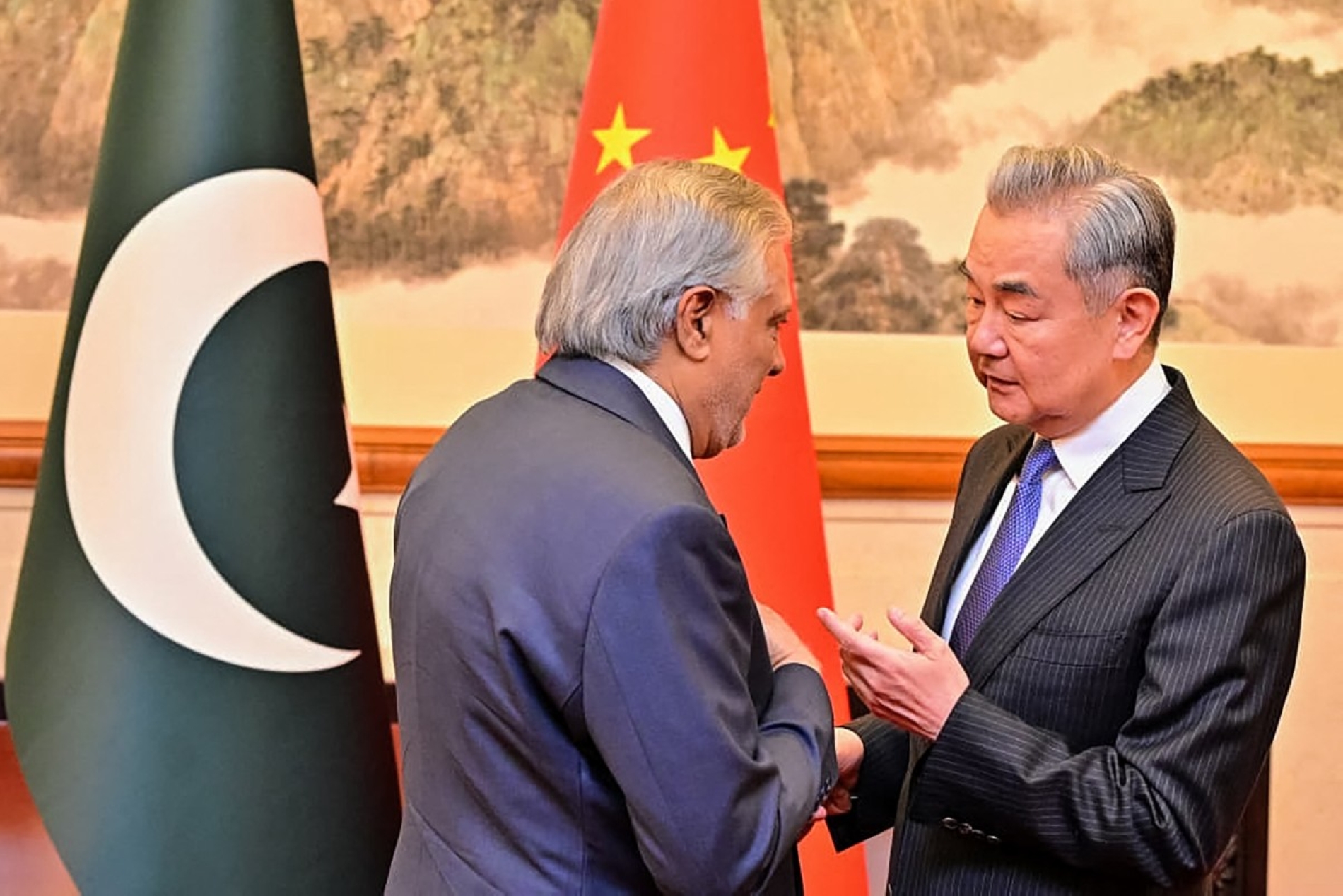
This handout photograph, taken on 31 March 2026, and released by Pakistan's Ministry of Foreign Affairs shows China's Foreign Minister Wang Yi (R) speaking with his Pakistani counterpart, Ishaq Dar, in Beijing.
A matter of interests
As China’s “iron brother”, Pakistan was uniquely positioned to secure its support. Yet, Islamabad’s influence over Beijing is limited. It was the former British Prime Minister, Lord Palmerston, who once observed that states have no permanent allies or enemies, only permanent interests. This observation holds well in Asia. As such, Beijing’s motives will continue to be shaped by pragmatic calculations.
The China-US geopolitical rivalry is not a zero-sum game; Washington's loss does not automatically mean Beijing's gain
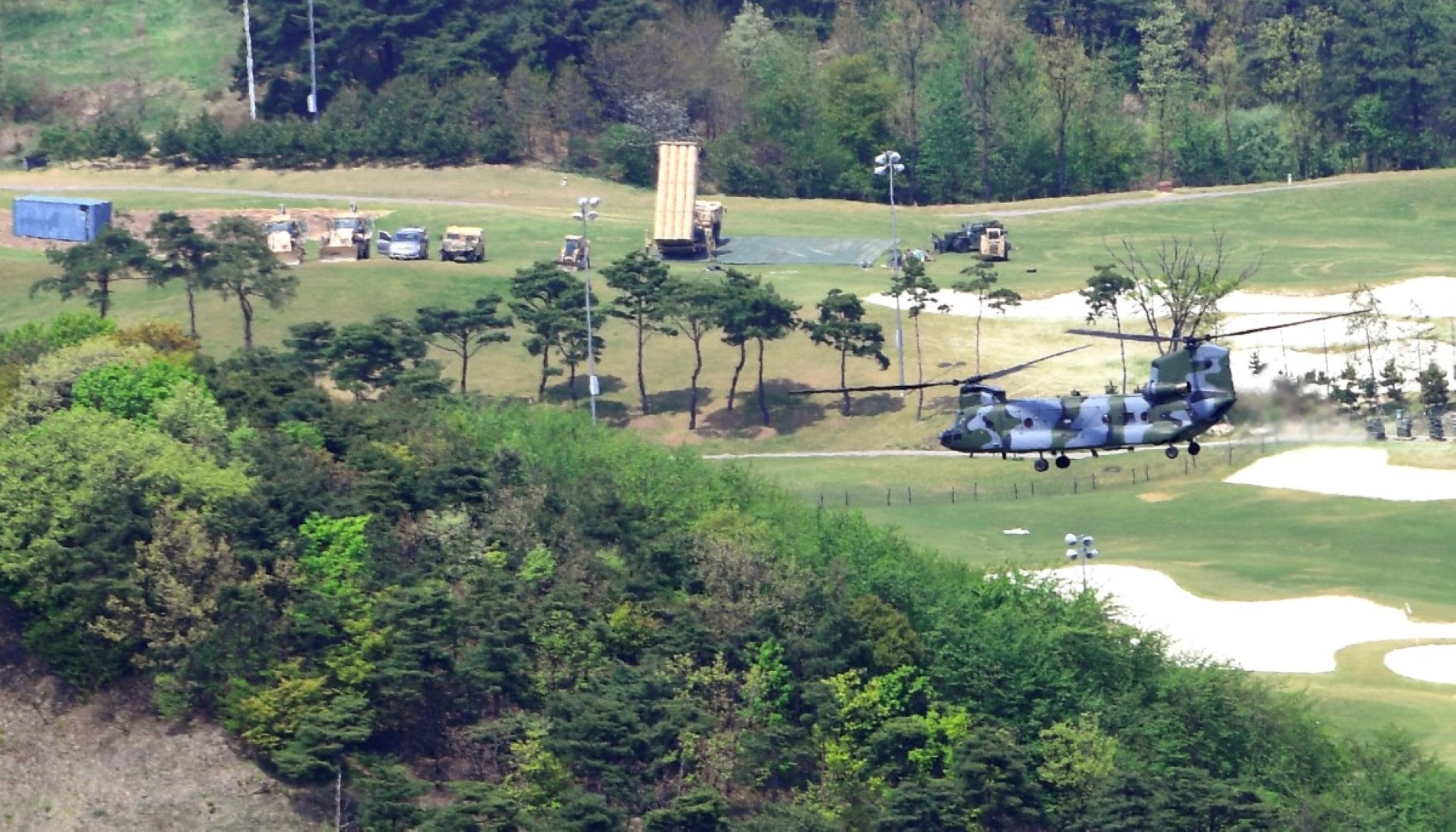
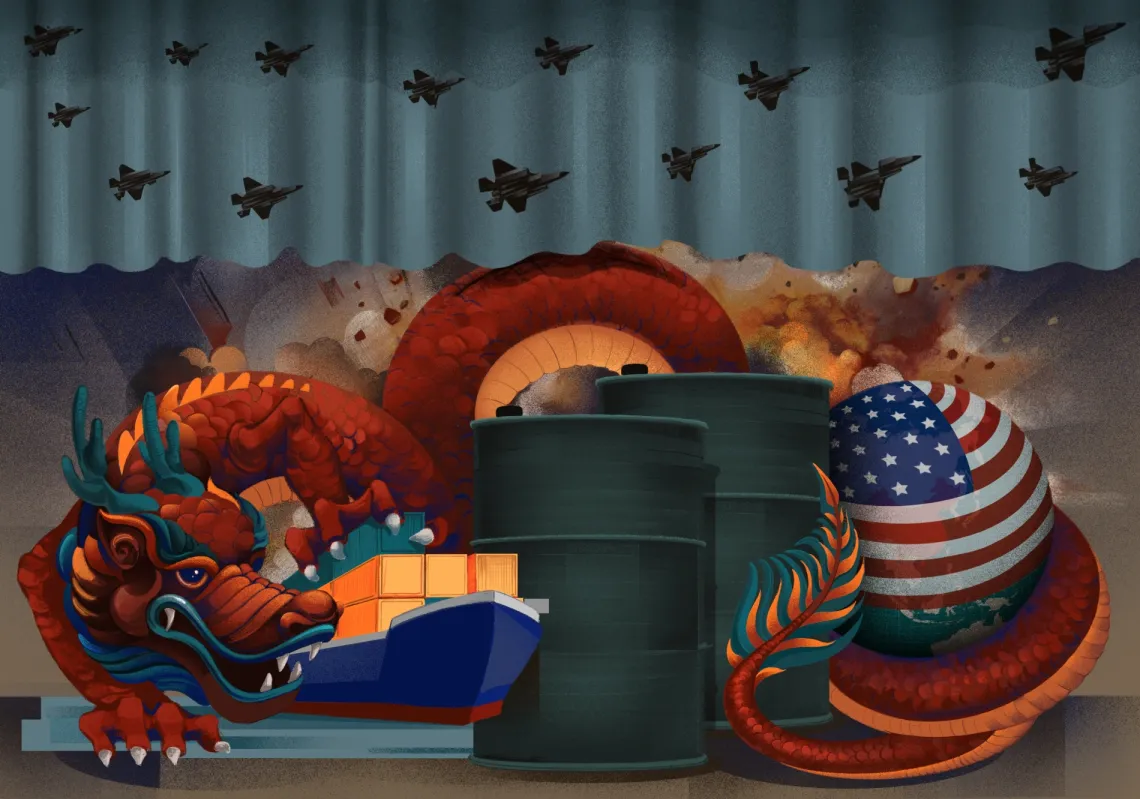
Whether China would step in to mediate peace in the event of any breakdown in the ceasefire remains to be seen. On one hand, US military resources tied down in the Middle East draw them away from the Asia-Pacific, serving China's interests. Likewise, after Iran destroyed several radars from Terminal High Altitude Area Defence (THAAD) anti-ballistic missile systems in the region, the US relocated parts of its THAAD from South Korea to the Middle East.
The US THAAD missile defence equipment at a former golf course in the southern county of Seongju on 26 April 2017.
When THAAD was first deployed in South Korea, it sparked a diplomatic feud between Beijing and Seoul, with China fearing that the system would erode its nuclear second-strike capability. Now that part of the system has been withdrawn, Beijing can breathe more easily. Be that as it may, China still has a vested interest in ending the war. The China-US geopolitical rivalry is not a zero-sum game; Washington's loss does not automatically mean Beijing's gain.
Economic impact
While China would enjoy greater freedom if the US were bogged down in another Middle East quagmire, it would not emerge unscathed. Given the global economy's interconnectedness, the effects may ultimately come back to bite China.
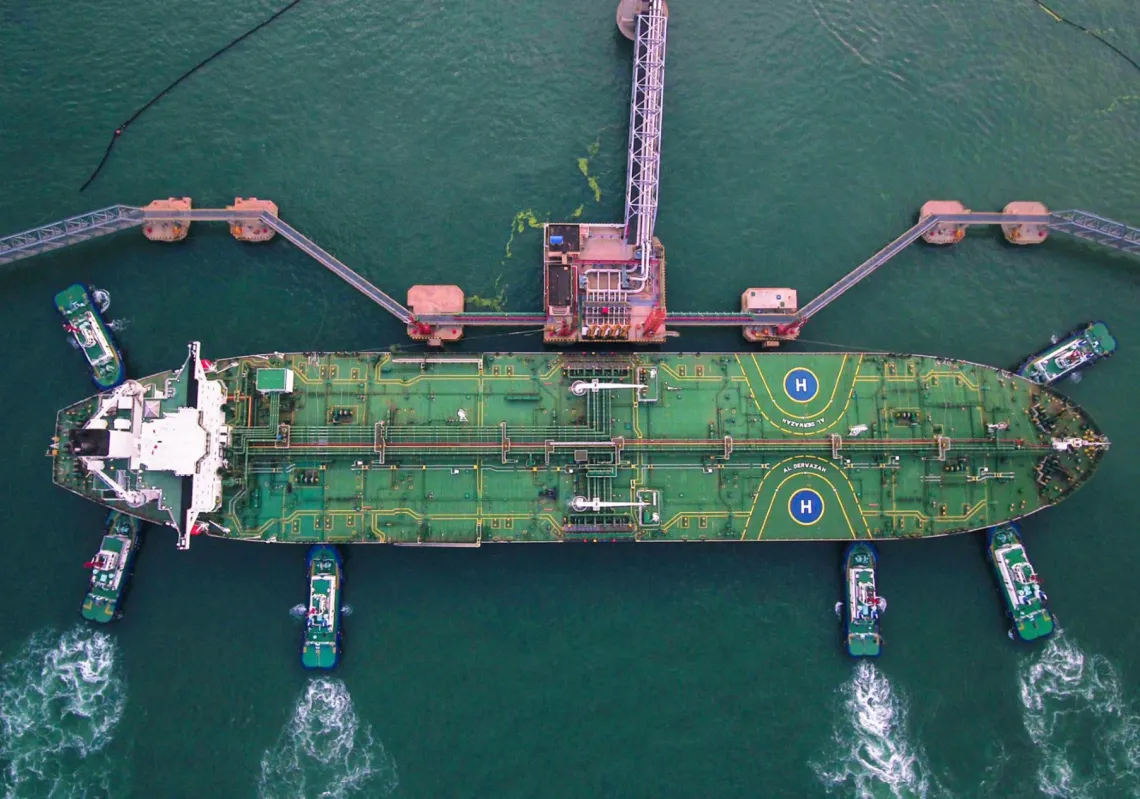
The past month, Iran has been blocking passage through the Strait of Hormuz to ships involved in the war, including those of states supporting the countries that are attacking it. But given that the Strait usually channels around 20% of the world's oil exports, even a limited closure has disrupted global energy markets and sent oil prices soaring.
This would mean that China would find fewer customers for its goods if large parts of the global economies were to collapse, and around 40% of China's imported oil comes through the Strait. While China has amassed a vast four-month oil stockpile, this offers only a temporary reprieve, so a lasting solution would still have been needed.
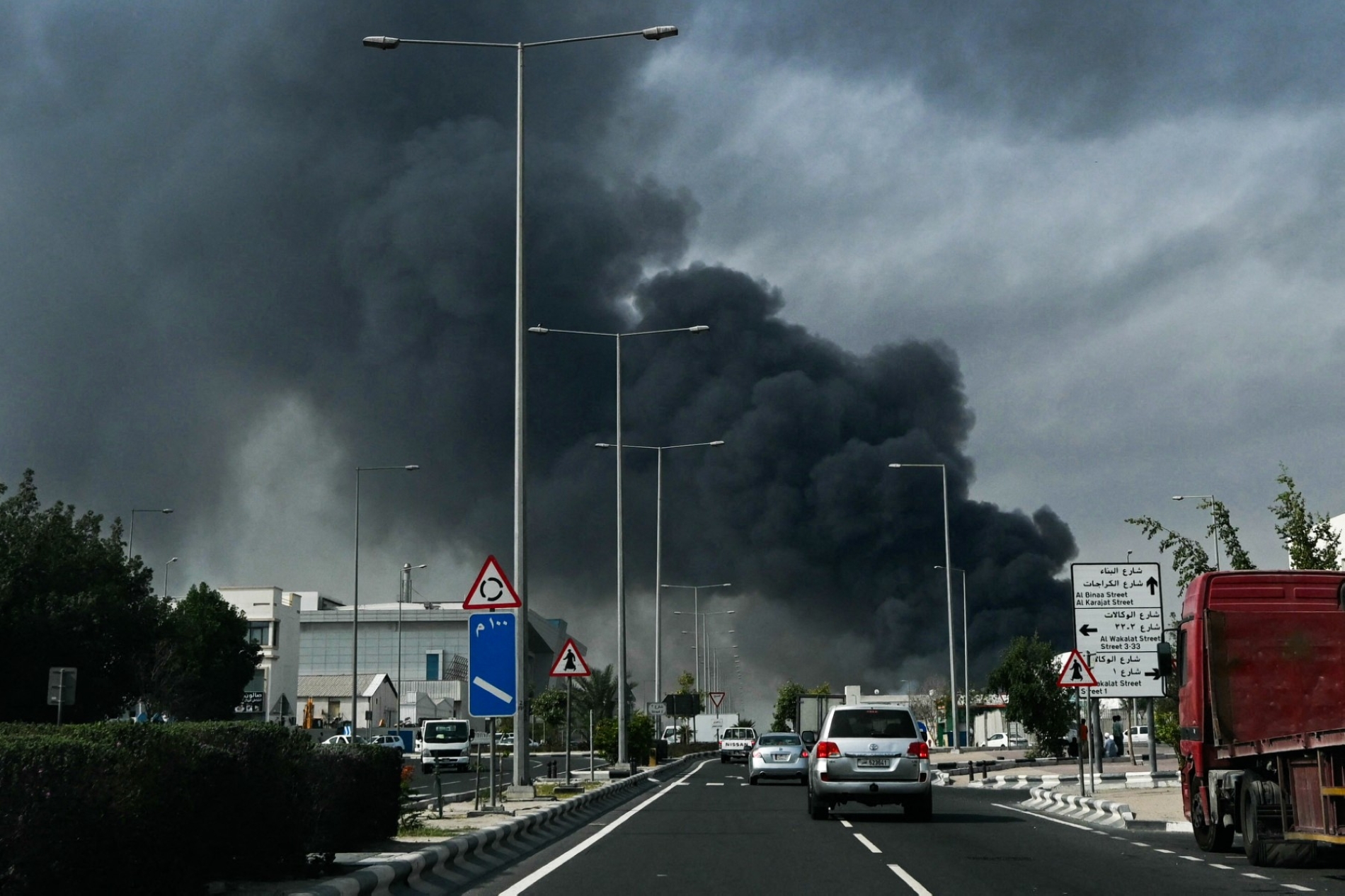
Motorists drive past a plume of smoke rising from a reported Iranian strike in the industrial district of Doha on 1 March 2026.
Additionally, Iran's attacks against neighbouring Gulf states had also threatened China's economic interests in the region. In 2024, trade between Gulf countries and Beijing was $257bn, compared to just $13.37bn in China-Iran trade (although this does not account for Iranian oil shipped via 'shadow fleets' and bought by the Chinese). But China is still Iran's largest trading partner.
No convergence
The benefits of China mediating peace outweigh its drawbacks. Still, if the ceasefire collapses, getting the two sides back to the table to reach a more long-term peace agreement will be very difficult. High-ranking Iranian officials have been killed in the US-Israeli airstrikes, many of whom were more open to negotiations, meaning that the existing Iranian leadership is now even more hawkish than before. Unless both parties negotiate in good faith, there is little that China can do.
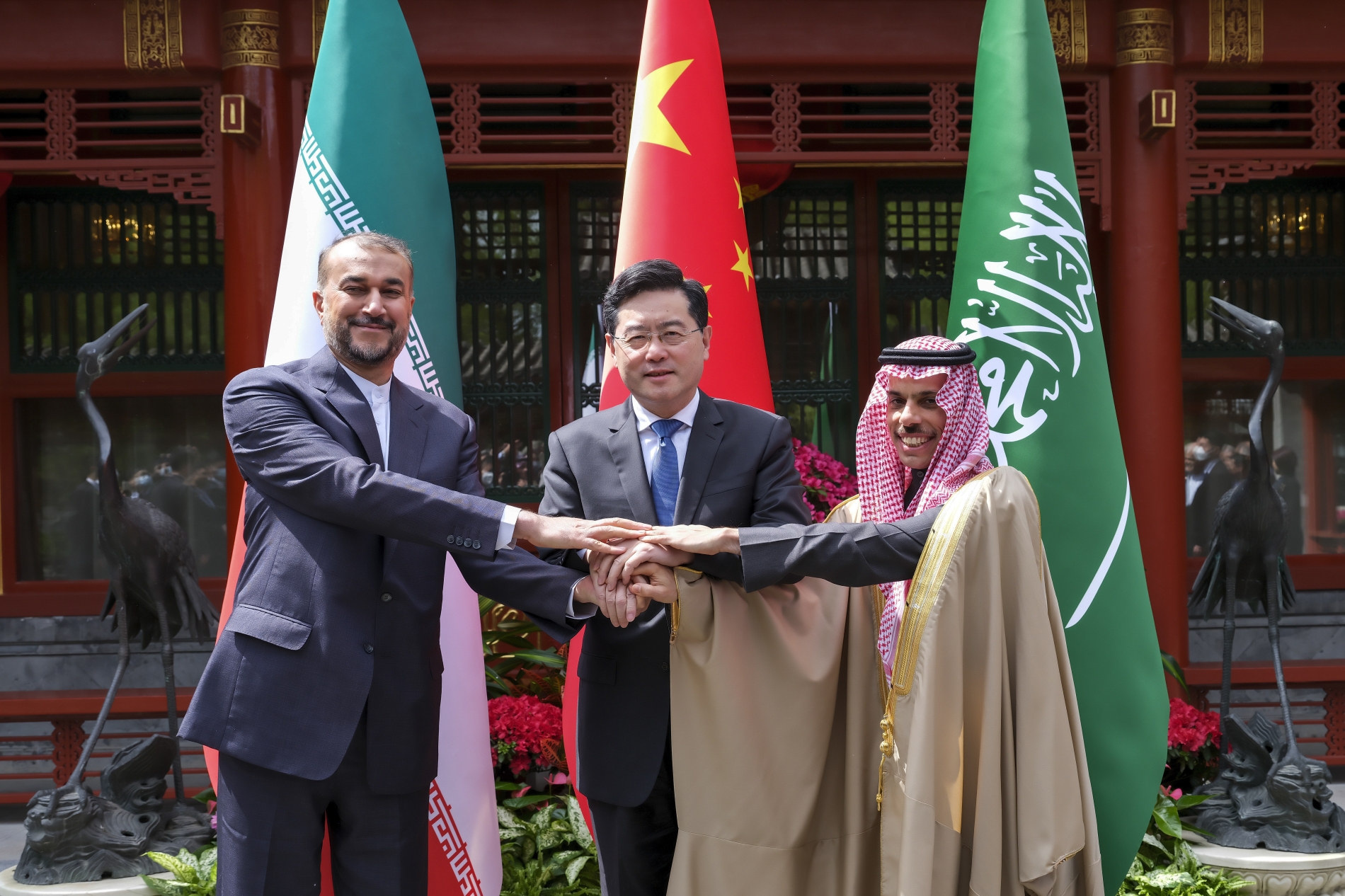
The Saudi-Iran rapprochement—often cited as the prime example of China's mediation capabilities—succeeded only because both countries were genuinely interested in de-escalation. Riyadh sought to develop its economy through the implementation of Saudi Vision 2030, while Tehran sought to resist Washington's maximum pressure campaign.
Iranian Foreign Minister Hossein Amir Abdollahian, with his Saudi counterpart Prince Faisal bin Farhan Al Saud, right, and former Chinese counterpart Qin Gang in Beijing on 6 April 2023.
Unfortunately, however, Israel is actively undermining the peace process. Already, after the ceasefire was announced and Pakistan said it was a regional truce, Israel came out four hours later to claim Lebanon was not included and continued its bombing there. The war serves the political interests of Israeli Prime Minister Benjamin Netanyahu, who is keen to preserve his immunity from corruption charges. It also made it a point to assassinate most high-ranking Iranian officials to prevent the possibility of negotiations, and Trump later claimed that there is no one left to talk to. But the ceasefire shows that the push by major stakeholders to end hostilities is still strong, despite Israel's intragisence.
As things stand, only a clear battlefield advantage by one side, or the passage of enough time and bloodshed, will likely bring both parties to give peace a chance. In the meantime, however, Beijing will bide its time.