


From the earliest hours of the conflict, the Gulf found itself drawn into the very heart of the confrontation. As war erupted between the United States, Israel, and Iran, Iranian missiles and drones struck Gulf states.
Gulf tensions with Iran aren't new. They began nearly half a century ago and gradually expanded into numerous Arab arenas through a range of military, security, and political instruments.
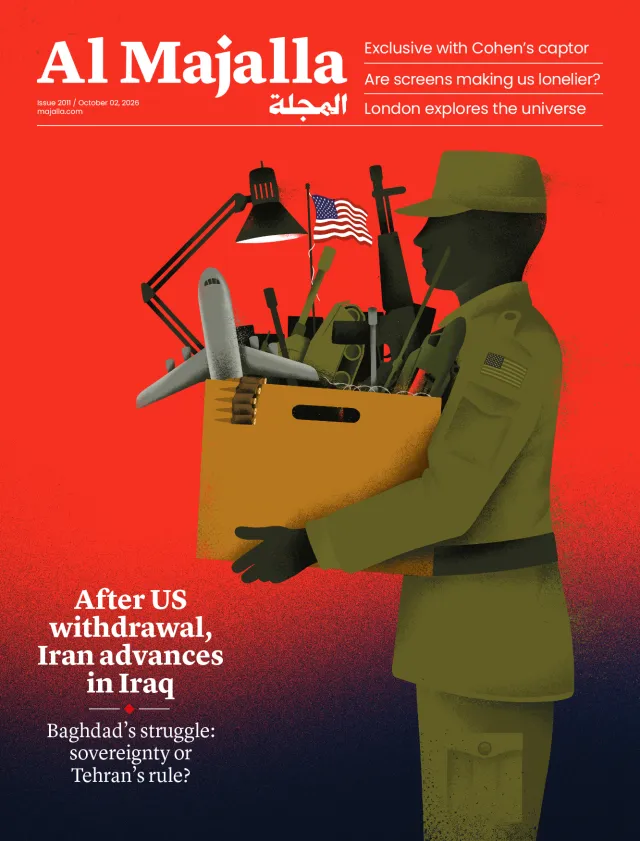
In Iraq, after the United States overthrew Saddam Hussein’s regime and dismantled the institutions of the state in 2003, Iran filled the power vacuum by backing militias and ultimately establishing a new regional security order. Power was dispersed among multiple centres, but all threads ultimately led back to Tehran.
Iran also used its war against the Islamic State (IS) to tighten control over the Arab eastern front. Qasem Soleimani personally oversaw this campaign and strengthened Iran's transnational network of influence linking Iraq, Syria, Lebanon, and beyond. This so-called 'axis of resistance' was capable of swift movement and of striking Iran’s adversaries across several arenas, including the Gulf states.
Iran's long-standing alliance with Syria was one that began early in the life of Khomeini’s revolution with Hafez al-Assad. It endured under Supreme Leader Ali Khamenei and became further entrenched through the relationship with Hafez's son, Bashar.
When anti-government protests erupted in Syria in 2011, Iran quickly intervened to prop up the regime. It sent advisers and fighters and deployed 'Axis' militias. This—along with support from Russia—helped tip the scales of the conflict in Assad’s favour.

