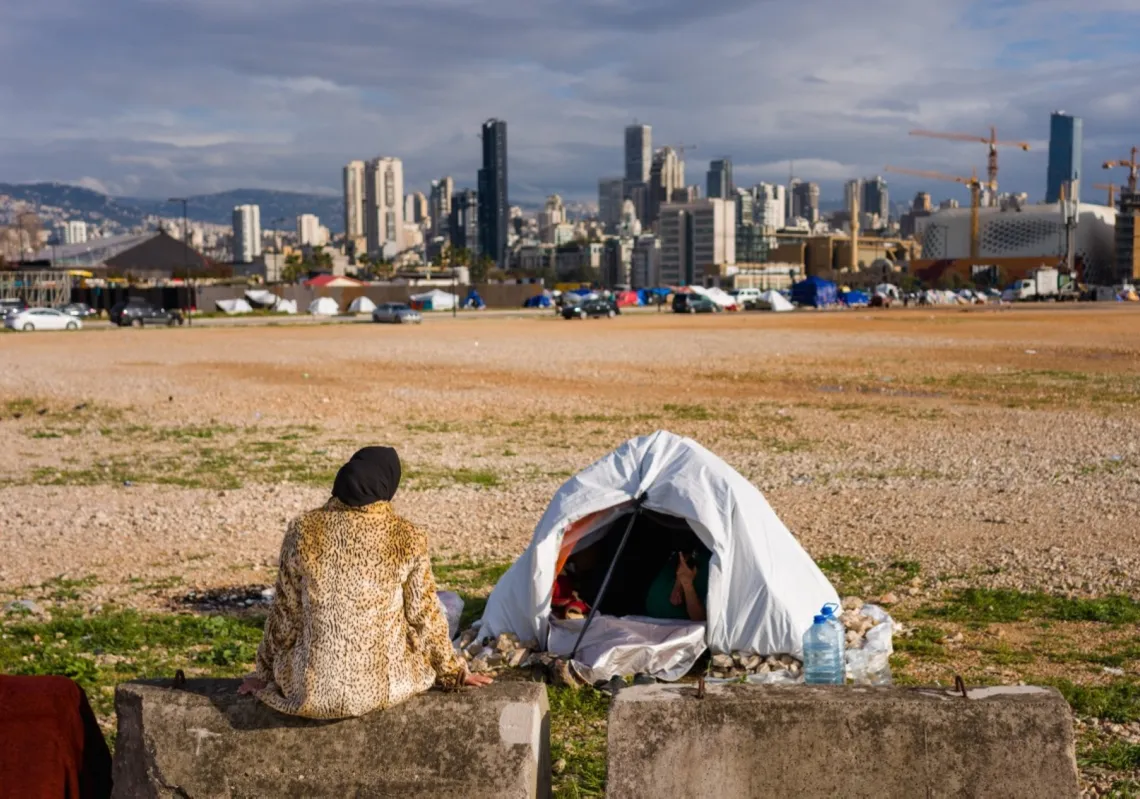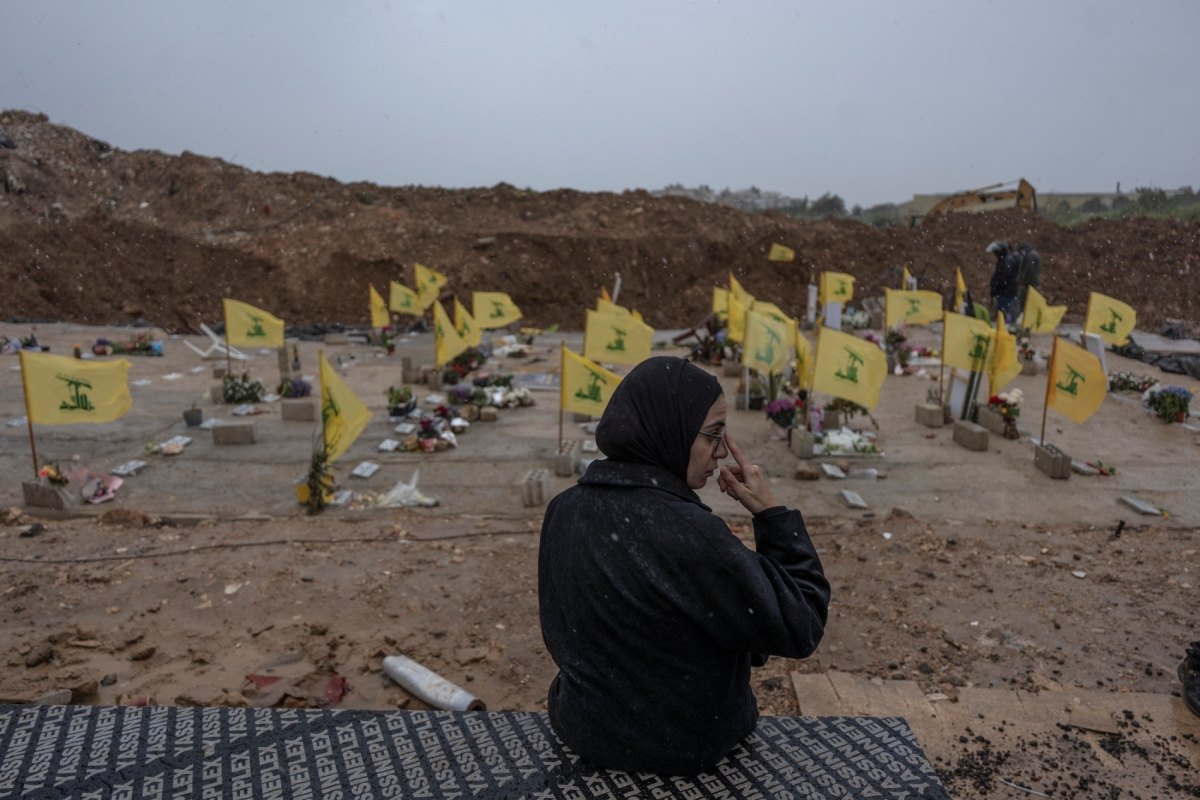

While Iran has pledged that a resolution to the war in Lebanon will be included in any potential deal on ending the US-Iran war, respite can't come soon enough to Lebanese on the ground who are being pummelled day and night by Israel's brutal war machine.
At the moment, it remains unclear where Lebanon stands on Iran's list of priorities. Many analysts say Iran's bargaining position improves the longer it drags out the war and holds global energy trade hostage in the Strait of Hormuz. If this is true, this bodes badly for Lebanon. Israel could establish facts on the ground and follow through on its pledge to move its borders up to the Litani River and effectively annex South Lebanon by the time Iran is ready to come to the table.
This effectively means Lebanon is on its own, with no hope for a negotiated settlement to the war on the horizon. The slim diplomatic opening afforded to the Lebanese during the devastating 2024 war has been firmly shut in 2026. All that people are left with is a war more brutal than any other in Lebanon's modern history—even the 1982 Israeli invasion of Beirut and subsequent occupation.
At that time, at least there were American red lines. In August 1982, then-US President Ronald Reagan, who was visibly upset by television reports of Lebanese civilian casualties inflicted by Israel, picked up the phone and told Israeli Prime Minister Menachem Begin to stop, describing carnage as a "holocaust."
Before the phone call, mediation led by US envoy Philip Habib did not begin until Israeli forces had reached the heart of Beirut in the summer of 1982. Will history repeat itself in 2026? Will external mediation only begin after Israeli forces reach the Litani River, or perhaps go beyond it?
Perhaps what happened more recently in Syria after the fall of Bashar al-Assad's regime in December 2024 offers clues. At the time, Israeli forces advanced to within 20km of Damascus before US envoy Tom Barrack intervened to separate forces and outline terms.
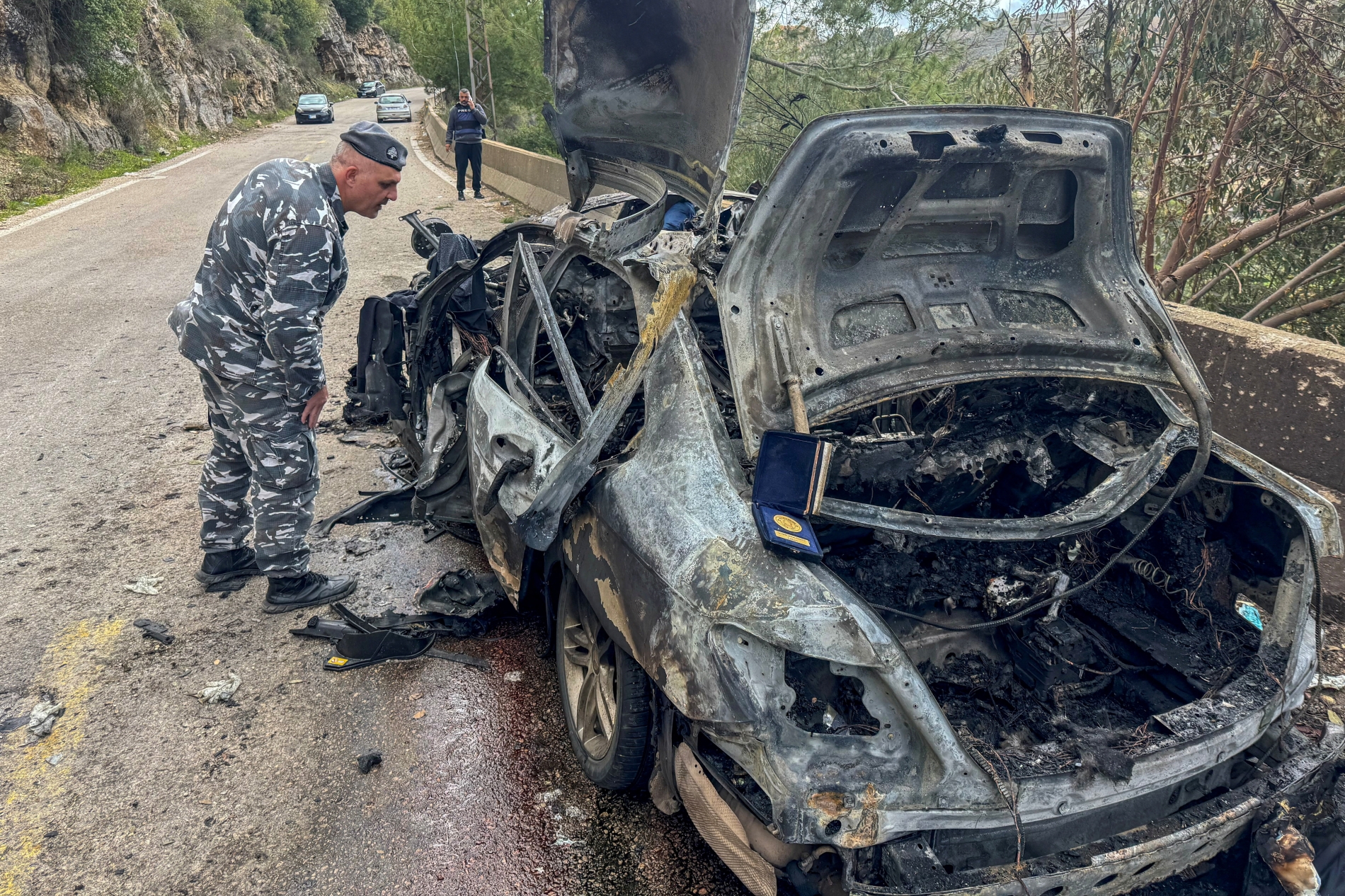
France's role also remains uncertain. Although it moved quickly with an exploratory initiative, seeking an early place in any future settlement and reflecting its political investment in Lebanon since the 2020 Beirut port explosion, it has not been granted an American green light.
French President Emmanuel Macron appears to be talking out of two sides of his mouth as he warned against Israeli occupation while also hardening his rhetoric against Hezbollah, which is fighting back against said occupation. And Foreign Minister Jean-Noël Barrot urged Israel to enter into dialogue with Beirut while welcoming its decision to expel the Iranian ambassador—a move opposed by Hezbollah and Amal, who form a significant bloc within the government.