
Ever since the United States and Israel began bombing Iran on 28 February 2026, Europe has appeared sidelined and divided over a conflict that could shape the international balance of power in the years ahead. As might be expected, differing approaches by its 27 member states show that the European Union (EU) has yet to forge a unified position, despite the likely impact this war will have on the continent.
A fragmented stance and an absence from the battlefield or planning process mean that European states have no meaningful influence over the direction of Iran’s future, despite the 2026 war constituting a grave threat to regional and global security. Given its importance, some question whether European political and defence engagement has been commensurate with the scale of the challenge.
Changing role
There appears to have been a passive acceptance of the steady contraction of Europe’s role, to the point that Washington no longer considers it necessary to brief European NATO allies on its plans or concern itself with prior coordination. Since 2003, the European troika of France, Britain and Germany have pursued a peaceful resolution to the Iranian nuclear issue, together with the US, Russia, and China. Having negotiated with Iran during Barack Obama’s White House tenure, the six states agreed and signed the Joint Comprehensive Plan of Action in 2015.
In the 2016 presidential campaign, Donald Trump made clear that he did not like the nuclear accord. He won the election and withdrew from the agreement in 2018. This diminished Europe’s mediating role, and this has extended to the 2026 war, whose effects have been felt not just in Iran and Israel but in the Gulf, Iraq, Jordan, Lebanon, Cyprus, and Azerbaijan. Europe now faces the consequences of a war it never sought.
The 27 member states have generally adopted a cautious approach, as European leaders consider the impact. The war’s effects have already been felt in the global energy markets, but there are mounting fears of a fresh wave of migration from Iran, while US-Israeli attacks against the Iranian state’s security establishment may also unleash a new terrorist threat that could one day threaten Europe.
Staking positions
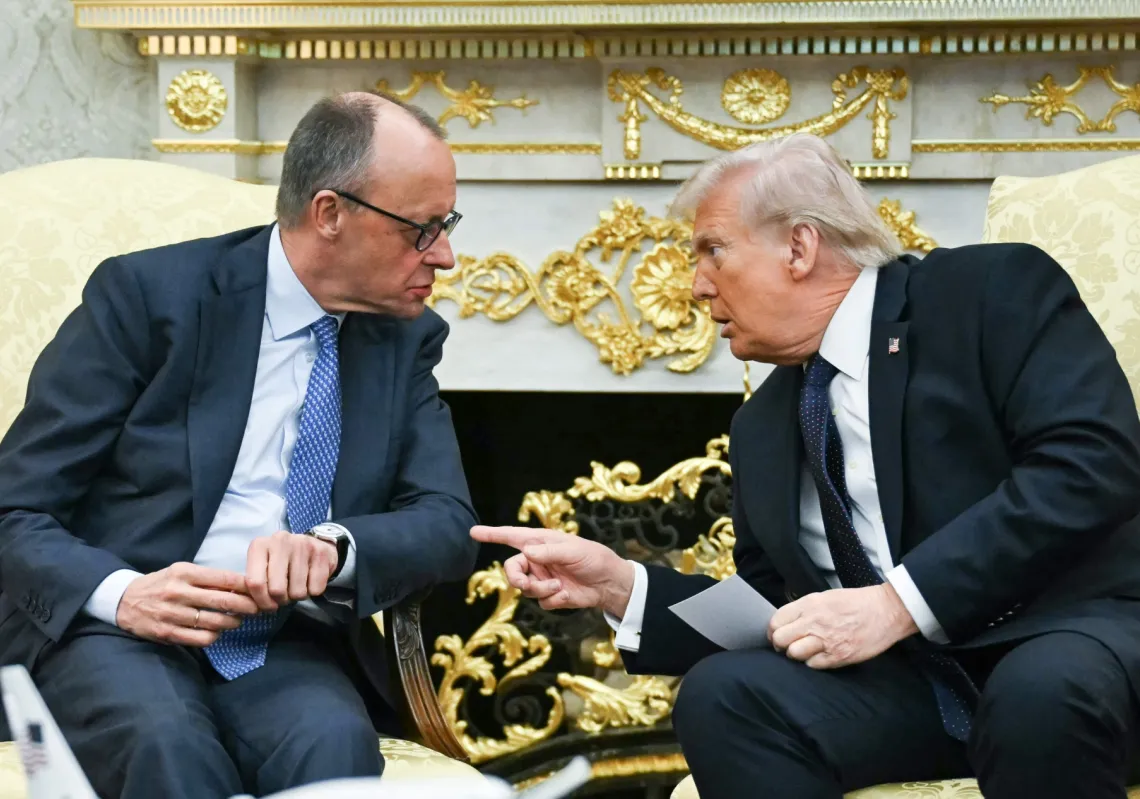
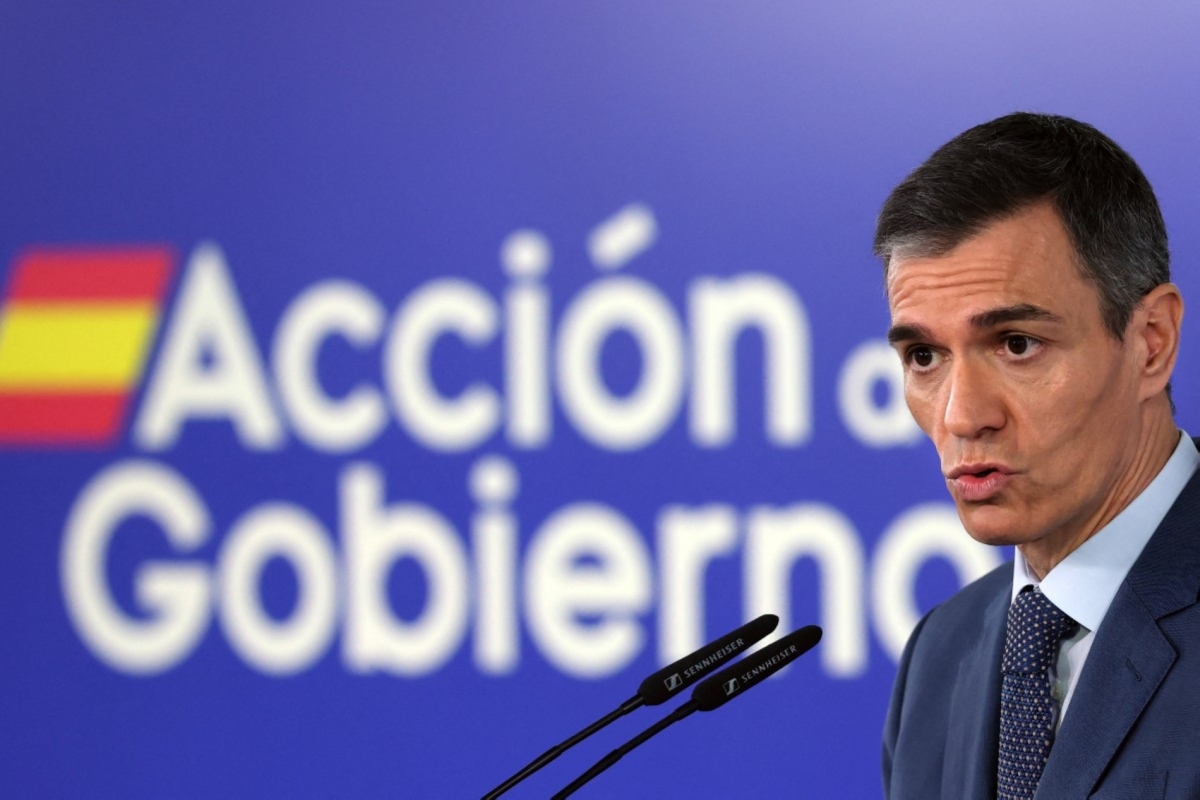
While Europe lacks the capability and vision to influence events in Iran, most of its member states remain reluctant to antagonise the United States. Germany and much of Eastern Europe—most notably Hungary—have aligned themselves with America, but Spain has condemned the war as unlawful and refused to make its bases available to the US military, which left Trump threatening Madrid with a trade boycott.
The troika considered that the US-Israeli attack violated international law, but held Iran responsible for the circumstances that led to war. The UK’s position raised eyebrows. Its much-vaunted ‘special relationship’ with the United States was tested by London’s initial refusal to allow Diego Garcia, its Indian Ocean military base, to be used for offensive American military operations against Iran (it was later allowed for ‘defensive’ sorties).
In the eastern Mediterranean, the British government has had to manage relations with its Cypriot peers after Iranian missiles targeted the British airbase on the island, while French President Emmanuel Macron said his country’s forces could undertake defensive measures from the eastern Mediterranean to the Arabian Gulf, with Paris bound by a defence treaty with the United Arab Emirates since 2009.
Fears and priorities
For Europe, war in the Gulf risks diverting attention from Ukraine, which is its overriding priority, particularly now that Trump’s stop-start mediation has taken a back seat. If Ukraine has taught the Europeans anything, it is the importance of air defence and the interception of drones, which are perhaps the most defining feature of hybrid warfare, but there are currently few signs that this lesson is translating into action.
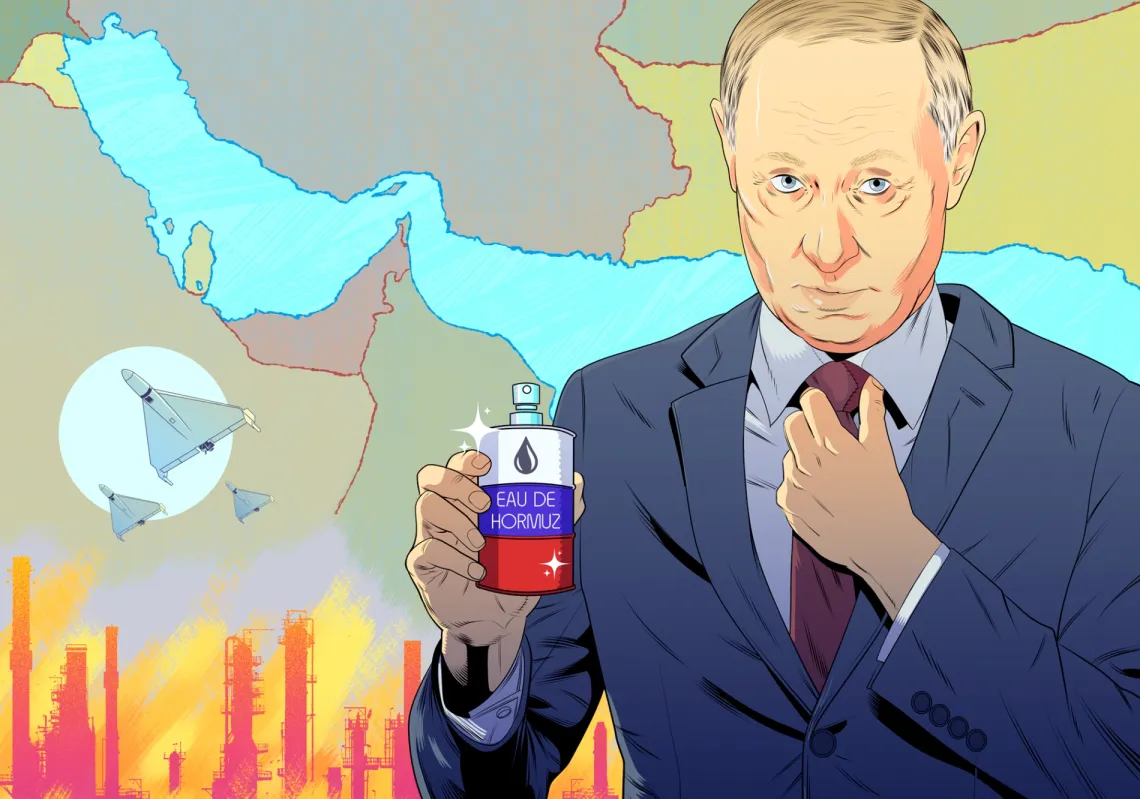
Equally significant is Europe's fear of being drawn into the war itself, knowing that its military capabilities are not on a par with those of the US or Israel. This was laid bare by Britain's navy's lack of readiness, its destroyer HMS Dragon finally reaching the Gulf four weeks after fighting began. Trump's request that European allies help keep the Strait of Hormuz open was met with reluctance, which he said would be remembered.
With mounting frustration on all sides, the rift between the US and Europe under Trump is widening, news of which will be joyfully welcomed by Russia's President Vladimir Putin. The sharp rise in energy prices resulting from the closure of the strait could inflict a severe inflationary shock on European economies. This, in turn, could fuel the rise of far-right European political parties of the kind Trump has championed.