In a world where more than 95% of international data flows through unseen submarine cables, the Strait of Hormuz and the Bab al-Mandab are no longer merely conduits for oil and gas. They have become hidden digital arteries carrying the pulse of the global economy.
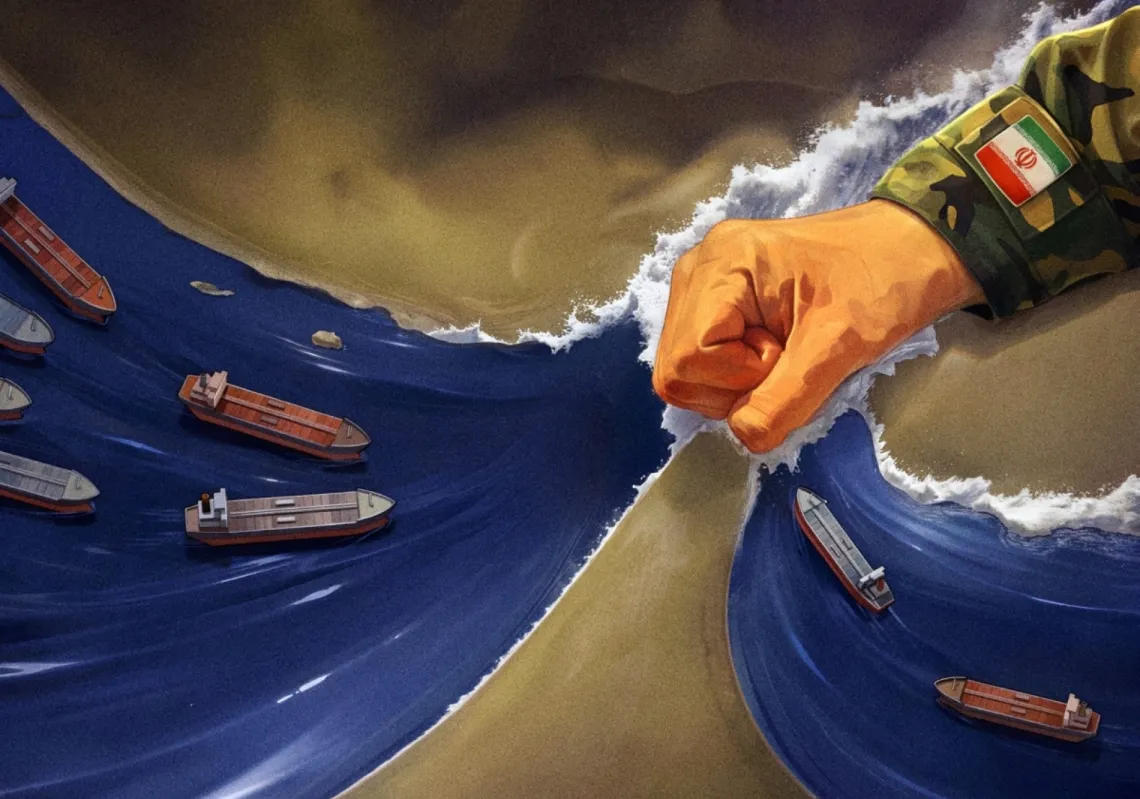
As the US-Israeli war on Iran has intensified, commercial navigation through the Strait of Hormuz is effectively closed to US and Israel allies—including the movement of maintenance and repair vessels—with only selective non-Western transits permitted. The Bab al-Mandab, meanwhile, has witnessed mounting security tensions, threatening global communications and the ambitions of major data centre and artificial intelligence companies in the Gulf states.
The internet now faces an unprecedented dual chokepoint risk. The Bab al-Mandab is among the most consequential bottlenecks in the world’s digital architecture, while the Strait of Hormuz forms a critical regional chokepoint for Gulf networks.
Of the two, the Bab al-Mandab is the most critical, acting as a global bottleneck between Asia and Europe. Between 15 and 20 major submarine cables pass through it, including the SEA-ME-WE 4, 5, and 6 systems, AAE-1, IMEWE, EIG, SEACOM, and TGN, as well as regional branches such as FALCON and GCX. Roughly 17 to 20% of global internet traffic passes through the Red Sea.
The Strait of Hormuz, meanwhile, lies at the heart of the Gulf’s digital connectivity. It contains a dense network linking Iran, Iraq, Kuwait, Bahrain, Qatar, and the UAE to the wider world through vital landing points in Oman.
Cables such as Fibre in Gulf, Gulf Bridge International, 2Africa Pearls (which is being completed gradually and activated in phases), SEA-ME-WE-6 (particularly its Bahrain branches), and Tata TGN-Gulf are essential infrastructure for major artificial intelligence projects, including Stargate UAE and AWS and Google Cloud data centres in the Gulf.
According to a 2026 submarine cable map published by TeleGeography, these cables are concentrated within a narrow geographical corridor, leaving them exposed to cascading damage from ship anchors or collateral strikes. The danger extends into cyberspace, including the exploitation of automated data rerouting to carry out Border Gateway Protocol (BGP) hijacking, in which data is diverted through hostile servers.
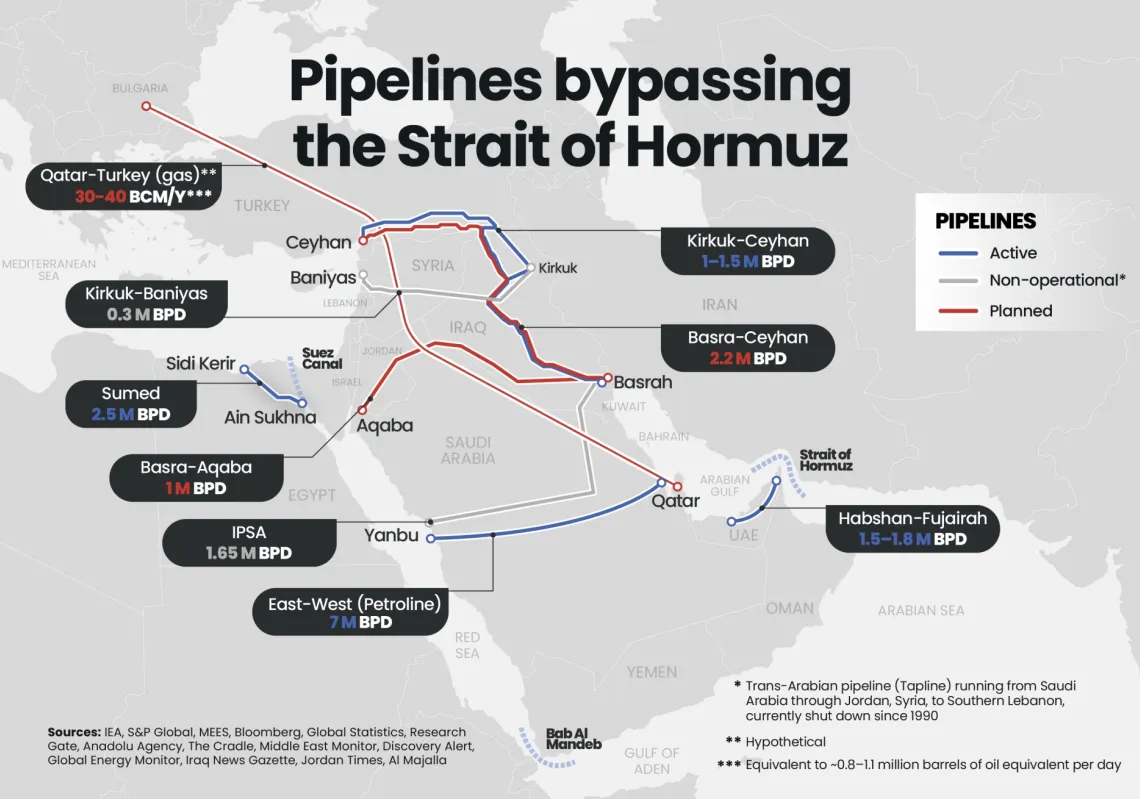
While states have typically been able to safeguard the flow of oil through alternative routes, the arteries of data remain strategically exposed
Most of these cables are owned by international consortia composed of telecommunications companies and technology giants. The SEA-ME-WE-6 consortium, for example, whose cable stretches 21,700km, includes 16 principal members, among them Egypt's Telecom Egypt, France's Orange, India's Bharti Airtel, Singapore's Singtel, Saudi Arabia's Mobily, Bahrain's BEYON, and Microsoft.
Gulf cables such as FIG and GBI are managed by multilateral consortia that bring together regional companies such as Qatar's Ooredoo and India's Tata Communications, alongside the UAE's e-Marine, which is responsible for maintenance. This arrangement reflects a hybrid model combining commercial investment with state backing, with state-linked companies occupying a prominent place alongside global partnerships.
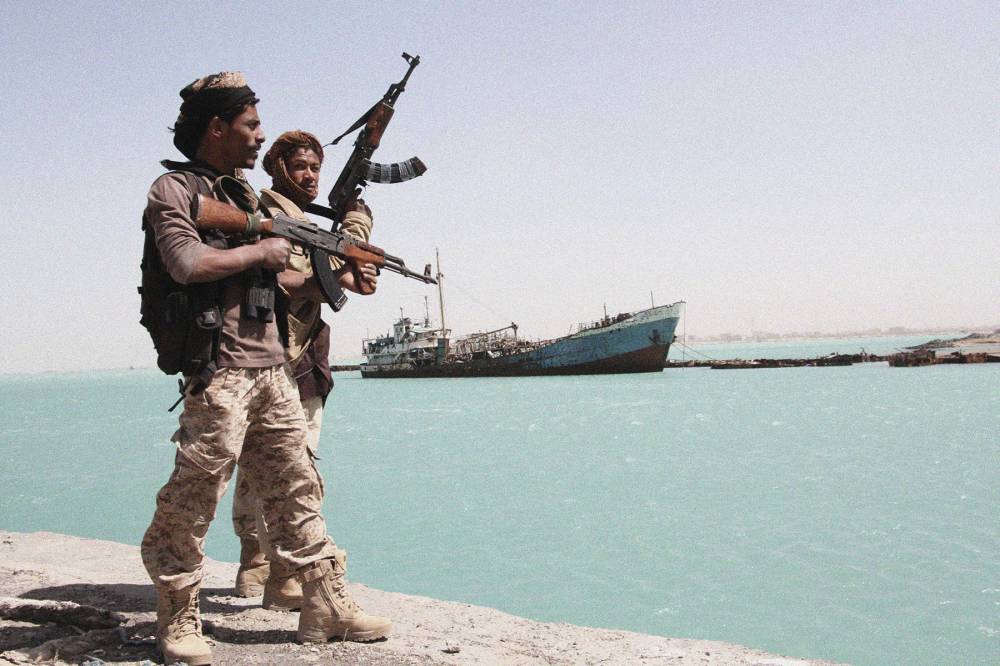
Pro-government forces walk in the port of the western Yemeni coastal town of Mokha on 9 February 2017 as part of a major offensive to recapture the coastline overlooking the Bab al-Mandab strait.
Digital backbone
These cables form the digital backbone for millions of users and strategic projects. Through the Bab al-Mandab, they channel internet traffic between Europe, Asia, and Africa, while powering data centres and artificial intelligence initiatives in the UAE and Saudi Arabia. They also provide vital connectivity for India and the Gulf states, whose digital economy, financial sector, and e-commerce depend almost entirely on them.
According to reports published in March by Capacity Global and Rest of World, Red Sea routes rank among the world's busiest and most vital data corridors. They carry a substantial share of intercontinental data traffic, serve as essential infrastructure for data-centre and cloud expansion, and act as a key artery of the global data economy, where AI-related investments reach trillions of dollars.
Firstly, maintenance is the weakest link in times of conflict. The number of cable-repair vessels worldwide does not exceed 60. With maritime restrictions in place and insurance companies refusing to cover operations in conflict zones, even a minor fault may turn into a prolonged interruption, or perhaps a permanent one.
Secondly, most artificial intelligence applications depend on cloud-based inference. Any cable outage would sever the region's users from central processing servers, abruptly halting time-sensitive services and causing losses that could run into the billions. Then there's the fragility of rerouting. Although the BGP reroutes traffic automatically, alternative pathways quickly become congested and overburdened.
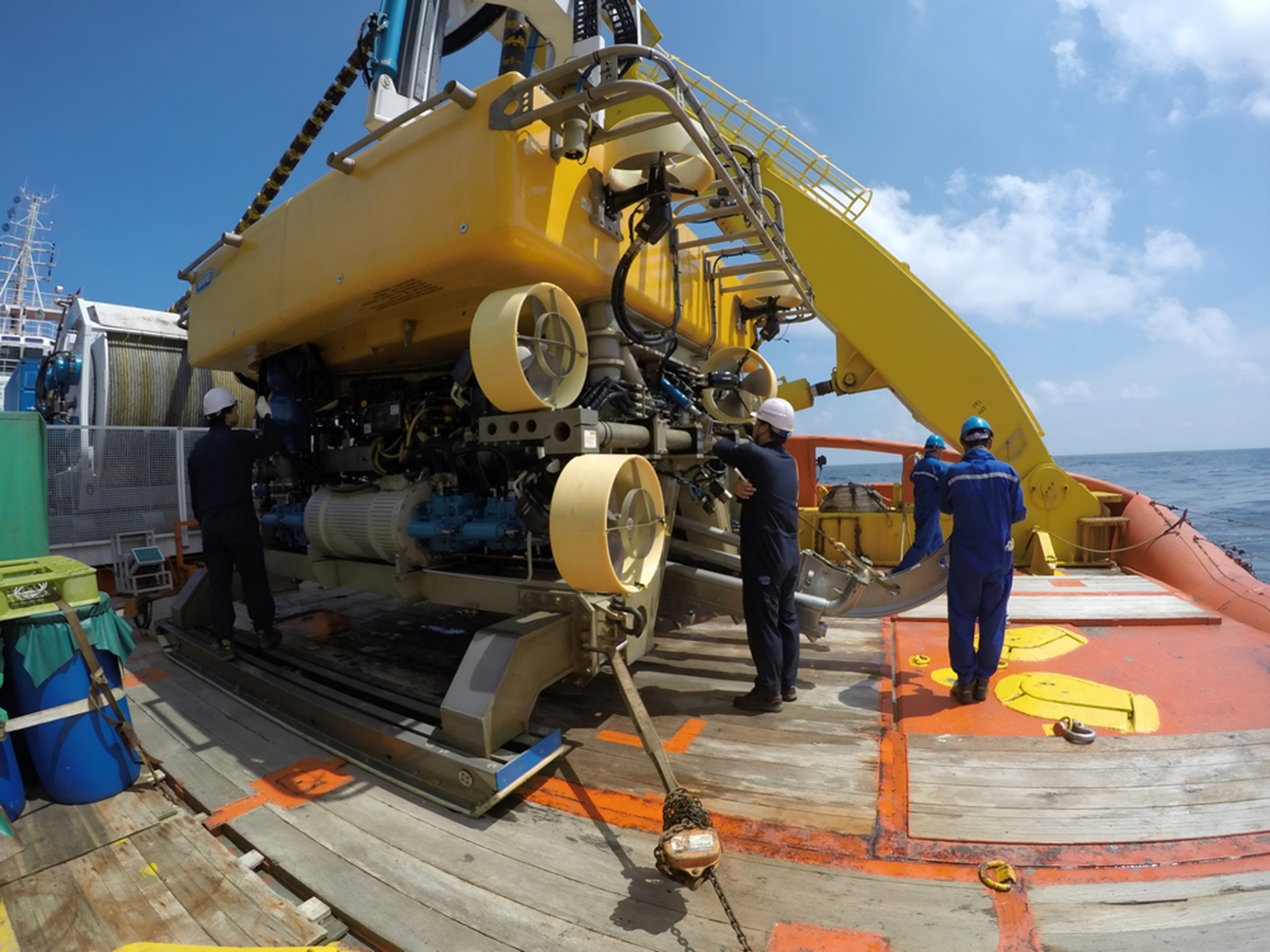
Workers prepare to lay internet cables on the ocean floor
Thirdly, should disruption endure or deepen, three principal levels of impact may be foreseen: limited disruption (a perceptible slowdown and higher latency, without a widespread outage); regional disruption (partial impairment of cloud-computing services and digital platforms across the Middle East and South Asia); and widespread disruption (a reshaping of global internet routes, rising data-transport costs, and a direct blow to e-commerce and financial services).
In the worst-case scenario, data traffic between Asia and Europe could be forced onto far longer routes, perhaps even through other continents, placing unprecedented strain on global infrastructure and eroding the efficiency of the digital economy as a whole.
Bypass options
In response to this reality, states across the region have begun embracing digital bypass strategies, echoing the logic of overland oil pipelines. One notable example is SilkLink, announced in February 2025 by Saudi Telecom Company (stc) in partnership with the Syrian sovereign fund. With an estimated cost of $800mn, the project will develop Syria's telecommunications infrastructure through a 4,500km fibre-optic network, new data centres, and landing stations connected to international submarine cables, strengthening services such as cloud computing and the Internet of Things. It forms part of stc's broader strategy to expand cross-border digital infrastructure and deepen connectivity between Arab, Asian, and European markets.
Another project is the Emirati-Iraqi WorldLink, a $700mn hybrid fibre-optic connection combining terrestrial and submarine elements. Its purpose is to create a new digital corridor linking Asia to Europe through Iraq and Türkiye. The project positions both countries as major data-transit hubs offering alternatives to traditional routes. It also responds to the growing demand for infrastructure driven by the global artificial intelligence boom and its implications for regional interconnection, economic development, and geopolitical resilience.
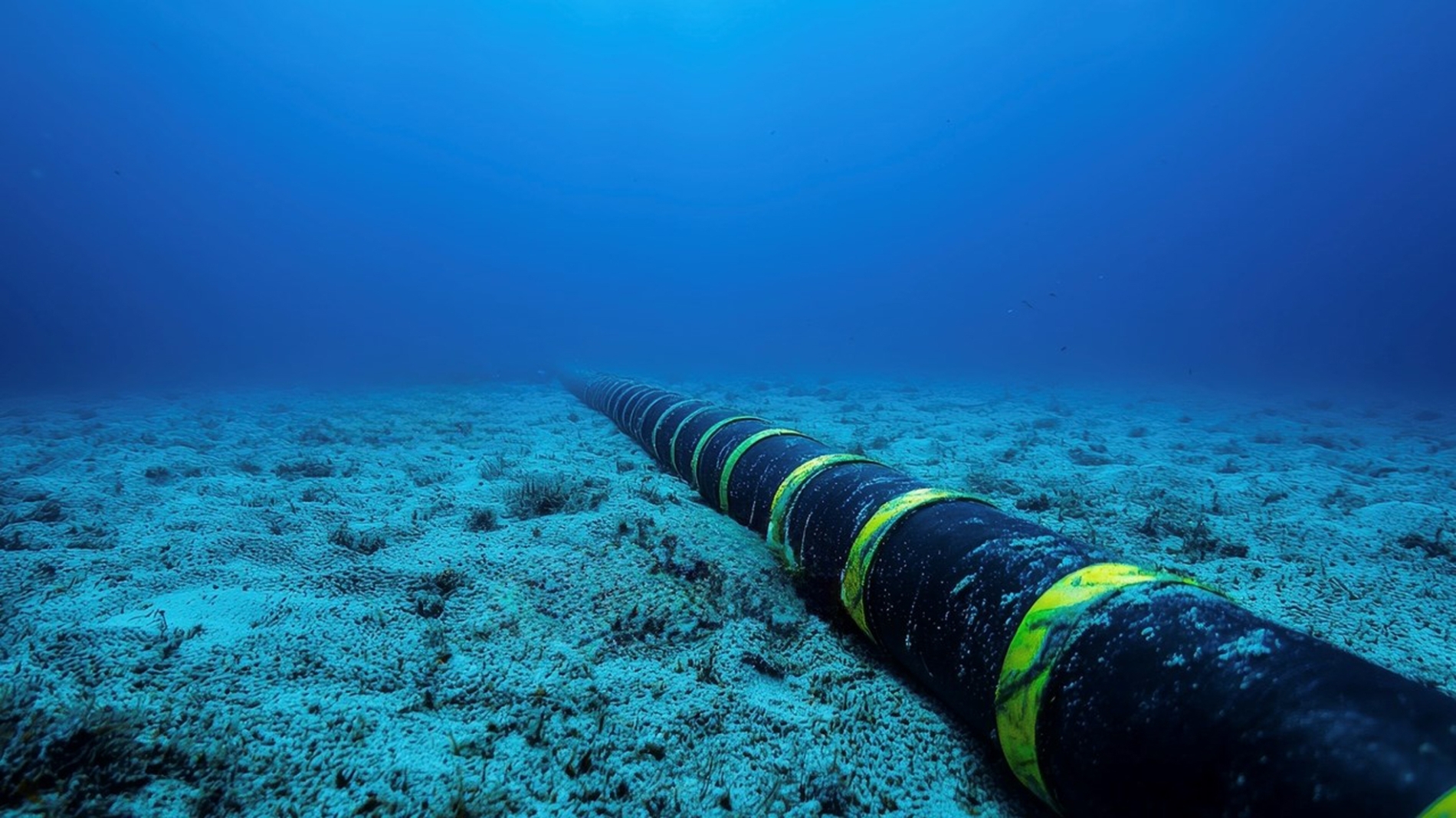
Picture for illustrative purposes
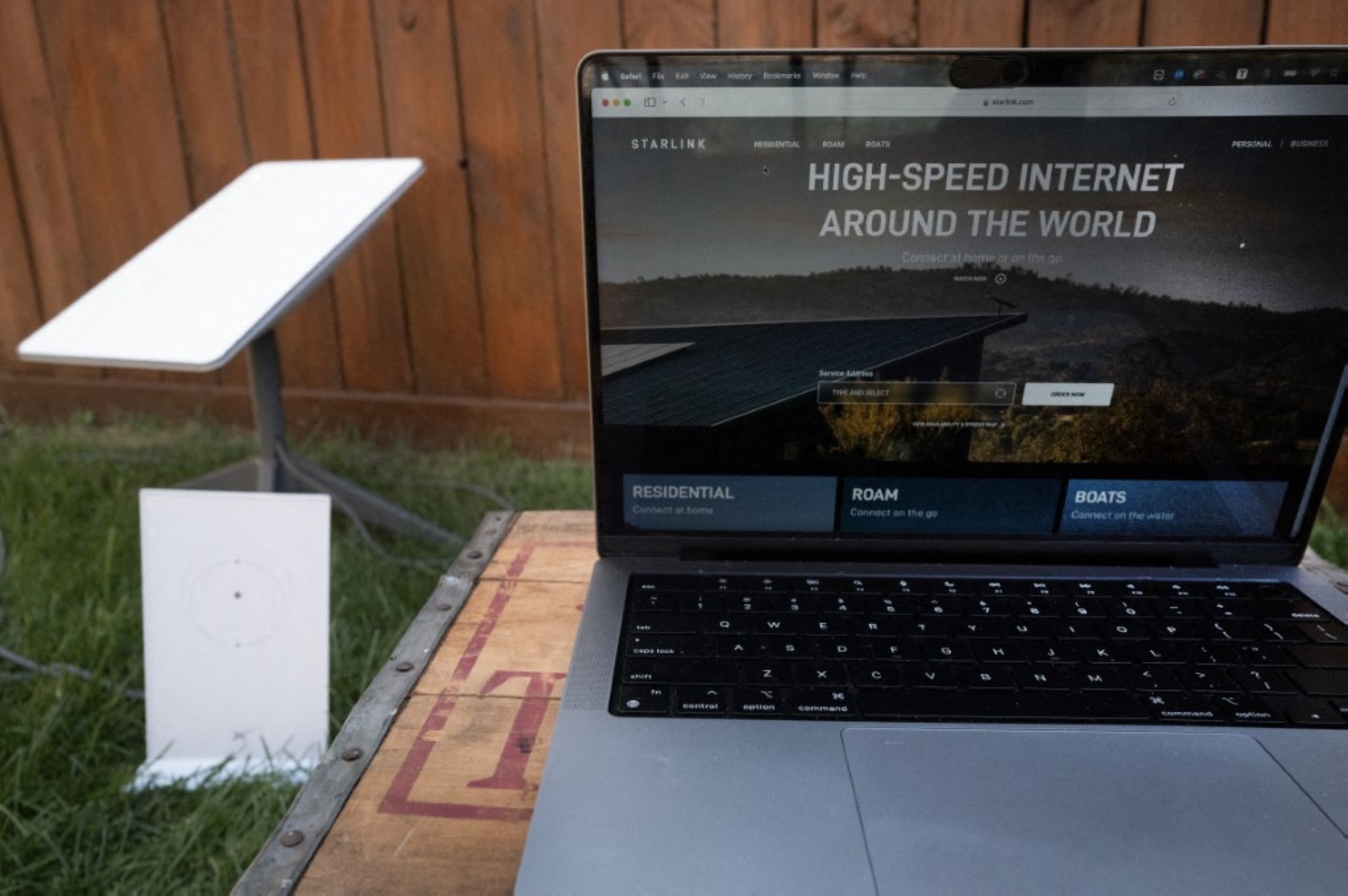
Despite their significance, services such as Starlink remain incapable of replacing submarine cables: their capacity amounts to only about 1% of that a submarine cable. As a result, attention has turned to more structural responses. The crisis of 2026 has accelerated the shift towards edge AI, in which models are run and data processed locally on users' devices or in small regional data centres, reducing overall dependence on transoceanic cables.
For decades, the architecture of the internet has been concentrated around a limited number of cable landing points, shaped by considerations of energy, cooling, and economic feasibility. That model served effectively for many years, until geopolitics began to intrude on the network's physical infrastructure.
What is unfolding today is more than a passing disturbance. It points to a deeper shift in the geography of computing: denser regional interconnection, more exchange points, and a broader spread of smaller facilities closer to users, rather than dependence on a handful of vast corridors. This, in turn, points to a deeper structural weakness. The internet is still designed as an industrial system of 'pipes', built around central corridors and fragile chokepoints, rather than as a distributed and resilient network akin to those found in natural ecosystems.
And while states have historically succeeded in safeguarding the flow of oil through alternative routes, the arteries of data remain strategically exposed, not least because they are so difficult to store or replace in real time.