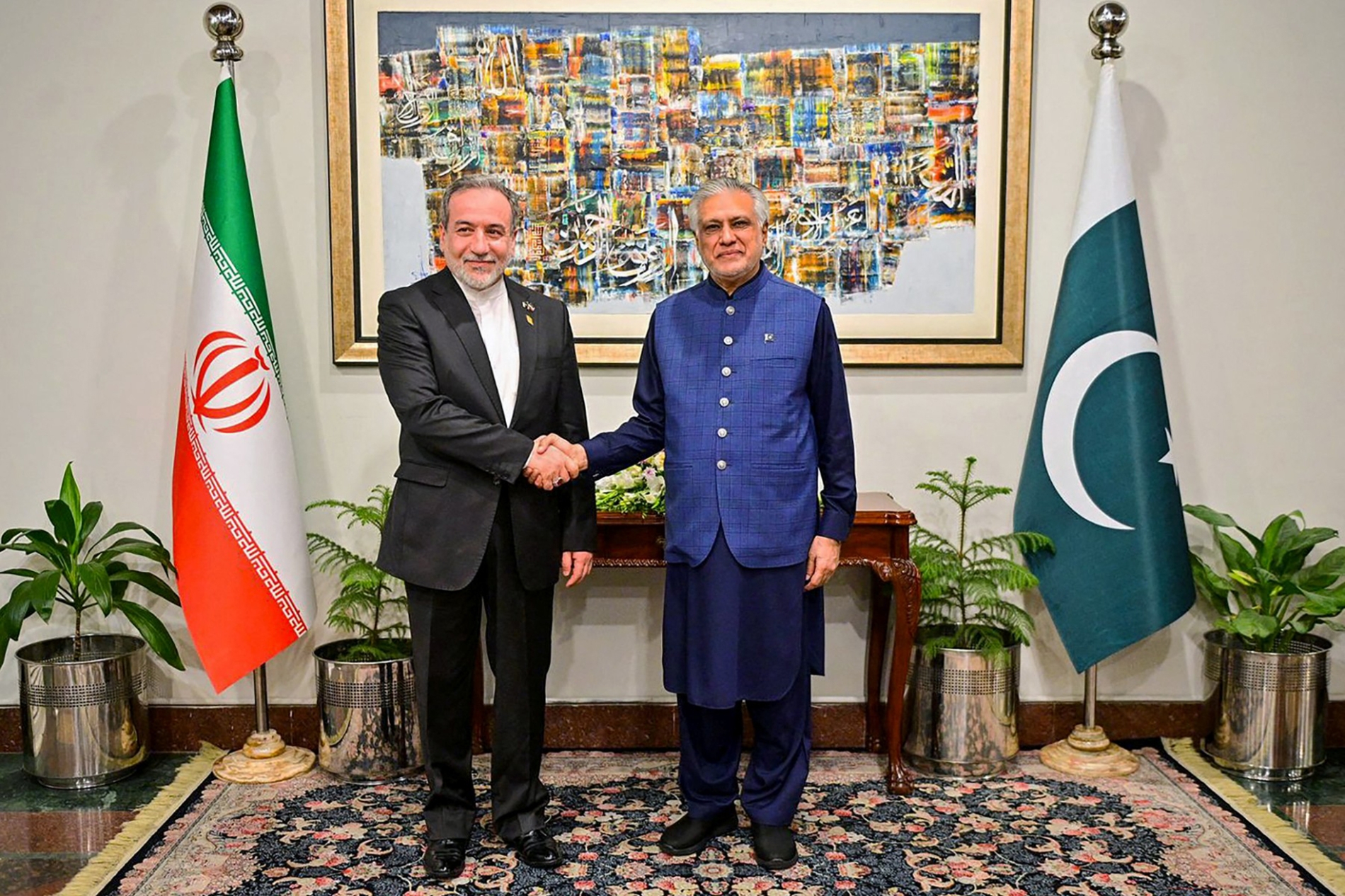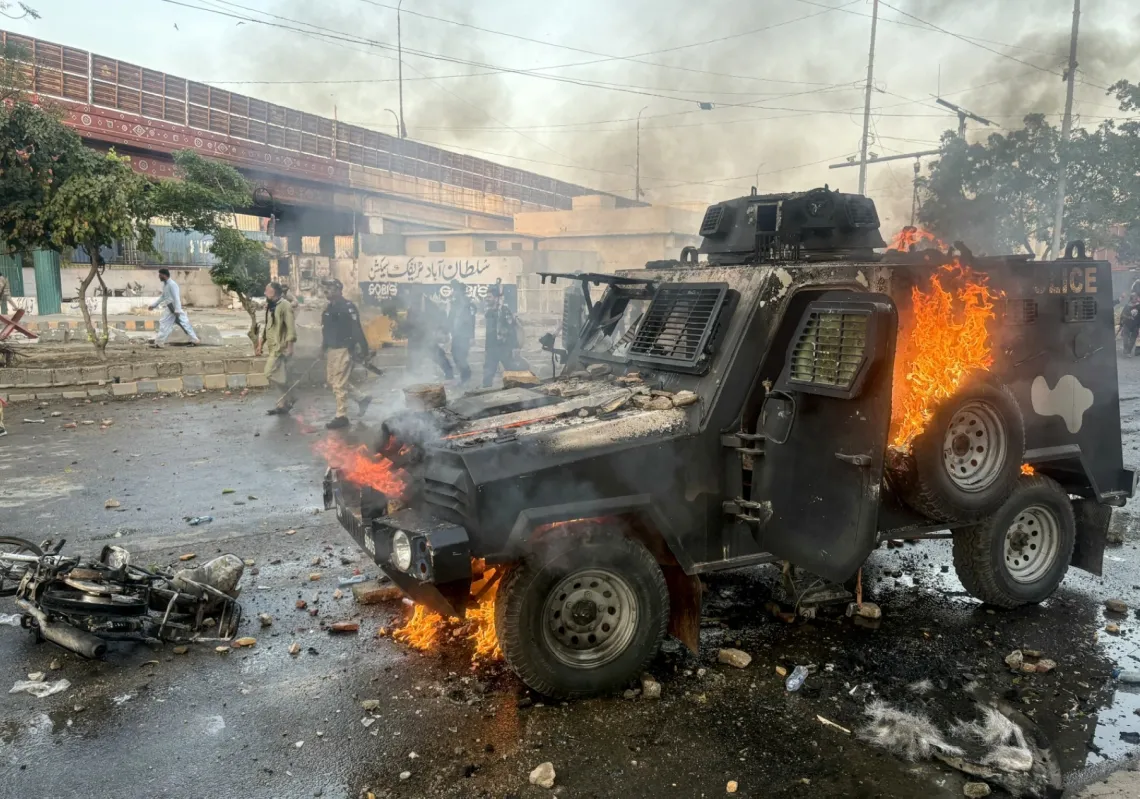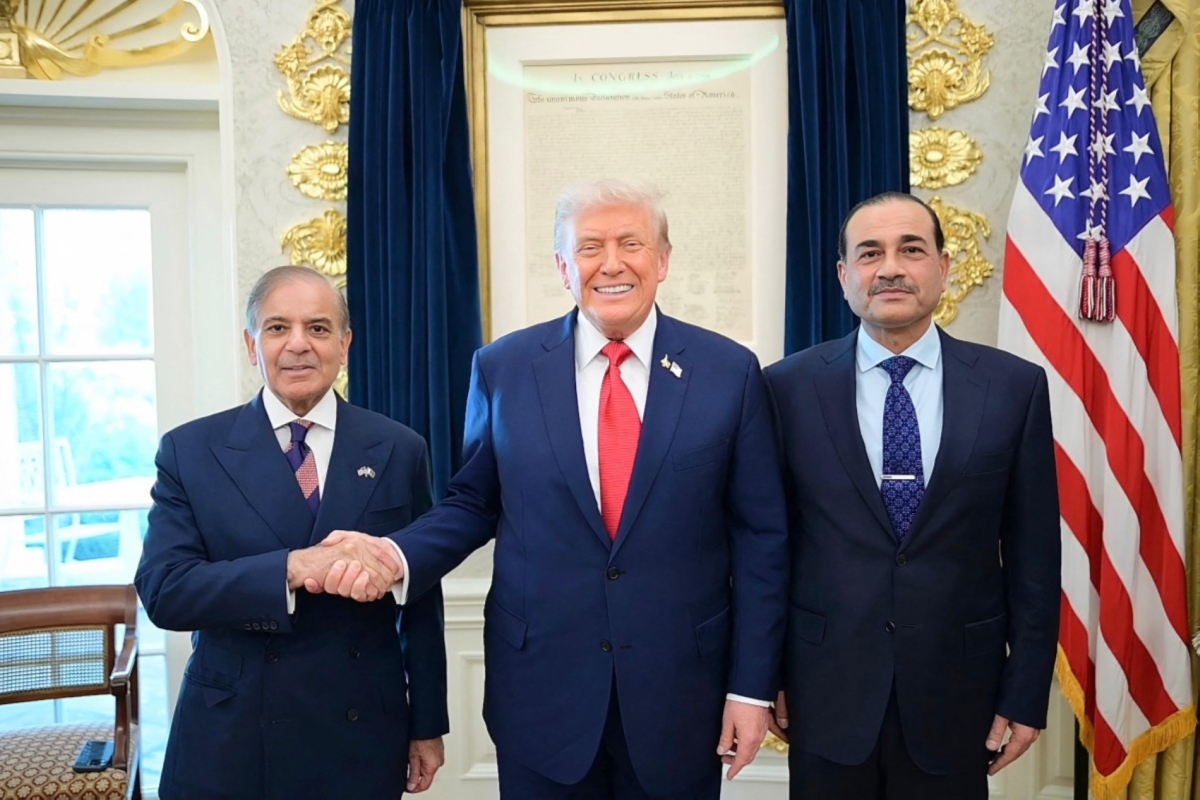

According to Israeli sources cited by Axios journalist Barak Ravid, senior American diplomats will meet Iranian officials in the Pakistani capital of Islamabad over the coming days in a bid to end a war that began on 28 February. Reports suggest that Mohammad Bagher Ghalibaf, Iran’s influential parliamentary speaker, is also travelling to Islamabad, as are US envoys Steve Witkoff and Jared Kushner, and possibly US Vice President JD Vance.
It comes after Trump said he was pausing US airstrikes on Iran’s energy infrastructure for five days to allow for progress, but 3,000 soldiers from the US Army’s 82nd airborne unit are also being ordered towards the Middle East, according to the Wall Street Journal and Reuters. Airborne units are ground combat soldiers that typically parachute into battle zones. Analysts have suggested they could be used to seize Kharg Island, from which Iran exports 90% of its energy.
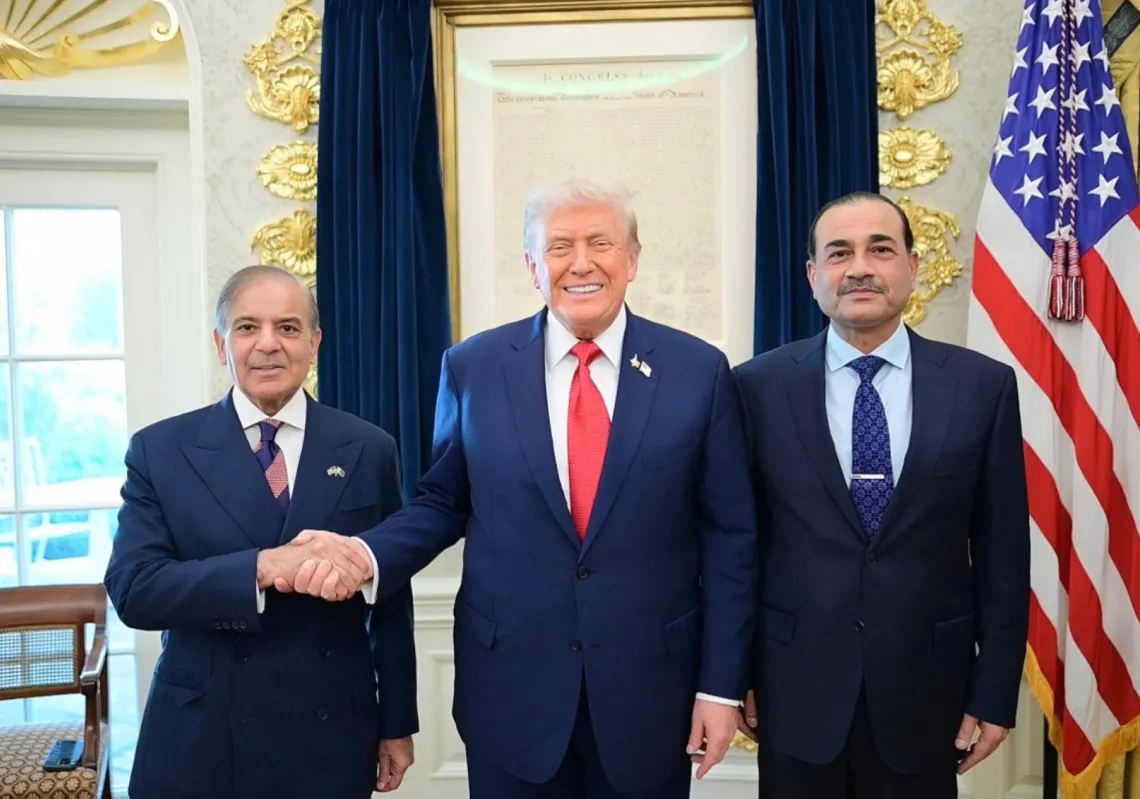
Pakistan’s powerful army chief, Asim Munir, has spoken to Trump several times in recent weeks and has been acting as an interlocuter between Tehran and Washington. Their most recent call was on Sunday, according to the White House. Trump has typically been vague about the details, but there appears to be a growing willingness among US allies, such as Saudi Arabia, Türkiye, Egypt, and Pakistan, to help end the war, with Oman also touted as a potential venue for talks.
Behind the scenes
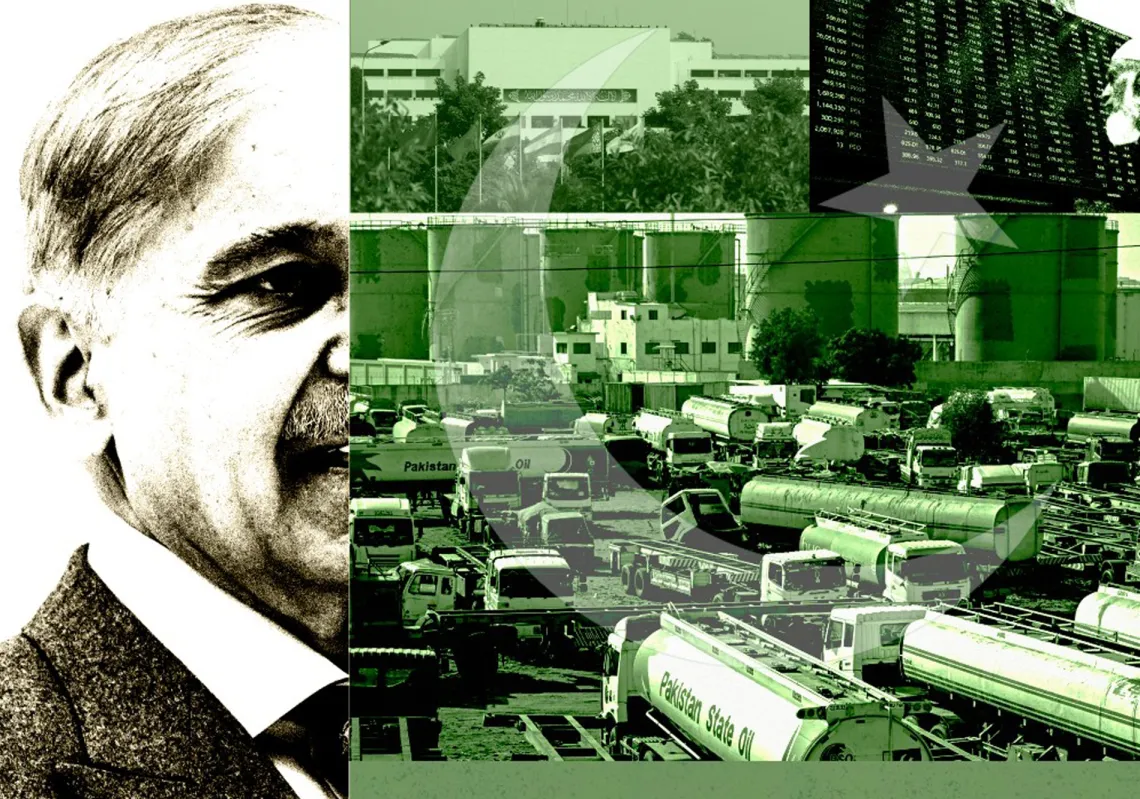
Munir’s involvement will come as no surprise to observers. Trump has sought the views of Pakistan’s army chief on several occasions in recent months. He is mindful that Field Marshal Munir’s nuclear-armed forces have a strategic defence pact with the Saudis and that he likely had a hand in persuading the Iranians not to attack critical Saudi infrastructure, since that would lead to a joint Pakistani-Saudi force joining the US and Israel in combat. While Munir was in Riyadh last week, he dispatched his intelligence chief to Tehran, done in coordination with US Central Command (CENTCOM).
The Saudi factor cannot be underestimated. Relations between Riyadh and Tehran were frosty for decades, but a Chinese-brokered détente in 2023 has so far held firm. Islamabad is a direct beneficiary. The Chinese remain Pakistan’s biggest military partner, and the pair work hand in glove in several strategic areas. Whilst China has so far been relatively quiet about the conflict in Iran, it can ill afford its military and infrastructure investments in Pakistan to be hit by the fallout.
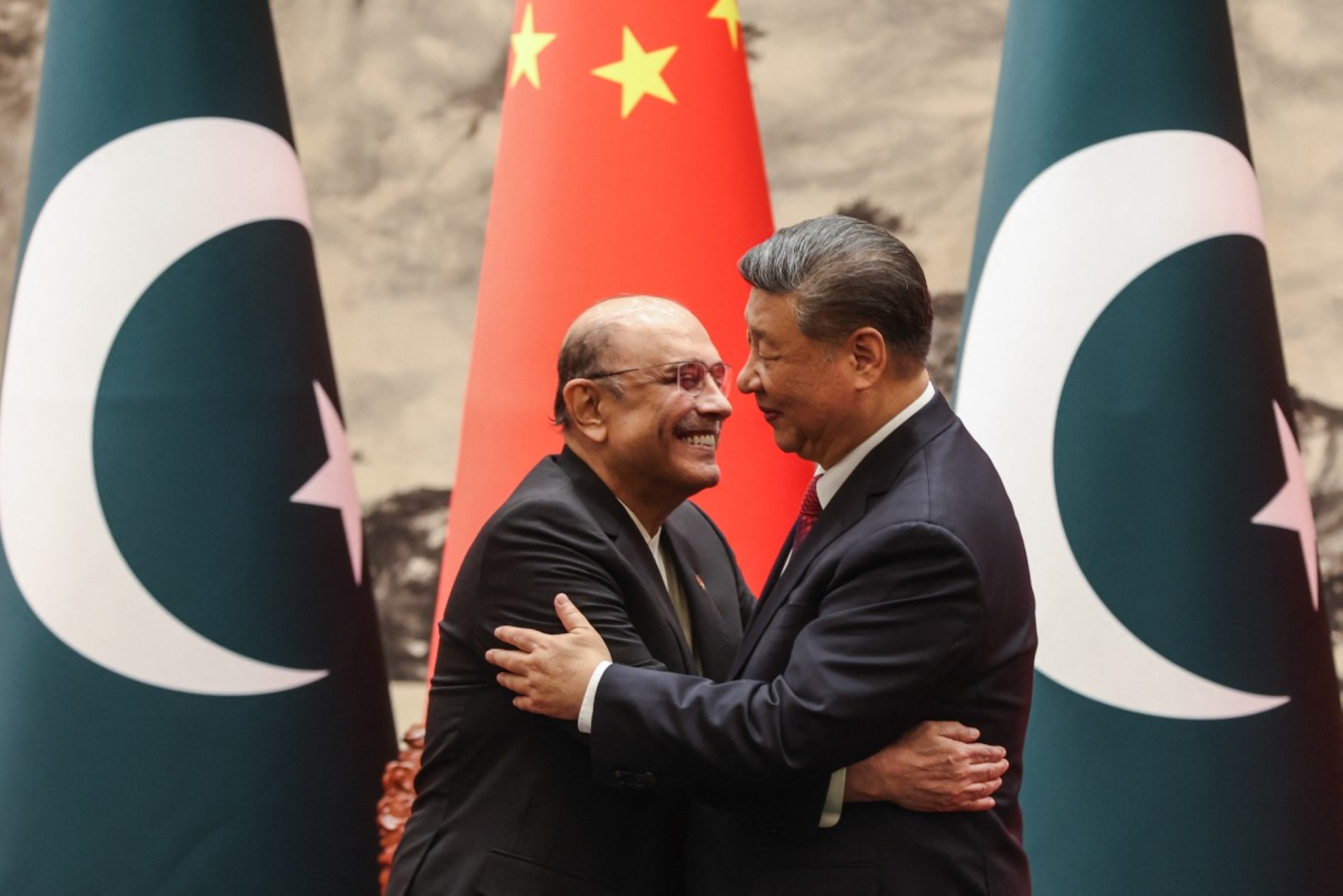
The Iranians know that Saudi and Chinese support for Pakistan makes it a more strategic player in talks with Washington than Türkiye or Oman. Although the latter is seen as neutral and is home to skilled diplomats, the former hosts several US and NATO bases and is not seen by Iran as friendly.
Pakistan and Iran have also had their run-ins. They have a long-running border dispute over Baluchistan, with both sides accusing the other of supporting various separatist movements. This has led to skirmishes, with military fatalities on at least half a dozen occasions. In fact, after the US and Israel, Pakistan is the only other state to fire missiles at Iran since Iraq in the 1980s.