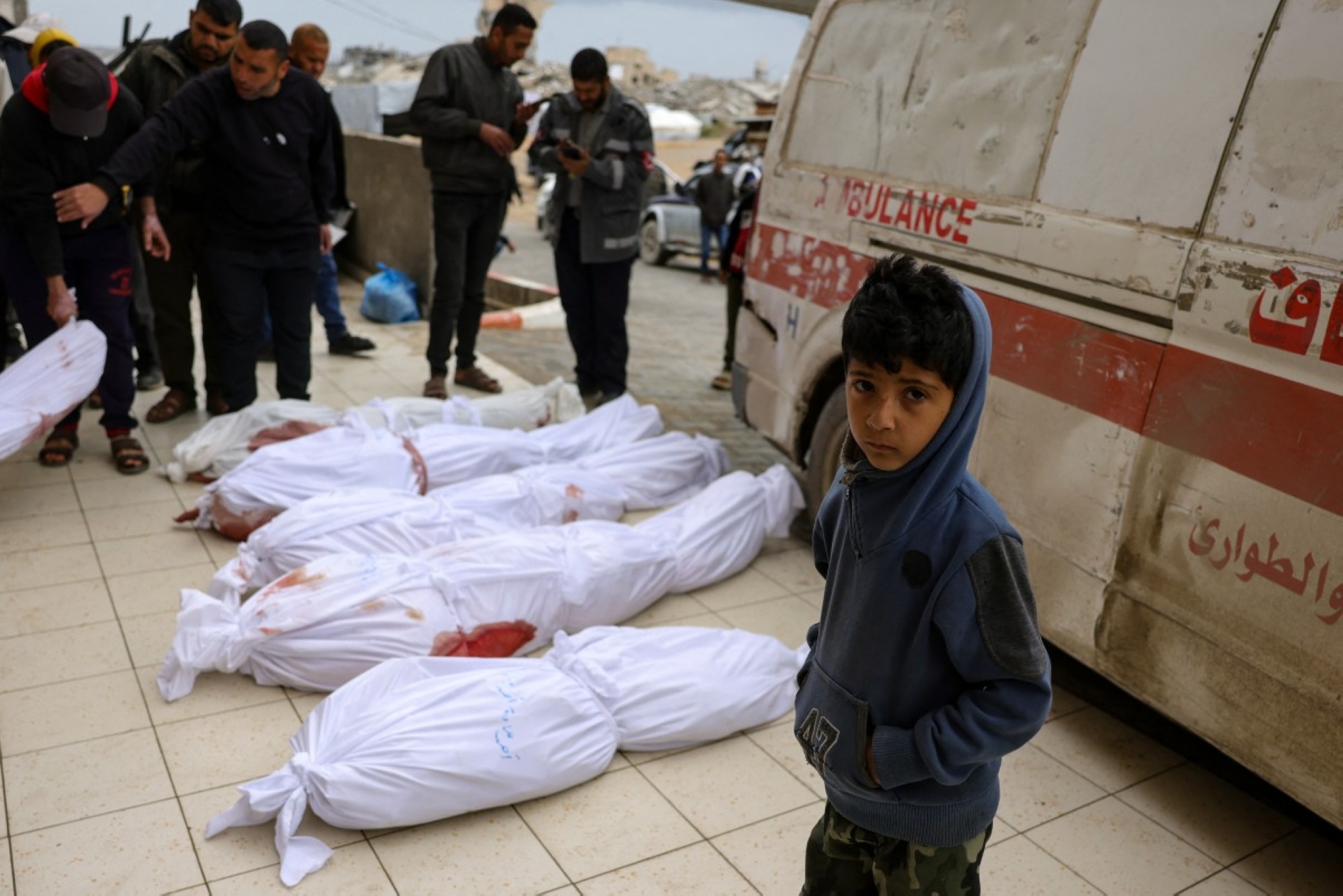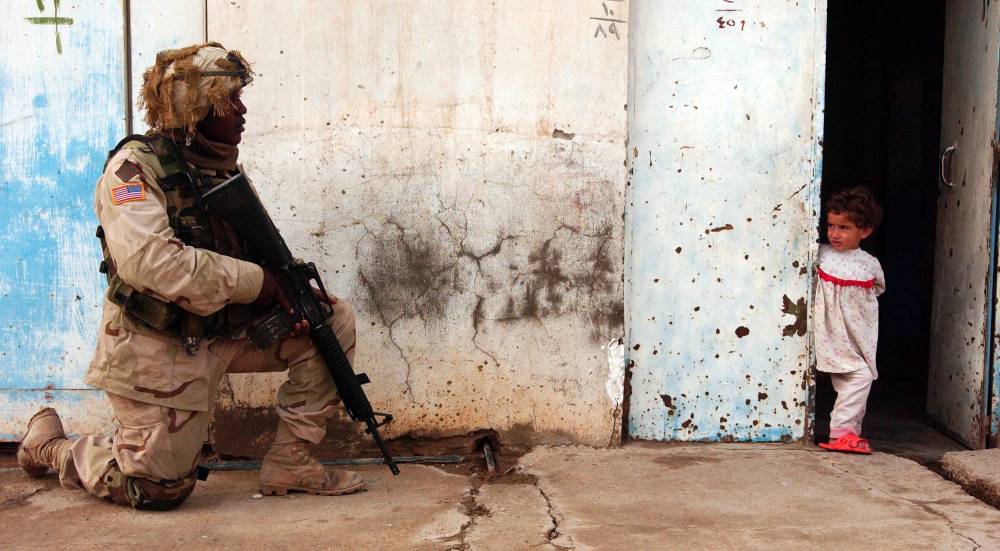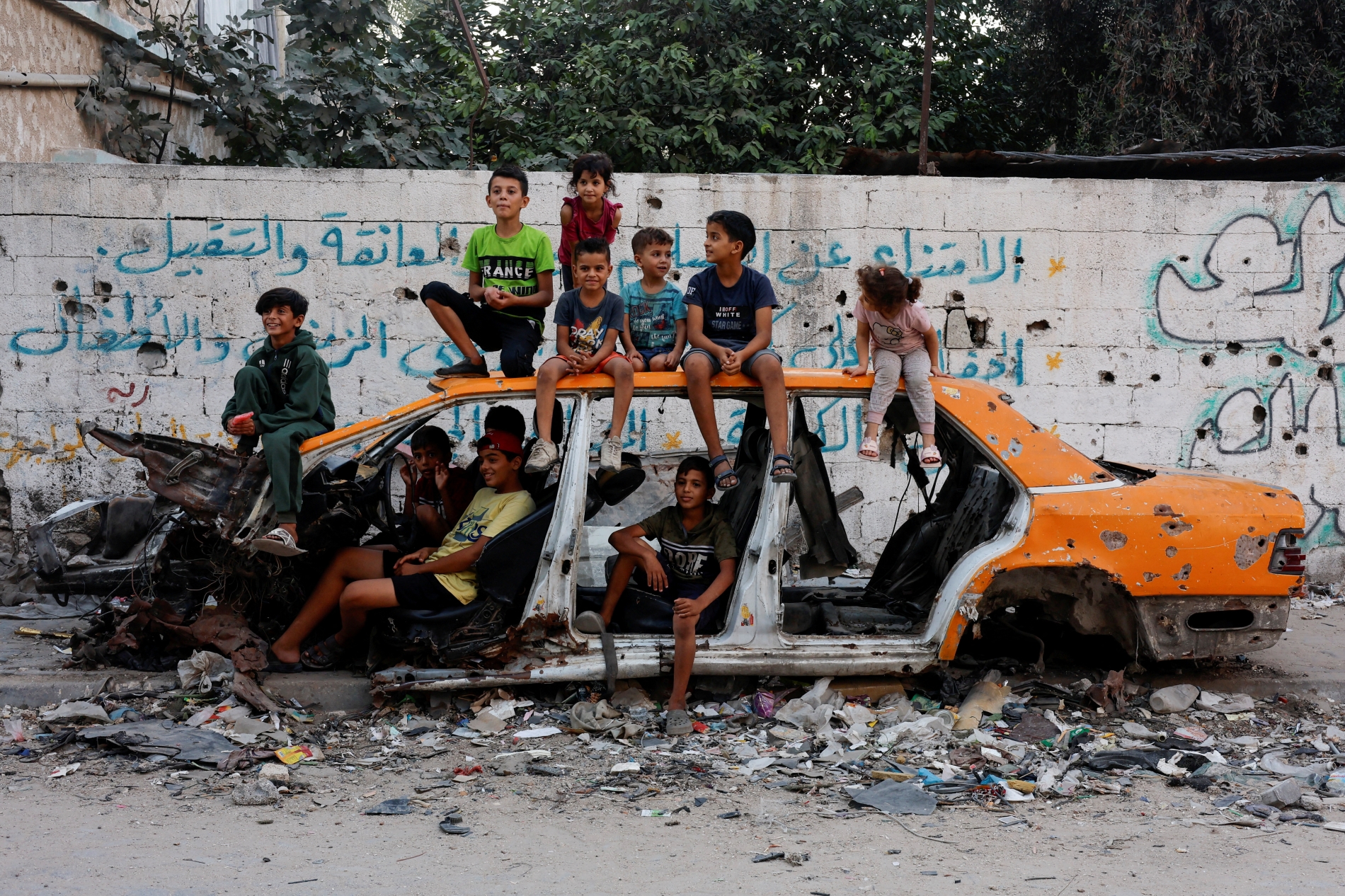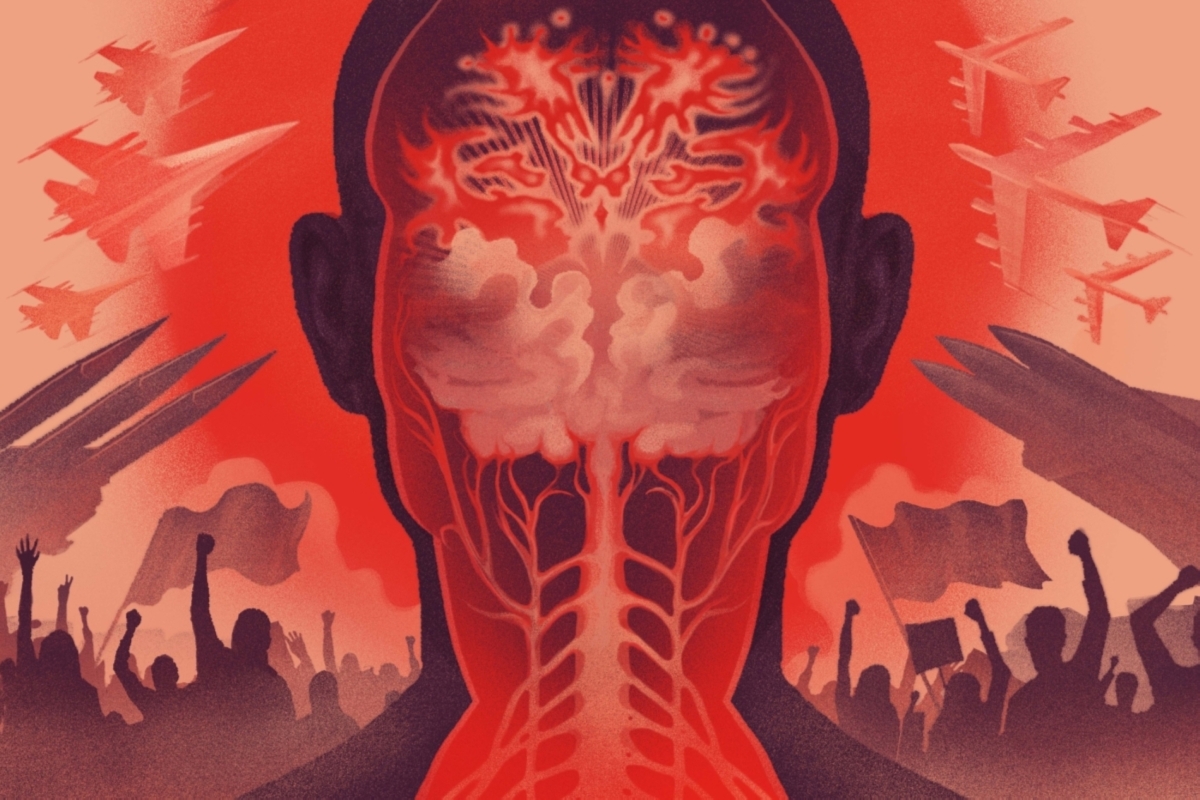

Research increasingly suggests that wars, conflicts, and major political ruptures do not pass through human life without consequence, but rather imprint over the long term, impacting the brain’s vital processes and even indirectly affecting subsequent generations through something resembling a biological trace. How?
Humans may encounter many forms of trauma over the course of their lives, from abusive relationships to loss and bereavement, but the kind of trauma that engulfs an entire community is far less common. Arising from major events that affect a group of people simultaneously, collective trauma is a state of acute psychological and emotional strain brought about by large-scale political or social upheaval.
War, revolution, and unrest all fall into this category. Such events often leave deep marks on society. The fear and dislocation permeate the shared memory of its members, and their effects can outlive the generation that endured them directly.
Transgenerational trauma is a term used to describe the transmission of the effects of severe pressures from the generation that experienced them first-hand to those that follow. These effects can include recurring psychological and emotional patterns such as chronic anxiety, a diminished sense of safety, weakened trust in others, and a heightened vulnerability to depression.
The psychological effects of collective trauma are carried forward through what is known as collective memory. This is the shared reservoir of experiences and recollections passed on within communities orally or in writing through education and culture. The experience of slavery or genocide, for instance, does not end with the generation that lived through them; it persists in the consciousness of later generations, despite them not witnessing it.
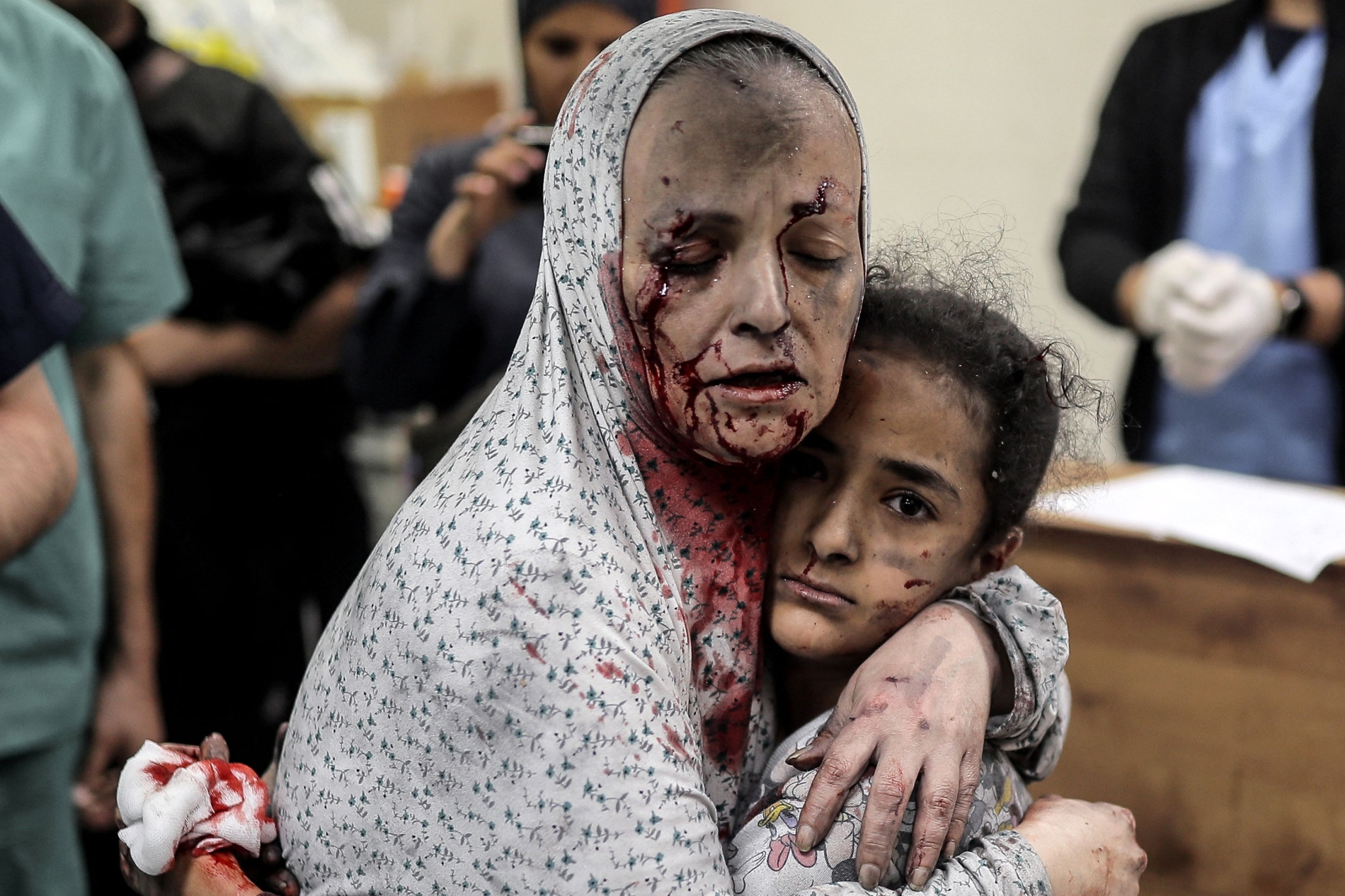
A collective memory can be transmitted through the accounts of those who lived through something, as well as through literature, education, and media. One study published in Moscow in 2015 showed how Russian university students in the city viewed the Soviet era positively, citing less corruption, etc., despite them having been born after the fall of the Soviet Union in 1991.
The psychological effects of trauma can register across the generations. A survey study published on 11 October 2023 examined the long-term impact of the Second World War on Polish society. During the war, Poland was occupied by both the Nazis and the Soviet Union, with mass killings, large-scale displacement, and the destruction of the country’s infrastructure. The study found a prevalence of post-traumatic stress disorder (PTSD) among those who lived through this at a young age, with elevated levels of chronic physical pain and sleep disorders.