
This is a direct translation of an article that originally appeared in Arabic.
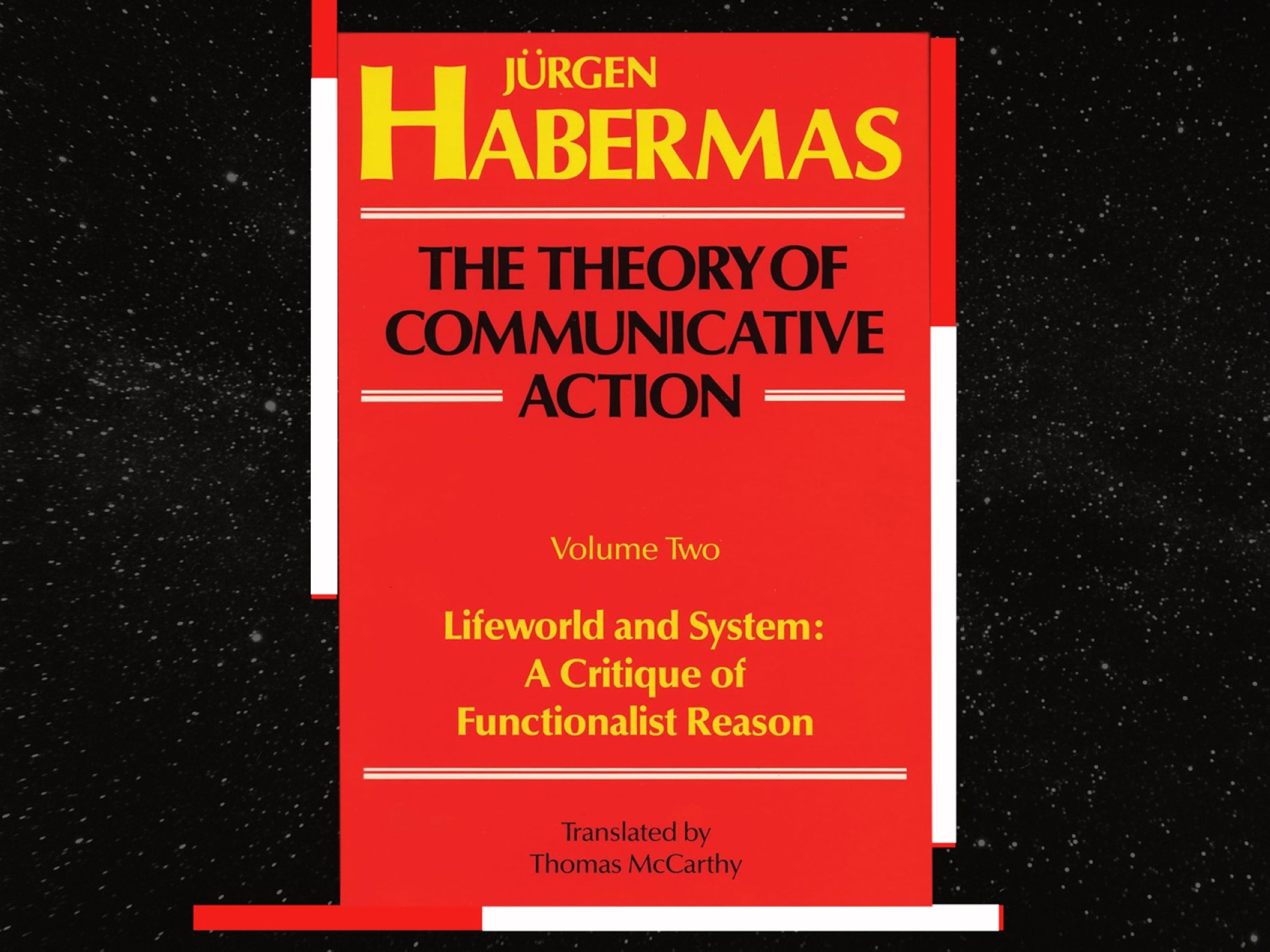
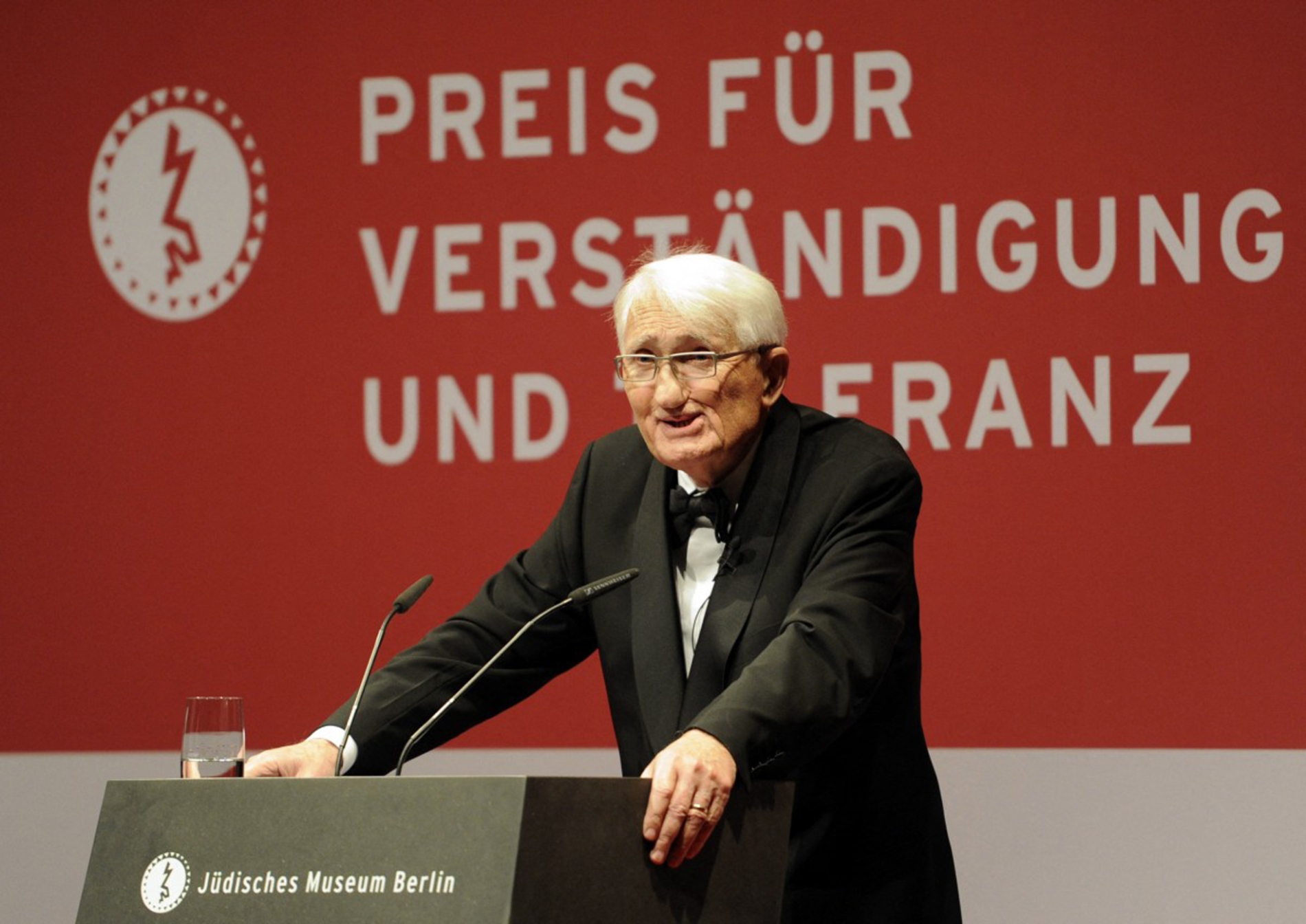
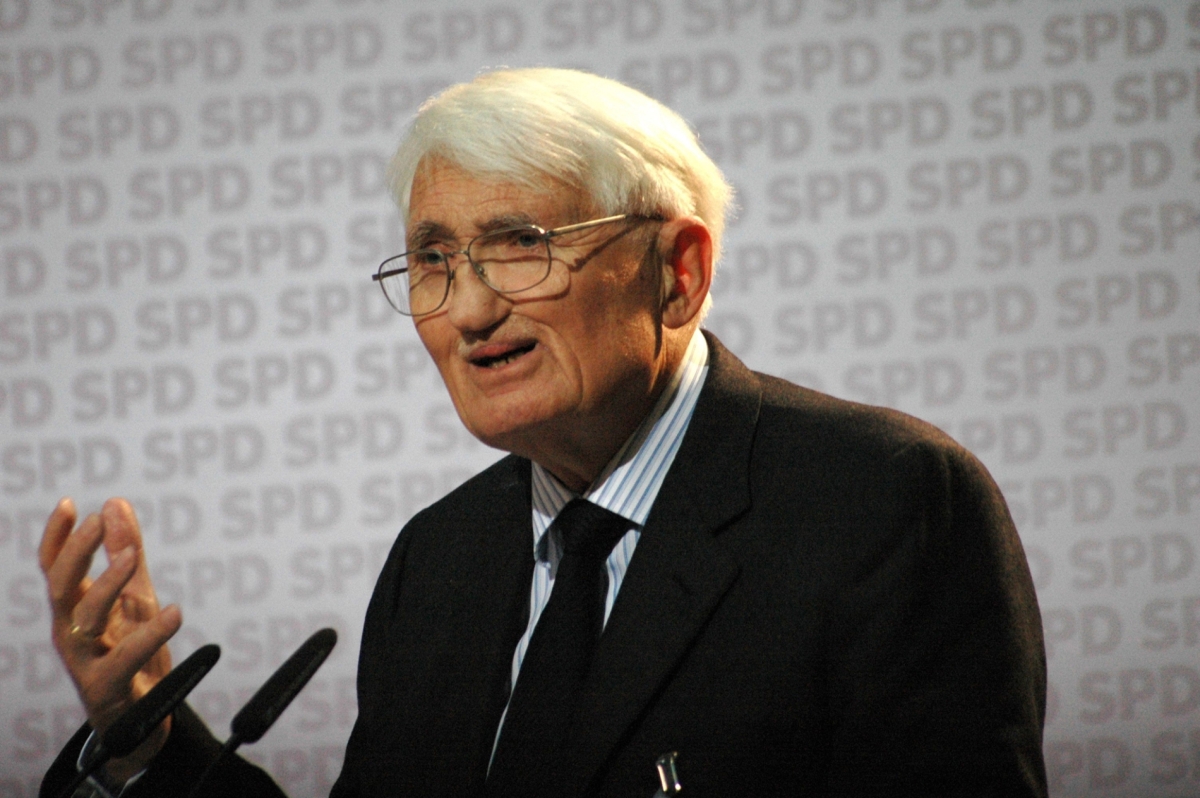
On 14 March, the world bid farewell to German philosopher and sociologist Jürgen Habermas, aged 96, turning the page on a mind that profoundly shaped 20th-century political and social thought. His passing represents the fading of a prominent Frankfurt School pillar, a voice dedicated to defending democratic civil society against theories centred on the self or race. Understanding his legacy requires deconstructing the historical and sociological contexts that shaped his project, which positioned communicative rationality as an alternative to the dominance of instrumental reason.
To grasp Habermas’s profound legacy, one must return to the historical shocks that shaped his consciousness. Born in 1929 in Germany, he lived his adolescence under the Nazi regime, later grasping the magnitude of its atrocities. This engendered a strict commitment to defending a democracy capable of preventing such disasters. Inheriting the Frankfurt School tradition from Max Horkheimer and Theodor Adorno, he rejected their radical pessimism regarding the Enlightenment's trajectory.
Instead, he restored hope in the Enlightenment, arguing the flaw lay not in reason itself, but in its reduction to an instrumental dimension serving domination. His project emerged to redefine rationality from a social and communicative perspective, crystallising standards to ensure societies remain free and capable of self-critique without slipping into authoritarianism. Thus, his philosophy bridged abstract theorisation and political practice. He remained an engaged intellectual throughout his life, tackling issues from student movements to European integration, globalisation, and terrorism.
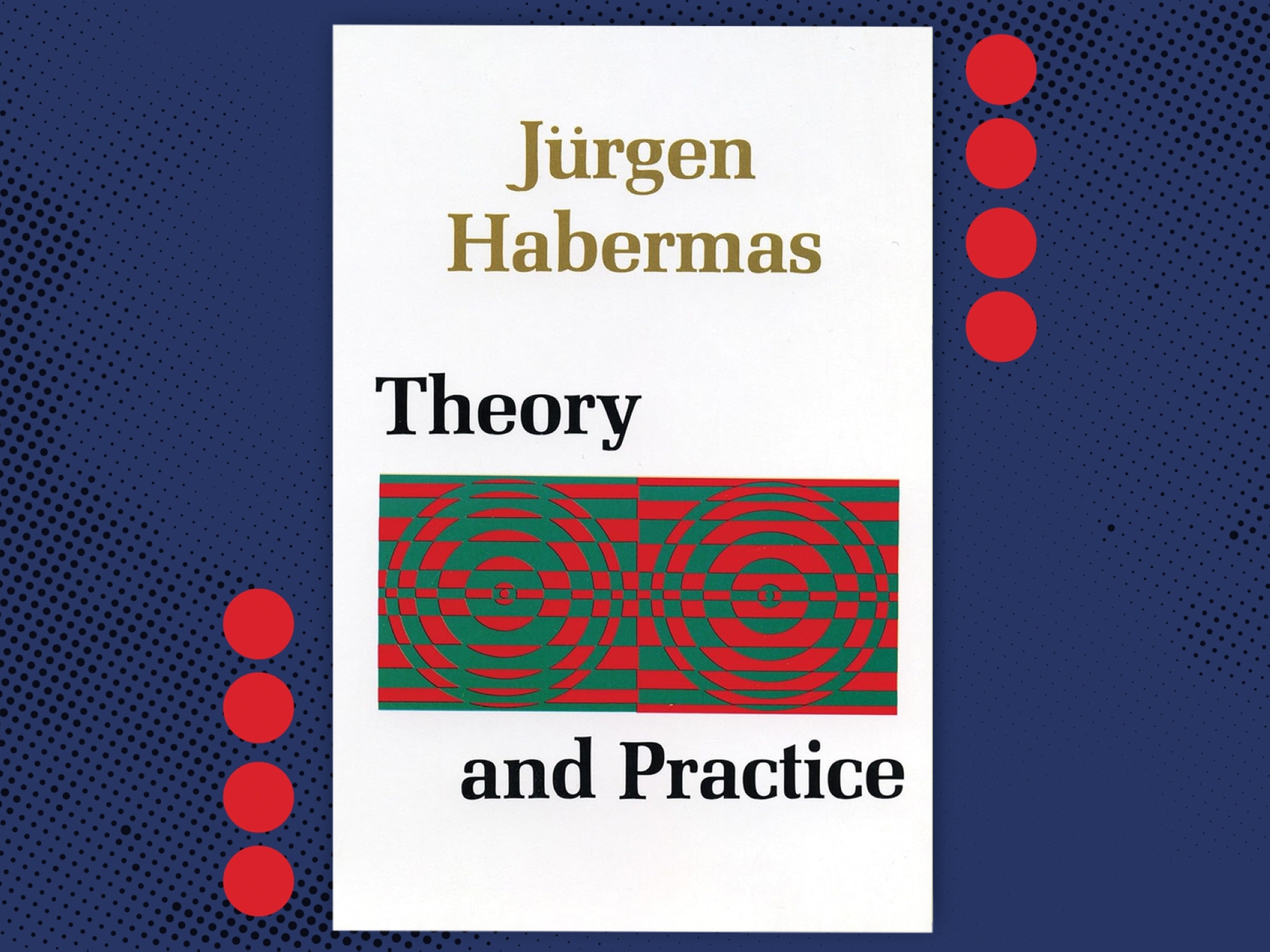
The Theory of the Public Sphere
The public sphere is one of Habermas's most important contributions to democratic thought; it is a social space where ordinary citizens discuss the public interest, relatively independent from state and economic power. Its success depends on critical, rational debate accessible to an independent public.
Habermas traced this sphere's historical formation to the European bourgeoisie's rise, when cafes, salons, and the press became free spaces recognising the power of argument over class distinctions. However, he also provided a critical diagnosis of the decline afflicting this space in contemporary societies. He warned of a "re-feudalisation" of power, where powerful organisations integrate into the public sphere, using institutional influence to dominate it. Under advanced capitalism and the encroachment of directed media, critical debate is sidelined in favour of passive consumption.
Public issues are now managed through pre-engineering, serving political and economic elites. This diagnosis is even more relevant today, given social media; despite initial promises of democratic expansion, algorithms now reinforce polarisation and hinder rational, independent public opinion.