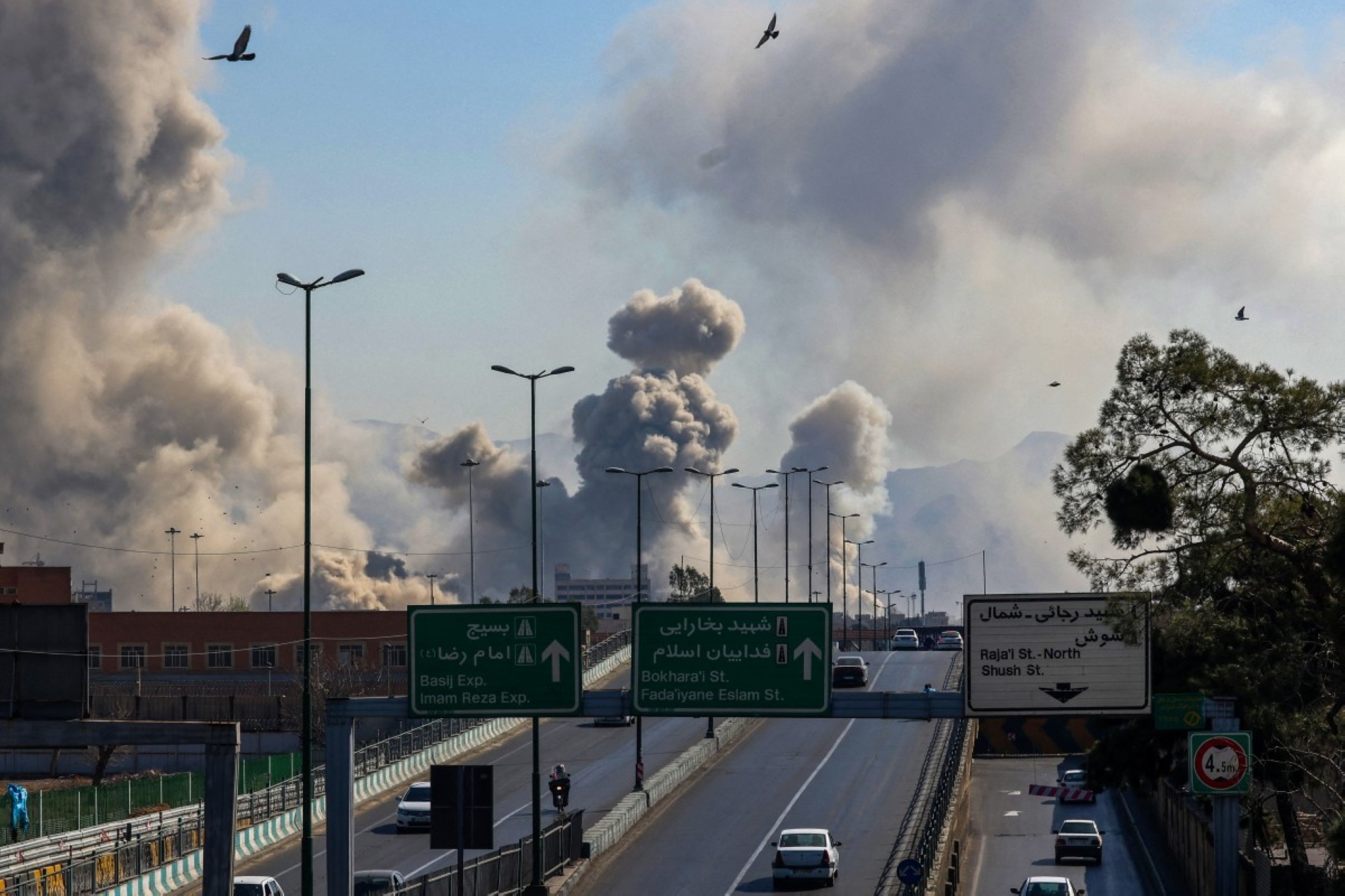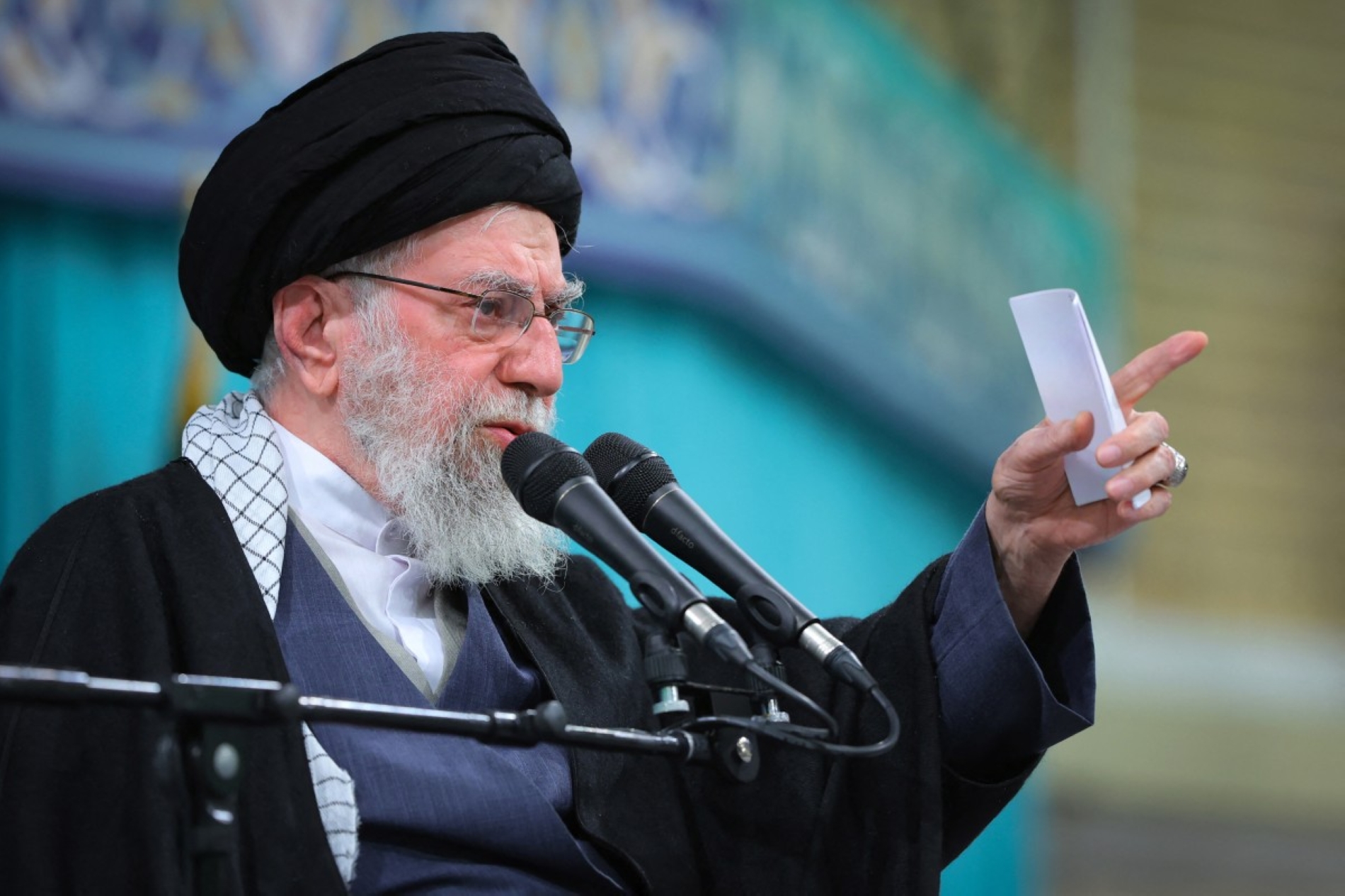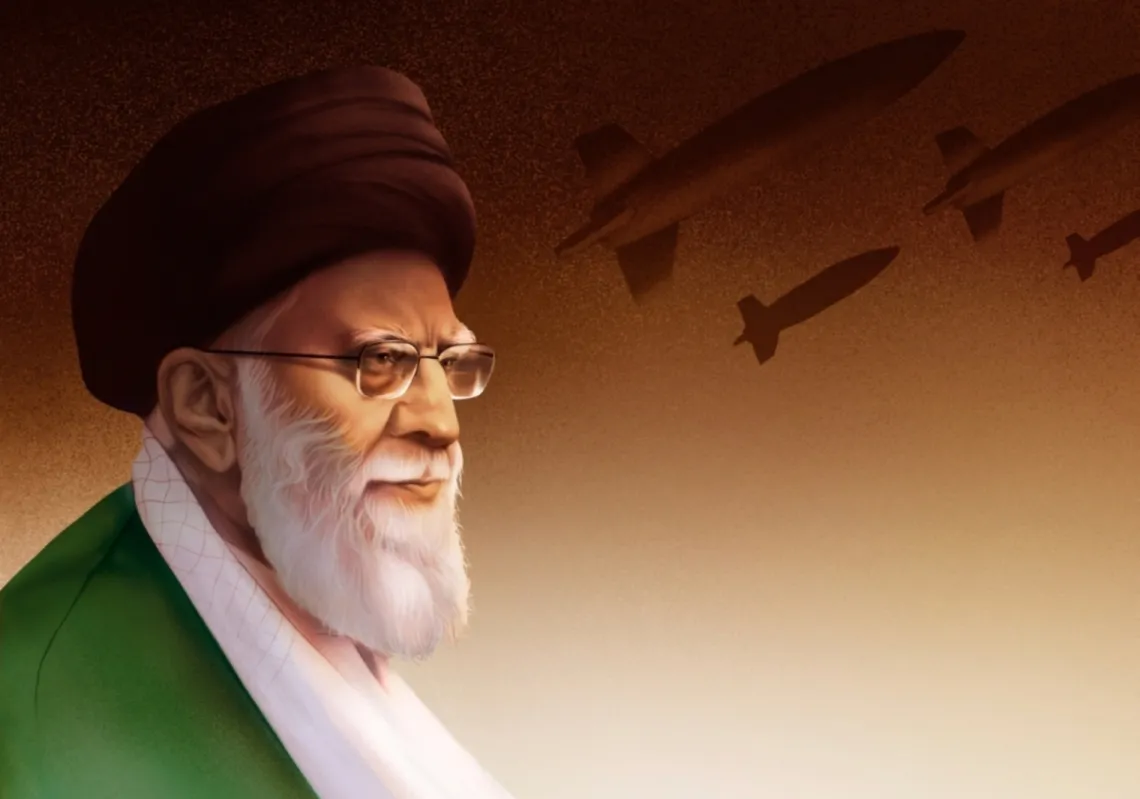

On the morning of 28 February 2026, as senior Iranian officials convened for a Saturday security meeting in the heart of Tehran, they had no idea missiles were already inbound—and those who might have warned them couldn’t get through. Within minutes of the first explosions, 30 missiles slammed into the Pasteur Street compound of Supreme Leader Ali Khamenei.
According to details revealed by the Financial Times, cellular towers in the surrounding blocks had been selectively disabled, cutting security personnel off from warning calls. Nearly every traffic camera in Tehran was already feeding encrypted footage to servers in Tel Aviv. And somewhere in Washington, Donald Trump was aboard Air Force One, having given the order ten hours earlier.
Israeli sources suggest that in just five minutes (between 8:10 am and 8:15 am), no less than 40 top Iranian officials were killed. The main leg of the attack targeted a large complex used by Supreme Leader Khamenei on Pasteur Street, a highly secured area of Tehran. Amidst renewed negotiations, Iranian officials were beginning their week (starting Saturday in Iran) with a morning meeting at the leader’s residence. Just minutes before the strike, both Israel and the US had confirmed that all of the high-value targets were indeed heading to the meeting.
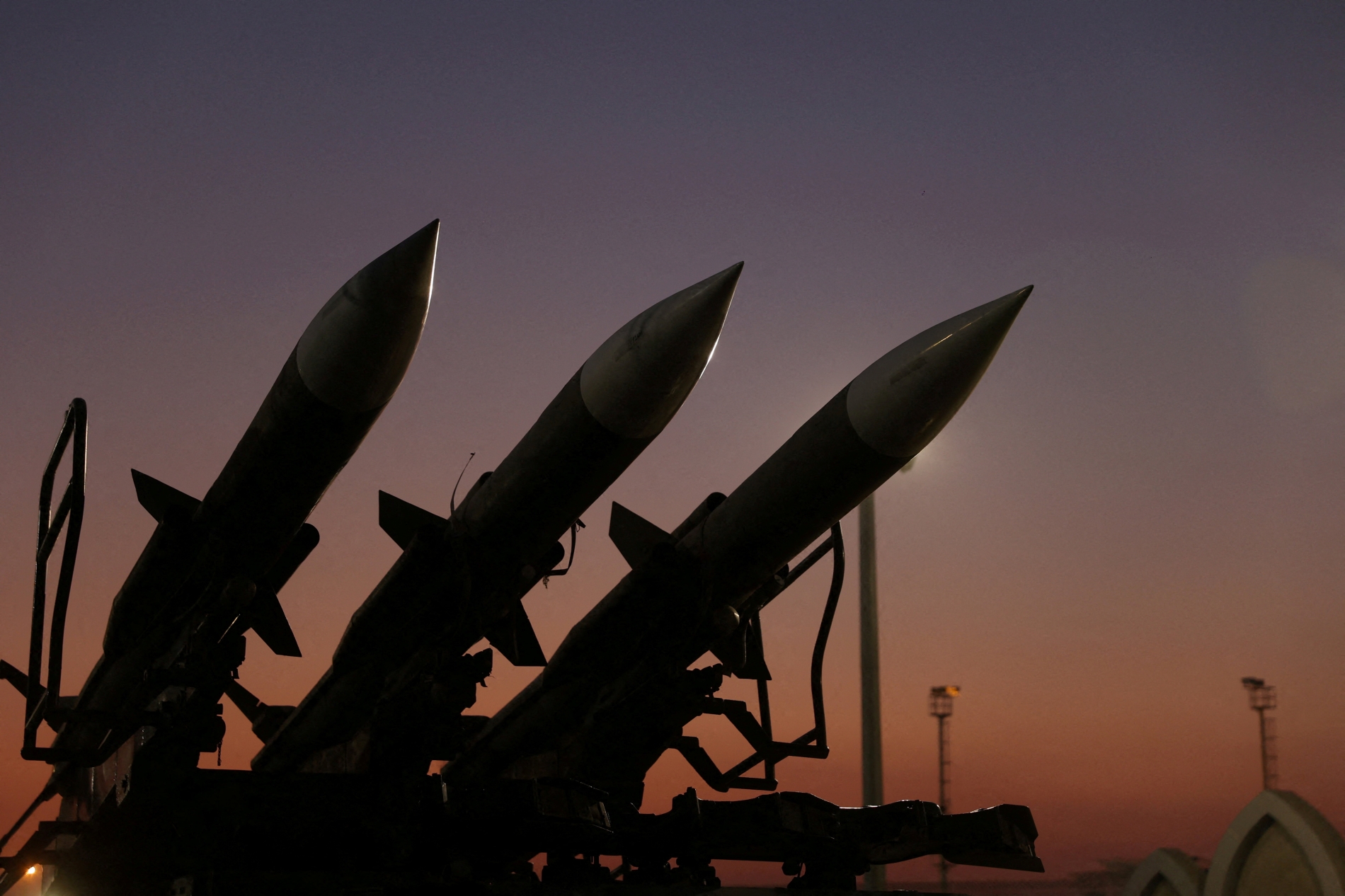
Following the decapitation, the second wave of fighter jets attacked the self-produced Iranian air defences from afar, creating a corridor for the third wave. The US and Israel coordinated tasks, with Israel focusing on western Iran and the US on the east, supported by American fueling tankers. The third wave, comprising 200 planes, targeted hundreds of pre-planned sites, primarily ballistic missile storage silos, production facilities, and launchers
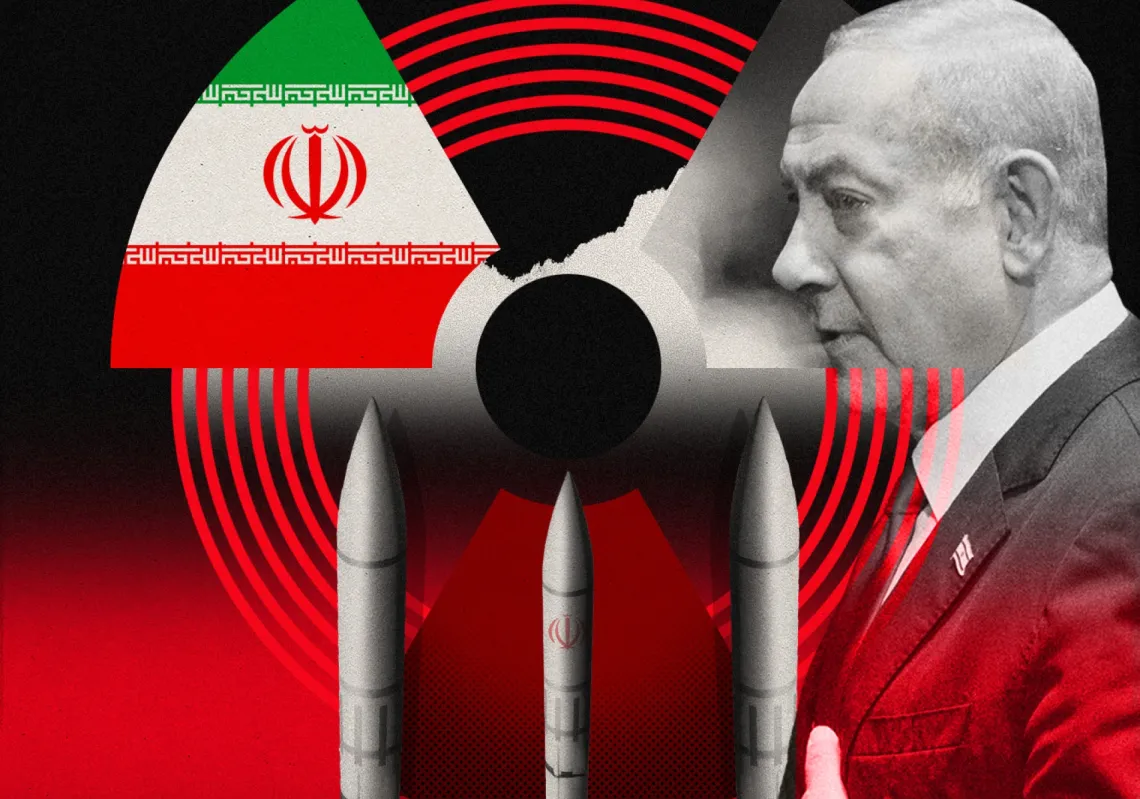
The joint Israeli-American strike on Iran (codenamed Operation Roaring Lion by Israel and Operation Epic Fury by the Pentagon) was the most audacious military opening in 21st-century warfare. But the real story isn't the missiles or the bombers. It's what the strike revealed about how deeply Israel had penetrated the Iranian regime, and what that penetration tells us about the future of intelligence-driven warfare.
Calculated subversion
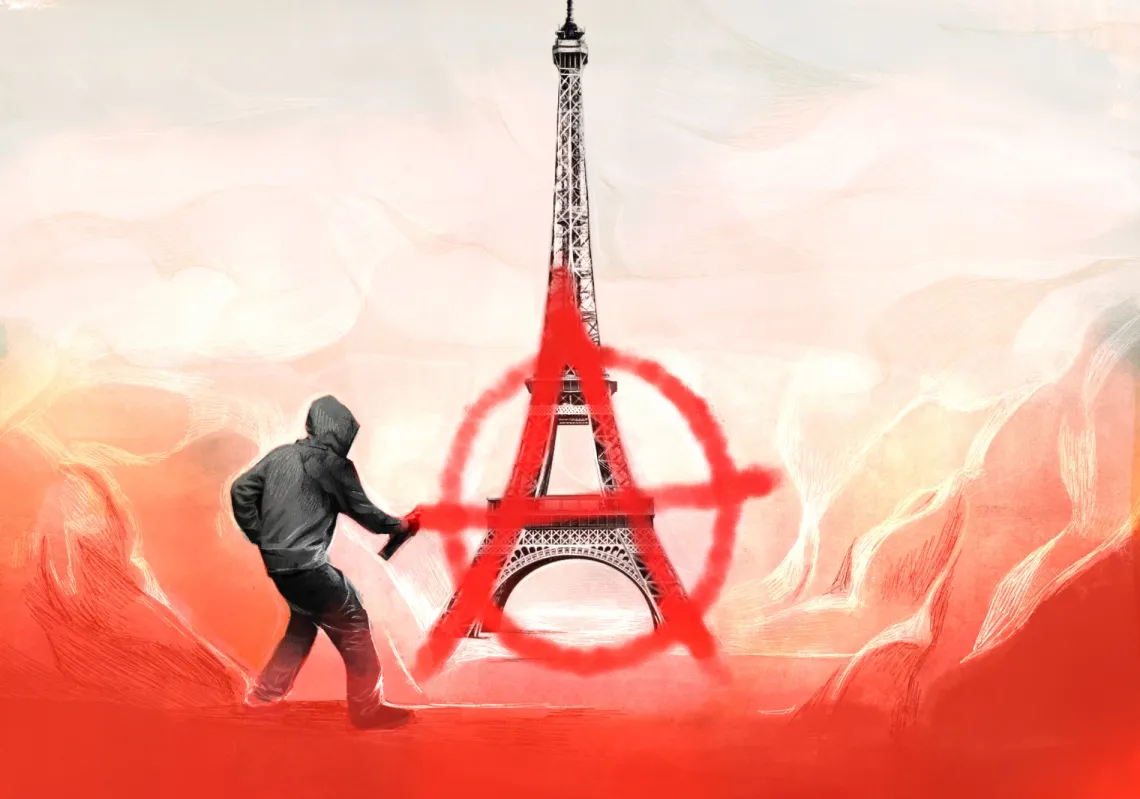
The decision to attack in the morning was itself a calculated subversion. Every previous Israeli strike on Iran had come at night. Attacking on a Saturday when senior officials would be at their offices rather than in dispersed safe houses inverted Tehran's entire defensive playbook.
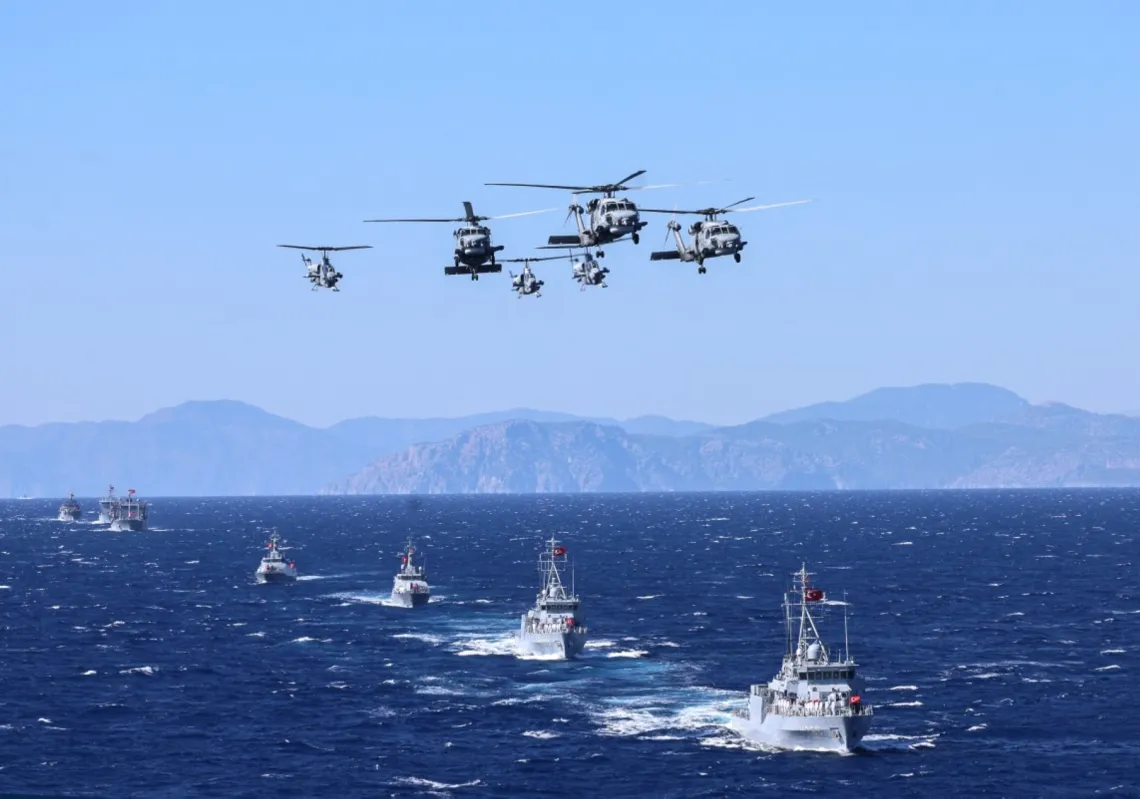
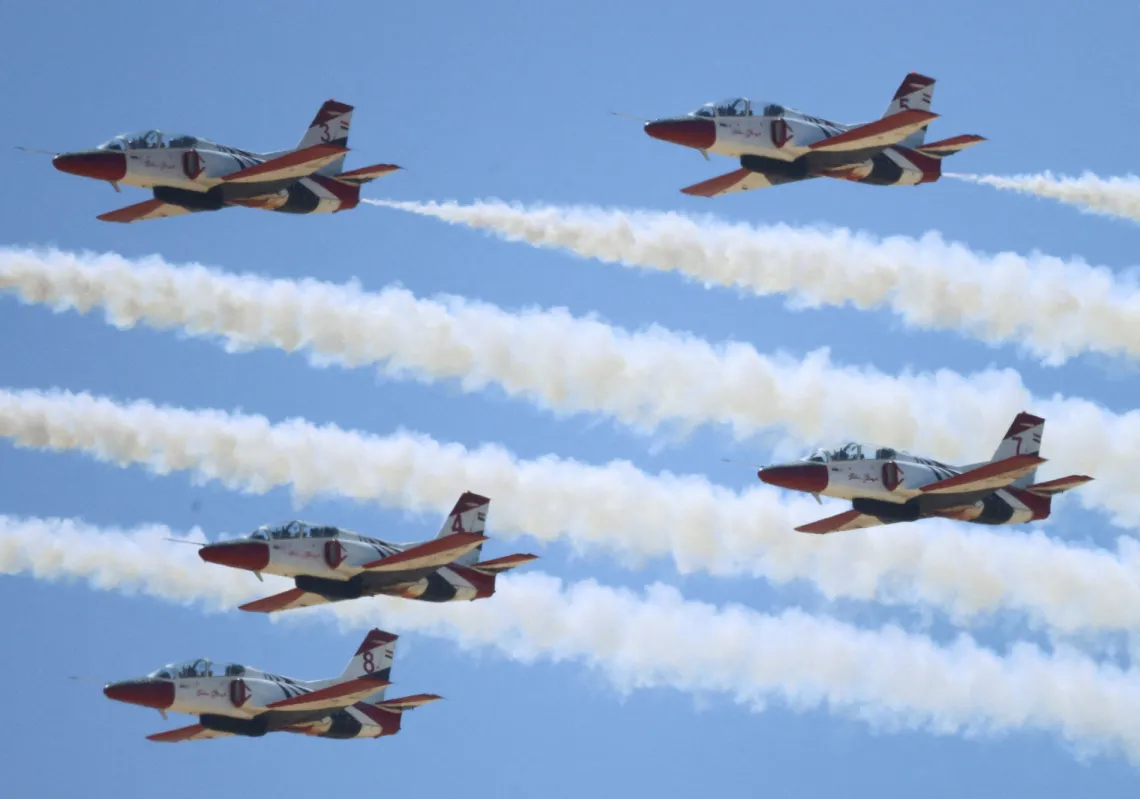
The Israeli Air Force launched approximately 200 fighter jets in what it codenamed Operation Genesis, the largest combat sortie in Israeli history. Nearly the entire fleet of advanced fighter jets was mobilised, with the deployment made possible by at least 9 US refuelling aircraft that enabled sustained operations against Iran. Within the first 24 hours, over 1,200 bombs were dropped on 500 targets across western and central Iran, including air defences, missile launchers, and command centres. Launchers and bases primed for a retaliatory strike were hit, including a main site in the western Iranian city of Tabriz.
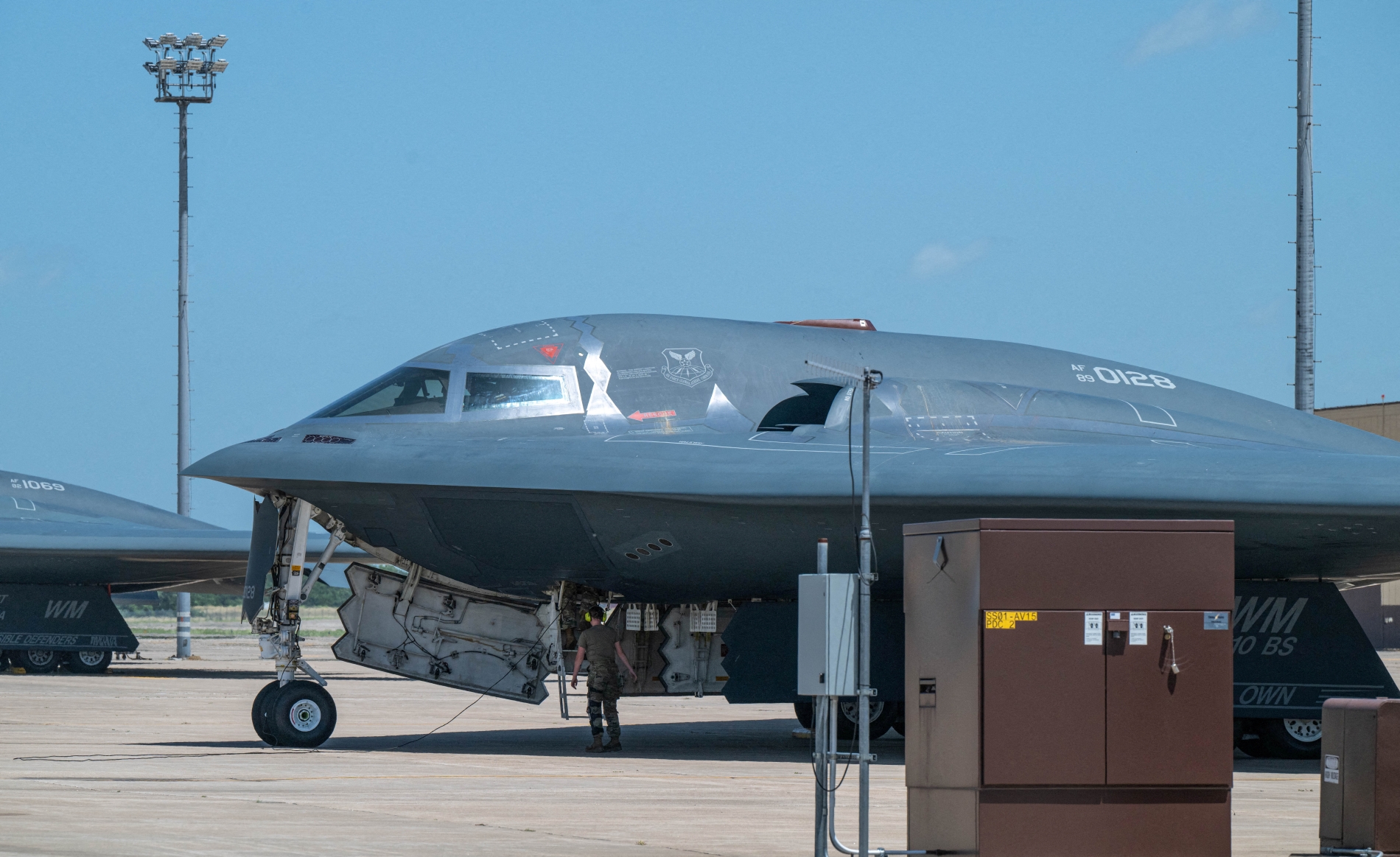
The US contributed B-2 stealth bombers striking hardened ballistic missile sites, Tomahawk cruise missiles launched from warships, HIMARS ground launchers, and, for the first time in combat, low-cost one-way attack drones from the newly formed Task Force Scorpion Strike.
Israel also debuted the Black Sparrow air-launched ballistic missile, fired from F-15 fighters. Debris consistent with Sparrow-series boosters was later found in western Iraq along the missile's projected flight path, confirming what defence analysts had long suspected: Israel had quietly converted its missile-defence testing platforms into operational strike weapons.
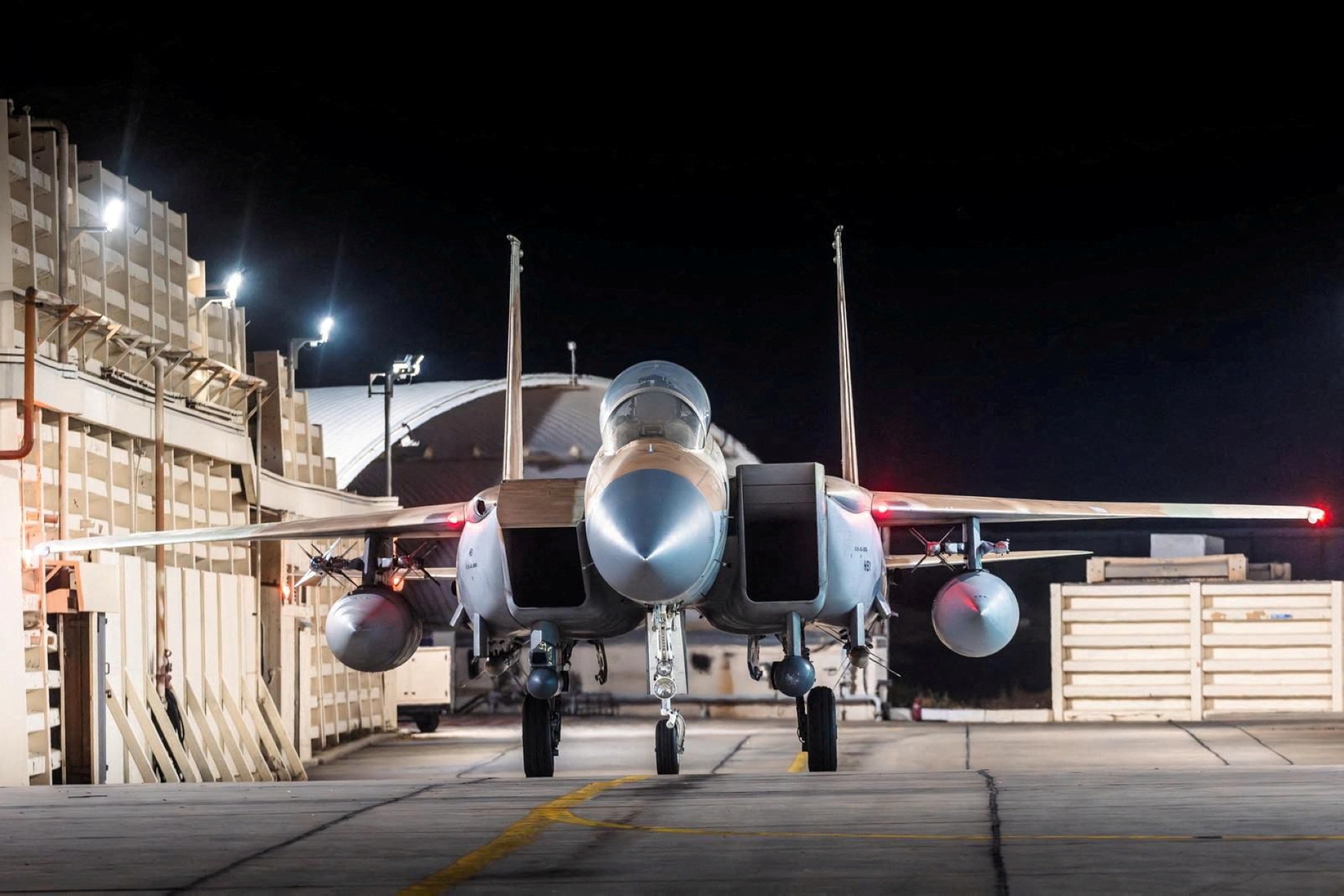
Previous versions of the missile (Blue Sparrow) had already been extensively used by Israel during past rounds of fighting with Iran, both in 2024 and 2025. Those weapons offer the safety of distance, allowing a first shot from further away before closing in to hit targets without entering Iranian airspace.
But the kinetic firepower was only the visible layer. A key enabler of Israel’s success was Iran’s own preconceptions, especially the belief that any major strike would come at night. That expectation was rational: advanced militaries tend to “own the night,” using sensors and precision-guided munitions to fight in darkness, while a less-sophisticated defender loses awareness. Night operations also reduce civilian traffic, make mobile military assets easier to track, and often pin senior figures to predictable locations.
Israel and the United States flipped that script. A daylight strike was more dislocating because it violated Iran’s timing assumptions and increased the chance of surprise. And the sheer scale of forces available (Israel’s air power alongside Trump’s “armada’) gave the allies more operational flexibility, letting them manoeuvre aggressively and accept risks they might otherwise avoid.
Years in the making
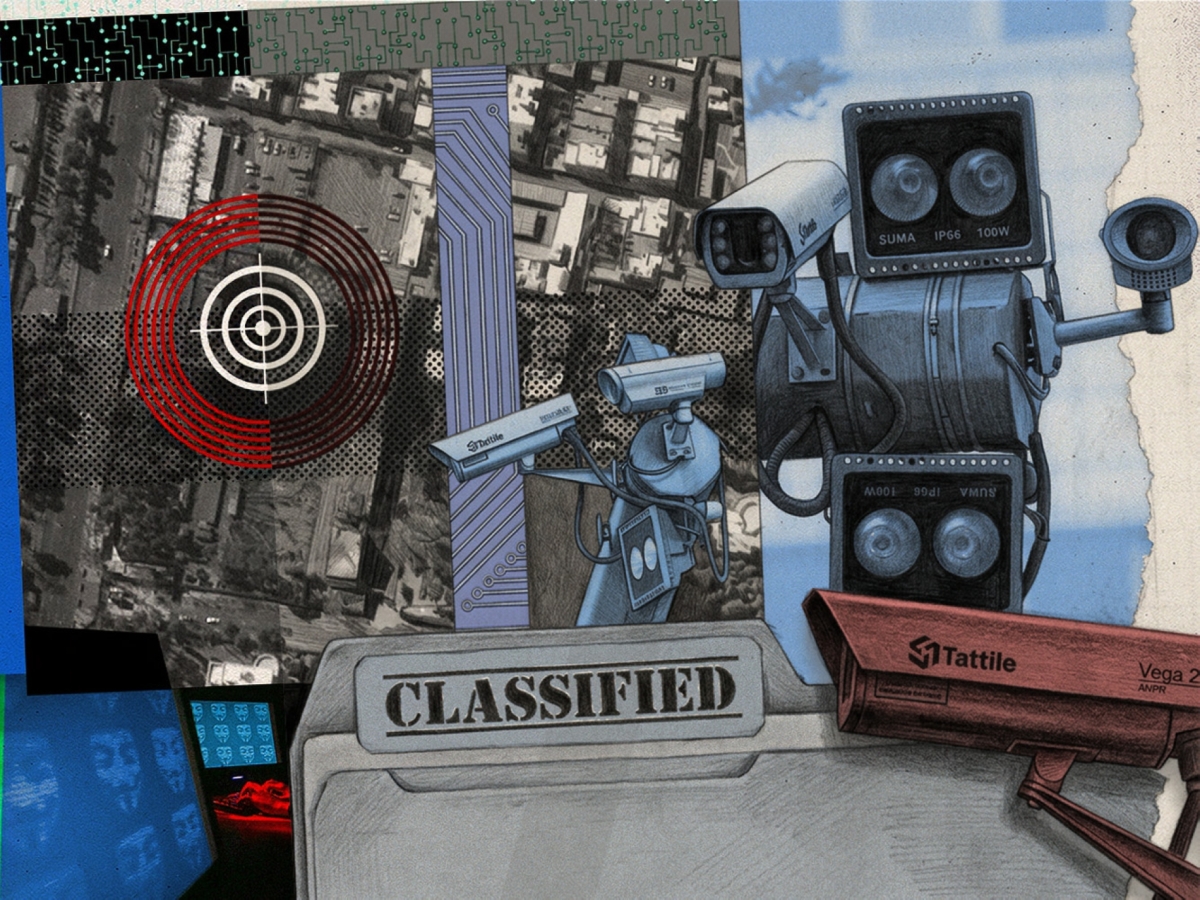
The assassination of Supreme Leader Ali Khamenei was years in the making. According to a Financial Times investigation, Israeli intelligence had hacked nearly all of Tehran's traffic cameras years before the strike.
The cameras, originally deployed as part of Iran's own surveillance apparatus to track dissidents, were turned against the regime. Tehran has a very dense network of cameras flowing directly into a key regional headquarters that fuses different streams of data to track down individuals—from women not wearing hijab to protesters.
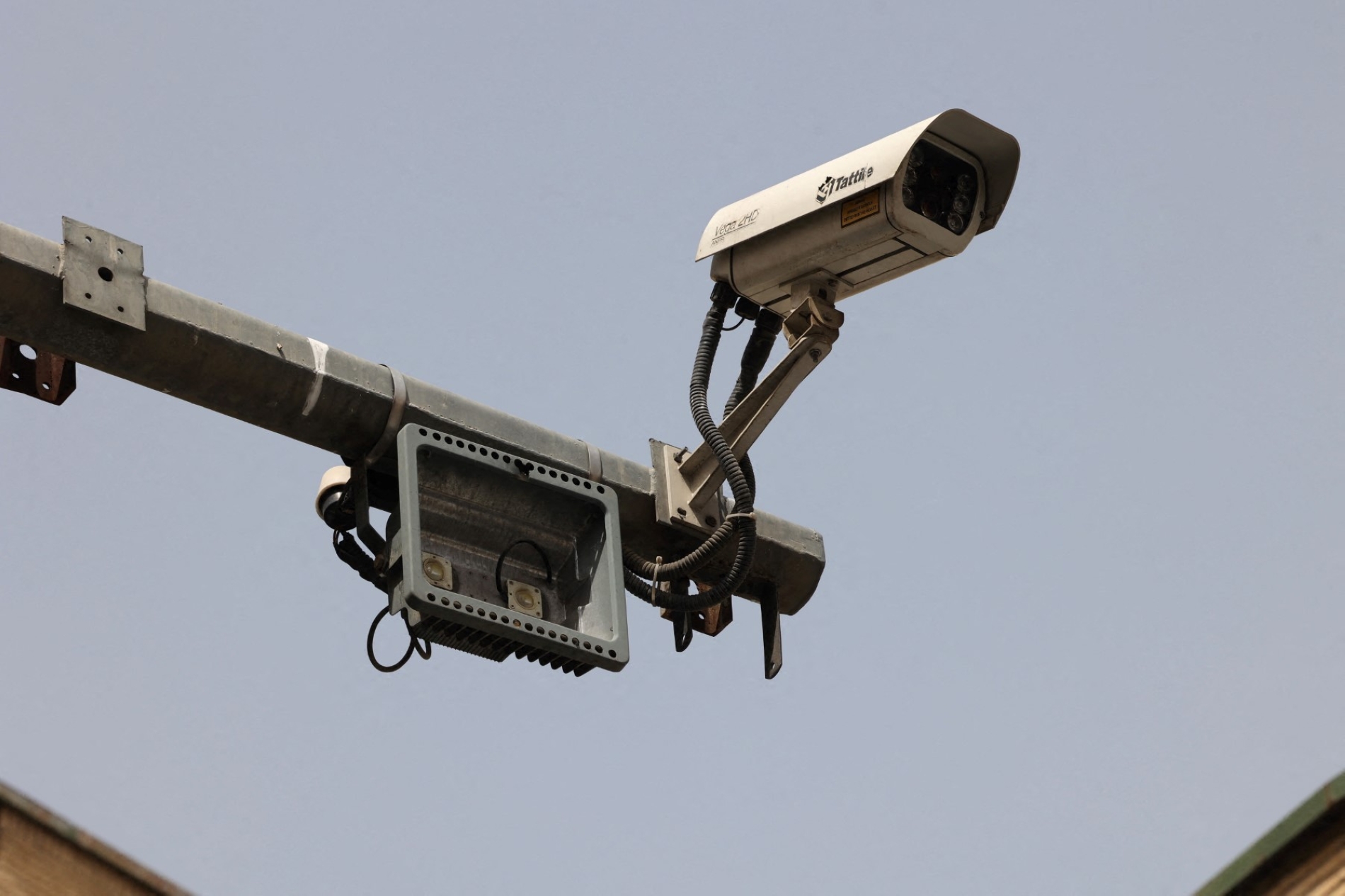
In recent years, the Islamic Republic has doubled down on this investment, turning to China to expand it, including through an ambitious “smart city” programme aimed at deploying 15,000 AI-powered cameras. Unwittingly, by doing so, the regime expanded Israel’s intelligence picture, even when the internet was shut down.
One camera, angled just right, showed where members of Khamenei's security detail parked their cars. Through this footage, Mossad built detailed profiles of each bodyguard (home addresses, work schedules, protection assignments) and used artificial intelligence to analyse vast datasets about the Supreme Leader's daily patterns.